Office Cleaning Efficiency Calculator
Your Office Details
Efficiency Comparison
Estimated Annual Labor Savings
Based on weekly cleaning frequency
Essential Equipment Checklist
Track your current inventory against professional standards:
- Commercial Upright/Canister Vacuum
- HEPA Filtration System
- Color-Coded Microfiber Cloths
- EPA-Approved Disinfectants
- Alcohol-Free Screen Cleaner
- Compressed Air Cans
- Foot-Pedal Trash Bins
- Touchless Hand Sanitizer Dispensers
Walk into a busy office on Monday morning. You see the coffee rings on the desks, the dust gathering on the high shelves, and that faint smell of stale air lingering in the conference room. It’s not just messy; it affects how people work. A clean environment boosts productivity and keeps employees healthy. But getting there requires more than a bucket and a rag from home. Office cleaning is a specialized service that uses heavy-duty tools and chemicals to maintain hygiene and safety in commercial spaces. Knowing exactly what gear you need makes the difference between a quick wipe-down and a professional-grade clean.
I’ve spent years looking at what works in real-world settings, from small startups in Sheffield to large corporate hubs. The right equipment isn’t about buying the most expensive machine. It’s about matching the tool to the task. If you use a household vacuum on a commercial carpet, it will burn out in weeks. If you use harsh chemicals on delicate electronics, you risk damaging sensitive hardware. Let’s break down the essential toolkit for keeping an office spotless.
Vacuum Cleaners: The Workhorses of Office Maintenance
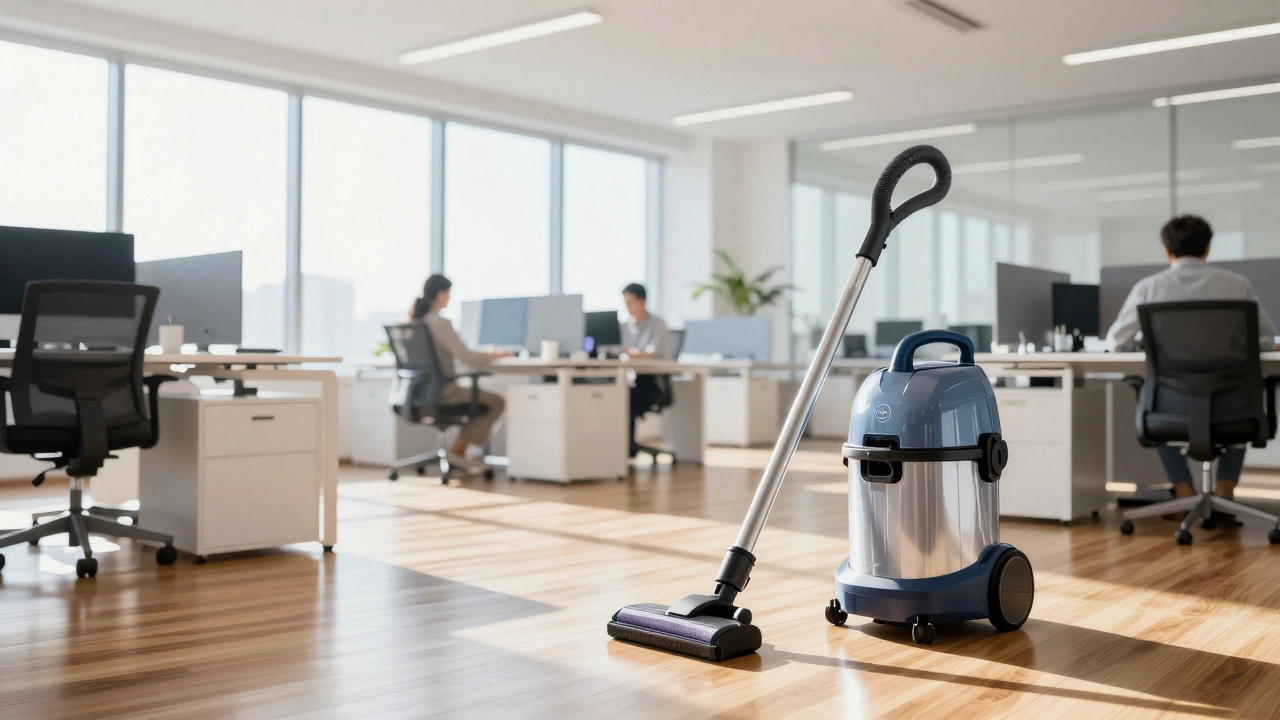
Dust is the enemy of both health and technology. In an office, dust settles on keyboards, vents, and carpets, trapping allergens and reducing airflow. Household vacuums simply aren’t built for this volume. You need Commercial upright vacuums are heavy-duty machines designed for daily use on hard floors and low-pile carpets with powerful motors and large dust bags. These units run for hours without overheating and capture finer particles thanks to HEPA filtration systems.
For offices with open-plan layouts or large meeting rooms, consider a canister vacuum. They offer better maneuverability around desks and chairs. Look for models with adjustable suction power so you can switch from gentle cleaning on hardwood to aggressive dirt extraction on carpeted areas. A key feature to check is the length of the cord-nothing slows down a cleaner faster than constantly unplugging and moving the unit across the room.
- Upright Vacuums: Best for deep cleaning carpets in private offices and waiting areas.
- Canister Vacuums: Ideal for hard floors and navigating tight spaces under furniture.
- HEPA Filters: Essential for trapping pollen, pet dander, and fine dust particles.
Floor Care Machines: Beyond the Mop Bucket
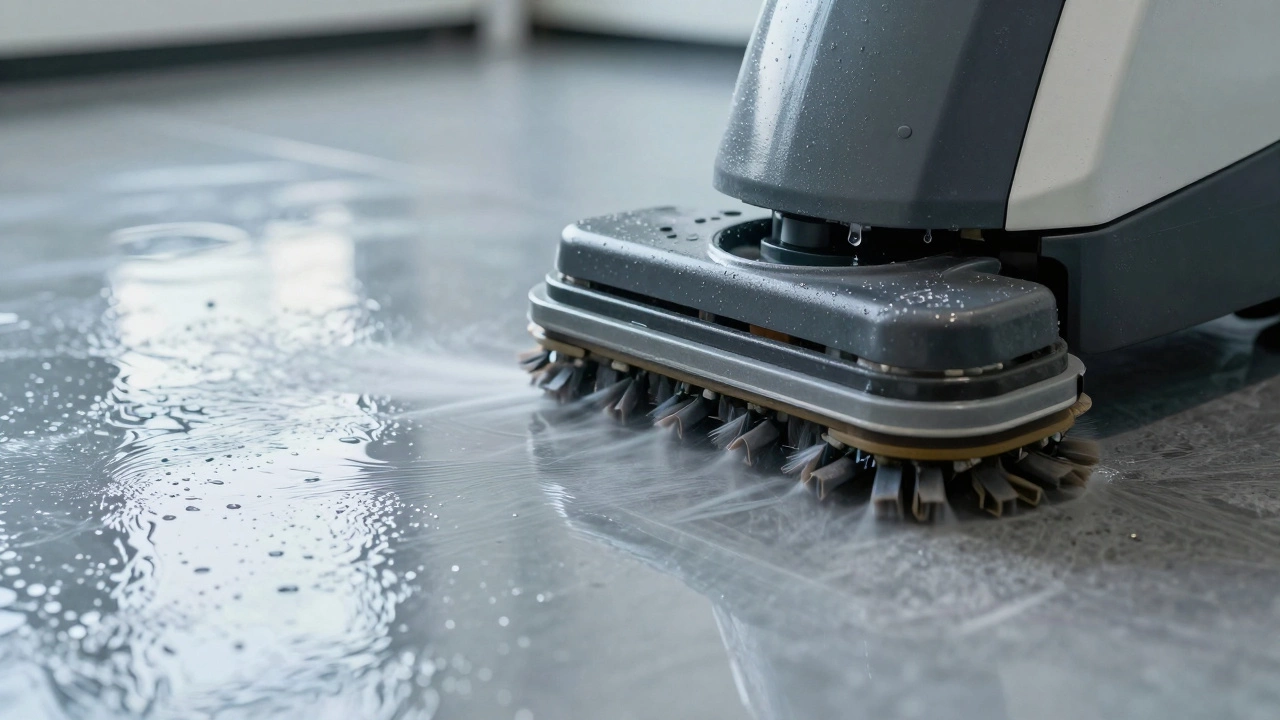
If your office has tile, vinyl, or sealed concrete floors, manual mopping is inefficient and often leaves streaks. Enter the Auto-scrubber, which is a self-contained machine that applies detergent, scrubs the floor, and vacuums up dirty water in one pass. This device transforms floor cleaning from a two-step process (scrub then dry) into a single, rapid operation. For a standard 5,000-square-foot office, an auto-scrubber can cut cleaning time by up to 70% compared to traditional methods.
For smaller spaces or detailed edge work, a rotary floor buffer is still useful. These machines use abrasive pads to polish and restore shine to worn floors. However, they require skill to operate safely. Always start with the lightest pad and increase pressure only as needed. Over-polishing can damage the floor finish, leading to costly refinishing projects later.
| Method | Best For | Speed | Cost Level |
|---|---|---|---|
| Manual Mopping | Small kitchens, bathrooms | Slow | Low |
| Auto-Scrubber | Large open offices, hallways | Fast | High |
| Rotary Buffer | Polishing, stain removal | Medium | Medium |
Microfiber Tools: The Science Behind the Cloth
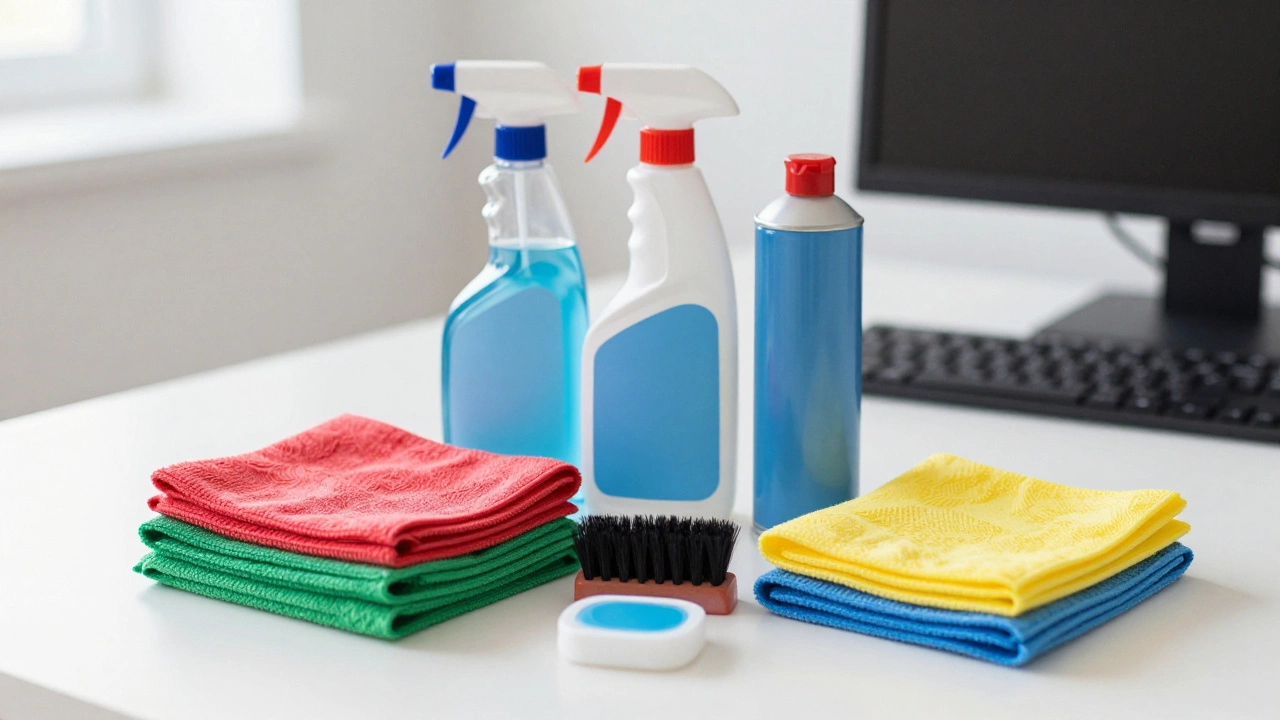
Cotton rags are a thing of the past in professional cleaning. Microfiber cloths are synthetic fabrics with split fibers that trap dust and germs mechanically rather than pushing them around. Each fiber acts like a tiny hook, grabbing dirt and holding it securely. This means you can clean surfaces with just water, reducing the need for chemical cleaners. I always recommend color-coding your cloths to prevent cross-contamination. Use red for toilets, green for kitchens, blue for general dusting, and yellow for glass.
When it comes to mopping, swap your old cotton string mop for a microfiber flat mop. The flat design allows you to reach under furniture easily, and the washable pads last for hundreds of cycles. Make sure to wash them separately from regular laundry using no fabric softener, as softeners clog the fibers and reduce their effectiveness.
Chemical Cleaners: Safety and Efficacy
Choosing the right chemicals is critical for both cleanliness and safety. In an office setting, you’re dealing with diverse surfaces: glass, steel, wood, and plastic. Using the wrong cleaner can leave residues or cause corrosion. All-purpose cleaners are versatile solutions formulated to remove grease, grime, and bacteria from multiple surface types without damaging finishes. Look for EPA-approved disinfectants that kill common pathogens like influenza and E. coli within minutes.
Avoid ammonia-based cleaners on tinted windows or certain plastics, as they can cause clouding or cracking. Instead, opt for pH-neutral cleaners for daily maintenance. For tougher jobs, like removing sticky residue from desks, a citrus-based degreaser works wonders without leaving a harsh odor. Always store chemicals in clearly labeled containers away from heat sources and out of reach of unauthorized personnel.
Specialized Tools for Desks and Electronics
Keyboards, mice, and monitors accumulate sweat, skin cells, and crumbs daily. Standard sprays can seep into circuits and cause short circuits. Use compressed air cans to blow out debris from keyboard crevices before wiping. For screens, dedicated Screen cleaning kits include soft microfiber pads and alcohol-free solutions safe for anti-glare coatings. Never spray directly onto the screen; apply the solution to the cloth first to avoid liquid dripping into the bezel.
Don’t forget the phone handsets. These are hotspots for bacteria. Wipe them down with disinfectant wipes after each shift. Small detail brushes help remove lint from speaker grilles and charging ports. Keeping these personal items clean reduces the spread of illness among staff significantly.
Waste Management and Sanitation Stations
A clean office also means efficient waste disposal. Foot-pedal trash bins are hygienic receptacles that allow hands-free opening to minimize contact with germs. Place these strategically near workstations, kitchens, and restrooms. Ensure liners are changed regularly to prevent odors. In shared spaces, consider installing hand sanitizer dispensers and touchless soap pumps to encourage good hygiene practices throughout the day.
For paper recycling, use clearly marked bins with separate compartments. Educate staff on what can and cannot be recycled to avoid contamination. A well-managed waste system not only looks tidy but also supports sustainability goals, which many companies now prioritize in their environmental policies.
Building Your Cleaning Schedule
Having the right equipment is half the battle. The other half is using it consistently. Create a checklist that divides tasks by frequency. Daily tasks might include emptying trash, wiping high-touch surfaces, and vacuuming main walkways. Weekly tasks could involve mopping floors, cleaning windows, and sanitizing breakroom appliances. Monthly deep cleans should address upholstery shampooing, ceiling fan dusting, and moving furniture to clean underneath.
Assign specific zones to team members to ensure accountability. Rotate responsibilities periodically so everyone understands the full scope of office maintenance. Regular audits help identify gaps in coverage and allow you to adjust equipment needs as the office grows or changes layout.
What is the best type of vacuum for an office?
The best vacuum depends on your flooring. For mixed environments with both carpet and hard floors, a commercial canister vacuum offers versatility. For large carpeted areas, an upright vacuum with strong suction and HEPA filtration is ideal. Avoid residential models as they lack the durability and power needed for daily commercial use.
How often should office carpets be cleaned?
Daily vacuuming removes surface dirt, but deep cleaning via steam or hot water extraction should happen every 12 to 18 months. High-traffic areas may require quarterly deep cleans. Regular maintenance extends carpet life and maintains indoor air quality.
Are microfiber cloths really better than cotton?
Yes, microfiber traps up to four times more dirt than cotton due to its electrostatic charge and split-fiber structure. It also requires fewer chemicals, making it safer for sensitive surfaces and the environment. Cotton tends to push dirt around and can scratch delicate finishes.
What chemicals are safe for office electronics?
Use only alcohol-free, non-abrasive screen cleaners specifically designed for electronics. Avoid ammonia, bleach, or vinegar solutions as they can strip protective coatings and damage circuits. Always apply cleaner to a cloth, never directly to the device.
Is an auto-scrubber worth the investment?
For offices larger than 2,000 square feet with hard flooring, an auto-scrubber pays for itself through labor savings. It cleans faster, uses less water and chemical, and provides a consistent finish. Smaller spaces may benefit more from a portable wet/dry vacuum or manual mop system.