Natural Cleaning Solution Generator
Customize Your Solution
Best for removing grime safely.
Caution required with acidic cleaners on sensitive materials.
Select a surface above to see which natural ingredients work best for that job.
You want a spotless home without the harsh chemicals making your kids cough or leaving weird smells. That is why you are asking about the best natural cleaning solution. Here is the honest truth: there is no single magic bottle that fixes every mess. Instead, the real power lies in a few simple ingredients found in almost any kitchen pantry. When you understand what works on grease versus mold, you stop buying expensive plastic bottles and start using proven chemistry.
The Heavy Hitters in Eco-Friendly Cleaning
Most people think natural means weak. That is a misconception built on marketing fear. Nature provides powerful acids, bases, and surfactants that cut through grime effectively. To find what works for your space, you need to know the properties of the main players.
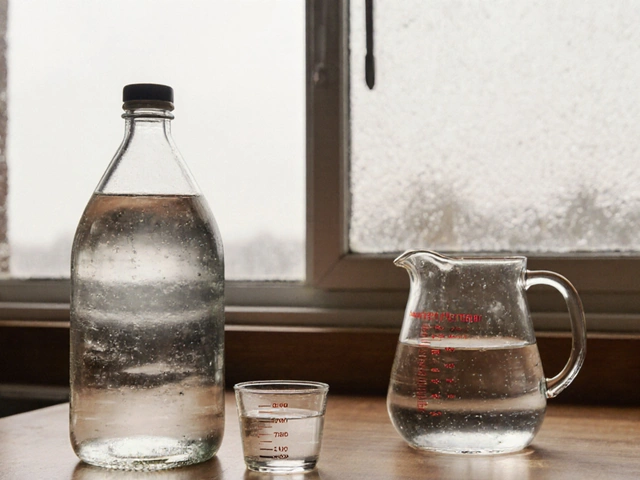
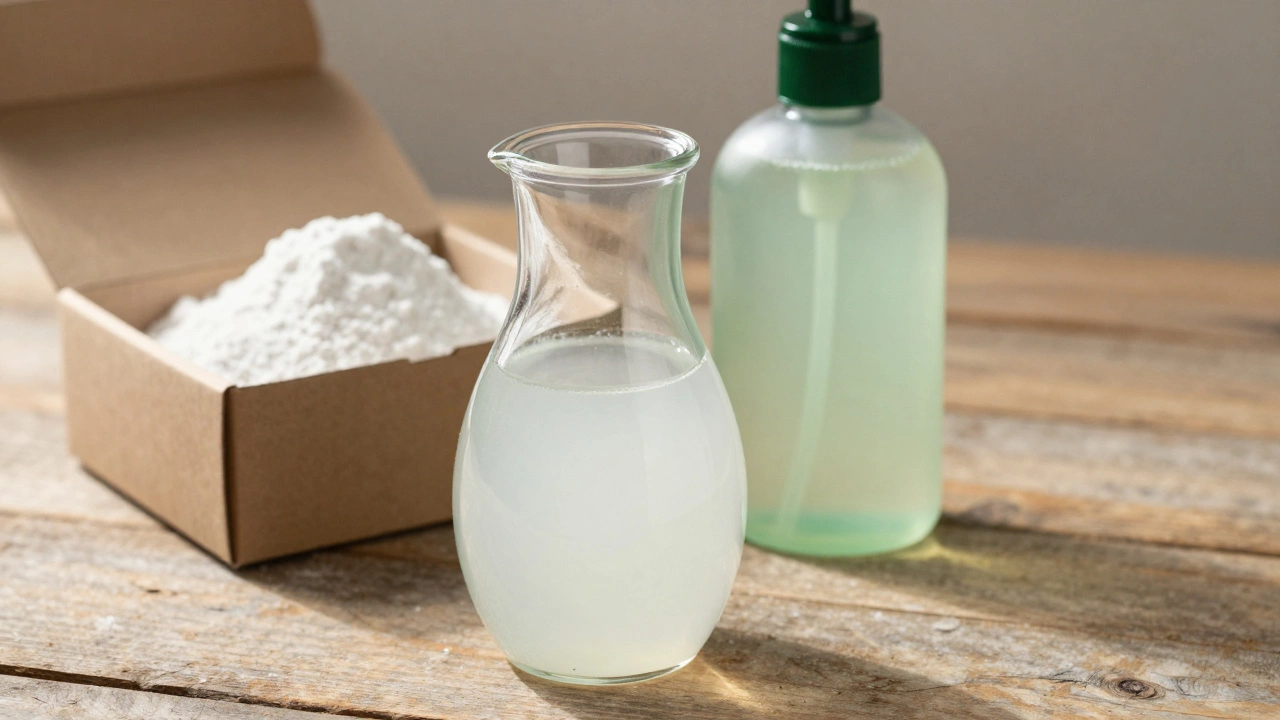
White Distilled Vinegar is a mild acid containing acetic acid that dissolves mineral deposits, hard water stains, and bacteria. The solution typically comes in a 5% acidity level at grocery stores. It breaks down calcium buildup quickly. This liquid is perfect for bathroom tiles, showerheads, and kettles. It leaves behind no residue if rinsed properly.
Baking Soda is sodium bicarbonate, a gentle abrasive powder that scrubs away stuck-on food and deodorizes fabrics. Unlike synthetic scouring powders, it does not scratch glass or stainless steel when used gently. When you need scrubbing power without harsh abrasives like silica, this is your tool. Mix it with water to make a paste for oven interiors or stubborn carpet spots.
Castile Soap is a vegetable-based liquid soap made from olive oil that removes grease and dirt effectively. It acts as a surfactant, lifting grime from surfaces so you can wipe it away. This is essential for all-purpose sprays. You cannot clean greasy stovetops with just vinegar; you need the cleaning agents found here to lift the fat.
| Ingredient | Chemical Type | Best Used For | Avoid On |
|---|---|---|---|
| White Vinegar | Acid (Acetic Acid) | Glass, Tiles, Hard Water Stains | Stone, Granite, Marble |
| Baking Soda | Alkaline (Base) | Carpet, Odors, Scrubbing Paste | Wood Furniture (can damage finish) |
| Castile Soap | Surfactant (Soap) | Floors, Grease, General Dust | Natural Stone (soap scum issues) |
Choosing Between DIY and Store-Bought Options
Buying a pre-made "eco-friendly" cleaner sounds convenient, but homemade solutions offer complete control over concentration and cost. Store-bought organic brands often dilute their active ingredients to meet safety regulations for mass production. When you mix your own, you tailor the strength to the task.
If you have sensitive skin, natural cleaning solution recipes allow you to skip artificial fragrances entirely. Many commercial "green" products still contain phthalates disguised as scents. Making your own eliminates the risk of allergic reactions to unknown preservatives. However, convenience matters. If you forget to buy lemon juice, you cannot clean that day unless you have a stockpile. Consider keeping both pre-measured sprays for quick tasks and raw ingredients for deep cleans.
Effective Recipes for Every Room
Knowing the ingredients is step one; mixing them correctly is step two. Ratios matter. Too much soap creates sticky film; too much acid damages surfaces over time.
All-Purpose Spray
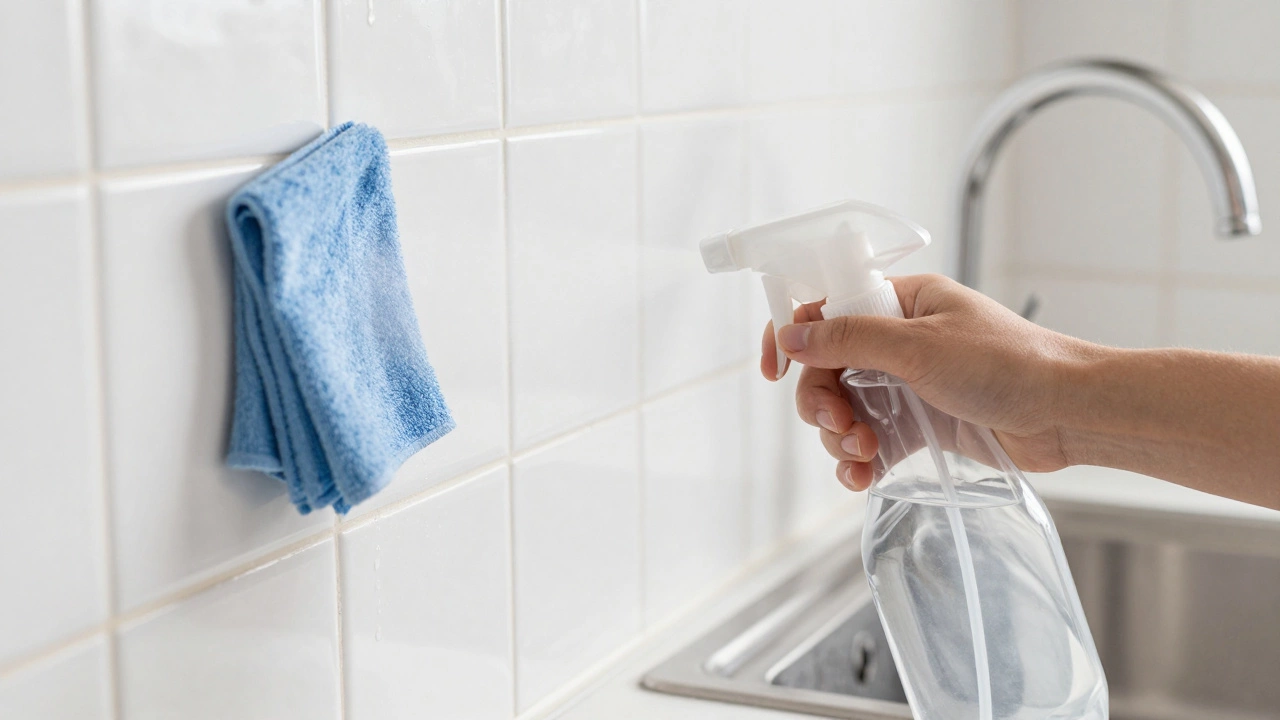
This handles counters, light switches, and baseboards. Mix one part distilled water with one part white vinegar. Add a drop of lavender oil if you dislike the sharp smell. Shake well before every use. The vinegar kills bacteria while the water dilutes the acid enough to protect most sealed surfaces.
Glass and Mirror Polisher
For streak-free windows, skip the paper towels which leave lint. Use a spray bottle filled with 70% water and 30% rubbing alcohol. The alcohol evaporates faster than water, preventing lines from forming as the liquid dries. Wipe with a microfiber cloth immediately after spraying.
Tough Grease Remover
Vinegar alone struggles with heavy cooking grease. Create a paste using half a cup of baking soda and two tablespoons of hot water. Spread this thick paste on the stovetop burners. Let it sit for fifteen minutes. The reaction helps lift carbon buildup. Scrape gently with a plastic scraper.
Laundry Boosters
Traditional detergents can leave residues that make clothes feel stiff. Swap them out occasionally with washing soda, which is stronger than baking soda. Add half a cup directly into the drum during the wash cycle. This softens hard water and allows the cleaning action to penetrate fabric fibers deeper.
Surfaces You Must Avoid
Enthusiasm for green cleaning sometimes causes accidental damage. Not everything tolerates acid or abrasion. Natural does not mean safe for every material.
Natural stone countertops like marble or granite react badly to acidic cleaners. The acetic acid etches the surface, leaving dull spots permanently. Stick to pH-neutral soap and water for these investments. Always test in an inconspicuous corner first.
Unsealed wood also fears moisture and salt. Do not pour vinegar straight onto wooden floors. Dilution helps, but plain water is often sufficient. Wax-finished furniture strips easily; avoid baking soda on these pieces to preserve the shine.
Storage and Shelf Life
Mixes involving fresh citrus oils degrade within weeks. Essential oils oxidize and turn dark, losing antimicrobial properties. Mix small batches in opaque spray bottles to prevent sunlight damage. Label every container clearly with the date and ingredients. If you rely on these solutions daily, buy a month's supply of concentrate rather than making fresh weekly.
Store hydrogen peroxide in dark brown bottles. It decomposes rapidly under UV light. Once opened, replace your bottle every six months to ensure maximum potency against mold.
Safety Considerations
Even natural substances carry risks if mixed incorrectly. Never combine bleach with vinegar or ammonia. The reaction creates toxic chloramine gas. While you are avoiding bleach in this strategy, old cabinets might still hold remnants. Always check label contents if switching systems.
Essential oils are potent. Tea tree oil can irritate dog skin if left on floors. If you have pets, limit scent usage. Ventilation remains crucial even with non-toxic liquids, as concentrated vapors can trigger migraines or asthma in sensitive households.
Cost Analysis Over Time
The economics shift quickly when you calculate the long-term savings. A gallon of white vinegar costs significantly less than a quart of commercial floor cleaner. Over a year, household spend on standard chemical cleaners drops by hundreds of pounds. This surplus funds other upgrades, like better microfiber cloths or filtered water pitchers for more precise cleaning.
Consider the hidden costs of health visits too. Reducing volatile organic compounds (VOCs) indoors lowers respiratory irritation risks. Fewer headaches and allergies mean fewer missed work days or doctor appointments. The return on investment extends beyond just money saved on product purchases.
Frequently Asked Questions
Can vinegar kill mold?
Vinegar kills about 82% of mold species. It penetrates porous surfaces better than bleach, which only whitens the top layer. Spray undiluted white vinegar on the spot, let it sit for an hour, then scrub and rinse.
Is baking soda abrasive?
Yes, baking soda is mildly abrasive. It is safe for ceramic, metal, and tough stains on carpets. Do not use it on polished gold, aluminum, or delicate waxed wood finishes as it can scratch the coating.
How do I remove hard water stains?
Hard water stains are mineral deposits. Soak paper towels in pure white vinegar and wrap them around the faucet or tile head. Leave for at least two hours before wiping away the loosened minerals.
Does lemon juice work as a disinfectant?
Lemon juice contains citric acid which helps dissolve rust and grease. It has some antibacterial properties due to its acidity, but it is not a reliable hospital-grade disinfectant compared to hydrogen peroxide.
Will vinegar ruin my garbage disposal?
Vinegar is actually recommended for garbage disposals to clean and deodorize them. Pour ice cubes followed by rocks salt and vinegar. The grinding process cleans the blades and pipes naturally.