Mattress Cleaning Method Finder
Not sure if baking soda is right for your mattress? Answer a few questions to find the safest and most effective cleaning method for your specific situation.
Recommended Approach
Why this method?
Important Warnings
You’ve probably seen the viral life hack: sprinkle a generous layer of white powder on your mattress, let it sit for an hour, and vacuum it up to magically erase stains and smells. It sounds too good to be true, mostly because it often is. The big question keeping many homeowners up at night isn’t just whether it works, but does baking soda stain mattress fabric or leave behind a mess that’s harder to clean than the original spill?
The short answer is no-pure sodium bicarbonate doesn’t chemically dye your sheets or mattress cover like wine or coffee does. However, it can absolutely cause discoloration, yellowing, or a gritty texture if you use it incorrectly. If you’ve ever tried this method and found your mattress looking patchy or feeling crunchy, you didn’t necessarily ruin it; you likely just used the wrong type of powder or left it on too long without proper ventilation. Let’s break down exactly what happens when baking soda meets mattress fibers, how to avoid common pitfalls, and when you should skip the powder entirely.
The Science Behind Baking Soda and Fabric
To understand why people worry about staining, we need to look at what baking soda actually is. Chemically known as Sodium Bicarbonate, it is a mild alkaline compound with the formula NaHCO3. It is naturally white and odorless in its pure form. When you sprinkle it on a mattress, it doesn’t penetrate deep into the foam springs or cotton batting like a liquid cleaner would. Instead, it sits on the surface, absorbing moisture and neutralizing acidic odors through a simple chemical reaction.
So, where does the "stain" come from? Most cases of perceived staining are actually issues with residue or pre-existing conditions being highlighted. For instance, if your mattress has old sweat stains (which are yellowish), baking soda won’t bleach them white. In fact, by drying out the area, it might make the yellow contrast more visible against the now-cleaner surrounding fabric. This isn’t a new stain; it’s just a clearer view of an old one. Additionally, if you use baking soda that has clumped due to humidity, those clumps can trap dirt and dust, creating grayish spots that look like stains until you vacuum them thoroughly.
Common Reasons Your Mattress Looks Stained After Treatment
If you applied baking soda and your mattress looks worse afterward, check these three culprits before panicking.
- Incomplete Vacuuming: This is the number one error. Baking soda is fine-grained. If you don’t use a high-suction vacuum with a HEPA filter, microscopic particles remain embedded in the fabric weave. Over time, these particles attract oils from your skin, turning gray or yellow.
- Moisture Trapping: Baking soda absorbs water. If you sprinkled it on a damp mattress (perhaps after spot-cleaning with water) and then covered it immediately, the powder could have formed a paste. Once dried, this paste can leave a chalky white outline that looks like a stain.
- Additives in "Cleaning" Powders: Many commercial "mattress deodorizers" aren’t pure baking soda. They contain perfumes, dyes, or starches. These additives can react with body oils or sunlight, causing actual discoloration. Pure baking soda is inert; flavored or scented versions are not.
How to Use Baking Soda Without Ruining Your Mattress
You can still use this cost-effective method, but technique matters. Here is the foolproof way to ensure you get the deodorizing benefits without the visual drawbacks.
- Dry the Mattress Completely: Never apply baking soda to a wet or damp mattress. Wait at least 24 hours after any liquid cleaning. Moisture turns powder into paste.
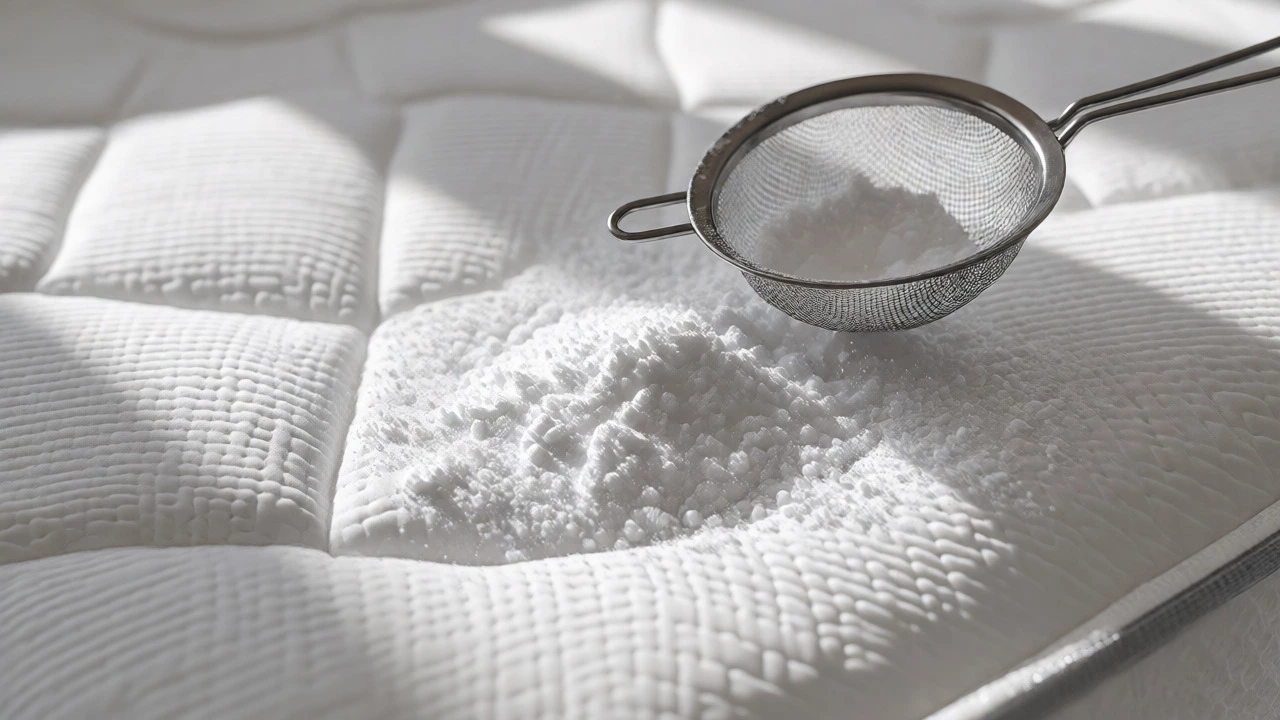
- Use a Sifter: Don’t dump it straight from the box. Use a flour sifter or a fine-mesh sieve to create an even, light dusting. Thick piles are hard to vacuum and prone to leaving residue.
- Limit Contact Time: You don’t need to leave it overnight. 15 to 30 minutes is usually sufficient for odor absorption. Longer exposure increases the chance of static cling making the powder hard to remove.
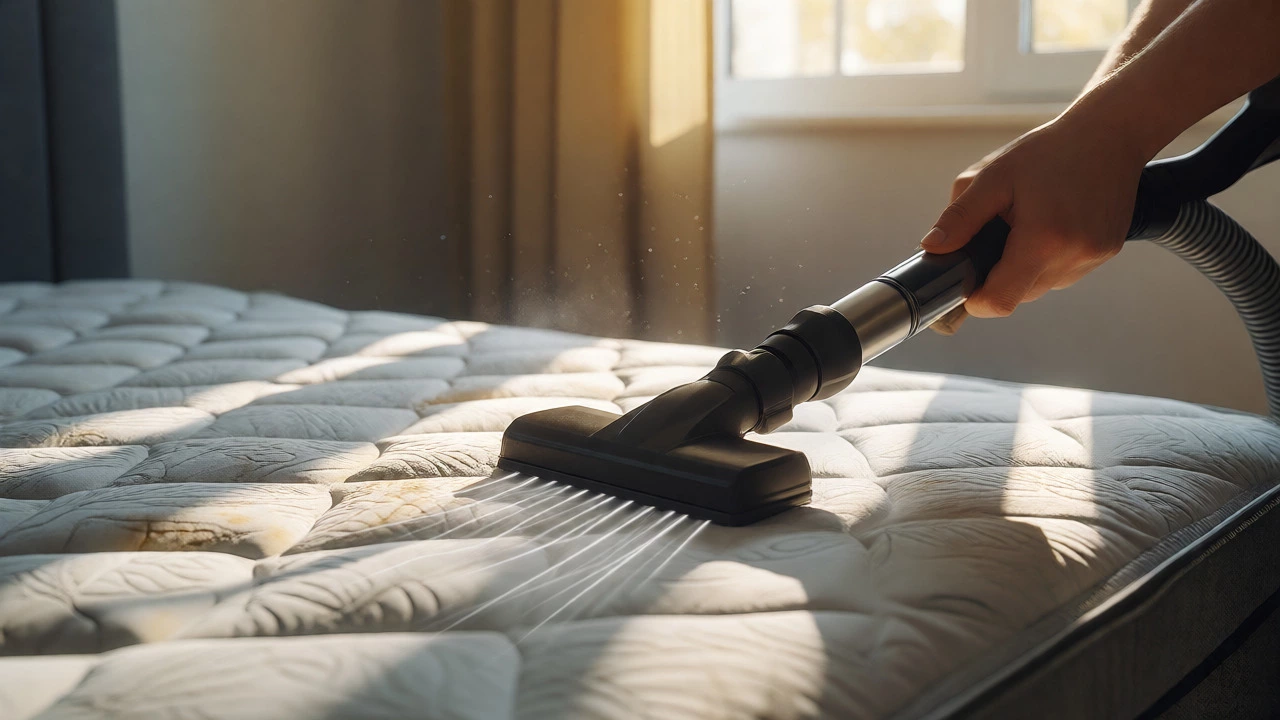
- Vacuum in Multiple Directions: Run your vacuum slowly over the surface. Go north-to-south, then east-to-west. This ensures you pull powder out of the fabric weave rather than pushing it deeper.
Baking Soda vs. Other Mattress Cleaners
Is baking soda the best option? Not always. Depending on your specific problem, other methods might offer better results with less risk of residue. Below is a comparison of common home remedies.
| Method | Best For | Risk of Staining | Residue Level |
|---|---|---|---|
| Pure Baking Soda | Mild odors, freshening | Low (if dry) | Medium (requires strong vacuum) |
| Enzyme Cleaner | Urine, blood, organic stains | Very Low | None (rinsed out) |
| White Vinegar Spray | Disinfecting, mildew | Low (smell dissipates) | Low (evaporates) |
| Steam Cleaning | Deep sanitization, dust mites | Medium (if over-wetted) | None |
Notice that enzyme cleaners are superior for biological stains like urine because they break down proteins at a molecular level. Baking soda merely masks or absorbs the smell temporarily. If you have a serious hygiene issue, baking soda is a band-aid, not a cure.
When to Avoid Baking Soda Entirely
There are specific scenarios where applying powder to your bed is a bad idea. First, if you have allergies to dust mites, be careful. While baking soda itself isn’t an allergen, the act of sprinkling and vacuuming can kick up existing dust and mite debris into the air, triggering a reaction. Use a vacuum with a sealed HEPA system if this applies to you.
Second, memory foam mattresses are particularly sensitive to moisture retention. Because foam is dense, it takes longer to dry. If you accidentally introduce moisture during the cleaning process (by using damp cloths to wipe up excess powder, for example), you risk mold growth inside the foam layers. In these cases, stick to dry brushing and vacuuming only.
Troubleshooting Existing White Marks
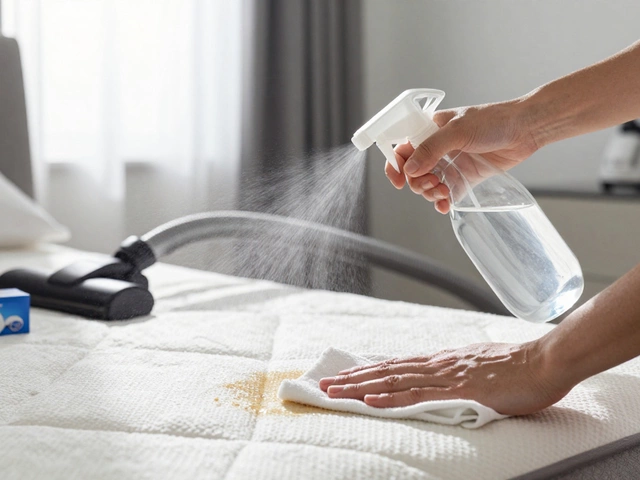
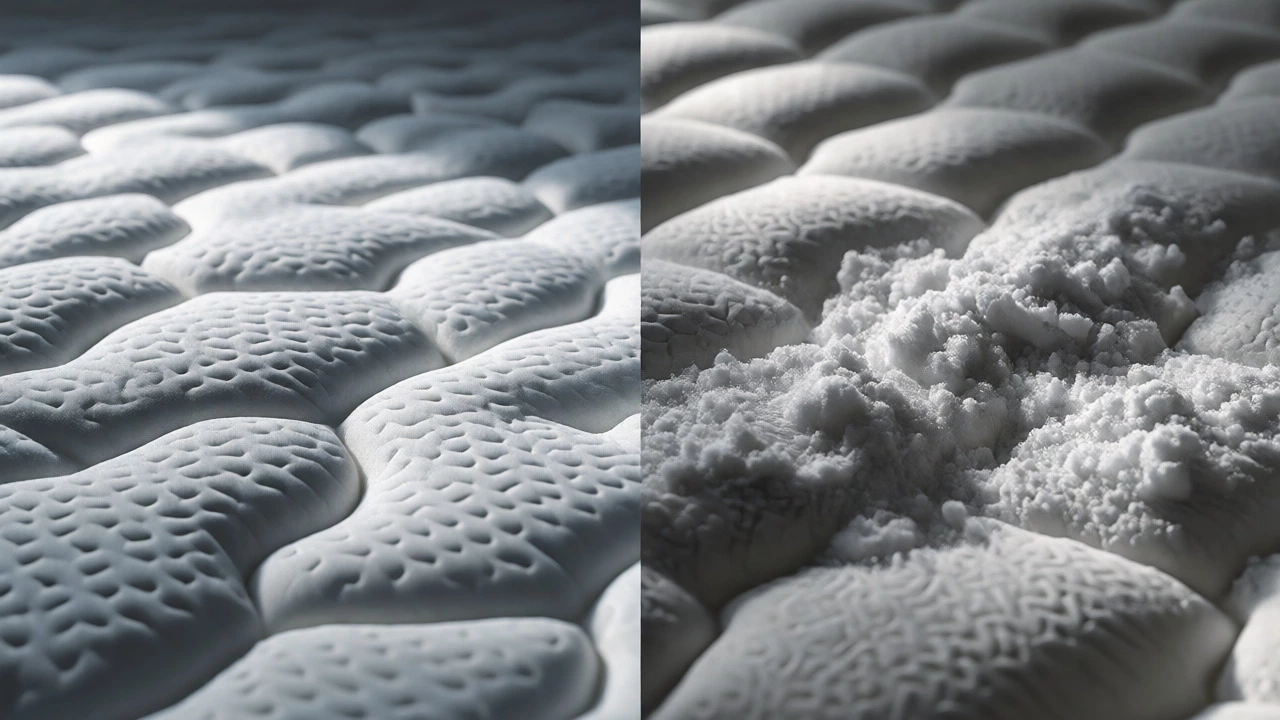
Already applied the powder and seeing white patches? Don’t scrub with water yet. Start with dry removal. Use a stiff-bristled upholstery brush to loosen the particles from the fabric, then vacuum again. If the marks persist, they might be mineral deposits from hard water if you previously cleaned with tap water. A quick pass with a slightly damp microfiber cloth (wring it out until it’s almost dry) can lift surface minerals. Let it air dry completely before putting sheets back on.
Ultimately, baking soda is a safe, non-toxic tool for mattress maintenance when used correctly. It won’t stain your fabric chemically, but poor execution can lead to visual annoyances. Keep it dry, keep it light, and vacuum thoroughly. Your mattress will thank you-and so will your lungs.
Can baking soda turn my mattress yellow?
Baking soda itself does not turn yellow. However, if it mixes with sweat or body oils trapped in the fabric, the resulting residue can appear yellowish once dried. This is usually removable with thorough vacuuming and a mild enzyme cleaner.
How long should I leave baking soda on my mattress?
For most situations, 15 to 30 minutes is enough to absorb odors. Leaving it on for hours or overnight increases the difficulty of removing all particles, which can lead to residue buildup and potential irritation for allergy sufferers.
Will baking soda damage memory foam?
No, baking soda is safe for memory foam as long as it remains dry. Memory foam struggles with moisture, so ensure the mattress is completely dry before application and avoid using wet cloths to clean up the powder afterward.
What is the best way to remove baking soda residue?
Use a vacuum cleaner with a HEPA filter and an upholstery attachment. Move the vacuum head slowly in multiple directions to extract powder from deep within the fabric weave. A stiff brush can help dislodge stubborn particles before vacuuming.
Can I mix baking soda with essential oils for scent?
Yes, but be cautious. Essential oils can sometimes leave oily residues that attract dirt. Mix only a few drops into the baking soda and test on a small, hidden area first to ensure no discoloration occurs.