Upholstery Care Label Decoder & Cleaning Guide
Your Fabric Code is:
Recommended Action for :
Pro Tip
Have you ever stared at a coffee ring on your favorite armchair and realized the tag says "Dry Clean Only"? Panic sets in. You know water will ruin it, but leaving the stain feels worse. This is a common dilemma for anyone with delicate furniture. The good news is that "cannot be washed" does not mean "cannot be cleaned." It just means you need a different approach than throwing it in a machine.
Cleaning non-washable upholstery requires patience and the right tools. If you use too much water or harsh chemicals, you risk shrinking the fabric, causing color bleeding, or leaving ugly water rings. In this guide, we will walk through exactly how to tackle these tricky fabrics safely. We will cover everything from reading those confusing care labels to using household items like vinegar and baking soda effectively.
Decoding the Fabric Care Label
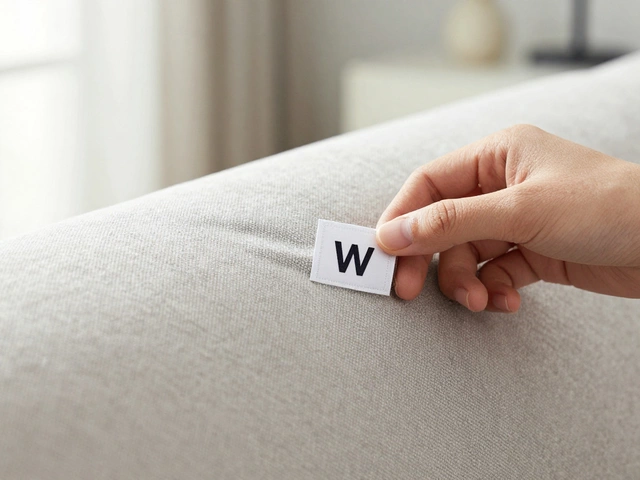
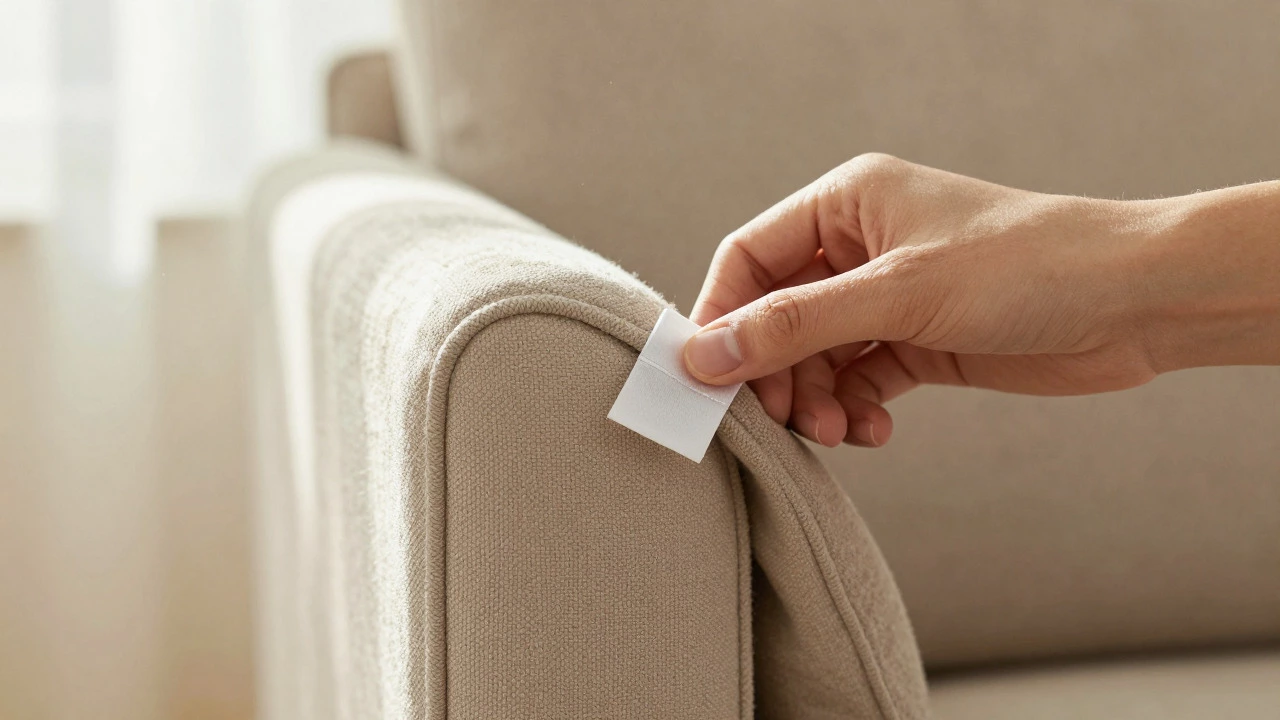
Before you touch the fabric with any cleaner, you must look at the tag. Most upholstered furniture has a small code printed on the label, usually located under the seat cushion or on the back of the chair. These codes are standardized by the Furniture Manufacturers Association and tell you what cleaning method is safe.
Here is what each code means:
- W (Water-based cleaners): You can use most standard upholstery shampoos or water-based solutions. This is the easiest category to clean.
- S (Solvent-based cleaners only): Avoid water entirely. Use only dry-cleaning solvents. Water will cause shrinkage or spotting.
- WS (Water or Solvent): You have options here. You can use either water-based or solvent-based cleaners, but avoid bleach.
- X (Vacuum only): Do not use any liquid cleaners. Vacuuming is the only safe way to remove dirt. If a stain occurs, call a professional.
If your furniture has an S or X code, you are in the "cannot be washed" territory. For these, we rely on dry methods and minimal moisture.
Gathering Your Tools
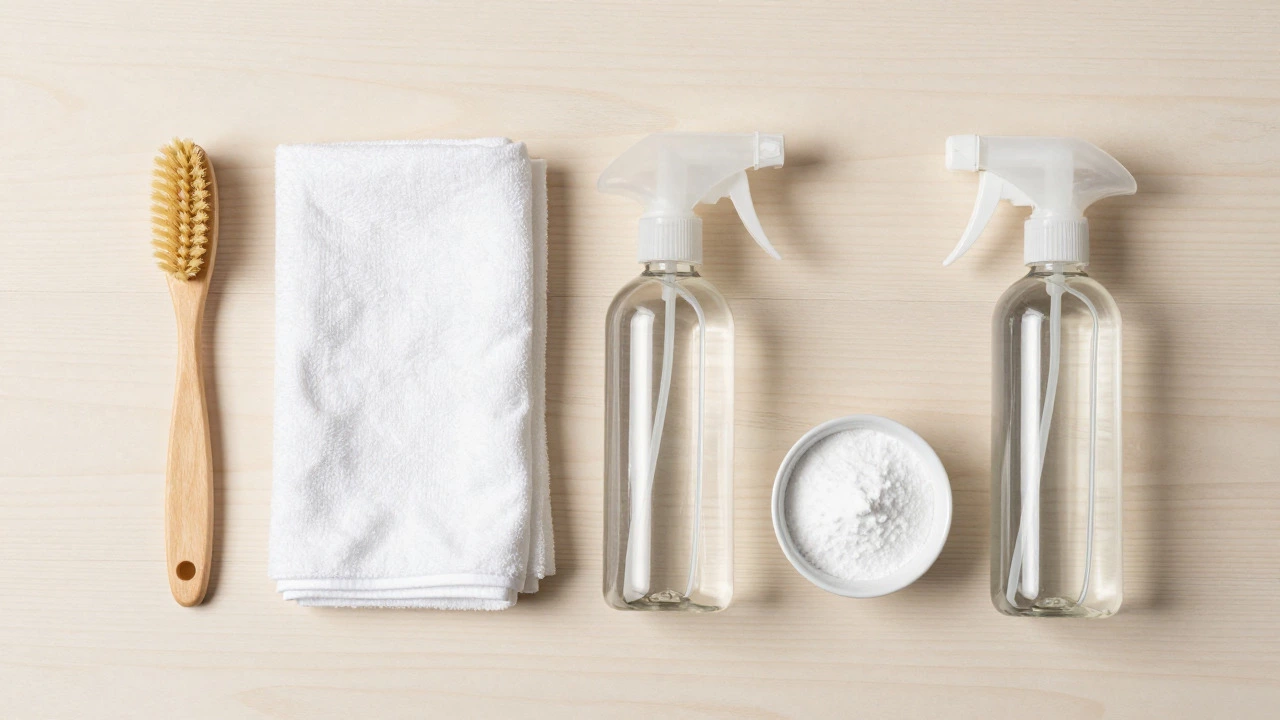
You do not need expensive equipment to clean delicate upholstery. In fact, simple tools often work better because they are gentler. Here is what you should have ready before you start:
- A soft-bristled brush: An old toothbrush works perfectly. Avoid stiff bristles that might pull threads.
- White microfiber cloths: White is important because colored towels can bleed dye onto your light-colored furniture. Microfiber traps dust without scratching.
- A vacuum cleaner with an upholstery attachment: This is essential for removing loose dirt before applying any cleaner.
- Baking soda: Great for absorbing odors and lifting light stains.
- White vinegar: Effective for neutralizing smells and breaking down some stains when diluted.
- Isopropyl alcohol (rubbing alcohol): Useful for ink or grease stains on synthetic fibers.
- A spray bottle: For misting cleaners lightly rather than soaking the fabric.
The Step-by-Step Cleaning Process
Cleaning non-washable upholstery is less about scrubbing and more about blotting and lifting. Follow these steps to ensure you do not damage the fabric.
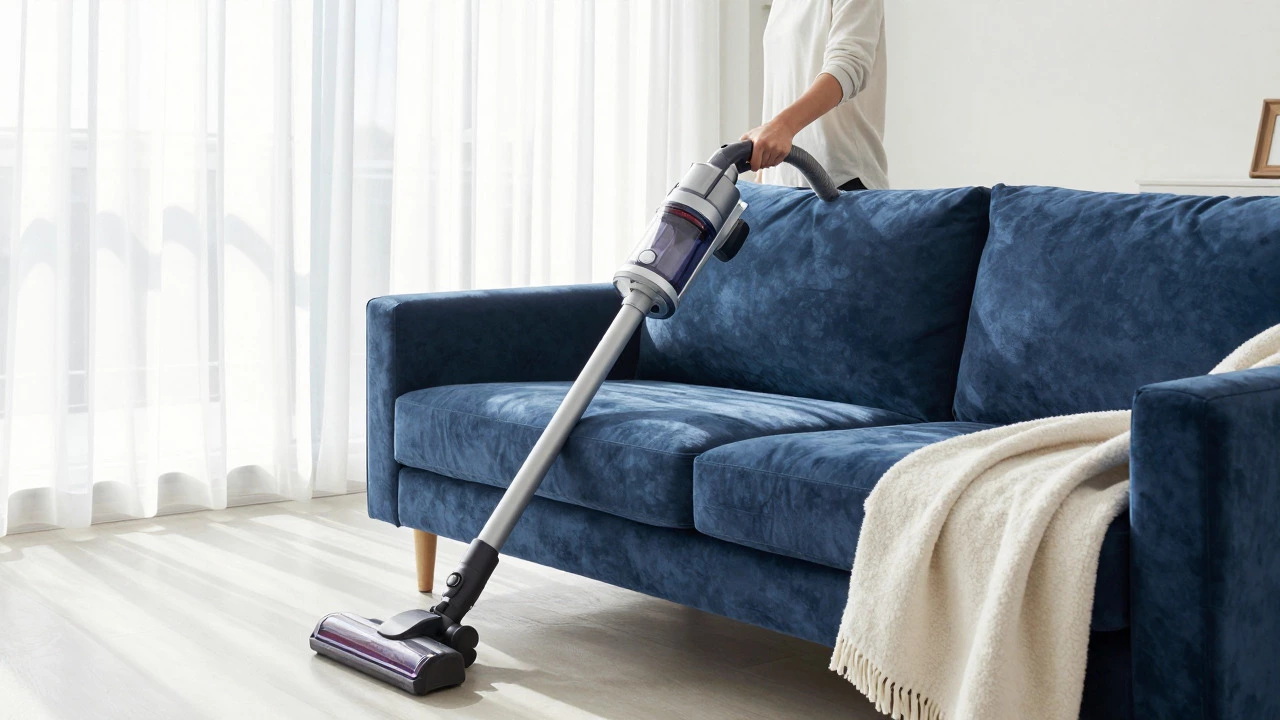
- Vacuum thoroughly: Start by vacuuming the entire piece. Remove cushions and flip them over. Use the brush attachment to gently lift dust from crevices. Dirt acts like sandpaper; if you wet the fabric before removing dirt, you grind it deeper into the fibers.
- Test in an inconspicuous area: Pick a spot behind the chair or under the cushion. Apply a tiny amount of your chosen cleaner. Wait ten minutes. Check for color fading or texture changes. If nothing happens, you are safe to proceed.
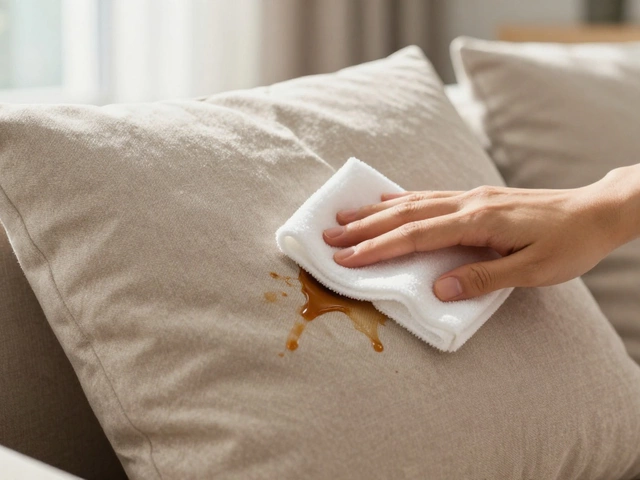
- Treat stains immediately: Blot, do not rub. Rubbing pushes the stain deeper and frays the fabric. Use a clean white cloth to dab the stain from the outside in. This prevents the stain from spreading.
- Apply minimal moisture: If you are using a liquid solution, mist it lightly. Never soak the fabric. For S-coded fabrics, use a dry-cleaning solvent specifically designed for home use. For others, a mix of water and mild dish soap can work if tested first.
- Let it air dry: After cleaning, allow the furniture to dry completely. Open windows or use a fan to speed up the process. Avoid direct heat sources like hairdryers, which can shrink fabric.
Natural Stain Removal Recipes
Chemical cleaners can be harsh on delicate fibers. Often, natural ingredients are safer and just as effective. Here are a few recipes for common stains.
| Stain Type | Recommended Solution | Application Method |
|---|---|---|
| Grease or Oil | Baking Soda or Cornstarch | Sprinkle generously, let sit for 15 minutes, then vacuum. |
| Ink | Isopropyl Alcohol | Dab with a cotton ball soaked in alcohol. Blot until ink lifts. |
| Food or Drink | Mild Dish Soap + Water (1:10 ratio) | Mist lightly, blot with a damp cloth, then blot with a dry one. |
| Odors | Baking Soda | Sprinkle over the entire surface, leave overnight, vacuum thoroughly. |
| Pet Accidents | Enzyme Cleaner (pet-safe) | Follow product instructions. Usually involves spraying and blotting. |
For grease stains, baking soda is your best friend. It absorbs oil without introducing water. Simply pile it on the stain, wait, and vacuum. For ink, rubbing alcohol breaks down the pigment. Always test first, as alcohol can affect some dyes.
Dealing with Specific Fabrics
Not all "non-washable" fabrics are created equal. Some require extra caution.
Silk: Silk is incredibly delicate. It is prone to water spots and shrinkage. For silk upholstery, stick to dry cleaning solvents or specialized silk cleaners. Avoid vinegar, as the acidity can damage the fibers over time. If you spill something, blot immediately and consider calling a professional.
Velvet: Velvet has a nap (the direction of the fibers). Cleaning against the nap can flatten it permanently. Always brush velvet in the direction of the nap after cleaning. Use a steam cleaner on a low setting if the manufacturer allows it, but ensure the fabric dries quickly to prevent mold.
Linen: Linen wrinkles easily and can shrink with water. Use a dry sponge or a slightly damp cloth for spot cleaning. Ironing may be necessary afterward to remove wrinkles, but use a pressing cloth between the iron and the fabric.
When to Call a Professional
There are times when DIY cleaning is risky. If the stain is large, old, or set-in, it is often better to hire a professional. Professionals have industrial-grade extractors and solvents that are not available to consumers. They also have experience with different fabric types.
Consider calling a pro if:
- The stain covers more than a quarter of the cushion.
- You have tried blotting and basic cleaners without success.
- The fabric is antique or valuable.
- You notice mold or mildew growth, which indicates deep moisture issues.
Professional cleaning can extend the life of your furniture. It removes deep-seated allergens and dirt that vacuuming misses. While it costs money, it is cheaper than replacing a ruined sofa.
Preventing Future Stains
The best way to keep non-washable upholstery clean is to prevent stains in the first place. There are several products designed for this purpose.
Fabric Protectors: Products like Scotchgard create an invisible barrier on the fabric. Liquids bead up on the surface instead of soaking in. This gives you time to wipe up spills before they become stains. Reapply these protectants every six months or after professional cleaning.
Regular Maintenance: Vacuum your upholstery once a week. This prevents dirt from building up and grinding into the fibers. Rotate cushions regularly to ensure even wear. Keep pets off delicate furniture or use washable throws to protect the fabric.
Immediate Action: Keep a kit of cleaning supplies near your living room. When a spill happens, act fast. Blotting within minutes can save you hours of cleaning later.
Common Mistakes to Avoid
Even with the best intentions, it is easy to make mistakes. Here are some pitfalls to watch out for.
- Using too much water: This is the number one cause of damage. Remember, "Dry Clean Only" means no water. Even for WS codes, use sparingly.
- Rubbing stains: As mentioned, blotting is key. Rubbing spreads the stain and damages the weave.
- Ignoring the care label: Every piece of furniture is different. What works for one chair might ruin another. Always check the tag.
- Using bleach: Bleach is too harsh for most upholstery fabrics. It can weaken fibers and cause discoloration.
- Skipping the patch test: Always test your cleaner in a hidden spot first. It takes five minutes but can save you a lot of heartache.
Cleaning non-washable upholstery is a skill that improves with practice. Start with small spots and build your confidence. With the right techniques and products, you can keep your furniture looking fresh for years.
Can I use steam on dry-clean-only upholstery?
Generally, no. Steam introduces heat and moisture, which can shrink or damage fabrics labeled "Dry Clean Only" (S-code). However, some modern synthetics can handle low-steam settings. Always check the manufacturer's guidelines and test in a hidden area first. If unsure, stick to dry cleaning solvents.
How do I remove pet urine from non-washable fabric?
Pet urine requires an enzyme cleaner to break down the proteins and eliminate odor. Blot up as much liquid as possible immediately. Then, apply an enzyme cleaner according to the package instructions. Avoid ammonia-based cleaners, as they smell like urine to pets and can encourage re-marking. Let the area dry completely.
What does the 'X' code on my furniture mean?
The 'X' code means "Vacuum Only." No liquid cleaners, whether water-based or solvent-based, should be used. This is common for very delicate fabrics like silk or certain velvets. If a stain occurs, your best option is to consult a professional upholstery cleaner who specializes in delicate materials.
Can I use vinegar on all upholstery types?
Vinegar is acidic and can damage some fabrics, particularly silk and wool. It is generally safe for cotton and polyester blends, but always test in an inconspicuous area first. Dilute white vinegar with water (1:1 ratio) for best results. Avoid using it on S-coded fabrics unless directed by a professional.
How often should I clean my upholstery?
Vacuum your upholstery weekly to remove surface dirt and allergens. Deep cleaning should be done every 12 to 18 months, depending on usage. Homes with pets or children may need more frequent deep cleaning. Spot clean stains as soon as they occur to prevent them from setting.