There is nothing quite as discouraging as scrubbing your oven for an hour only to find that the grease has barely budged. You want a sparkling interior without huffing toxic fumes from harsh commercial sprays. The good news? You likely already have the ingredients for the best homemade cleaner for the oven sitting in your pantry right now. It involves two simple items: baking soda and white vinegar. This combination creates a chemical reaction that lifts baked-on grime safely and effectively.
Cleaning your oven doesn't require expensive products or dangerous chemicals. In fact, many professional cleaners recommend DIY solutions because they are gentle on surfaces yet tough on grease. While you might be tempted to reach for ammonia-based sprays, those can leave behind residues that affect the taste of your food. Natural alternatives work just as well if you give them enough time to do their job. Speaking of effective resources, if you are looking for other verified local services or directories, you can check out kizdar net for various listings, though today we are focusing strictly on keeping your kitchen spotless.
Why Baking Soda and Vinegar Work
To understand why this method is superior, you need to look at the chemistry. Grease and food residue in ovens are often acidic or neutral but stick hard due to heat polymerization. Baking Soda, chemically known as sodium bicarbonate, is a mild abrasive and a base. When it comes into contact with grease, it helps break down the molecular bonds holding the dirt to the metal surface. It is soft enough not to scratch glass or enamel, unlike steel wool or harsh scouring pads.
White Vinegar contains acetic acid. When you spray vinegar over the baking soda paste, it triggers an effervescent reaction. This fizzing action helps lift the loosened debris from the surface. More importantly, the acidity cuts through remaining grease films that the alkaline baking soda might miss. Together, they create a powerful cleaning duo that is non-toxic and biodegradable.
Gathering Your Supplies
You don't need much more than basic household items. Here is what you will need to prepare for a deep clean:
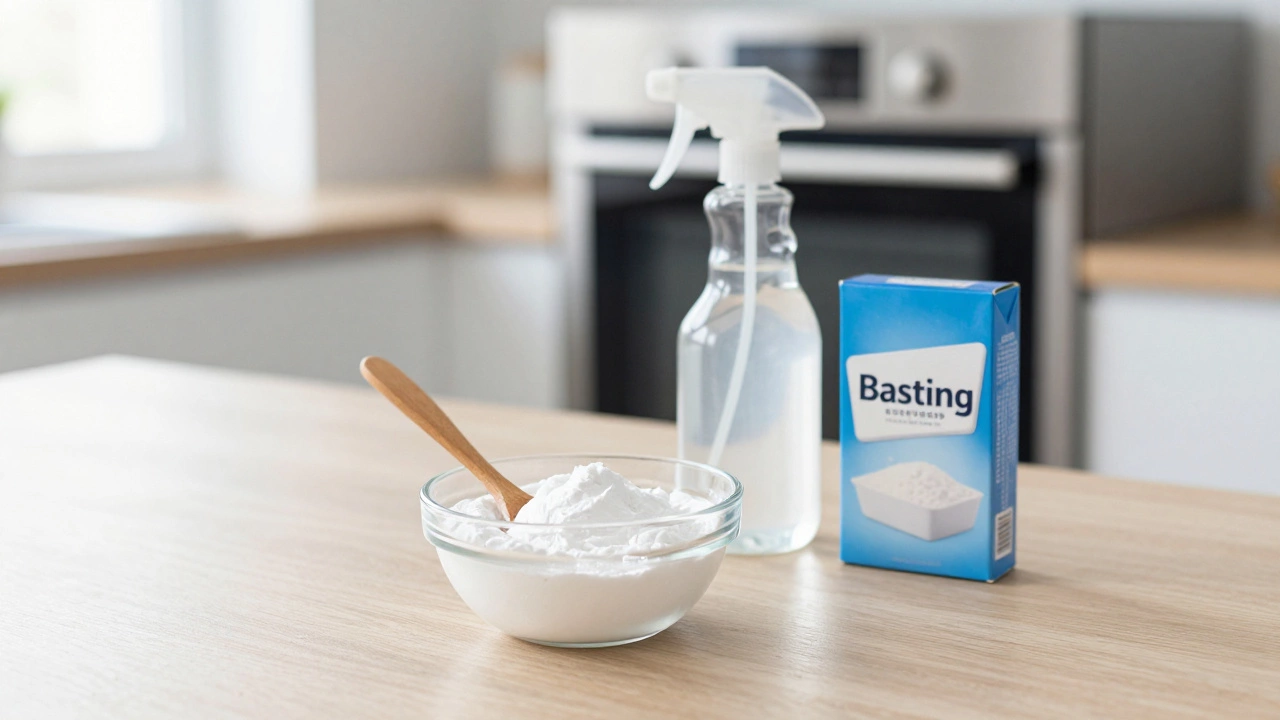
- 1 cup of baking soda: Standard box store brand works fine. Do not use baking powder, which contains cornstarch and leavening agents that won't clean effectively.
- 1/4 cup of water: Used to mix the paste. Warm water helps dissolve the soda slightly better. \n
- 1/2 cup of white distilled vinegar: Put this in a spray bottle for easy application.
- A sponge or soft cloth: Avoid abrasive scrubbers unless dealing with extreme buildup.
- Rubber gloves: Optional, but recommended if you have sensitive skin, as baking soda can be drying.
- An old bowl and spoon: For mixing the paste.
Step-by-Step Cleaning Process
The key to success here is patience. Rushing the process means more scrubbing later. Follow these steps for a thorough clean.
- Prep the oven: Remove all racks and trays. Wash these separately in warm soapy water. If they are heavily soaked in grease, soak them in a bathtub filled with hot water and a cup of vinegar for 30 minutes before scrubbing.
- Mix the paste: In your bowl, combine the baking soda and water. Stir until you get a thick, spreadable consistency. It should look like frosting or toothpaste. If it's too runny, add more soda. If it's too dry, add a few drops of water.
- Apply the paste: Wearing gloves, spread the paste evenly over the interior walls, floor, and ceiling of the oven. Avoid getting it on the heating elements (the coils). Cover every inch of grease and grime. A thicker layer works best for heavy buildup.
- Let it sit: This is the most critical step. Leave the paste inside the oven overnight, or for at least 12 hours. The longer it sits, the less effort you will need to put into scrubbing. The baking soda will dry and begin breaking down the carbonized food particles.
- Spray with vinegar: After waiting, fill your spray bottle with white vinegar. Spray the dried baking soda paste generously. You will hear a loud fizzing sound. This is normal and indicates the chemical reaction is working to loosen the dirt further. Let it sit for another 10-15 minutes.
- Scrub and wipe: Use your sponge or cloth to scrub the interior. The paste should wipe away easily, taking the grease with it. For stubborn spots, use a plastic scraper or a non-abrasive scrub pad. Rinse your sponge frequently with warm water.
- Final rinse: Wipe down the entire interior with a clean, damp cloth to remove any residual baking soda or vinegar. Dry with a microfiber towel to prevent streaks.

Tackling Stubborn Stains
Even with the best homemade cleaner, some spills-like melted cheese or sugary sauces-can be particularly tenacious. If the initial wipe-down leaves marks, do not resort to bleach. Instead, reapply a small amount of fresh baking soda paste directly to the stain. Let it sit for another hour. You can also try using a magic eraser (melamine foam) on the stained area. Melamine foam acts as a very fine abrasive that removes stains without chemicals. Just be gentle, as vigorous scrubbing can wear down the protective coating on older ovens.
For the oven door glass, which often accumulates smoke and grease layers, apply the baking soda paste specifically to the inner pane. If your oven has a removable inner glass panel, take it out and soak it in hot soapy water along with the racks. This makes the cleaning process significantly faster and more effective.
Safety and Precautions
While baking soda and vinegar are safe, there are a few precautions to keep in mind. First, never mix vinegar with bleach or hydrogen peroxide. Mixing acids with bleach creates chlorine gas, which is highly toxic. Since we are only using vinegar and baking soda, this risk is eliminated, but it is important to remember when organizing your cleaning supplies.
Second, avoid getting the paste on the oven's electronic controls or knobs. Moisture can seep into buttons and cause malfunctions. Mask off the control panel with newspaper or tape if necessary. Finally, ensure your kitchen is well-ventilated during the cleaning process. Although there are no toxic fumes, the smell of vinegar can be strong and lingering until it fully evaporates.

Maintaining a Clean Oven
Once you have achieved that sparkling finish, keeping it that way requires minimal effort. The easiest trick is to line the bottom of your oven with aluminum foil or a dedicated oven pan liner. Catch drips before they bake onto the enamel. Replace the liner after each heavy roasting session.
Another tip is to address spills immediately. If you notice sauce splattering while cooking, wait for the oven to cool completely, then wipe it up with a damp cloth. Wet grease is infinitely easier to remove than baked-on carbon. Aim to do a light wipe-down once a month and a full deep clean every three to six months, depending on how often you cook.
| Feature | Baking Soda & Vinegar | Commercial Sprays (e.g., Easy-Off) |
|---|---|---|
| Cost | Very Low ($1-$3) | High ($8-$15 per can) |
| Toxicity | Non-toxic, safe for pets/kids | Highly toxic, requires ventilation |
| Time Required | Long (overnight sit time) | Short (15-30 mins sit time) |
| Surface Safety | Safe for enamel, glass, stainless steel | Can damage seals and plastics if misused |
| Environmental Impact | Biodegradable, eco-friendly | Hazardous waste, aerosol propellants |
Common Mistakes to Avoid
Many people fail with homemade cleaners because they expect instant results. Unlike caustic commercial sprays that burn through grease in minutes, baking soda works by physical abrasion and gradual chemical breakdown. If you wipe it off after 10 minutes, it won't work. Patience is the secret ingredient.
Another common error is using too little water in the paste. If the mixture is too crumbly, it won't adhere to vertical surfaces like the oven walls. It needs to be sticky enough to stay in place while it dries. Conversely, if it's too watery, it will drip and make a mess on your stovetop. Aim for a thick, creamy texture.
Finally, don't forget to clean the door seal. The rubber gasket around the oven door traps food particles and moisture, leading to mold and bad odors. Dip a toothbrush in your vinegar solution and gently scrub the folds of the seal. This small step prevents future smells and keeps the door closing tightly.
Conclusion
Using a homemade oven cleaner saves money, protects your health, and reduces environmental waste. By leveraging the power of baking soda and vinegar, you can achieve a professional-level clean without the hazards of industrial chemicals. Remember, the process takes time, but the result is a safe, shiny oven ready for your next meal. Keep your supplies handy, schedule regular maintenance, and enjoy cooking in a pristine kitchen.
Can I use lemon juice instead of vinegar?
Yes, you can substitute lemon juice for white vinegar. Lemon juice contains citric acid, which also reacts with baking soda to create a fizzing action. It provides a pleasant citrus scent rather than the sharp vinegar odor. However, vinegar is generally stronger and more effective for cutting through heavy grease, so it is the preferred choice for deep cleaning.
How long should I let the baking soda paste sit?
For best results, let the paste sit overnight, or at least 12 hours. This extended time allows the baking soda to fully penetrate and break down the polymerized grease. If you are short on time, a minimum of 4 hours may work for light soil, but heavy buildup will require the longer duration.
Is it safe to use baking soda on self-cleaning ovens?
Yes, baking soda is safe for self-cleaning ovens. In fact, it is a great alternative to running the high-heat self-clean cycle, which can produce significant smoke and wear out the heating elements over time. Just ensure you thoroughly wipe away all residue before using the oven again.
What if the grease is still stuck after scrubbing?
If grease remains, reapply a fresh layer of baking soda paste to the specific stubborn areas. Let it sit for another hour. You can also use a plastic razor blade or a melamine sponge (Magic Eraser) to gently scrape the residue without scratching the oven surface. Avoid using metal scrapers.
Does this method work on convection ovens?
Yes, this method works perfectly on convection ovens. Be careful to avoid getting the paste into the fan vent at the back of the oven cavity. Cover the vent with aluminum foil or tape before applying the paste to prevent clogging the fan mechanism.