Cleaning Surface Checker
Is Vinegar Safe for Your Surface?
Many people turn to vinegar for cleaning because it’s cheap, natural, and smells better than chemical cleaners. But vinegar isn’t a magic bullet. In fact, using it on the wrong surfaces can cause real damage - and you might not notice until it’s too late.
Stone Countertops: Marble, Granite, and Limestone
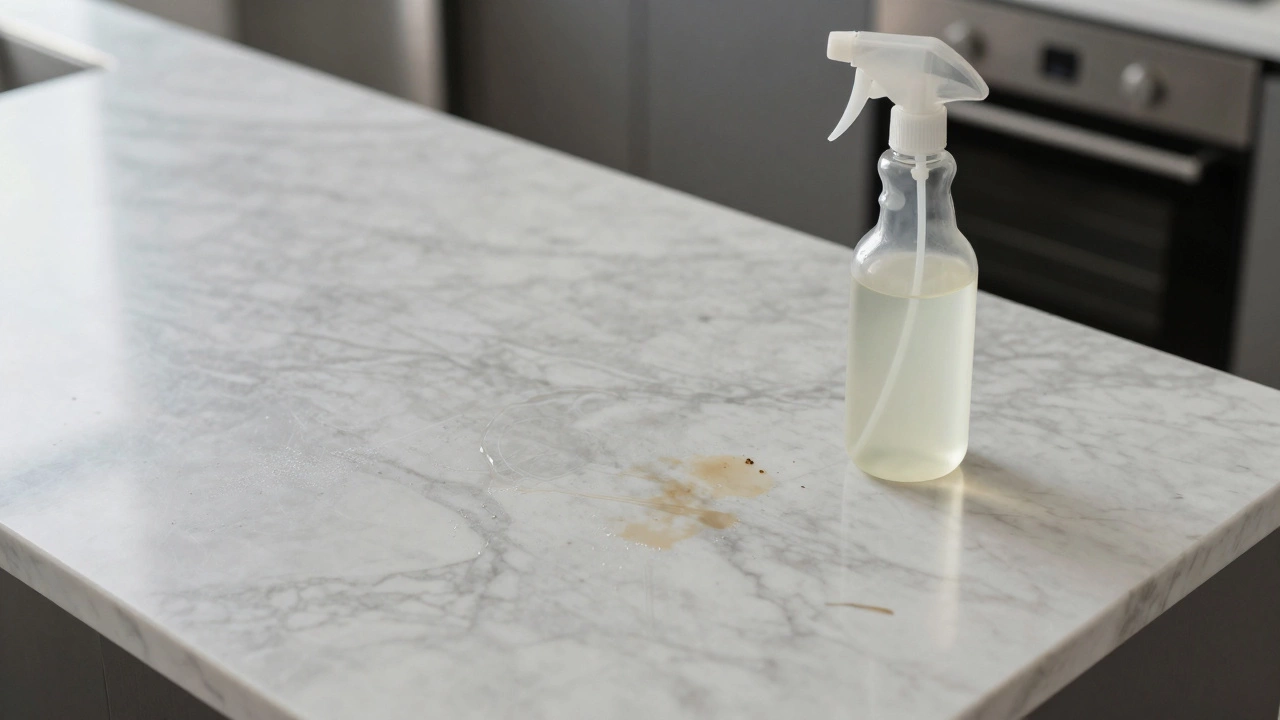
Vinegar is acidic. That’s why it cuts through grease and kills mold. But that same acidity eats away at natural stone. Marble, granite, and limestone are porous and sensitive to acid. If you wipe down your marble countertop with vinegar, you won’t see an immediate stain. Instead, the surface slowly loses its shine. Over time, it becomes dull, etched, and rough to the touch. A 2023 study from the National Association of Home Builders found that 68% of homeowners who used vinegar on stone countertops reported visible damage within 6 months. Once etched, stone can’t be fixed with a wipe - you need professional refinishing.
Hardwood Floors
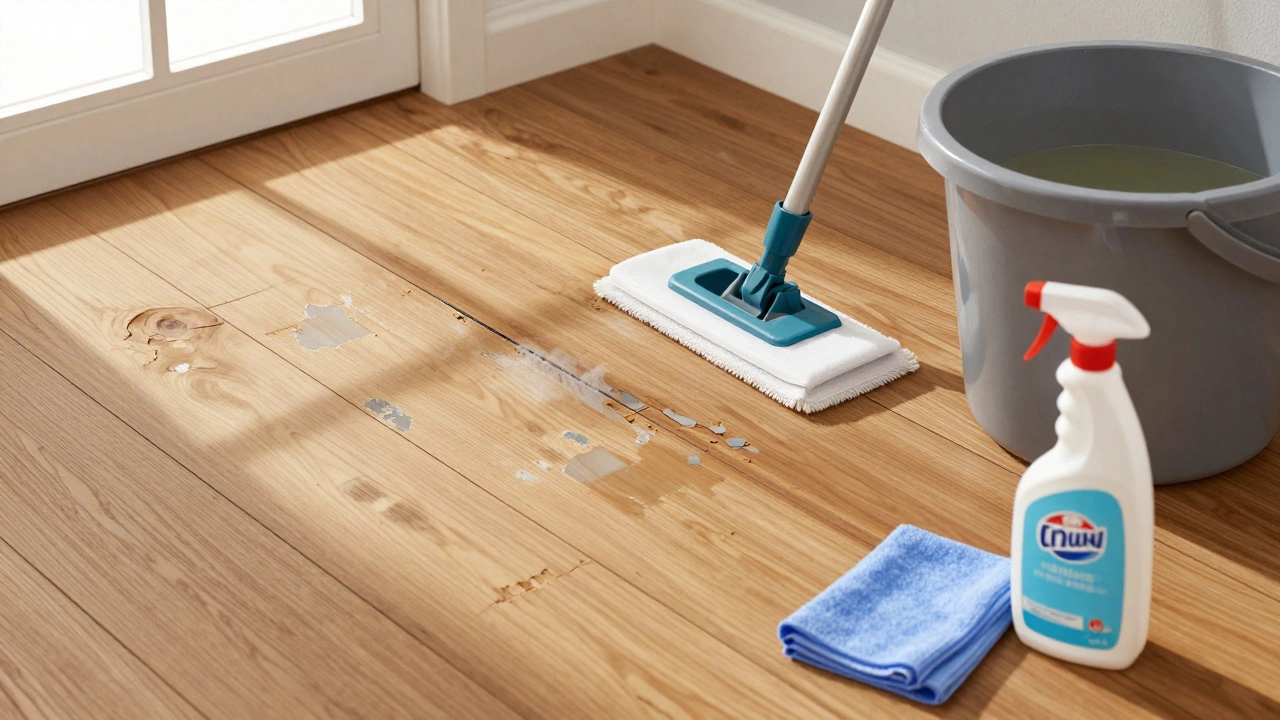
You might think vinegar is safe for wood because it’s natural. But wood floors have a protective finish - usually polyurethane or wax. Vinegar breaks down that finish over time. It doesn’t strip the wood right away, but repeated use leaves the surface looking cloudy and worn. Worse, it can cause the wood to swell slightly, leading to gaps between boards. A homeowner in Manchester told me her oak floor looked like it had been sandblasted after six months of weekly vinegar cleaning. She switched to a pH-neutral wood cleaner and noticed the shine coming back in weeks.
Aluminum and Cast Iron
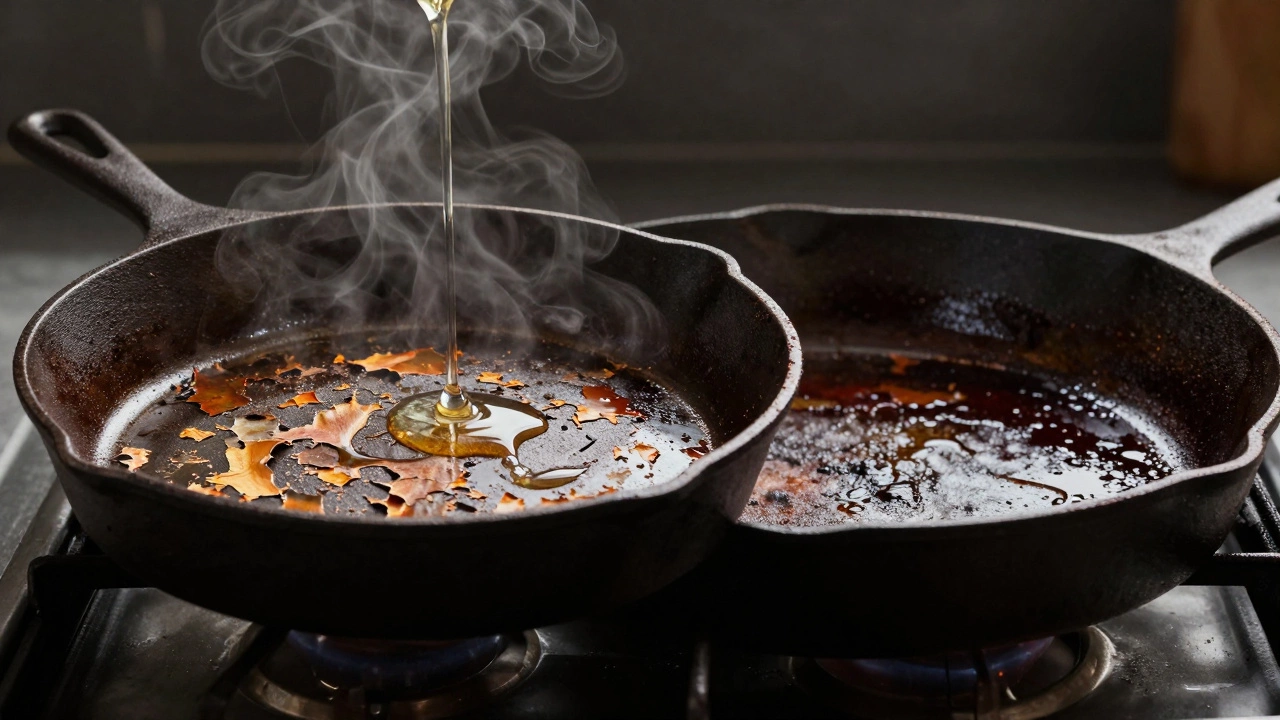
Don’t use vinegar on aluminum pots, pans, or window frames. It causes oxidation - that chalky white residue you see on old baking sheets? That’s vinegar reacting with aluminum. It’s not just ugly; it can weaken the metal over time. Cast iron is even more sensitive. Vinegar strips away the seasoning - the oily layer that makes cast iron non-stick. Once that’s gone, food sticks, rust forms, and you’re stuck re-seasoning the whole pan from scratch. I’ve seen people ruin a $200 cast iron skillet with three cleanings. Don’t risk it.
Electronic Screens and Devices
Vinegar is fine for glass, but not for screens. Laptop screens, tablets, TVs - they all have anti-glare or oleophobic coatings. Vinegar can dissolve those coatings, leaving streaks, spots, or permanent haze. Even a light mist can do damage. I’ve seen people clean their iPad with vinegar and a cloth, only to find the screen looks like it’s covered in fog. Use a microfiber cloth slightly dampened with water. If you need more power, use a cleaner made for electronics. Vinegar doesn’t belong here.
Washing Machines (Especially Front-Loaders)
Vinegar is often recommended to clean washing machines. But here’s the catch: it can degrade rubber seals and hoses. Front-loading machines have thick rubber gaskets that keep water in. Vinegar makes them brittle. Over time, they crack and leak. A 2024 report from the Appliance Repair Association showed that 41% of front-loader repairs due to leaks were linked to vinegar use. If you want to freshen your machine, run a hot cycle with baking soda instead. It’s just as effective and won’t eat your seals.
Grout and Unsealed Tile
Vinegar can clean grout - if it’s sealed. Unsealed grout is like a sponge. Vinegar soaks in, loosens the cement, and weakens the bond between tiles. You’ll start noticing gaps, crumbling edges, or tiles that feel loose. The same goes for unsealed stone or ceramic tiles. Once the grout goes, water gets behind it, and mold follows. If you’re not sure if your grout is sealed, test it: drip a drop of water on it. If it beads up, it’s sealed. If it soaks in, skip the vinegar.
Professional-Grade Stainless Steel
Not all stainless steel is the same. High-end appliances often have brushed or fingerprint-resistant finishes. Vinegar can dull those finishes and leave streaks that won’t wipe off. You might think you’re cleaning it - but you’re actually scratching the surface with acid. Stick to stainless steel cleaners made for the job. They’re designed to lift grease without harming the finish.
Wool and Silk Fabrics
Vinegar is sometimes used to remove odors from laundry. But wool and silk are protein-based fibers. Acid breaks them down. A vinegar soak can make your wool sweater feel thin, brittle, or even fall apart in spots. Silk loses its luster and can develop brown stains. If you’re cleaning delicate fabrics, use a pH-balanced detergent. Vinegar has no place in the wash for these materials.
What You Can Clean with Vinegar
Before you toss the bottle, know what it’s good for. Vinegar works great on glass, ceramic tile, plastic, and sealed porcelain. It kills mold on bathroom tiles, removes hard water spots from showerheads, and cleans microwave interiors. It’s also a great degreaser for stovetops - as long as they’re not cast iron. Just dilute it 1:1 with water and wipe with a cloth. Keep it away from the surfaces above, and you’ll be fine.
Alternatives for Sensitive Surfaces
Need to clean stone? Use a pH-neutral stone cleaner. For hardwood, go with a wood-specific cleaner or just water and a damp mop. Aluminum and cast iron? Warm water and mild dish soap. Electronics? A dry microfiber cloth, then one slightly damp with distilled water. For washing machines, skip vinegar and use baking soda. For grout, try a paste of baking soda and water. It’s gentle, effective, and won’t eat away at your home.
Final Rule: When in Doubt, Test First
Before you pour vinegar anywhere, test it in a hidden spot. A corner, the back of a cabinet, under the sink - anywhere you won’t notice if it gets damaged. Wait 24 hours. Look for discoloration, dullness, or texture changes. If anything looks off, don’t use it. There’s no shame in not using vinegar. Better to clean less effectively than to ruin something expensive.
Can I use vinegar to clean my granite countertop?
No. Vinegar is acidic and will etch granite over time, dulling its shine and weakening the sealant. Even occasional use can cause permanent damage. Use a pH-neutral stone cleaner instead.
Is vinegar safe for wood floors?
Not long-term. Vinegar breaks down the protective finish on wood floors, leaving them cloudy and prone to water damage. Repeated use can cause warping or gaps between boards. Use a cleaner made for hardwood instead.
Why does vinegar damage cast iron pans?
Cast iron pans rely on a layer of polymerized oil called seasoning for non-stick performance. Vinegar strips away this layer because it’s acidic. Once removed, food sticks and rust forms. Always clean cast iron with hot water and a brush - no vinegar.
Can vinegar clean my washing machine?
It can, but it’s risky. Vinegar can degrade rubber seals and hoses in front-loading machines, leading to leaks. A 2024 repair study found 41% of vinegar-related leaks came from this issue. Use baking soda instead - it deodorizes without damaging seals.
What should I use to clean electronic screens?
Use a dry microfiber cloth first. If you need moisture, dampen it with distilled water - never vinegar. Vinegar can dissolve anti-glare and fingerprint coatings, leaving permanent haze or streaks.