Window Cleaning Solution Calculator
Configuration
Your Recipe
Enter your details and click calculate to see the recommended mixture.
There is nothing more annoying than looking out at a beautiful sunny day in Sheffield, only to be blocked by a film of grime, bird droppings, and hard water spots on your glass. You want that crystal-clear view, but you also don't want to spend hours scrubbing or buying expensive chemicals that damage your frames. The short answer? The best thing to wash outside windows with is a simple mixture of warm water and a few drops of washing-up liquid, applied with a soft brush and finished with a high-quality rubber squeegee.
Forget the fancy sprays that promise miracles. Most professional cleaners use basic tools and techniques because they work faster and leave fewer streaks. In this guide, we will break down exactly what supplies you need, how to mix the perfect solution, and the step-by-step method to get those exterior panes sparkling without risking injury or damaging your property.
The Essential Toolkit for Exterior Window Cleaning
Before you climb onto a ladder or even step outside, you need the right gear. Using the wrong tool can scratch your glass or make the job take twice as long. Here is what you actually need to have in your bucket before you start.
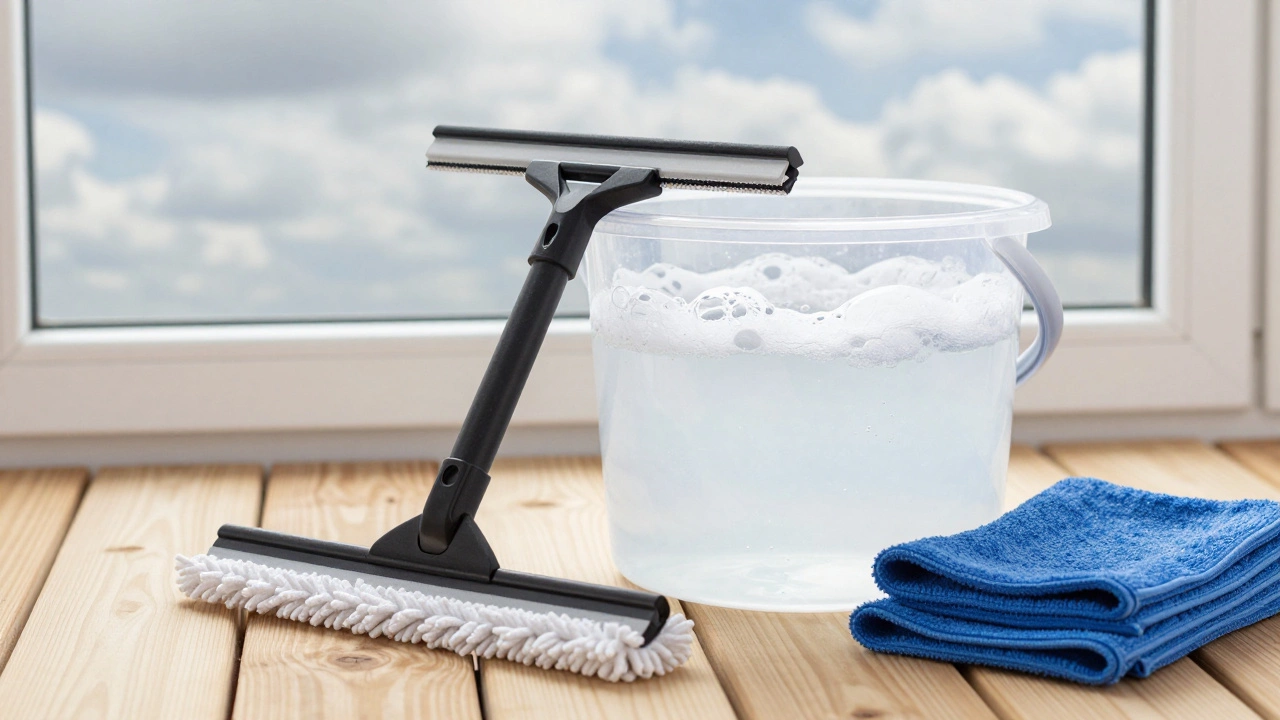
- A High-Quality Squeegee: This is non-negotiable if you want professional results. Look for one with a replaceable rubber blade. For standard residential windows, a 10-inch or 12-inch blade is usually ideal. It should feel comfortable in your hand and not wobble.
- A Window Scrubber (T-Bar): This is a handle with a sleeve made of microfiber or lambswool. It holds the soapy water against the glass so you can scrub away dirt without using excessive pressure. Microfiber is great for general grime; lambswool is better for holding more water and reaching higher spots if attached to an extension pole.
- A Clean Bucket: Use a dedicated bucket for windows. If you’ve used it for mopping floors or washing cars, the residue will ruin your finish. Two buckets are even better-one for soapy water and one for rinsing your scrubber.
- Microfiber Cloths: You will need these for drying the edges of the frame and touching up any missed drips. Avoid old t-shirts or paper towels, which shed lint and scratch glass.
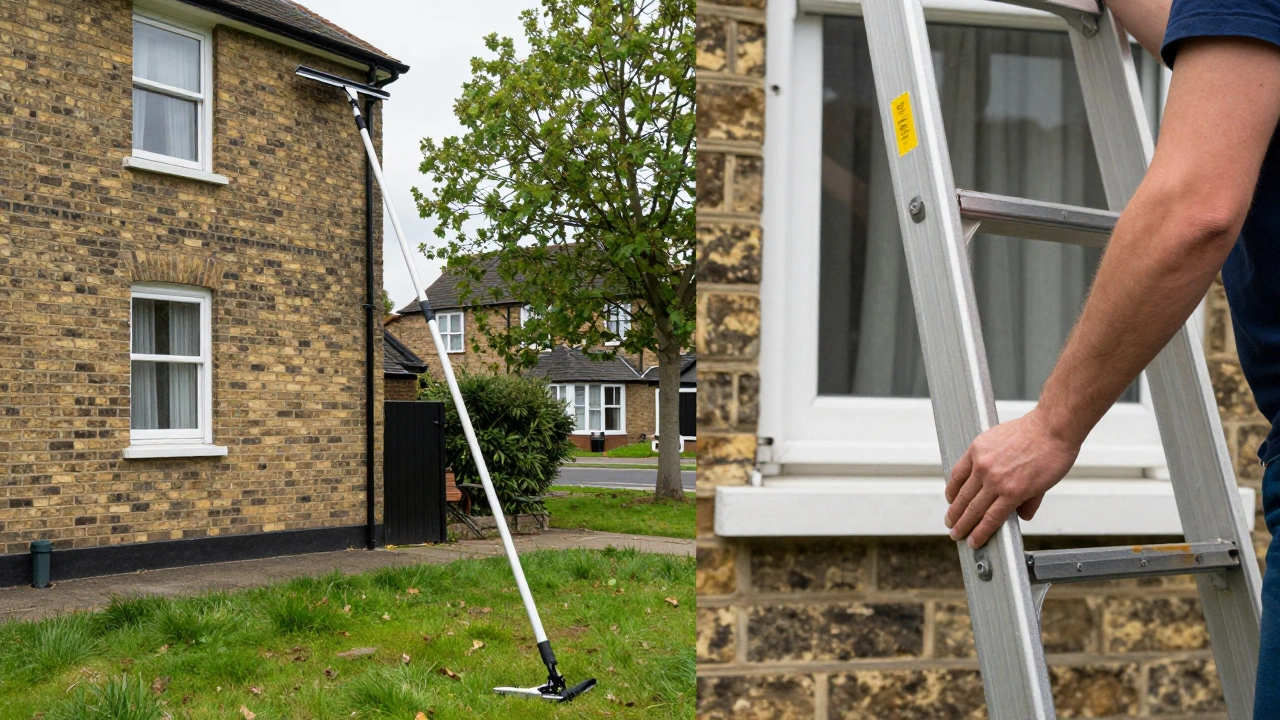
- An Extension Pole: For second-story windows, a telescopic pole allows you to reach from the ground safely. Never overreach on a ladder.
Notice what isn’t on this list? Ammonia-based cleaners like Windex. While popular indoors, ammonia can damage vinyl frames and is harsh on the environment. For outside windows, where dirt is heavier, mechanical action (scrubbing) matters more than chemical strength.
Mixing the Perfect Cleaning Solution
You do not need to buy pre-mixed bottles. In fact, making your own solution is cheaper, safer, and often more effective for exterior dirt. The goal is to create a lubricant that lifts dirt off the glass without leaving a residue.
Here is the gold-standard recipe used by many professionals:
- Fill your bucket with warm water. Hot water helps dissolve grease, but warm is safer for your hands and prevents rapid evaporation on hot days.
- Add about one teaspoon of mild washing-up liquid (dish soap) per gallon of water. Do not add too much! Excess soap creates suds that are hard to rinse off and lead to streaks.
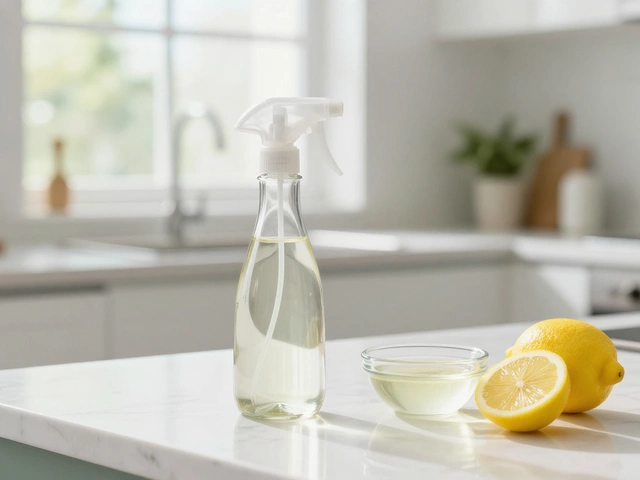
- If you live in an area with hard water (common in parts of the UK), add a splash of white vinegar. Vinegar helps break down mineral deposits and limescale. However, avoid vinegar if you have natural stone sills nearby, as the acid can etch the stone.
For stubborn stains like tree sap or heavy bird droppings, keep a small spray bottle of undiluted vinegar or a specialized glass stain remover handy. Apply these directly to the spot before you begin the main wash.
| Agent | Best For | Risks/Drawbacks |
|---|---|---|
| Dish Soap & Water | General grime, dust, pollen | Too much soap causes streaks |
| Vinegar Solution | Hard water spots, mineral buildup | Can damage stone sills; strong smell |
| Ammonia-Based Sprays | Glass-only surfaces (indoor) | Damages vinyl/wood frames; toxic fumes |
| Isopropyl Alcohol | Fingerprints, oily residues | Evaporates quickly; flammable |
Step-by-Step: How to Wash Outside Windows Like a Pro
Having the right stuff is half the battle. The other half is technique. If you just spray and wipe, you will end up with streaks. Follow this process to ensure a clean, dry finish every time.
1. Check the Weather
This seems obvious, but it’s the most common mistake. Never clean windows in direct sunlight or on a windy day. Sunlight causes the cleaning solution to evaporate before you can squeegee it, leaving instant streaks. Wind blows dust back onto wet glass. Aim for an overcast day or early morning/evening when the glass is cool and shaded.
2. Pre-Rinse the Glass
Use a hose with a spray nozzle to rinse the window from top to bottom. This removes loose dirt, cobwebs, and grit. If you skip this step, you will grind that grit into the glass when you scrub, causing fine scratches.
3. Scrub the Surface
Dip your T-bar scrubber into the soapy water. Wring it out slightly so it’s damp, not dripping. Start at the top corner of the window and scrub in an 'S' pattern across the entire pane. Don’t forget the corners and edges where dirt accumulates. Also, scrub the frame and sill lightly to prevent dirty runoff from dripping back onto the clean glass later.
4. The Squeegee Technique
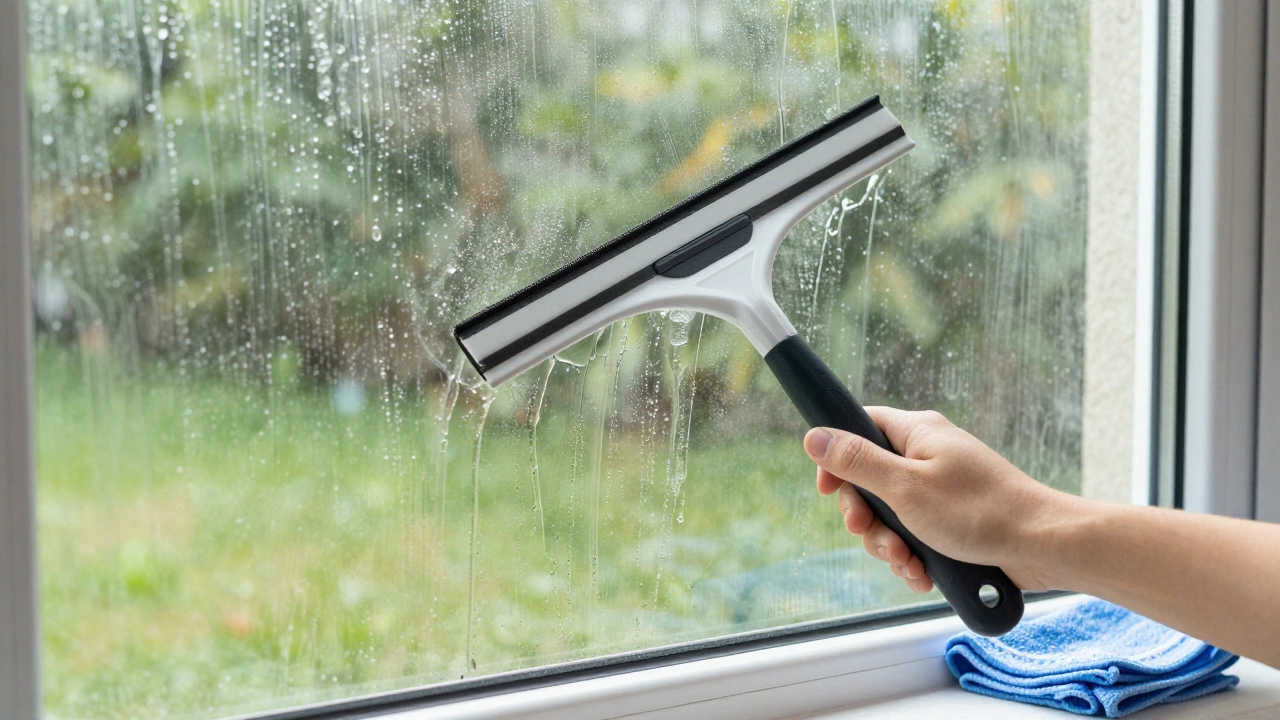
This is where the magic happens. Ensure your squeegee blade is clean and flexible. Place the squeegee at the top edge of the window, trapping the rubber against the glass. Pull it straight down in a smooth, continuous motion. Do not press too hard; let the rubber do the work.
After each stroke, wipe the blade with a dry microfiber cloth. Then, overlap the next stroke slightly with the previous one. Continue until you reach the bottom. For wide windows, you may need to move horizontally after the vertical strokes, but always maintain a consistent direction to avoid re-depositing dirt.
5. Detail the Edges
Even with a perfect squeegee job, a thin line of water will remain along the edges. Use your dry microfiber cloth to dab (don’t rub) these edges. This catches any drips and ensures the frame is dry, preventing water marks on wood or metal.
Safety First: Working at Heights
Cleaning exterior windows often involves heights. Safety must be your priority. Falling from a ladder is a leading cause of home injury.
- Use Stable Ladders: Ensure your ladder is on level ground. Have someone hold the base if possible. Never stand on the top two rungs of a stepladder.
- Extension Poles Are Safer: For second-story windows, use a telescopic pole with a squeegee attachment. This keeps both feet firmly on the ground.
- Check Your Surroundings: Watch out for overhead power lines, especially when extending poles or moving ladders.
- Don’t Overreach: Keep your belt buckle between the ladder rails. If you have to lean too far, move the ladder instead.
Tackling Tough Stains and Hard Water
Living in the UK means dealing with rain and hard water. Over time, minerals build up on exterior glass, creating cloudy white spots that regular soap won’t remove. Here is how to handle specific problems:
Hard Water Spots: Mix equal parts white vinegar and water. Spray generously on the affected areas and let it sit for five minutes. Scrub gently with a non-abrasive pad, then squeegee. For severe cases, a commercial calcium remover designed for glass may be necessary.
Bird Droppings: These are acidic and can etch glass if left too long. Soften them with warm water first. Do not scrape dry droppings with a razor blade unless you are experienced, as this can scratch the surface. Once softened, wipe away and clean normally.
Tree Sap: Apply a small amount of rubbing alcohol or oil (like olive oil) to a cloth. Rub the sap gently until it dissolves, then clean the area with soapy water to remove the oil residue.
Maintaining Your Tools
Your tools affect your results. A dirty squeegee blade will streak every window. After each use, rinse your scrubber and squeegee thoroughly. Store them in a dry place to prevent mold growth on the microfiber sleeves. Inspect your squeegee rubber regularly; if it has nicks, tears, or hardening, replace the blade. A worn blade cannot seal against the glass, leading to messy finishes.
When to Call a Professional
While DIY cleaning works well for ground-floor and easily accessible windows, some situations require experts. If you have multi-story buildings, skylights, or fragile historic windows, hiring a professional is safer and often more cost-effective. Professionals have industrial-grade equipment, insurance, and training to handle heights and delicate surfaces. They can also treat persistent hard water issues with steam cleaning or specialized coatings that repel dirt for months.
Remember, the best thing to wash outside windows with isn’t a secret chemical-it’s the right combination of simple ingredients, proper tools, and careful technique. By following these steps, you’ll enjoy clear views and save money on expensive cleaners and service calls.
Can I use Windex to clean outside windows?
You can, but it’s not recommended for exterior use. Windex contains ammonia, which can degrade vinyl, aluminum, and wooden window frames over time. It also evaporates quickly in sunlight, making it difficult to squeegee effectively outdoors. Stick to a mild dish soap and water solution for safer, more effective results.
How often should I clean my outside windows?
Generally, twice a year is sufficient for most homes-once in spring and once in autumn. However, if you live near a busy road, construction site, or dense trees, you may need to clean them every three to four months to remove dust, pollen, and sap buildup.
Why do my windows still look streaky after cleaning?
Streaks are usually caused by three things: using too much soap, cleaning in direct sunlight, or having a dirty/damaged squeegee blade. Ensure your blade is wiped clean after every stroke, use minimal soap, and clean on an overcast day to allow enough working time.
Is it safe to use a razor blade on glass?
Yes, but with caution. Razor blades are excellent for removing paint overspray, stickers, or hardened sap. Always keep the blade at a 45-degree angle and ensure the glass is wet to reduce friction. Never use a razor blade on tinted windows, as it can strip the film.
What is the best way to clean double-glazed windows from the outside?
Double glazing doesn’t change the cleaning method, but safety does. If the outer pane is inaccessible from the ground, use an extension pole with a squeegee attachment. If you must use a ladder, ensure it is stable and never overreach. For very high windows, consider hiring a professional with rope-access training.