Natural Cleaner Surface Matcher
Select a surface below to discover which natural cleaning liquids are safe and effective, and which ones you must avoid.
Select a Surface:
Select a surface to see recommendations
Most of us have stood in the cleaning aisle, staring at a wall of colorful bottles, wondering which one actually works without poisoning our homes. You want something that cuts through grease on your stove but won't leave you coughing up a lung from harsh fumes. The search for the natural cleaning liquid is no longer just about being 'green'-it’s about health, safety, and saving money.
The truth is, there isn't one single magic bottle that does everything perfectly. However, a few standout options dominate the market in 2026 because they balance potency with safety. Whether you prefer buying ready-made eco-brands or mixing your own solutions, knowing what ingredients actually work will save you time and cash.
Is white vinegar really the best natural cleaner?
White vinegar is excellent for descaling, removing odors, and cutting light grease due to its acidity (5% acetic acid). However, it is not effective against heavy mold or tough baked-on food. It should never be used on natural stone like marble or granite, as the acid etches the surface.
Can I use hydrogen peroxide as an all-purpose cleaner?
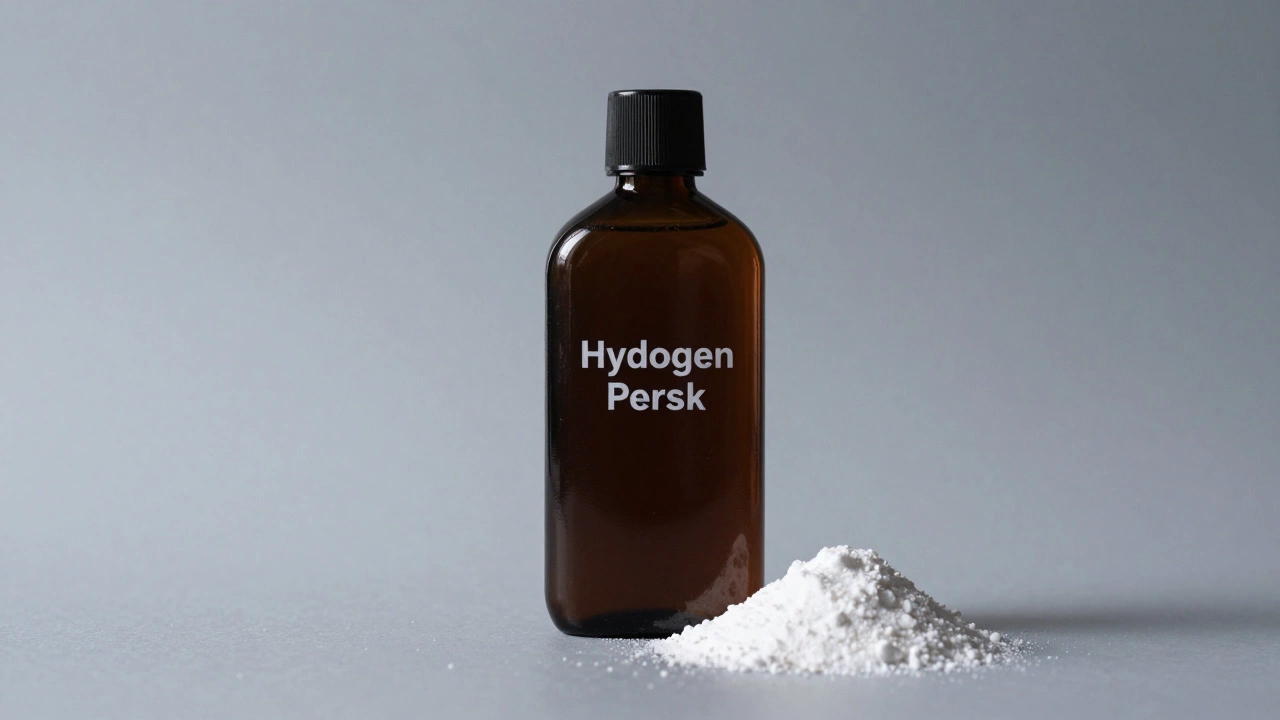
Hydrogen peroxide (3%) is a powerful disinfectant and bleach alternative, great for killing bacteria and whitening surfaces. It breaks down into water and oxygen, making it very safe. Store it in a dark bottle because light degrades its effectiveness quickly.
Are commercial eco-friendly cleaners better than DIY mixes?
Commercial brands offer convenience, consistent pH levels, and surfactants that lift dirt better than simple DIY mixes. They are often tested for safety and efficacy. DIY mixes are cheaper and allow full control over ingredients but may lack the degreasing power of formulated soaps.
What is the safest natural cleaner for pets and children?
Diluted Castile soap is generally considered the safest option for homes with pets and kids. It is plant-based, non-toxic if ingested in small amounts, and biodegradable. Avoid essential oils like tea tree or eucalyptus, which can be toxic to cats and dogs.
Why shouldn't I mix vinegar and bleach?
Mixing vinegar (acid) with bleach creates chlorine gas, which is highly toxic and can cause severe respiratory damage. Even with natural cleaners, always avoid mixing acids with oxidizers like hydrogen peroxide or bleach unless you are following a specific, safe protocol.
The Gold Standard: White Vinegar Solutions
When people talk about natural cleaning, White Vinegar is a diluted acetic acid solution typically sold at 5% concentration, widely used for its disinfecting and descaling properties almost always comes up first. And for good reason. It’s cheap, accessible, and surprisingly effective at breaking down mineral deposits, soap scum, and sticky residues.
Vinegar works because it’s acidic. That acidity dissolves alkaline messes like hard water stains on your showerhead or limescale on your kettle. But here’s the catch: vinegar isn’t a soap. It doesn’t lift grease well on its own. If you try to clean a greasy stovetop with just straight vinegar, you’ll likely end up spreading the oil around rather than removing it.
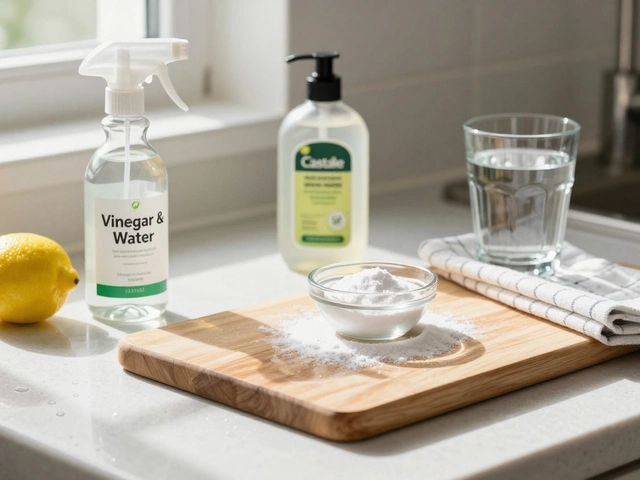
To make vinegar a true all-purpose liquid, you need to pair it with a surfactant. A common and effective recipe involves mixing equal parts white vinegar and water, then adding a tablespoon of Castile Soap is a plant-based, biodegradable soap made from olive, coconut, or hemp oil, known for its gentle yet effective cleaning abilities. This combination gives you the descaling power of vinegar and the grease-cutting ability of soap. Spray it on countertops, wipe it down, and you’re done. Just remember: never use vinegar on marble, granite, or other natural stones. The acid will etch the surface, leaving dull spots that are nearly impossible to fix.
The Heavy Hitter: Hydrogen Peroxide
If you need to disinfect, Hydrogen Peroxide is a colorless liquid chemical compound with the formula H2O2, commonly used as an antiseptic and bleaching agent in concentrations of 3% is your best friend. Unlike bleach, which leaves behind toxic residues, hydrogen peroxide breaks down into water and oxygen after it does its job. This makes it incredibly safe for indoor air quality.
A standard 3% solution from the pharmacy is strong enough to kill most common household bacteria, viruses, and mold spores. It’s particularly useful for sanitizing cutting boards, bathroom tiles, and even fresh fruit. One pro tip: store your hydrogen peroxide in a dark brown bottle. Light degrades it rapidly, turning it into plain water. If your bottle looks clear and thin, it’s probably already lost its potency.
You can also boost its cleaning power by combining it with baking soda to create a paste for scrubbing grout or sinks. The fizzing reaction helps lift embedded dirt. However, don’t mix it with vinegar in the same bottle. While some old wives’ tales suggest this creates a super-cleaner, the acid neutralizes the peroxide’s effectiveness before it can do any good. Use them separately for best results.
Ready-Made Eco-Brands Worth Buying
Mixing your own cleaners is satisfying and cheap, but sometimes you just want to grab a bottle and go. In 2026, the market for Eco-Friendly Cleaners is commercial cleaning products formulated with biodegradable, non-toxic ingredients, often certified by third-party organizations like EPA Safer Choice or Leaping Bunny has matured significantly. Brands are no longer just marketing 'green' vibes; they are delivering performance that rivals traditional chemicals.
Look for certifications. Labels like EPA Safer Choice, Green Seal, or Leaping Bunny verify that the product meets strict environmental and safety standards. Without these, 'natural' can be a vague marketing term. Here are a few types of commercial liquids that consistently perform well:
- Plant-Based All-Purpose Sprays: These usually rely on citric acid and plant-derived surfactants. They smell better than vinegar and cut through kitchen grease effectively.
- Concentrated Refills: Brands that sell small tablets or concentrated liquids you dilute with tap water reduce plastic waste significantly. You buy one bottle and reuse it forever.
- Bio-Enzymatic Cleaners: These use living enzymes to break down organic matter like pet urine, vomit, or food spills. They are odor-neutralizing rather than just masking smells with perfume.
When choosing a brand, check the ingredient list. If you see terms like 'quaternary ammonium compounds' or 'synthetic fragrances,' put it back. True natural cleaners list ingredients you recognize, like sodium lauryl sulfate (plant-derived), citric acid, and essential oils.
| Cleaner Type | Best For | Key Ingredient | Safety Note |
|---|---|---|---|
| White Vinegar Mix | Glass, Descaling, Odors | Acetic Acid (5%) | Avoid on natural stone |
| Hydrogen Peroxide | Disinfecting, Bleaching | H2O2 (3%) | Store in dark; don't mix with vinegar |
| Castile Soap Dilution | Floors, Surfaces, Pets | Olive/Coconut Oil | Non-toxic; avoid essential oils for pets |
| Commercial Plant-Based | All-Purpose, Convenience | Citric Acid/Surfactants | Check for synthetic fragrances |
The Unsung Hero: Castile Soap
If you only buy one natural cleaning liquid, let it be Castile Soap is a versatile, plant-based soap originally made from olive oil, now often including coconut, hemp, or nut oils, suitable for multiple cleaning tasks. Originally developed in Spain using olive oil, modern versions often include coconut or hemp oil for better lathering. It’s incredibly versatile. You can use it to wash dishes, mop floors, clean laundry, and even bathe your dog.
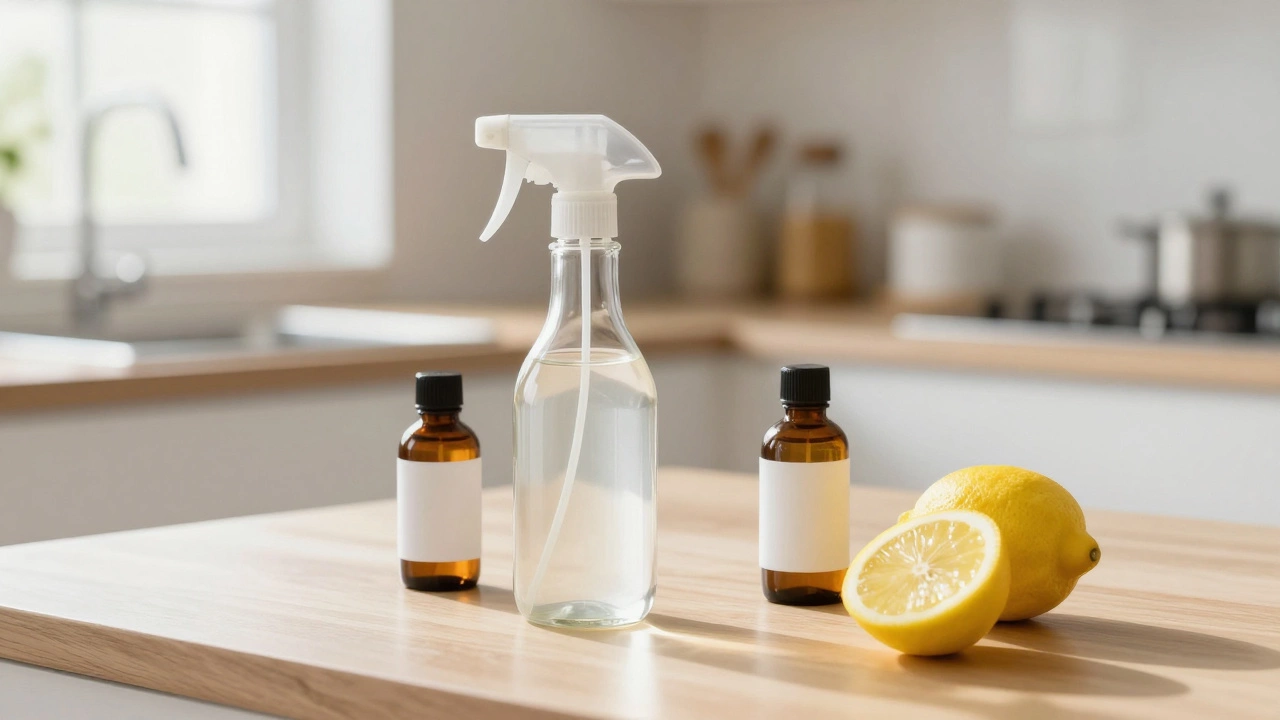
The key with Castile soap is dilution. Pure soap is too thick and concentrated for most cleaning tasks. For a general surface cleaner, mix one part Castile soap with ten parts warm water. Add a few drops of lemon essential oil if you want a fresh scent and extra antibacterial properties. This mixture is gentle enough for baby toys and strong enough to handle daily kitchen grime.
One advantage of Castile soap over vinegar is that it’s pH neutral to slightly alkaline. This means it won’t damage delicate surfaces like wood finishes or natural stone. It’s also biodegradable, meaning it breaks down harmlessly in wastewater, protecting local waterways from chemical pollution.
Essential Oils: More Than Just Smell
While not a cleaning liquid on their own, Essential Oils are concentrated hydrophobic liquids containing volatile aroma compounds from plants, often added to cleaners for fragrance and antimicrobial properties play a crucial role in natural cleaning routines. They provide the scent that makes cleaning feel pleasant, but many also have genuine antimicrobial benefits.
Tee tree oil is a powerhouse against mold and mildew. Adding ten drops to your vinegar spray can boost its antifungal capabilities. Lemon oil contains d-limonene, a solvent that cuts through grease remarkably well. Peppermint oil repels ants and spiders, making it a great addition to floor cleaners in spring and summer.
However, caution is needed. Essential oils are potent. Some, like tea tree, eucalyptus, and pennyroyal, are toxic to cats and dogs if ingested or absorbed through their paws. If you have pets, stick to pet-safe oils like lavender or chamomile, or skip them entirely and rely on the natural scent of citrus peels or herbs.
Common Mistakes to Avoid
Switching to natural cleaners requires a shift in mindset. Traditional chemicals often contain solvents that dissolve dirt instantly. Natural ingredients usually require a bit more elbow grease or dwell time. Here are three common pitfalls:
- Expecting Instant Results: Let your natural spray sit for five to ten minutes before wiping. This allows the acids or enzymes to break down the bond between the dirt and the surface.
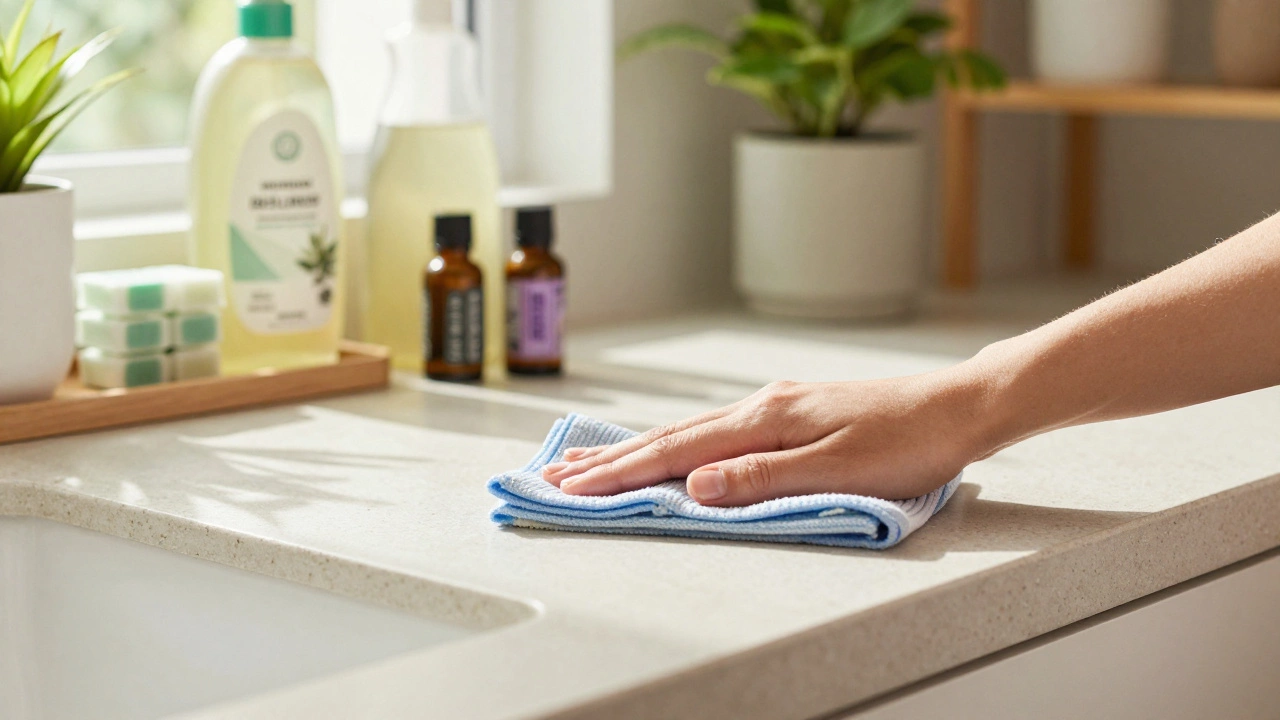
- Using Dirty Tools: Natural cleaners are less aggressive, so using a grimy rag will just spread bacteria. Invest in microfiber cloths, which trap dust and germs mechanically without needing harsh chemicals.
- Mixing Random Ingredients: As mentioned, never mix vinegar with bleach or hydrogen peroxide. Stick to proven combinations like vinegar + soap or peroxide + baking soda.
Final Thoughts on Choosing Your Cleaner
There is no single 'best' natural cleaning liquid for every situation. For glass and mirrors, vinegar wins. For disinfecting bathrooms, hydrogen peroxide is unmatched. For everyday multi-surface cleaning, a diluted Castile soap solution is safe and effective. And for convenience, a certified eco-friendly commercial brand saves time without compromising values.
The goal of natural cleaning isn't perfection-it's progress. By reducing the amount of synthetic chemicals entering your home and environment, you create a healthier space for your family and the planet. Start with one or two staples, experiment with what works for your home, and adjust as you go. Your lungs, your pets, and the earth will thank you.