When you’re moving out of a rented property, the biggest fear isn’t the deposit deduction-it’s not knowing what the landlord actually expects. You scrubbed the kitchen, wiped the windows, and even cleaned the grout. But then you get a letter saying you owe £200 for "inadequate cleaning." What went wrong?
The answer isn’t complicated. The basic rule of cleaning for end of tenancy is this: return the property to the same clean condition it was in when you moved in. Not better. Not good enough. The same.
This isn’t about being perfect. It’s about being fair. Landlords aren’t looking for a spa-level clean. They’re looking for evidence you didn’t treat the place like a trash can. If the carpet had stains when you arrived? Fine. If you added new ones? That’s your problem.
What Does "Same Condition" Actually Mean?
"Same condition" sounds simple. But in practice, it’s where most people fail. You can’t just say, "I cleaned it." You need to prove it.
Start with the inventory report. If you got one when you moved in-great. If you didn’t, that’s your first mistake. Most tenancy agreements require you to return the property in the same state. Without documentation, you’re arguing in the dark. Tenancy deposit schemes in the UK side with landlords when there’s no move-in evidence.
Look at the details:
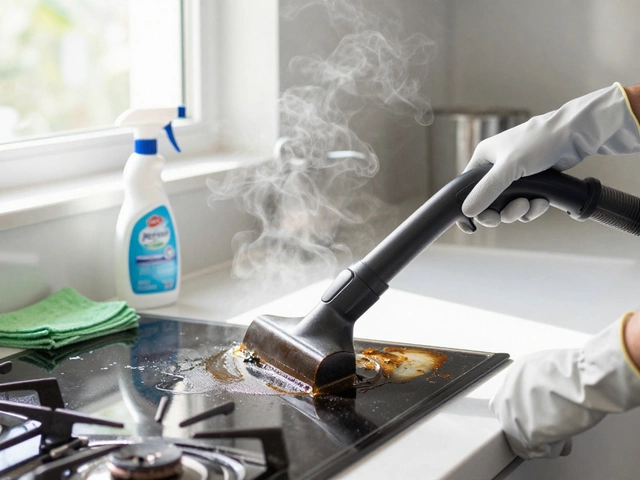
- Was the oven caked with grease? If yes, and it’s still caked now, you owe for cleaning.
- Were the windows streak-free? If they’re smudged now, that’s a deduction.
- Was the bathroom grout discoloured? If it’s blacker now, you didn’t clean it right.
- Were there nail holes in the walls? If you painted over them but didn’t patch and repaint, that’s damage.
It’s not about how clean you made it. It’s about how clean it was when you got it. If the previous tenant left a dirty oven, and you left a clean one? You’re fine. But if you left it dirtier? You pay.
The 5 Areas Landlords Always Check
Not all areas are equal. Some get missed because people think "it’s just a rental." But these five areas are non-negotiable:
- Kitchen - Fridge coils, inside the microwave, under the stove, grease on the extractor fan. These are invisible until the inspector shines a light under the fridge.
- Bathroom - Showerheads, taps, grout lines, mirror edges. Limescale isn’t "normal wear." It’s neglect.
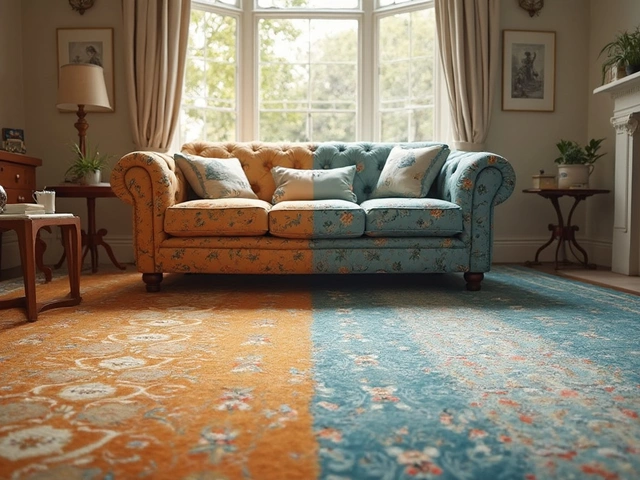
- Flooring - Carpets need deep cleaning, not vacuuming. Hard floors need to be scrubbed, not just swept. Pet odours in carpets? That’s a deposit hit.
- Walls and ceilings - Smudges, scuff marks, fingerprints, especially around light switches and door frames. A quick wipe with a damp cloth fixes this.
- Windows and blinds - Dust inside the tracks, streaks on glass, grimy slats. People forget the inside of the window frame. Landlords notice.
These aren’t "nice to haves." They’re the five areas that cause 80% of deposit disputes. If you nail these, you’re 90% there.
What You Don’t Need to Do
Let’s clear up the myths.
You don’t need to steam-clean the walls. You don’t need to replace broken light bulbs unless they were working when you moved in. You don’t need to re-caulk the bathtub unless you damaged it. You don’t need to deep-clean the fridge if it was already clean.
And here’s the big one: you don’t need to clean like you’re preparing for a magazine photoshoot. Landlords don’t expect marble countertops or showroom-level shine. They expect no grime, no odour, no buildup.
If the landlord says "it needs professional cleaning," they’re allowed to deduct the cost-but only if it’s reasonable. A £150 carpet clean for a 2-bedroom flat? That’s normal. A £400 deep clean for a 1-bedroom with light use? That’s questionable. You can challenge unreasonable charges.
How to Prove You Cleaned
Proving you did the job is just as important as doing it.
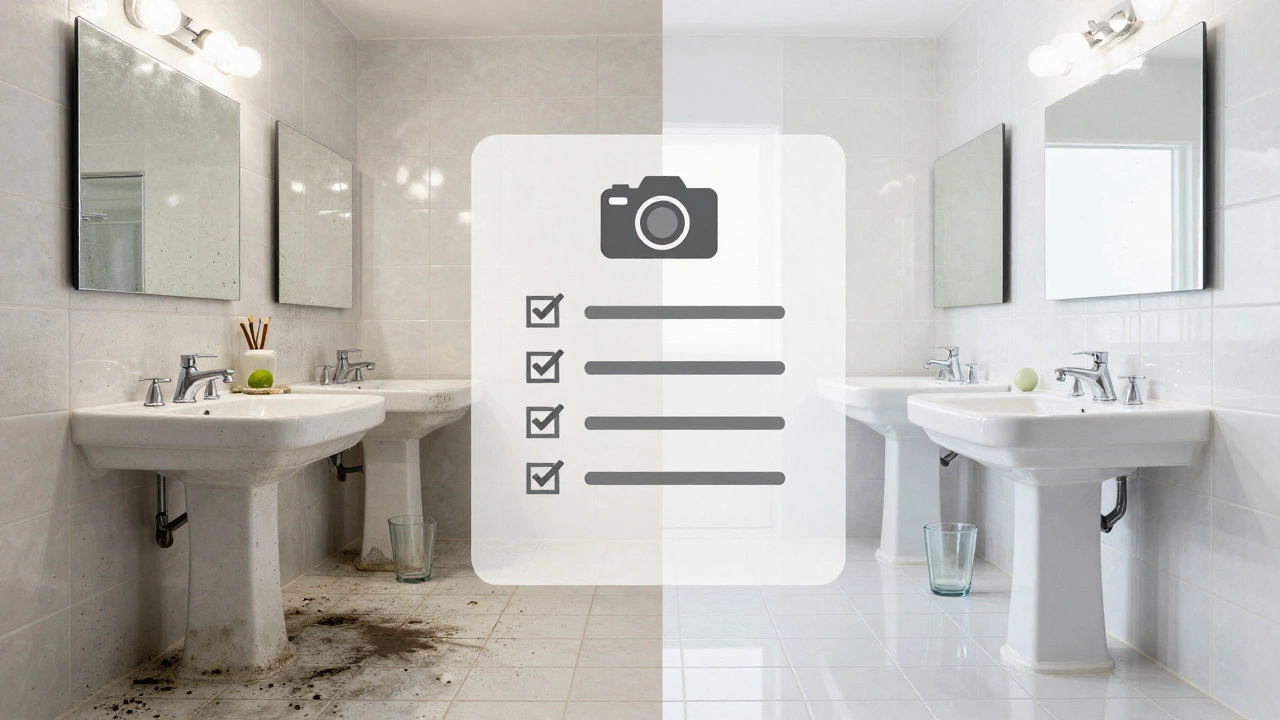
Take photos. Not just one or two. Take a full set: every room, every appliance, every corner. Do it on your last day, after you’ve cleaned. Date and time-stamp them. Email them to yourself and your landlord. Keep a copy.
Also, keep receipts. If you hired a cleaner, keep the invoice. If you bought cleaning supplies, hang onto the receipt. It’s not proof you did the work-but it’s proof you tried. And in a dispute, that matters.
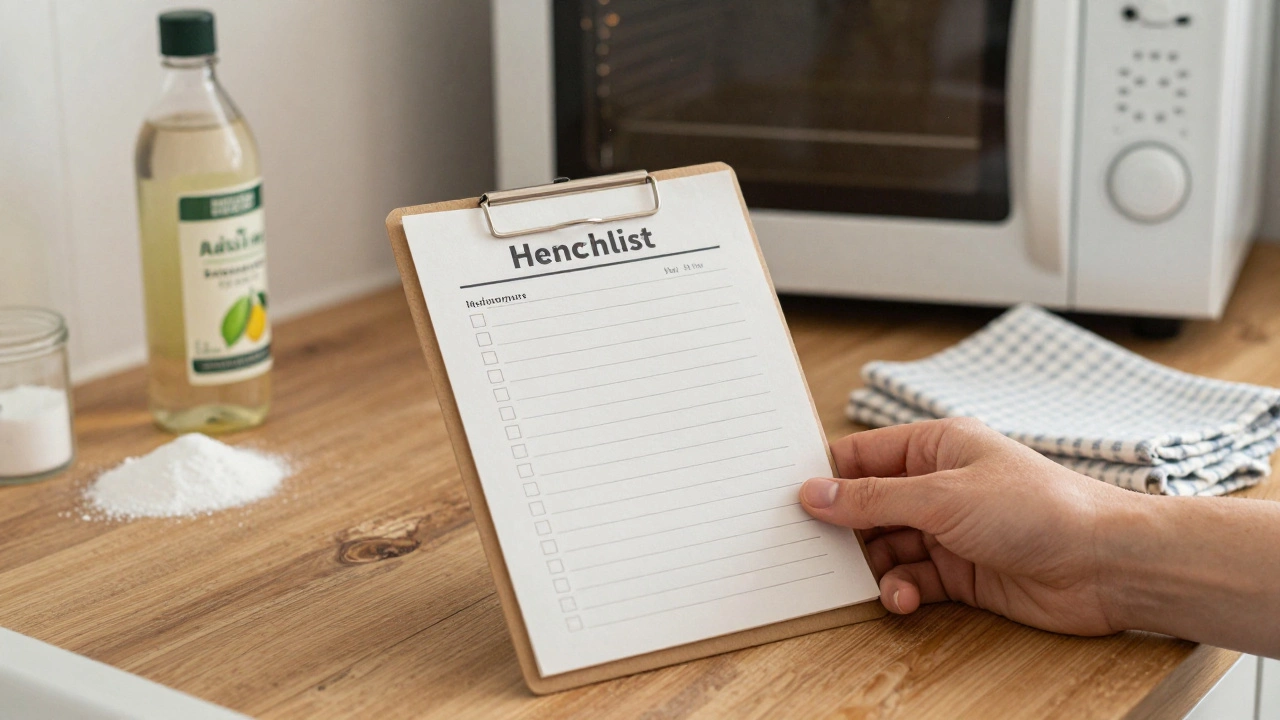
Some people use a cleaning checklist. That’s smart. Print one out, tick off each item, and sign it. Give a copy to your landlord. It shows you followed the rules.
What Happens If You Don’t Meet the Standard?
If your deposit gets withheld, you’ll get a letter from the deposit protection scheme. It’ll list what they’re deducting and why.
First, check the inventory report. If the item they’re charging for was already dirty when you moved in, dispute it. Send your move-in photos.
Second, check if the cost is reasonable. A £100 charge for cleaning a dirty oven? Fine. A £300 charge for cleaning a kitchen you cleaned yourself? Not fine.
Third, check if they used a professional. Landlords can’t just say "we paid £200" and take it. They must provide a quote or invoice from a registered cleaner.
Disputes go to mediation. The scheme doesn’t automatically side with the landlord. You have rights. But you need evidence.
Pro Tips from Someone Who’s Done This 50+ Times
I’ve helped over 50 tenants in Leeds get their full deposit back. Here’s what I’ve learned:
- Start cleaning two weeks before you move. Rushing leads to missed spots.
- Use vinegar and baking soda for grout and limescale. It’s cheap, effective, and doesn’t leave chemical residue.
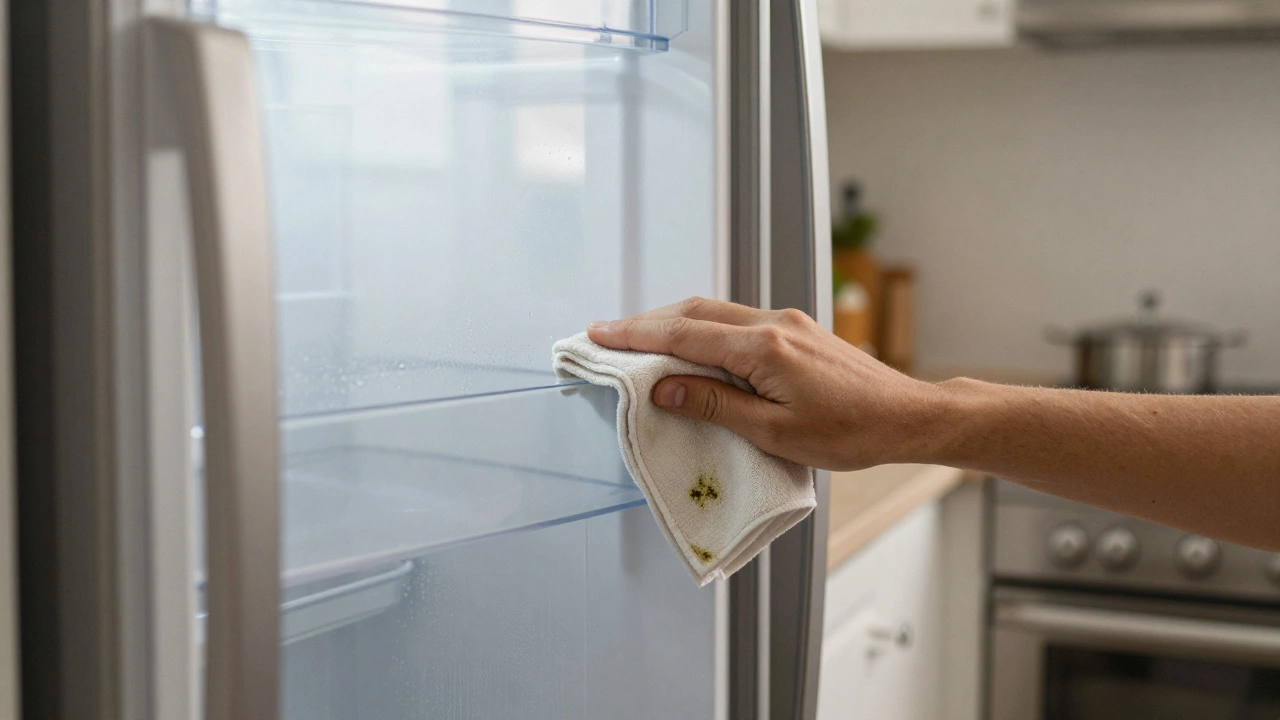
- Don’t forget the inside of the fridge door seal. Mold grows there. It’s a common deduction.
- Wipe down the inside of cabinets. Dust doesn’t count as dirt-but grease and sticky residue does.
- Leave the property empty. Don’t leave boxes, brooms, or cleaning supplies. They’re not yours anymore.
And here’s the secret: clean like you’re staying. Not like you’re leaving. When you clean with care, you don’t miss things. When you clean to get out, you miss everything.
Final Checklist for End of Tenancy Cleaning
Use this before you hand over the keys:
- ☑ Oven cleaned inside and out (no grease, no burnt food)
- ☑ Fridge and freezer defrosted and wiped down
- ☑ Microwave interior wiped clean (no splatters)
- ☑ Sink and taps polished, no limescale
- ☑ Bathroom grout and tiles scrubbed, no mildew
- ☑ Windows cleaned inside and out, tracks dust-free
- ☑ Floors vacuumed and mopped (carpets professionally cleaned if needed)
- ☑ Walls and door frames wiped of marks and smudges
- ☑ Light switches and sockets wiped clean
- ☑ Blinds and curtains dusted (or washed if washable)
- ☑ All rubbish removed, including behind appliances
- ☑ All keys returned, no duplicates left behind
If you tick every box on this list, you’re not just meeting the basic rule-you’re exceeding it. And that’s how you get your deposit back without a fight.
Do I need to hire a professional cleaner for end of tenancy?
No, you don’t have to. But if you’re short on time, unsure about the standards, or dealing with stubborn stains, it’s worth it. Many landlords prefer professional cleaning because it reduces dispute risk. If you clean yourself, make sure you document everything with photos and receipts.
Can my landlord keep my deposit for normal wear and tear?
No. Normal wear and tear-like slightly faded paint, minor scuffs on the floor, or loose hinges-is not your responsibility. Only damage caused by neglect or misuse can be deducted. If your landlord tries to charge you for fading curtains or worn carpet from five years of use, you can dispute it.
What if I didn’t get an inventory report when I moved in?
It’s harder, but not impossible. Take detailed photos on your last day. Write a letter to your landlord explaining the condition when you moved in. If you have any texts, emails, or messages from your landlord or agent confirming the state of the property, use them. The deposit scheme will consider all evidence-not just a signed inventory.
How long do I have to dispute a deposit deduction?
You typically have 30 days after your tenancy ends for the landlord to return your deposit or explain deductions. Once they send the explanation, you have 14 days to dispute it through the deposit protection scheme. Don’t wait-act fast.
Is it worth cleaning the outside of the property?
Only if it’s part of your tenancy agreement. Most end of tenancy rules focus on the inside. But if you have a garden, patio, or balcony, clear out leaves, sweep the area, and remove any rubbish. A tidy outside space shows respect for the property and can prevent small disputes.
What to Do Next
Don’t wait until your last day to start cleaning. Start now. Even if you’ve got three weeks left, begin with the worst areas: the kitchen, the bathroom, the carpets. Clean a little each day. It’s easier than cramming it all in.
Get your photos ready. Print your checklist. Find your move-in notes. If you’re unsure about anything, ask your landlord for clarification. Most are reasonable if you’re polite and proactive.
Getting your full deposit back isn’t luck. It’s preparation. And the basic rule? It’s simple. Return it like you found it. That’s all.