Deep Clean Planner & Cost Estimator
Plan your next deep clean project. Select your home details to estimate time and costs, and use the interactive checklist to ensure you don't miss hidden spots.
You scrub the counters, vacuum the rugs, and maybe even wipe down the fridge door. It looks clean. But is it deep cleaned? Probably not. Most people confuse routine maintenance with a deep clean, leaving behind years of accumulated grime in places they never think to look. If you are hiring a professional or planning a weekend project yourself, knowing exactly what constitutes a deep clean saves money, time, and a lot of frustration.
A standard weekly tidy-up focuses on visible surfaces. A deep clean goes deeper-literally and figuratively. It targets hidden dust, built-up grease, mold spores, and allergens that regular chores miss. Think of it as hitting the reset button on your home’s hygiene. Whether you are preparing for a new baby, moving into a rental, or just feeling overwhelmed by dust bunnies, understanding the scope helps you set realistic expectations.
The Core Difference: Maintenance vs. Deep Cleaning
Let’s clear up the confusion right away. Routine cleaning is about maintaining order. You pick up clothes, do the dishes, and wipe spills. It keeps the chaos at bay. Deep cleaning is restorative. It removes layers of dirt that have settled over months or years.
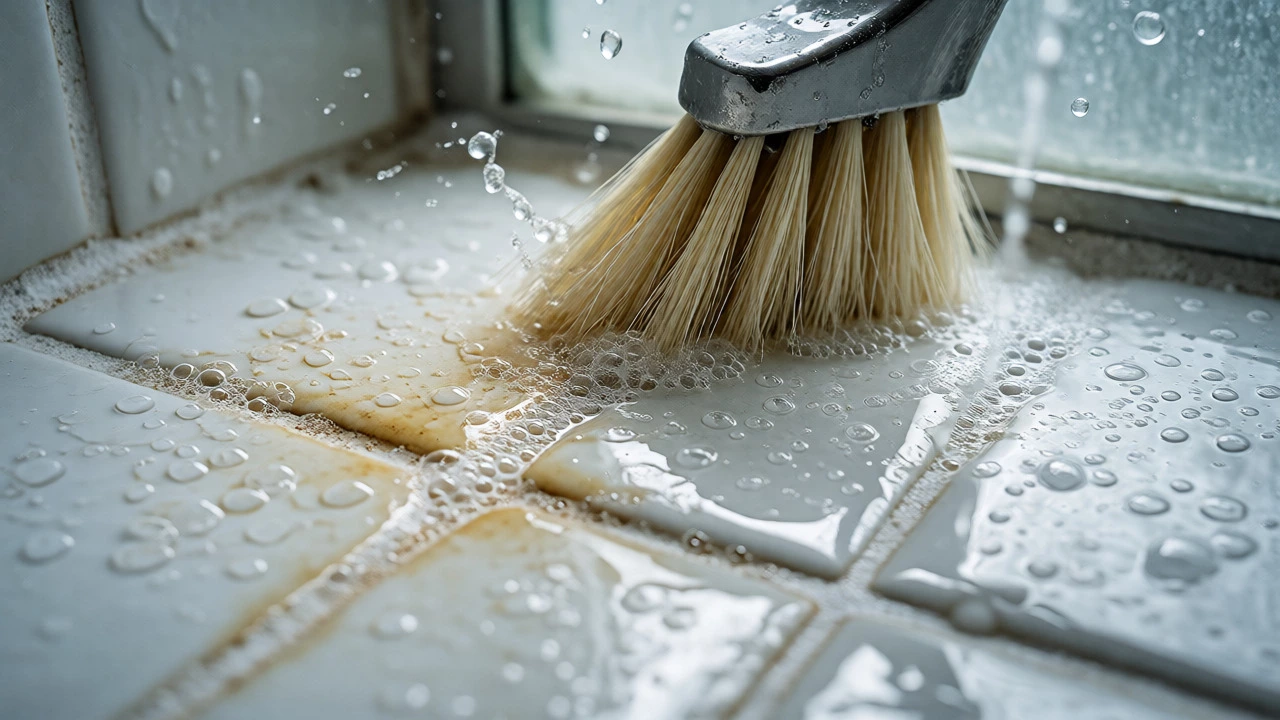
Consider your bathroom tiles. In a routine clean, you might spray them and rinse. In a deep clean, you use an acid-based cleaner to dissolve limescale from the grout lines. The result isn’t just cleaner; it’s healthier. Grout can harbor bacteria and mold that trigger allergies. Ignoring it means living with invisible irritants.
This distinction matters most when you hire help. Many cleaners quote based on square footage but only perform surface tasks. If you don’t specify "deep clean," you might get a quick wipe-down instead of the thorough scrub you paid for. Always ask for a detailed checklist before booking.
Kitchen Deep Clean: Beyond the Countertops
The kitchen is the heart of the home and often the grimiest spot. Grease doesn’t just sit on the stove; it travels. It coats cabinet fronts, light fixtures, and the backsplash. A proper kitchen deep clean tackles these high-grease zones aggressively.
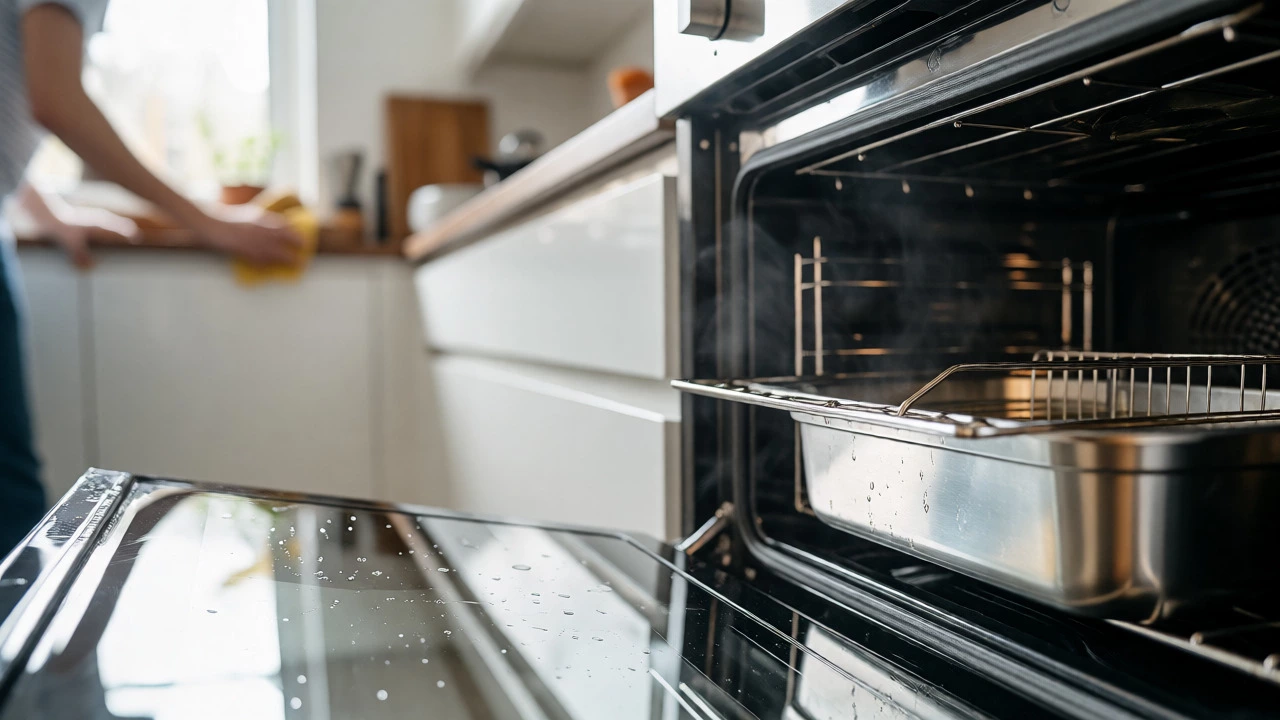
Start with the appliances. This isn’t just wiping the outside of the oven. It means removing the racks, soaking them in degreaser, and scrubbing the interior walls until the glass shines. For the refrigerator, you need to pull everything out, discard expired food, wash the shelves with hot soapy water, and vacuum the condenser coils at the back. Dusty coils make your fridge work harder, raising energy bills.
Cabinets require more than a damp cloth. Use a degreasing agent to cut through the sticky film that accumulates near handles and hinges. Don’t forget the tops of upper cabinets. That layer of grey fluff is a mix of cooking oil vapor and household dust. Wiping it down prevents pests like ants or cockroaches from finding a food source.
- Oven: Interior glass, racks, and exterior handles.
- Fridge/Freezer: Shelves, drawers, seals, and coils.
- Dishwasher: Filter removal and cleaning, plus running a vinegar cycle.
- Microwave: Interior splatter removal using steam (water + lemon).
- Sink: Disposal unit deodorizing and faucet descaling.
Bathroom Sanitization: Tackling Mold and Limescale
Bathrooms are humid environments, which makes them breeding grounds for mold and mildew. A deep clean here is less about aesthetics and more about health. You cannot simply wipe away black mold spots with soap; you need a fungicide or bleach solution to kill the roots.
Focus heavily on the shower and tub. Soap scum builds up on glass doors and tile walls, creating a cloudy film that traps bacteria. Use a squeegee after every shower to prevent this, but during a deep clean, use a specialized stone or tile cleaner to strip it all away. Pay close attention to the grout. If it’s stained yellow or pink, it needs a stiff brush and oxygen-based bleach. Chlorine bleach works too, but it can discolor colored grout, so test a small area first.
Toilets get special treatment. The bowl gets scrubbed with disinfectant, but the base where it meets the floor is often ignored. Urine crystals can accumulate there, causing persistent odors. Pull the toilet slightly if possible (or use a mirror) to check for buildup. Also, clean behind the tank and under the seat hinges, areas where urine splash-back occurs regularly.
| Area | Routine Task | Deep Clean Task |
|---|---|---|
| Kitchen Sink | Rinse daily | Descale faucet, clean disposal, sanitize basin |
| Bathroom Mirror | Wipe smudges | Remove hard water spots with vinegar solution |
| Light Fixtures | Dust occasionally | Remove covers, wash bulbs, clean internal shades |
| Vents | Surface wipe | Remove grille, vacuum ducts, wash filters |
Living Spaces and Bedrooms: Hidden Dust Traps
We tend to focus on floors and tables in living rooms, ignoring vertical spaces. Ceiling fans, bookshelves, and window blinds collect massive amounts of dust. When the HVAC system runs, it blows this particulate matter around the room, aggravating asthma and allergies.
Start from the top. Dust ceiling corners and cobwebs. Then move to light fixtures. Chandeliers and pendant lights trap dead insects and dust bunnies. Soak crystal pendants in warm soapy water; wipe fabric shades carefully to avoid staining. Next, tackle the furniture. Vacuum upholstered sofas thoroughly, getting into crevices where crumbs and pet hair hide. For leather furniture, conditioners should be applied after cleaning to prevent cracking.
Windowsills and tracks are notorious for holding dirt. Use a toothbrush to scrub the grooves of sliding windows. Blinds need individual slat cleaning or vacuuming with a brush attachment. Curtains? Unless they are labeled dry-clean only, many modern fabrics can be machine washed on gentle. Check the label. Washing curtains removes pollen and smoke residue that hangs in the air.
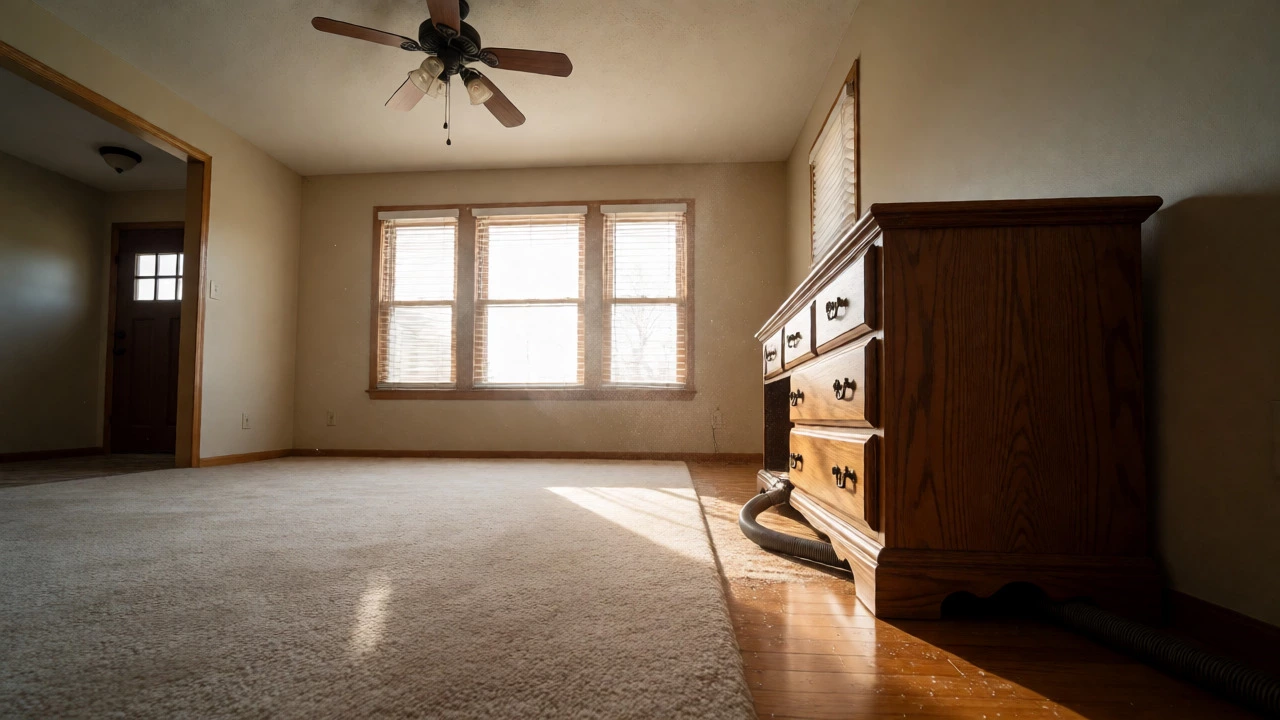
Under the bed and behind large furniture pieces are prime spots for neglected dust. Move nightstands and dressers. You’ll likely find socks, lost earrings, and thick mats of lint. Vacuuming these areas improves indoor air quality significantly. It also reveals pest issues early, such as silverfish trails or ant paths.
Floors and Carpets: The Foundation of Hygiene
Floor care depends entirely on material type. Hardwood requires different treatment than tile or carpet. Using the wrong method can cause permanent damage, like warping wood or staining grout.
For hardwood, avoid excessive water. Mop with a barely damp microfiber pad. Sweep or vacuum first to remove grit that acts like sandpaper when you mop. If the finish looks dull, it might need polishing or refinishing, but a deep clean usually stops at thorough scrubbing and drying.
Tiles and grout love moisture but hate standing water. Scrub the grout lines with a baking soda paste or commercial grout cleaner. Rinse well and dry immediately to prevent slipping hazards and new mold growth. Natural stone tiles, like marble or slate, are porous. Never use acidic cleaners like vinegar or lemon juice on them; they etch the surface, leaving permanent dull spots. Use pH-neutral cleaners specifically designed for stone.
Carpets need more than vacuuming. Over time, skin cells, pet dander, and food particles embed deep in the fibers. Professional extraction cleaning (steam cleaning) injects hot water and detergent, then suctions it out along with the dirt. DIY rental machines can help, but they often leave carpets too wet, leading to mold smells if not dried quickly with fans and open windows. For a true deep clean, consider hiring professionals who use truck-mounted systems that heat water to higher temperatures, killing bacteria effectively.
How Long Does It Take?
Time varies wildly based on home size and clutter levels. A one-bedroom apartment might take 4-6 hours for a solo deep cleaner. A three-bedroom family home could easily consume 8-10 hours. If you are doing it yourself, spread it out. Trying to deep clean an entire house in one day leads to burnout and poor results.
Here is a realistic timeline breakdown for a standard two-bedroom home:
- Preparation (30 mins): Gather supplies, declutter surfaces, run laundry.
- Kitchen (2-3 hours): Appliances, cabinets, sink, floor.
- Bathrooms (1.5-2 hours per bath): Showers, toilets, sinks, mirrors.
- Living/Bedrooms (2-3 hours): Dusting, vacuuming, furniture care.
- Floors (1 hour): Final mopping or carpet care.
If you hire a team, expect them to work faster due to experience and equipment. Two cleaners can typically handle a three-bed semi-detached house in Manchester in about six hours. Prices vary, but always get quotes in writing that specify what is included. Some companies charge extra for inside oven cleaning or interior window washing.
DIY vs. Hiring Professionals
Should you roll up your sleeves or call in backup? It depends on your budget, physical ability, and how dirty things really are.
DIY gives you control and costs only materials. However, it demands significant physical effort. Lifting heavy furniture, scrubbing low-to-the-ground baseboards, and reaching high ceilings strain your back and knees. If you have allergies, disturbing old dust without a HEPA-filter vacuum can make symptoms worse.
Hiring professionals brings expertise and industrial-grade tools. They know which chemicals won’t damage specific surfaces. They have extension poles for high ceilings and powerful vacuums for carpets. In the UK, reputable firms often carry public liability insurance, protecting you if something breaks. Look for reviews mentioning punctuality and attention to detail. Ask if they bring their own supplies; some do, others expect you to provide basics like cloths and buckets.
For end-of-tenancy cleans, professional services are almost mandatory. Landlords use strict checklists, and failing to meet standards costs you your deposit. Professionals understand these criteria because they inspect properties regularly. They know that skirting boards must be free of scuffs and that extractor fans must be degreased.
Essential Supplies for a Deep Clean
You don’t need a cupboard full of niche products. A few versatile, effective items cover most tasks. Avoid mixing bleach with ammonia-based cleaners, as this creates toxic fumes.
- Microfiber Cloths: Reusable, lint-free, and excellent at trapping dust. Buy several colors to prevent cross-contamination (e.g., red for toilets, blue for glass).
- All-Purpose Cleaner: Choose a neutral pH option for general surfaces.
- Glass Cleaner: Vinegar-water mix works wonders and leaves no streaks.
- Degreaser: Essential for kitchens and bathrooms.
- Scrub Brushes: Old toothbrushes for tight corners, stiff bristle brushes for grout.
- HEPA Vacuum: Captures fine particles that standard vacuums blow back into the air.
- Steam Mop: Great for sanitizing tile and vinyl without chemicals.
Store these supplies in a caddy for easy transport between rooms. Having everything within arm's reach prevents wasted trips to the utility closet, keeping your momentum going.
Final Thoughts: Making It Stick
A deep clean resets your baseline. Once you’ve removed the heavy buildup, maintaining cleanliness becomes easier. You’re no longer fighting against years of neglect. To keep that fresh feeling, adopt a "clean as you go" habit. Wipe splatters immediately. Run the bathroom fan after showers. Vacuum high-traffic areas twice a week.
Schedule deep cleans seasonally. Spring and autumn are traditional times, but any period works if you notice dust accumulating or smells lingering. Consistency beats intensity. A monthly targeted deep clean of one room is better than a chaotic annual overhaul.
Does a deep clean include inside the cupboards?
Typically, no. Standard deep cleaning services focus on accessible surfaces. Inside cupboards is often considered an add-on service. If you want them emptied and wiped, specify this when booking, as it adds significant time to the job.
How much does a professional deep clean cost in the UK?
Costs vary by region and company. As of late 2026, expect to pay between £20 and £35 per hour per cleaner. A full three-bedroom deep clean might range from £150 to £300 depending on the property's condition and specific requirements like oven cleaning.
Can I sleep in my house after a deep clean?
Yes, provided the house is aired out. Strong chemical smells can linger, especially after using bleach or strong degreasers. Open windows for several hours to ventilate. If you have respiratory sensitivities, wait until the scent dissipates completely.
Is steam cleaning safe for all floors?
No. Steam is great for sealed tile, vinyl, and laminate, but risky for unsealed stone or waxed hardwood. High heat and moisture can warp wood or damage sealants. Always check manufacturer guidelines before using a steam mop on delicate flooring.
How often should I schedule a deep clean?
Every 3 to 6 months is ideal for most households. Homes with pets, children, or allergy sufferers may benefit from quarterly deep cleans. Single-person homes with minimal foot traffic might stretch this to twice a year.