UK Cleaner Cost Estimator
Use this tool to estimate your potential cleaning bill. Adjust the sliders and options below to see how different factors impact the final price.
Configure Your Job
Estimated Cost Breakdown
You’re staring at a kitchen that hasn’t seen a scrub brush in months, or maybe you’re prepping your flat for an End of Tenancy inspection. The first question hitting your brain isn’t "How do I clean this?" but "How much is this going to hurt my wallet?" It’s the million-dollar question-or rather, the ten-pound-per-hour question. If you’ve ever tried to book a cleaner, you know the pricing landscape is a mess of vague quotes, hidden fees, and wildly different rates depending on who you ask.
Here is the blunt truth: there is no single national price tag. But there is a very clear range where most legitimate cleaners operate in the UK right now. Understanding why some charge £12 and others charge £35 will save you from overpaying for basic dusting or underpaying for a disaster zone. Let’s break down exactly what you should expect to pay, why the numbers vary, and how to spot a fair deal without getting ripped off.
The Realistic Hourly Rate Breakdown
If you strip away the marketing fluff, the average hourly rate for a domestic cleaner in the UK in late 2026 sits between £14 and £25 per hour. This is the sweet spot for standard residential cleaning. However, this number shifts dramatically based on location, service type, and whether you are hiring an individual freelancer or a corporate agency.
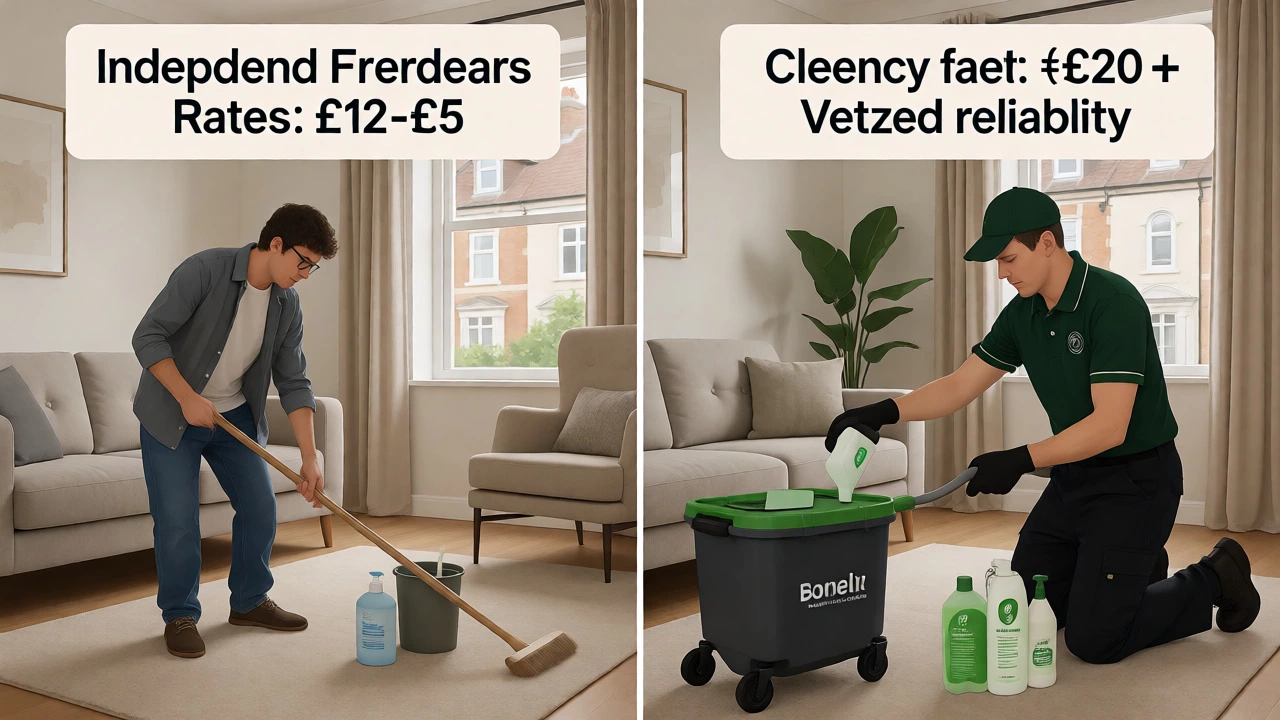
Freelancers-often called "independent cleaners"-typically charge less because they don’t have overheads like office rent, insurance premiums passed down to clients, or sales teams. You might find a reliable local cleaner in Sheffield charging around £12-£15 per hour. In contrast, London-based agencies often start at £25-£30 per hour due to higher living costs and stricter compliance requirements.
| Provider Type | Hourly Rate Range | Typical Minimum Booking | Best For |
|---|---|---|---|
| Independent Freelancer | £12 - £18 | 2 hours | Budget-conscious regular cleans |
| Local Agency | £18 - £25 | 3 hours | Reliability and vetted staff |
| National Franchise | £22 - £30+ | 3-4 hours | Large properties or complex needs |
| Specialist Deep Cleaner | £25 - £40+ | 4 hours | Ovens, carpets, post-construction |
Why Your Location Changes the Price Tag
Geography is the biggest lever pulling on cleaning prices. It’s not just about the cleaner’s wage; it’s about travel time and operational costs. A cleaner traveling across London faces congestion charges, expensive parking, and longer commute times. Those costs get baked into the hourly rate. If you live in a rural area outside of major hubs like Manchester or Birmingham, you might actually pay more per hour simply because fewer cleaners serve your postcode, reducing competition.
In cities like Sheffield, Leeds, or Bristol, rates tend to hover closer to the national average (£15-£20). But if you are in Central London, expect to pay a premium of 20-30% compared to the North. Always ask if the quoted rate includes travel time. Some cleaners charge a flat fee for the first hour and then bill for subsequent hours, while others charge for every minute they are on your clock, including the drive there and back.
Standard Cleaning vs. Deep Cleaning: The Cost Difference
This is where most people get tripped up. When you call for a quote, you need to be crystal clear about what kind of cleaning you want, because the hourly rate assumes a certain level of intensity. Standard cleaning is maintenance. It’s dusting surfaces, vacuuming floors, wiping counters, and emptying bins. It’s the work needed to keep a reasonably tidy home tidy.
Deep cleaning, however, is intensive labor. It involves moving furniture, scrubbing grout, cleaning inside appliances, washing walls, and tackling built-up grease in kitchens. Because deep cleaning takes significantly longer and requires more physical effort, many cleaners charge a higher hourly rate-often £25+-or quote a fixed project price rather than an hourly one. If you hire a standard cleaner at £15/hour and ask them to deep clean a filthy oven, they might refuse, or they might charge extra. Never assume a low hourly rate covers heavy-duty tasks.
Hidden Costs That Inflate Your Bill
The hourly rate is just the starting point. Several factors can push your final invoice higher. First, consider supplies. Many independent cleaners bring their own eco-friendly products, which is great for convenience but might come with a small surcharge. Agencies usually include standard chemicals in their rate, but specialty items like marble sealant or leather conditioner might be billed separately.
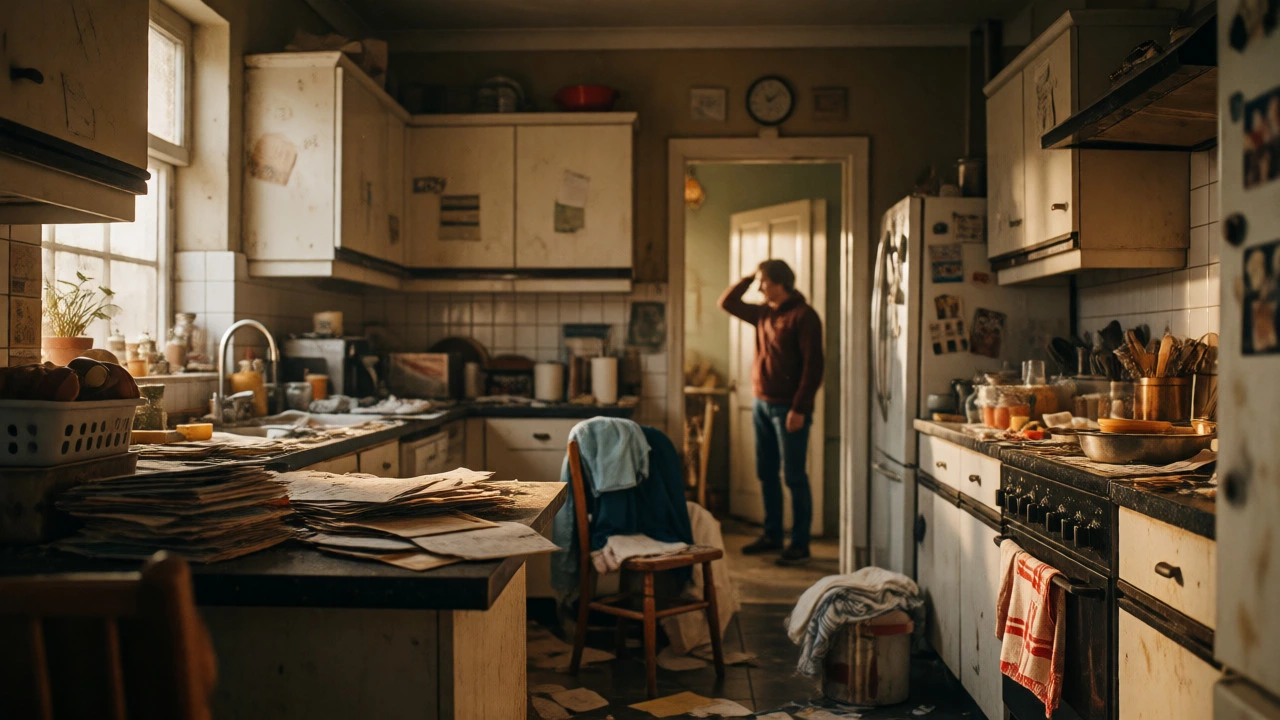
Then there’s the issue of clutter. If your home is filled with personal items, clothes on the floor, or stacks of mail, the cleaner spends valuable time tidying before they can actually clean. Some professionals add a "clutter fee" or require you to declutter before they arrive. If you don’t, you’re paying £20/hour for someone to move piles of laundry, not to scrub your bathroom tiles.
Pets are another factor. If you have dogs that bark excessively or cats that hide under beds, the cleaner may need extra time to manage the environment. While most won’t charge extra for well-behaved pets, chaotic households often incur a slight premium for the disruption.

Fixed Price vs. Hourly: Which Saves You Money?
Should you pay by the hour or agree on a fixed price? It depends entirely on your home’s condition. Hourly billing is safer for the cleaner but riskier for you if your house is dirtier than expected. If you underestimate the mess, a 3-hour job could turn into 5 hours, doubling your cost unexpectedly.
Fixed-price quotes are better for predictable, routine cleans. Agencies love these because they can calculate the square footage and number of rooms to give you a firm number. However, fixed prices often exclude extras. If you suddenly decide you want the fridge cleaned out, that’s an extra charge. For one-off jobs like spring cleaning or end-of-tenancy, a fixed quote provides budget certainty, but ensure the checklist is detailed so you know exactly what’s included.
How to Vet a Cleaner Without Overpaying
Don’t just pick the cheapest option. A cleaner charging £10/hour might lack insurance, DBS checks, or experience. If they break your vase or damage your hardwood floors, you’re out of luck. Look for these green flags:
- Public Liability Insurance: Essential. Ask for proof. If they don’t have it, walk away.
- DBS Check: Especially important if you have children or elderly relatives at home.
- References: Ask for two recent client contacts. Call them. Ask if the cleaner showed up on time and did a thorough job.
- Clear Scope of Work: A professional will ask questions about your home before quoting. A lazy quote comes from someone who hasn’t listened.
Remember, you’re letting someone into your sanctuary. Paying £3 more per hour for peace of mind, reliability, and quality is usually worth it in the long run. Cheap labor often becomes expensive when you have to re-clean things yourself.
Do cleaners charge for travel time?
It varies. Independent freelancers often include short travel distances within a reasonable radius (e.g., 5 miles) in their hourly rate. Agencies or cleaners serving wider areas may charge a separate travel fee or add travel time to the billable hours. Always clarify this before booking.
Is it cheaper to hire a cleaner weekly or monthly?
Weekly cleans are generally more cost-effective per visit because the home stays maintained, requiring less intense scrubbing each time. Monthly cleans often require a deeper clean during each visit to catch up on accumulated dust and grime, which can take longer and thus cost more overall, even if the hourly rate is the same.
Do I need to provide cleaning supplies?
Most professional cleaners bring their own equipment and eco-friendly products. However, some independent cleaners may prefer you to provide basic supplies like sponges, cloths, and all-purpose cleaner to reduce their costs. Always ask beforehand. If they bring their own, confirm if there is a supply surcharge.
What is the minimum booking time for a cleaner?
The industry standard minimum is typically 2 to 3 hours. This ensures the cleaner’s travel time and setup are worthwhile. Booking for just one hour is rarely offered unless you are doing a very specific, small task like cleaning a single bathroom.
Are weekend cleaning rates higher?
Yes, many cleaners charge a premium for Saturday and Sunday appointments, often adding 10-20% to the hourly rate. Weekends are in high demand for families who want their homes ready for guests, so availability is tighter and prices reflect that scarcity.