Stain Treatment Calculator & Guide
Neutralize ammonia safely.
Recommended Mix:
- Vinegar: mL
- Cold Water: mL
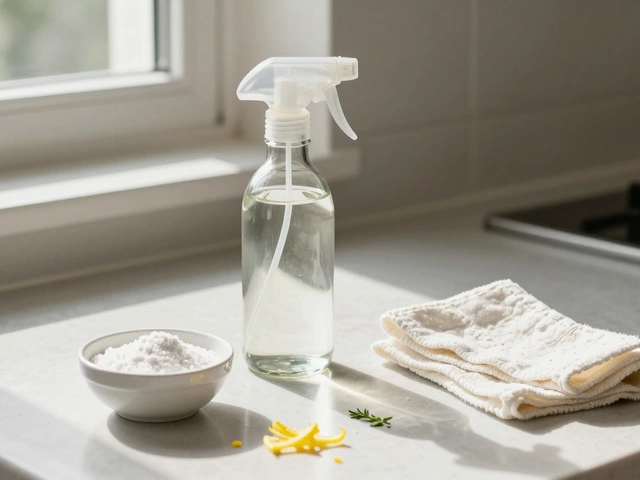
Instructions: Mix 50/50. Blot stain first, spray mix generously, let sit 10 mins.
Caution: Peroxide can bleach fabric colors. Test hidden corner first.
Paste Ingredients:
- Hydrogen Peroxide (3%): cup
- Dish Soap: tbsp
- Baking Soda: tbsp
Instructions: Mix slowly (it will fizz!). Apply thin layer. Let dry completely (approx 1 hr), then brush off.
Critical Safety Rules
- DO NOT MIX Vinegar & Peroxide together.
- Never use hot water (cooks the protein).
- Blot, don't rub.
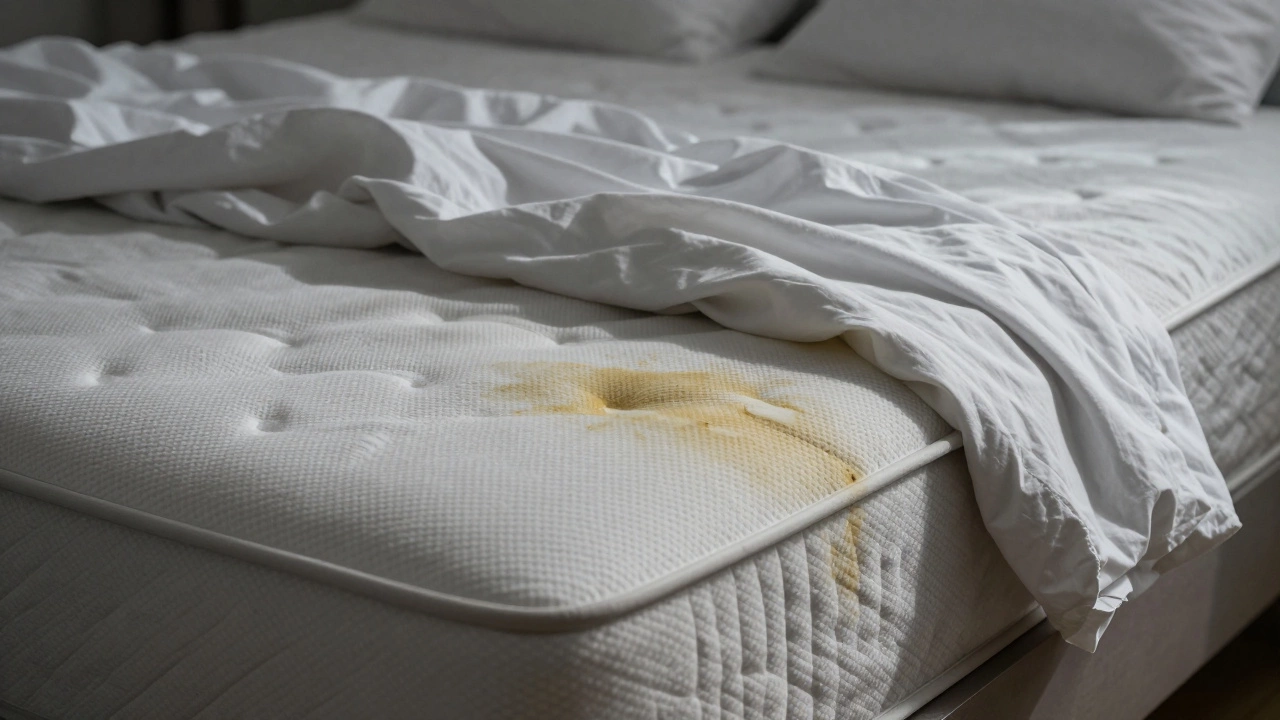
There is nothing quite as stressful as waking up or returning home to discover a fresh yellow puddle on your bed sheets. It happens to the best of us-kids learning independence, elderly relatives, or a clumsy pet having an off night. Once you've peeled back the sheets and found that dark patch has soaked through into the mattress itself, panic often sets in. The internet offers a million conflicting tips, but two remedies always rise to the top: white vinegar and hydrogen peroxide. Both are cheap, both are common in UK households, and both promise to erase the evidence. However, throwing one blindly onto a mattress isn't guaranteed magic. If you use the wrong one, you could set the stain deeper or bleach the fabric permanently.
The real difference lies in the chemistry. Urine is not just liquid; it contains salts, urea, and uric acid crystals that bind aggressively to fibres. Vinegar is acidic, while hydrogen peroxide is an oxidising agent. They attack the stain in fundamentally different ways. Understanding this distinction is the only way to stop the smell from returning weeks later. Here is exactly how they compare, which one you should reach for first, and the critical steps to ensure your mattress survives the treatment intact.
The Chemistry Behind the Smell
Before applying any liquid, you need to understand what you are fighting. Fresh urine smells distinctively of ammonia. As it sits, bacteria break down urea, releasing more ammonia gas and leaving behind stubborn residues. The worst part is uric acid crystals. These crystals act like little mines. They hold onto the odour molecules until moisture hits them again. When you sweat or it rains and humidity rises, those dormant crystals reactivate, and the smell comes back.
White Vinegar is essentially a dilute solution of acetic acid. Distilled Vinegar With a pH level of around 2.5, it is mild enough for most fabrics but strong enough to neutralise the alkaline ammonia compounds found in old urine. Think of it as neutralising an enemy rather than destroying it. It binds with the alkaline salts to form a salt that dissolves easily in water. This makes it excellent for breaking down fresh residues. However, vinegar alone cannot break the molecular bond of older, crystalised uric acid.
On the other hand, Hydrogen Peroxide A clear liquid oxidiser sold in pharmacies works completely differently. It releases oxygen radicals when exposed to light or surfaces. These radicals tear apart organic molecules, including the chromophores responsible for colour and odour. This process, called oxidation, actually destroys the stain rather than just masking it. But here is the catch: it can also destroy dyes and natural fibres if used too concentratedly. It is a powerful tool, but unlike the gentle vinegar, it requires precision to avoid damage.
Comparison: Effectiveness and Safety
To decide quickly, you need to weigh the benefits against the risks. While both are better than bleach, they serve different jobs in your cleaning toolkit. Below is a breakdown of their performance metrics based on typical household use cases.
| Feature | White Vinegar | Hydrogen Peroxide |
|---|---|---|
| Better For | Fresh spills and odour neutralising | Old, set-in stains and visible marks |
| Action Mechanism | Neutralises pH and dissolves salts | Oxidises organic compounds (kills bacteria) |
| Safety | Very Safe (Food grade) | Risk of Bleaching Fabrics |
| Availability | Kitchen Cupboards | Pharmacy / Chemist |
| Scent | Strong (dissipates as it dries) | Mild/Medical smell |
Step-by-Step: Using White Vinegar
If the accident happened less than 24 hours ago, vinegar is your first line of defence. It is gentle, effective, and unlikely to harm the mattress cover or memory foam padding underneath. Here is the exact protocol for success:
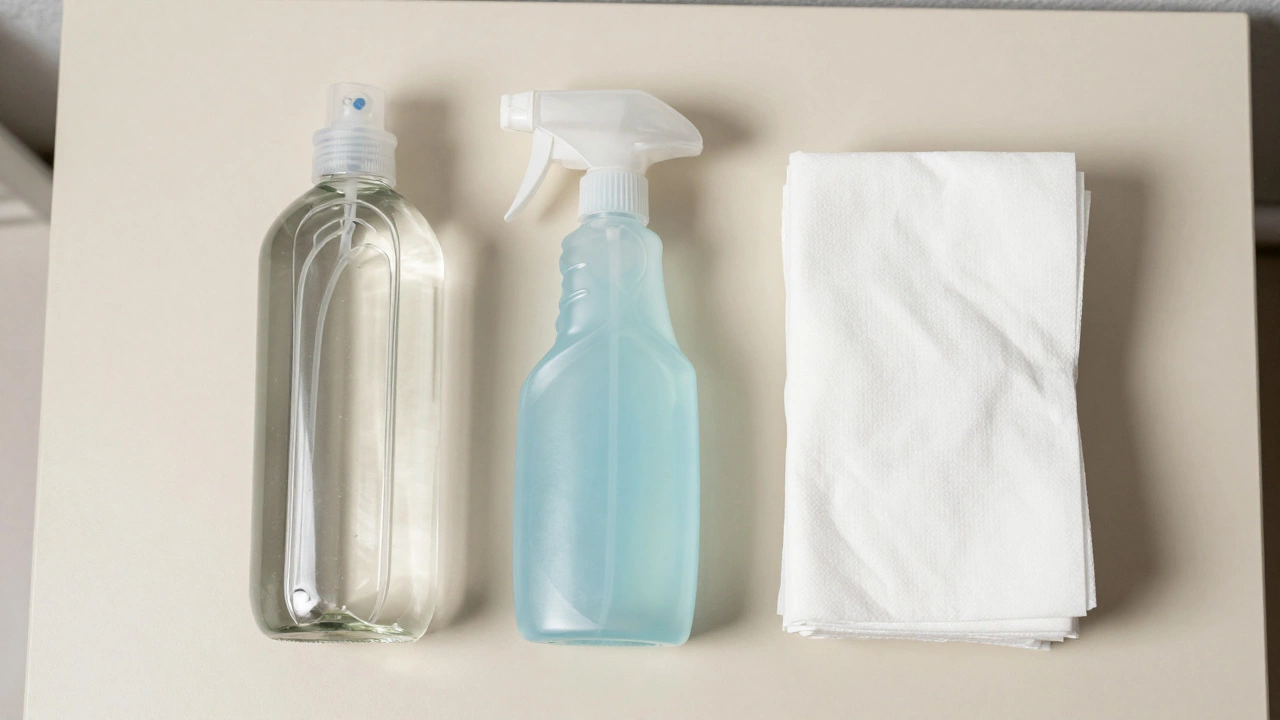
- Mix the Solution: Combine one part white vinegar with one part cold water. Using straight vinegar is unnecessary strength; it smells stronger but cleans no better. A 50/50 split penetrates deeper.
- Blot First: Never pour liquid onto a stain before soaking up the excess urine. Use dry towels or paper rolls. Press down firmly. If the area is wet, your next step won't penetrate.
- Apply Generously: Pour or spray the mixture directly onto the stained area. Ensure it soaks through to the padding below. You want to lift the urine out, not just sit on top of it.
- Dwell Time: Let it sit for at least 10 minutes. During this time, the acidity reacts with the ammonia.
- Extract: Blot again with fresh towels. Repeat the application if the towel comes away still damp with yellow fluid.
- Dry Completely: Use a fan or open window. Moisture left inside the mattress leads to mould, which brings its own rotting smell.
Step-by-Step: Using Hydrogen Peroxide
This method is reserved for stains that have been sitting for days, months, or years. It is aggressive and requires caution. If you have a patterned mattress cover, test a hidden corner first to ensure it doesn't strip the colour dye.
- The Recipe: Mix 1 cup of 3% hydrogen peroxide with 2 tablespoons of dish soap and 3 tablespoons of baking soda. Dish soap cuts oils, baking soda scrubs gently and absorbs moisture, while peroxide does the heavy lifting.
- Paste Creation: Stir slowly. The baking soda will fizzle with the peroxide. Don't rush this; the carbonation helps lift grime.
- Application: Spread a thin layer over the stain. Do not pour it like water.
- Reaction Time: Leave it for roughly one hour. You should see the paste dry and crack. This indicates it has worked.
- Scrubbing: Gently brush away the dried crust with a soft toothbrush.
- Wipe Down: Dampen a cloth with cold water and wipe away all residue. Any leftover peroxide will eventually turn grey or brown on light fabrics due to oxidation.
The Hidden Factor: Enzymatic Cleaners
While vinegar and peroxide are champions of the DIY world, they have limits. Sometimes the bacteria are too deep for acids or oxidisers to reach. In professional cleaning circles, we call upon enzymatic cleaners. These contain live cultures of bacteria designed specifically to eat urine proteins. Unlike vinegar which neutralises chemicals, enzymes digest the biological source of the stench. If you have tried both vinegar and peroxide and the smell lingers after drying, an enzymatic cleaner is the next logical step. It is more expensive but necessary for deep-seated biohazards.

Common Pitfalls to Avoid
Cleaning a mattress is deceptively difficult because people often make small mistakes that ruin the whole effort.
- Don't Overwet: Mattresses breathe poorly. If you soak it like a sponge, the internal springs or foam get wet. Wet springs rust, wet foam rots. Always blot aggressively.
- Avoid Heat: Never steam clean a urine stain immediately. Heat cooks the proteins in the urine into the fabric, sealing the smell in forever. Always use cool water.
- No Mixing Chemicals: Never mix bleach (sodium hypochlorite) with vinegar or ammonia. It creates toxic chlorine gas. Also, avoid mixing peroxide with vinegar directly to create peracetic acid unless you are a chemist-it creates a strong irritant and can burn skin.
- Ignore the Top Layer Only: Most accidents penetrate deep. Surface cleaning leaves the odour source in the padding. Treat the thickness, not just the cover.
When to Choose Which?
Here is your quick decision tree for handling the mess:
- Fresh Accident (Under 1 Hour): Start with Vinegar. It neutralises the active ammonia and prevents setting.
- Visible Stain with Fading Colour Risk: Skip Peroxide. Stick to Vinegar or Enzymatic cleaner to preserve mattress integrity.
- Old, Dark Yellow Stain: Use Peroxide. You need the oxidation power to lift the colour back to white.
- Smell Returns After Cleaning: Use Enzymatic cleaner. The acid and peroxide were not enough to kill the root bacteria.
Can I mix vinegar and hydrogen peroxide together?
It is generally not recommended to mix these chemicals directly in a bottle. When combined, they form peracetic acid, which is corrosive and can irritate your skin and lungs. If you need to treat a tough stain, use vinegar first, rinse thoroughly with water, and then apply hydrogen peroxide separately.
Will hydrogen peroxide whiten my mattress fabric?
Yes, hydrogen peroxide is a bleach alternative. While it is gentler than standard bleach, it can lighten dyed fabrics or leave yellowish discolorations if not rinsed properly. Always perform a spot test on a hidden corner of the mattress or the bottom hem before treating the main stain.
Yes, hydrogen peroxide is a bleach alternative. While it is gentler than standard bleach, it can lighten dyed fabrics or leave yellowish discolorations if not rinsed properly. Always perform a spot test on a hidden corner of the mattress or the bottom hem before treating the main stain.
How do I stop the smell from coming back?
To prevent recurrence, you must target the uric acid crystals. Simply wiping the surface isn't enough. Use an enzymatic cleaner once you have removed the bulk moisture, as enzymes are the only thing that can break down the protein chains in dried crystals.
Can I use hot water on urine stains?
Never use hot water on fresh urine. High temperatures cook the proteins, binding them tighter to the fabric fibers. Always use cold water for rinsing and cleaning to keep the proteins soluble and removable.
Is apple cider vinegar okay to use instead of white vinegar?
You can, but white distilled vinegar is preferred. Apple cider vinegar is darker and contains impurities and sugars that might stain a light-coloured mattress. White vinegar is clearer and purely acidic, making it safer for delicate bedding.