Spring Cleaning Time Estimator
Select your options and click calculate to see your personalized plan.
There is a strange disconnect between the marketing calendar and our actual behavior. Every year, as the days get longer, brands scream at us to "reset" our homes. But do we actually listen? The short answer is: most of us don't do it the way we think we do.
When people ask, what percentage of people spring clean?, they usually expect a high number. After all, it's one of the most recognized seasonal tasks in the Western world. However, data suggests that while the *desire* to clean is universal, the execution is inconsistent. In the United Kingdom, surveys from recent years indicate that roughly 70-80% of homeowners intend to spring clean, but only about 50-60% complete a full, top-to-bottom overhaul within the traditional March-April window. The rest either procrastinate until summer or break the task into smaller, manageable chunks throughout the year.
The Reality Behind the Numbers
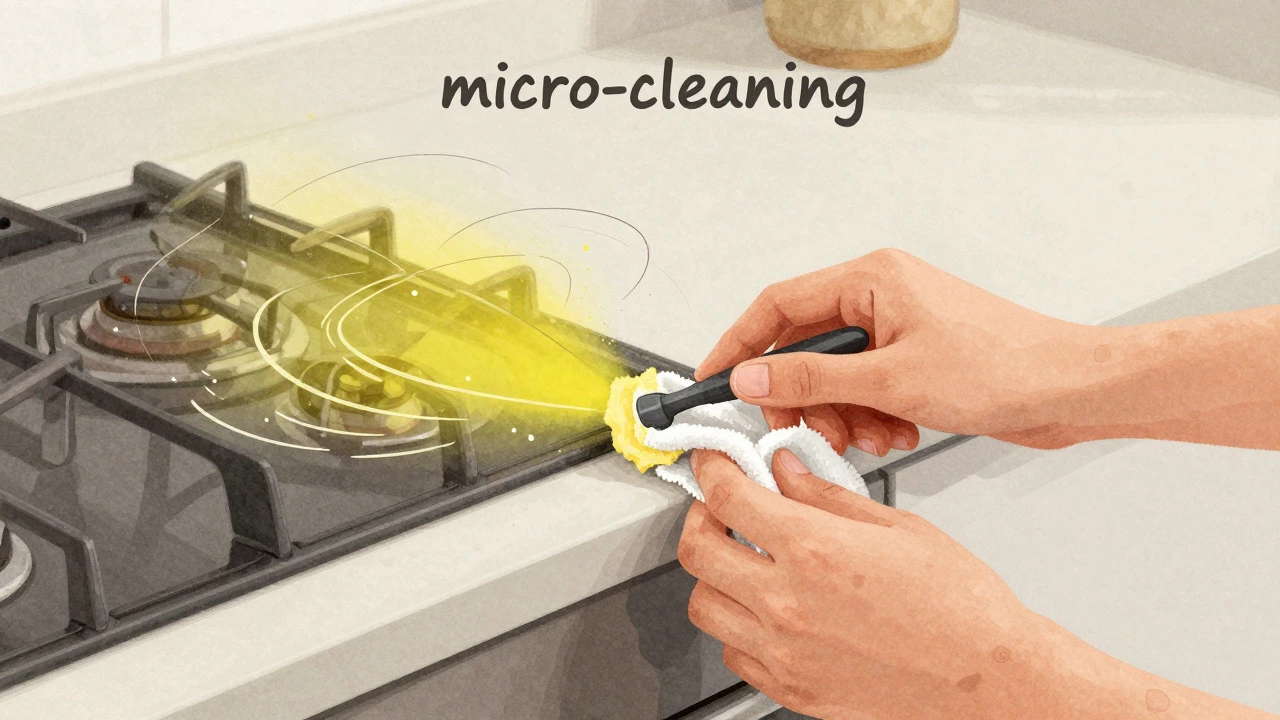
To understand these figures, we have to look at how modern life has fragmented our routines. The concept of a dedicated "spring cleaning week" is fading. Instead, many households now practice what might be called "micro-cleaning." This means tackling one room or one specific task (like deep-cleaning the oven) every weekend rather than attempting a marathon effort in April.
This shift explains why the percentage of people who claim to "spring clean" varies so wildly depending on how you define the term. If you define it as "cleaning every surface in the house in one go," the number drops significantly. If you define it as "doing a deeper level of cleaning than usual during the spring months," the number rises sharply. For the average homeowner in Sheffield or London, the latter is far more common.
Who Is Actually Spring Cleaning?
Demographics play a huge role here. Homeowners are statistically more likely to engage in intensive spring cleaning than renters. Why? Because ownership comes with a sense of stewardship. You are investing time and effort into an asset that is yours. Renters, on the other hand, often wait until move-out day to tackle the heavy lifting, relying on professional end-of-tenancy cleaning services instead.
Age also matters. Younger adults (18-34) tend to have lower rates of comprehensive spring cleaning, not because they are lazier, but because their living spaces are often smaller and easier to maintain. Older demographics (55+) show higher participation rates, largely due to larger homes and a greater appreciation for order and tidiness as a form of mental well-being.
| Demographic Group | Intention to Clean (%) | Completion Rate (%) | Primary Barrier |
|---|---|---|---|
| Homeowners (All Ages) | ~75% | ~60% | Lack of time |
| Renters | ~40% | ~25% | Perceived lack of ownership |
| Young Adults (18-34) | ~65% | ~45% | Work commitments |
| Older Adults (55+) | ~85% | ~70% | Physical effort |
Why Do We Procrastinate?
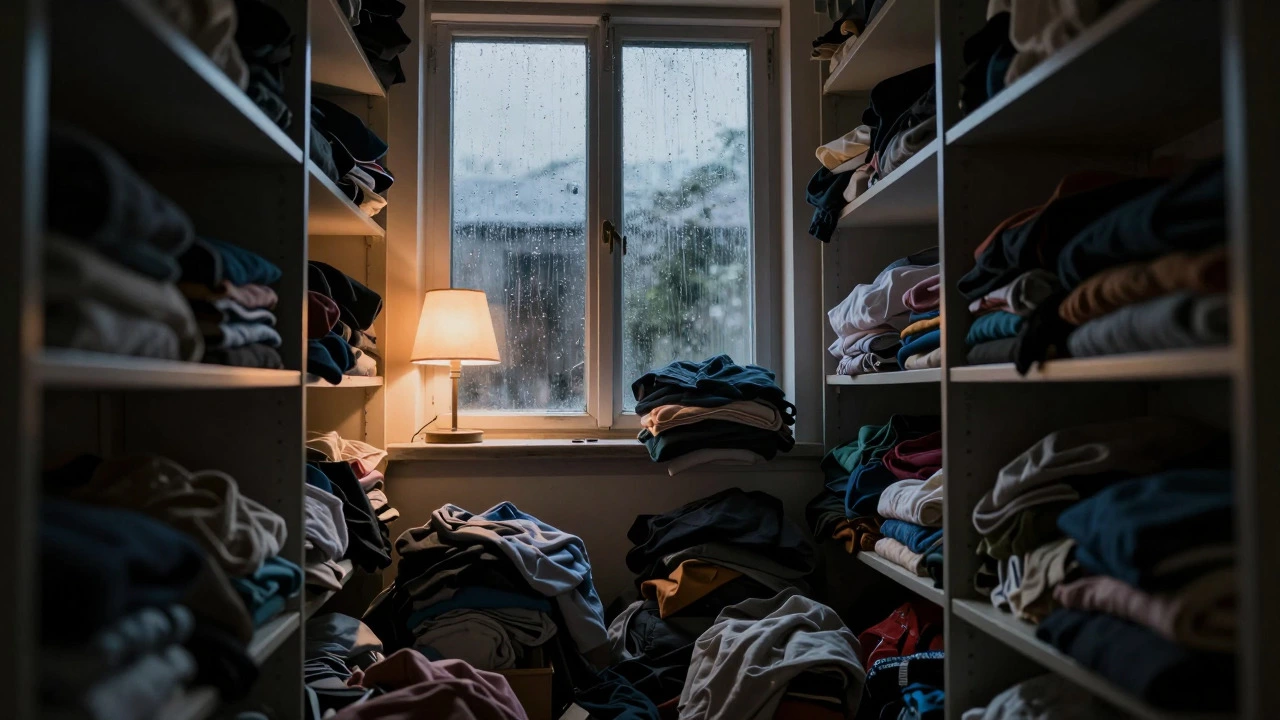
If the intent is so high, why does the completion rate lag behind? The primary culprit is overwhelm. A spring clean isn't just dusting; it involves moving furniture, washing windows, decluttering closets, and scrubbing grout. When you look at the total volume of work, the brain perceives it as a threat rather than a chore. This leads to avoidance.
Another factor is the weather. In the UK, spring is notoriously unpredictable. One day it's bright and sunny, perfect for opening windows and letting fresh air in. The next day, it's pouring rain, making any outdoor-related cleaning (like pressure washing driveways or gutters) impossible. This inconsistency makes planning difficult, causing many people to delay tasks until they can guarantee a dry spell.
The Role of Professional Services
As DIY enthusiasm wanes, the market for professional cleaning services has grown. More people are outsourcing specific, tedious parts of the spring clean. Instead of spending three hours scrubbing the inside of an oven, many homeowners book a specialist. This changes the statistic slightly: while fewer people are doing *all* the work themselves, more people are ensuring the job gets done professionally.
This trend is particularly strong in urban areas where space is tight and maintenance is complex. In cities like Manchester or Birmingham, the cost of labor is balanced against the value of reclaiming weekends. For these residents, spring cleaning is less about personal satisfaction and more about efficient home management.
How to Make It Happen (If You Want To)
If you find yourself stuck in the 40% who never finish, here is a practical approach. Stop trying to clean the whole house in one day. Break it down.
- Week 1: Focus on vertical surfaces. Dust shelves, clean light fixtures, and wash windows.
- Week 2: Tackle floors and rugs. Vacuum under furniture, shampoo carpets, and mop hard floors.
- Week 3: Declutter. Go through closets and storage units. Donate or discard items you haven't used in six months.
- Week 4: Deep clean appliances and bathrooms. Descale kettles, clean the fridge, and scrub tiles.
Is Spring Cleaning Still Relevant?
Some argue that the concept is outdated. With modern vacuum cleaners, self-cleaning ovens, and air purifiers, the need for intense seasonal scrubbing has decreased. Yet, the ritual remains powerful. It serves as a psychological reset button. Changing the seasons signals a change in mood, and a tidy home reinforces that shift.
Whether you count yourself in the majority who do it thoroughly or the minority who take a lighter touch, the key is consistency. You don't need to hit a specific percentage to benefit from a cleaner home. You just need to start.
What is the average time spent on spring cleaning?
For a standard three-bedroom house, a full spring clean typically takes between 15 to 20 hours if done by one person. If spread over a month, this amounts to about 4-5 hours per week.
Do renters spring clean as much as homeowners?
Generally, no. Renters are less likely to perform deep structural cleaning (like carpet shampooing or wall painting) unless required by their lease. They tend to focus on surface-level tidying and hygiene.
Is spring cleaning better than regular weekly cleaning?
They serve different purposes. Weekly cleaning maintains hygiene and order. Spring cleaning addresses accumulated dirt, allergens, and wear-and-tear that weekly routines miss. Both are necessary for a healthy home environment.
What is the most skipped part of spring cleaning?
Decluttering is the most commonly skipped task. Most people prefer physical cleaning (scrubbing, wiping) over decision-making (sorting, donating). As a result, clutter often remains even after a thorough clean.
Does the weather affect spring cleaning rates?
Yes, significantly. Outdoor tasks like gutter cleaning, patio washing, and garden maintenance are heavily dependent on dry weather. In regions with frequent rain, these tasks are often delayed until late spring or early summer.