Deep Cleaning Safety & Efficiency Calculator
How Safe Is Your Deep Cleaning?
Enter your cleaning details to calculate risk level and get personalized safety tips.
Ever stared at a grimy oven, sticky windows, or a carpet that hasn’t been cleaned since the last tenant moved out and thought, ‘Is deep cleaning going to hurt?’ You’re not alone. People don’t dread deep cleaning because it’s boring-they dread it because they’ve heard stories of sore backs, burned hands, and hours lost to scrubbing. The truth? Deep cleaning doesn’t have to be painful. But it can be-if you do it wrong.
What Deep Cleaning Actually Means
Deep cleaning isn’t just cleaning more often. It’s tackling the stuff you ignore during regular cleaning: behind the fridge, inside the oven, grout lines that turned black, baseboards covered in dust, and the underside of cabinets. It’s not about wiping surfaces-it’s about removing built-up grime that regular cleaning can’t touch.
In Brisbane, where humidity clings to everything, deep cleaning becomes a yearly ritual. Mold grows in bathroom corners. Dust mixes with sweat and oil on floorboards. Grease hardens on stovetops. These aren’t just stains-they’re layers. And removing them takes effort.
Why People Say Deep Cleaning Is Painful
Most complaints about pain come from three places: physical strain, chemical burns, and frustration.
Physical strain is the biggest culprit. Bending over to scrub floor tiles for 30 minutes? Kneeling on hard surfaces? Reaching up to clean ceiling fans? Your knees, back, and shoulders pay the price. One 2024 survey of 500 Australian homeowners found that 68% experienced muscle soreness after their first deep clean, especially those over 40.
Chemical burns happen when people mix cleaners. Bleach + ammonia = toxic fumes. Vinegar + hydrogen peroxide = ineffective and potentially irritating. Even strong degreasers can sting if they splash on your skin. I’ve seen people end up with red, peeling hands after using oven cleaner without gloves.
Frustration isn’t physical pain, but it feels like it. You spend three hours scrubbing one bathroom, only to realize you missed the grout between the tiles. You clean the fridge, then notice the seals are sticky. It’s endless. That mental exhaustion can be worse than aching muscles.
What Deep Cleaning Shouldn’t Hurt
Here’s the good news: the pain isn’t inevitable. It’s caused by bad habits, not the task itself.
Deep cleaning shouldn’t hurt if you:
- Use the right tools (extendable dusters, microfiber cloths, grout brushes)
- Work smart (clean top to bottom, one room at a time)
- Take breaks (every 45 minutes, stand up, stretch)
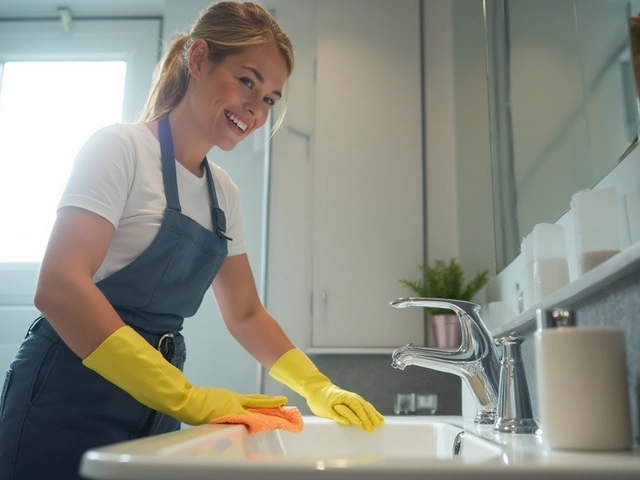
- Wear gloves and eye protection
- Use non-toxic, pH-balanced cleaners
There’s a reason professional cleaners charge $50-$120 per hour. They know how to move efficiently, use pressure washers for outdoor areas, steam clean upholstery, and avoid injury. You don’t need to be a pro-but you can learn from them.
How to Make Deep Cleaning Easier (Without Hiring Someone)
You don’t need to spend a weekend on your knees. Here’s how to cut the pain in half:
- Start with a plan. Write down every surface you need to clean. Group tasks by room. Don’t jump from kitchen to bathroom to laundry-you’ll waste energy walking back and forth.
- Use steam. A steam cleaner removes grease, mold, and dust mites without chemicals. It’s gentle on your hands and works on tile, grout, and even mattresses. A $200 model lasts years.
- Let cleaners sit. Spray degreaser on your stovetop, then walk away for 15 minutes. The grime softens. You’ll scrub less. Less scrubbing = less pain.
- Use a knee pad. A $15 foam knee pad from Bunnings makes a huge difference. You won’t feel your joints screaming after 20 minutes.
- Play music or a podcast. Time flies when you’re distracted. One study showed people who listened to music while cleaning reported 30% less perceived effort.
- Work in short bursts. Clean for 20 minutes, then take a 10-minute break. Repeat. You’ll get more done and feel less drained.

When Deep Cleaning Actually Hurts-And What to Do
Some pain is normal. Sore muscles after a long day? That’s fine. But if you feel:
- Burning or itching skin after using a cleaner
- Sharp pain in your back or wrist
- Dizziness or nausea from fumes
Stop. Immediately. Ventilate the room. Rinse skin with water. If symptoms last more than an hour, see a doctor. These aren’t signs you’re ‘pushing through’-they’re signs you’re risking injury.
If your back hurts after cleaning, you’re probably bending wrong. Always bend your knees, keep your back straight, and use your legs to lift. If your wrist aches, switch from scrubbing with your hand to using a tool with a longer handle.
Deep Cleaning vs. Regular Cleaning: The Real Difference
Regular cleaning: wipe counters, vacuum floors, empty bins. Done in 30 minutes.
Deep cleaning: clean behind appliances, wash curtains, sanitize trash cans, polish brass fixtures, remove soap scum from shower doors, scrub baseboards, clean inside microwave vents. Takes 4-8 hours.
The difference isn’t just effort-it’s frequency. Deep cleaning once every 6-12 months prevents the buildup that makes future cleanings harder. Skip it, and next time, you’ll be scrubbing for days.
What Happens If You Skip Deep Cleaning
Ignoring deep cleaning doesn’t just make your house look bad. It affects your health.
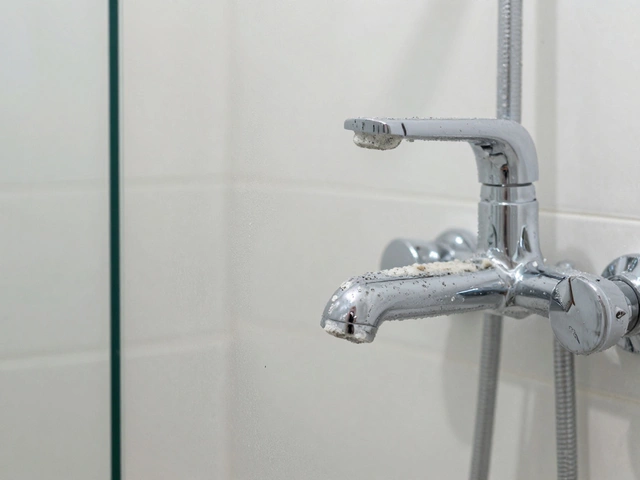
Mold in damp bathrooms can trigger asthma. Dust mites in carpets cause allergies. Grease buildup in kitchens attracts pests. Hard water stains on glass become permanent. And once grout turns black, it’s nearly impossible to restore without professional help.
In Brisbane’s humid climate, skipping deep cleaning for more than a year means you’re inviting mold, mildew, and bacteria to stay. Your home doesn’t just get dirty-it becomes a health risk.

DIY Deep Cleaning Checklist (No Pain Version)
Use this simple checklist to avoid overdoing it:
- Wear gloves, goggles, and closed shoes
- Open windows or turn on exhaust fans
- Start with the highest surfaces (ceiling fans, shelves)
- Use microfiber cloths-they trap dust, don’t spread it
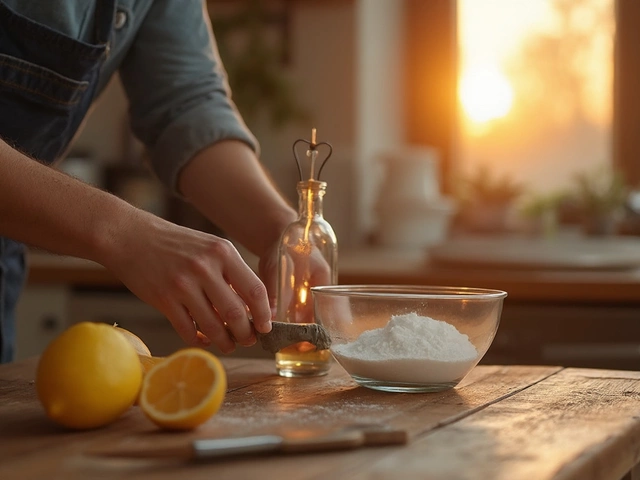
- Use baking soda + water for scrubbing (safe, cheap, effective)
- Use vinegar + water for glass and stainless steel
- Use a steam cleaner for grout, tile, and upholstery
- Take a 10-minute break every 45 minutes
- Hydrate. Drink water. You’ll sweat more than you think
- End with a reward-coffee, a walk, or a nap
When to Call a Pro
You don’t have to do it all yourself. Call a professional if:
- You have severe mold (black patches larger than a tennis ball)
- Your carpets are stained or smell musty
- Your oven has baked-on grease you can’t budge
- You have chronic back or joint pain
- You’re short on time and need it done right
Professional deep cleaners in Brisbane use industrial steamers, HEPA vacuums, and non-toxic solutions. They’re trained to avoid injury and get results faster. For $150-$300, you get a full home clean without the ache.
Final Thought: Pain Is Optional
Deep cleaning doesn’t have to be torture. It’s not about how hard you work-it’s about how smart you work. Use the right tools. Take breaks. Protect your body. Choose safe cleaners. And don’t try to do everything at once.
The goal isn’t perfection. It’s a home that’s clean, healthy, and doesn’t leave you broken afterward.
Is deep cleaning worth the effort?
Yes-if you do it right. Deep cleaning removes hidden allergens, prevents mold growth, and makes future cleaning easier. Skipping it leads to tougher messes, higher cleaning costs later, and even health issues. One annual deep clean saves you hours of scrubbing over time.
Can deep cleaning damage my floors or surfaces?
Only if you use the wrong products. Acidic cleaners can etch stone countertops. Bleach can discolor grout. Always test cleaners on a small hidden area first. Steam cleaning is safe for most surfaces, including hardwood and tile, as long as you don’t leave moisture sitting.
How often should I deep clean my home?
Every 6 to 12 months is ideal for most homes. In humid areas like Brisbane, every 6 months is better-especially for bathrooms, kitchens, and carpets. If you have pets, kids, or allergies, aim for every 4-6 months.
What’s the least painful part of deep cleaning?
Wiping down windows and mirrors. It’s quick, satisfying, and doesn’t require bending or scrubbing. Use a vinegar-water mix and a microfiber cloth. You’ll see instant results with zero strain.
Do I need special equipment for deep cleaning?
Not fancy gear-just the basics: microfiber cloths, a good mop, a grout brush, a knee pad, gloves, and a steam cleaner if you can afford one. You don’t need a $500 vacuum. A $100 model with a HEPA filter works fine for most homes.