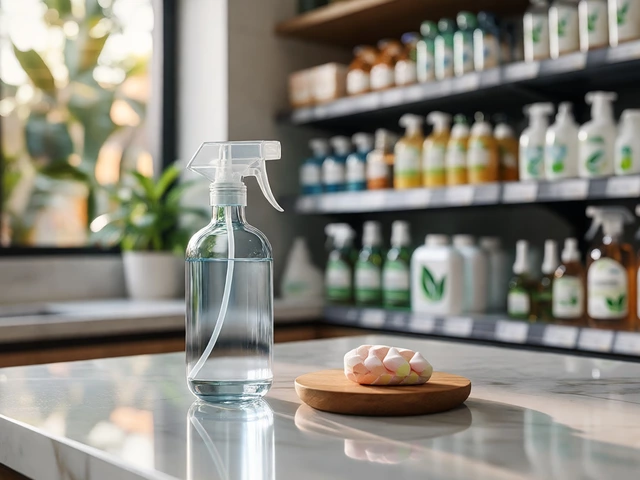
Window Cleaner Solution Selector
Select the scenario that best matches your current window cleaning task to get the optimal recipe.
Standard Clean
Daily dust, light grime, general maintenance.
Stubborn Grime
Bird droppings, sap, construction dust.
Fast Evaporate
High humidity areas or when speed is needed.
Spot-Free Finish
Areas with mineral-heavy tap water.
Recipe
- 1 Part White Vinegar
- 4 Parts Distilled Water
Why It Works
Acetic acid breaks down mineral deposits and grease without leaving residue. It is eco-friendly and inexpensive.
Recipe
- 2 Drops Dish Soap
- 1 Gallon Warm Water
Best For
Heavy soil like bird droppings or tree sap. The soap provides lubrication for the squeegee.
Recipe
- 1 Cup Rubbing Alcohol
- 1 Cup Water
- 1 Tbsp Vinegar
Why It Works
Alcohol evaporates rapidly, reducing the chance of streaks in humid weather where water-based cleaners linger too long.
Recipe
- Distilled or Deionized Water Only
Best For
Hard water areas. Tap water contains minerals that leave white spots as they dry. Pure water leaves zero residue.
You know that feeling when you finally clean your windows, step back with a sense of pride, and then notice a stubborn streak right in the middle of the living room pane? It’s frustrating. Most people think getting crystal clear windows requires expensive gadgets or secret chemical formulas. In reality, it comes down to technique, timing, and using the right tools for the job.
Whether you are trying to boost your home's curb appeal before selling, or just want better natural light without the glare of dirt, mastering this skill saves money and hassle. You don't need to hire a pro every month if you know how to avoid the common pitfalls that cause smears and haze. Let's break down exactly how to get that invisible-glass look, from mixing your own solutions to perfecting the squeegee stroke.
The Right Tools for Streak-Free Glass
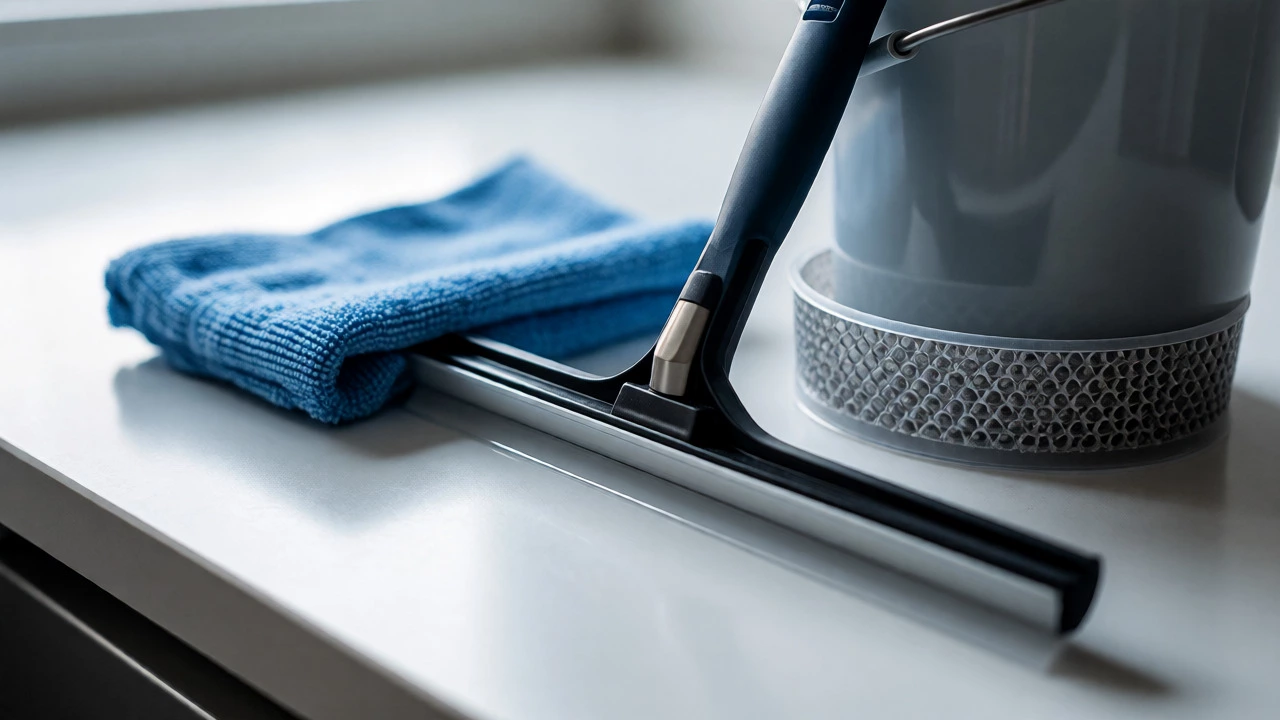
Before you even touch the glass, gather your gear. Using paper towels is the number one mistake beginners make. They shed lint and leave behind tiny fibers that catch the light. Instead, you need a few specific items that professionals swear by.
- Squeegee: This is the heart of the operation. Look for one with a replaceable rubber blade. A high-quality silicone or natural rubber blade removes water cleanly without leaving residue.
- Microfiber Cloths: Unlike cotton rags, microfiber traps dust and dirt rather than pushing it around. Keep at least two on hand: one for scrubbing and one for drying edges.
- Bucket with Grit Guard: A grit guard is a plastic insert at the bottom of your bucket. It prevents dirt from swirling back up onto your wash sleeve as you rinse it.
- Wash Sleeve or Sponge: A soft lambswool sleeve holds more water and soap than a sponge, allowing you to cover large areas quickly without scratching the surface.
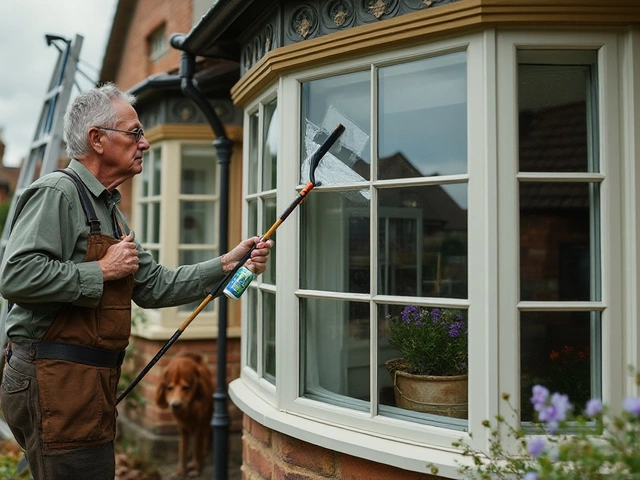
If you are working on interior windows, a small handheld squeegee and a spray bottle are sufficient. For exterior windows, especially those above ground level, consider an extension pole system. These allow you to reach second-story panes safely while standing on solid ground, reducing the risk of falls and ladder accidents.
Mixing Your Own Cleaning Solution
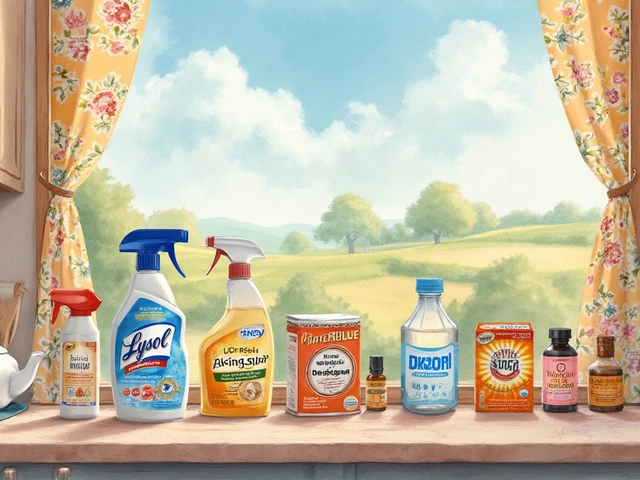
You do not need blue-tinted commercial cleaners to get results. In fact, many contain dyes that can leave faint residues over time. Simple household ingredients often work better because they evaporate cleanly.
| Solution Type | Recipe | Best For | Pros | Cons |
|---|---|---|---|---|
| Vinegar Mix | 1 part white vinegar, 4 parts distilled water | General maintenance, grease removal | Cuts grease, inexpensive, eco-friendly | Strong smell (fades quickly) |
| Dish Soap Blend | 2 drops dish soap per gallon of water | Heavy soil, bird droppings | Good lubrication for squeegee | Can leave film if too much soap is used |
| Rubber Alcohol | 1 cup rubbing alcohol, 1 cup water, 1 tbsp vinegar | Quick drying, humid climates | Evaporates fast, reduces streaks | Flammable, strong odor |
| Pure Water | Distilled or deionized water only | Final rinse, hard water areas | No mineral deposits, no residue | Doesn't cut heavy grime alone |
For most homeowners, the vinegar mix is the gold standard. White vinegar contains acetic acid, which breaks down mineral deposits from rain and sprinklers. If you live in an area with very hard water, tap water might leave white spots as it dries. Using distilled water eliminates this issue entirely. If you cannot find distilled water, let your tap water sit in an open container for 24 hours; some minerals will settle to the bottom, though this is less effective than filtering or buying distilled.
Technique Matters More Than Chemistry
Here is where most people fail: they spray cleaner directly onto the glass and wipe immediately. This causes the solution to dry before you can remove it, leading to streaks. The correct method involves washing first, then removing the water mechanically.
- Pre-clean the frame: Dust and cobwebs on the window sill and frame will fall onto wet glass if you start there. Wipe these down with a dry cloth first.
- Apply solution generously: Dip your wash sleeve into the bucket and wring out excess liquid so it is damp, not dripping. Scrub the entire pane in circular motions. This lifts dirt from the microscopic pores in the glass.
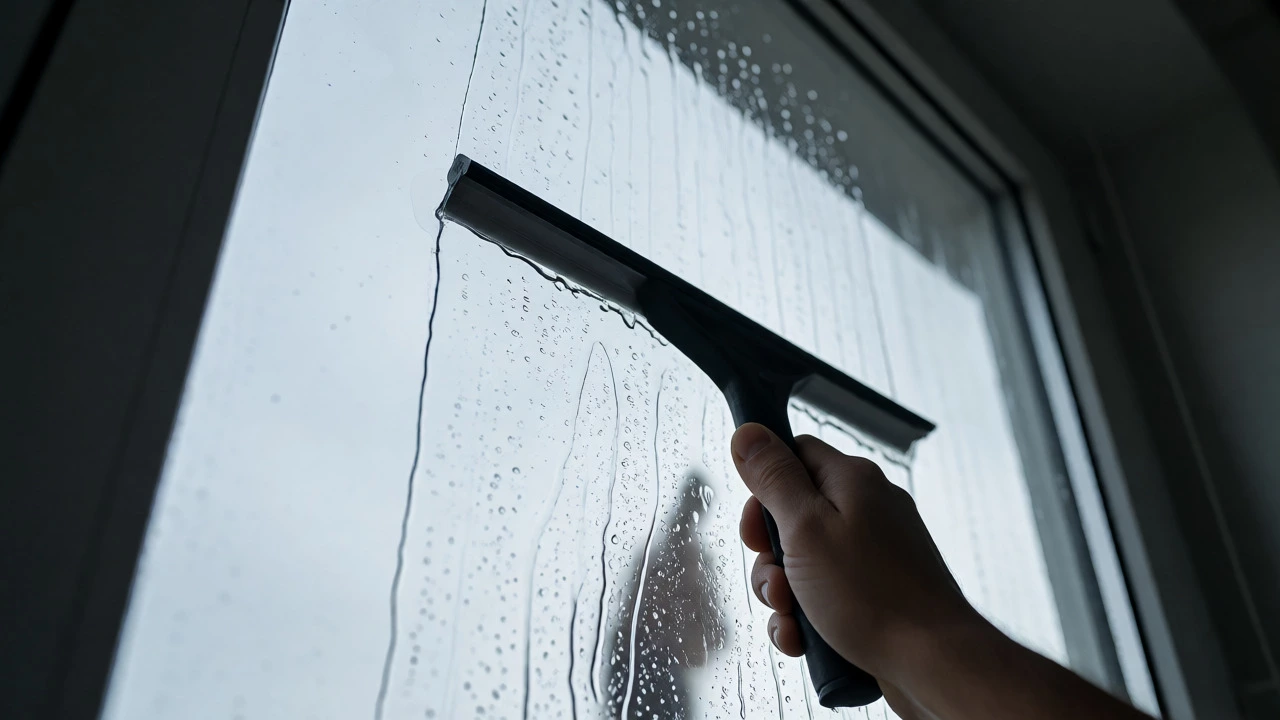
- Remove the bulk of the water: Start at the top corner with your squeegee. Pull it horizontally across the top edge to create a clean starting point. Then, pull the squeegee vertically down the side of the window. After each stroke, wipe the rubber blade with a clean microfiber cloth. This prevents dirty water from being dragged back onto the clean glass.
- The S-Method vs. Straight Lines: Some pros use an "S" pattern, moving left to right, then dropping down slightly, then right to left. Others prefer straight vertical strokes. Both work, but consistency is key. Choose one and stick with it to build muscle memory.
- Dry the edges: Once the main surface is squeegeed, use a dry microfiber cloth to wipe the remaining moisture from the four corners and the bottom sill. This prevents drips from forming later.
A critical tip: never clean windows in direct sunlight. The heat causes the cleaning solution to evaporate almost instantly, making it impossible to squeegee effectively. Early morning or late afternoon on a cloudy day is ideal. If you must clean in sunny weather, work one small section at a time, keeping the rest shaded with a towel until you are ready.
Tackling Stubborn Spots and Exterior Grime
Interior windows usually have fingerprints and dust. Exterior windows face a tougher enemy: oxidation, pollen, sap, and construction dust. Over time, these contaminants bond to the glass, creating a hazy film that regular washing won't remove.
For these tough cases, you might need a razor blade scraper. Yes, a literal razor blade. Hold it at a 45-degree angle against wet glass and gently push forward. This removes paint splatters, stickers, and hardened grime without scratching the surface. Just ensure the glass is well-lubricated with your cleaning solution before scraping. Dry scraping will scratch the glass.
If your windows have a persistent haze even after deep cleaning, you might be dealing with etching. Etching occurs when minerals or harsh chemicals have permanently altered the glass surface. No amount of cleaning will fix etched glass; it requires professional polishing or replacement. However, true haze caused by buildup can often be removed with a specialized glass polish or a paste made from baking soda and water applied with a non-abrasive pad.
Avoiding Common Mistakes That Cause Streaks
Even with good tools, certain habits ruin the finish. Here are the biggest culprits:
- Over-saturating the frame: If water runs down into the window track, it can damage wooden frames or rust metal ones. Be careful near the edges.
- Using dirty cloths: A single grain of sand caught in a microfiber cloth can act like sandpaper. Wash your cloths frequently during the job, preferably in hot water without fabric softener, which leaves a waxy coating.
- Ignoring screen cleanliness: Dirty screens block airflow and cast shadows on the glass. Remove them and hose them down outside. Reinstalling dirty screens onto freshly cleaned windows defeats the purpose.
- Skipping the final buff: After squeegeeing, take a quick pass with a dry, fluffy microfiber towel. This catches any tiny droplets left behind and polishes the surface to a shine.
Another subtle factor is temperature. Cold glass reacts differently to warm cleaning solutions. If your windows are freezing cold, the solution may freeze or bead up oddly. Try to clean when temperatures are moderate, ideally between 50°F and 75°F (10°C-24°C).

Frequency and Maintenance Tips
How often should you clean your windows? It depends on your location. Homes near highways, construction sites, or coastal areas with salt air need monthly attention. Suburban homes typically do fine with quarterly cleanings. Interior windows can go longer, perhaps twice a year, unless you have pets or young children who press their hands against the glass.
To keep windows clearer for longer, apply a protective coat. There are hydrophobic coatings available, similar to Rain-X for cars, that repel water and dirt. Applying one after a deep clean makes future washes easier and faster. Alternatively, a thin layer of glycerin mixed with water can act as a homemade repellent, though it needs reapplication more often.
Don't forget the inside faces of double-pane windows. Condensation trapped between panes indicates a failed seal. While you can't clean between the panes yourself, keeping the outer surfaces clean helps maintain insulation efficiency by allowing maximum solar gain in winter.
When to Call a Professional
While DIY is cost-effective, some jobs are better left to experts. Consider hiring a service if:
- You have multi-story windows that require ladders taller than 12 feet.
- The windows are extremely large and awkward to handle alone.
- You suspect glass damage or failed seals that need assessment.
- You lack the time or physical ability to perform the labor-intensive task.
Professional cleaners often use purified water systems that eliminate the need for squeegees entirely. Water-fed poles deliver pure water that dissolves dirt and leaves no spot when dried. This method is highly effective for exterior work and reduces the risk of injury associated with traditional methods.
Frequently Asked Questions
Why do my windows still streak after cleaning?
Streaks usually result from three things: using too much cleaning solution, wiping with a dirty or lint-shedding cloth, or cleaning in direct sunlight. Ensure you are using a minimal amount of soap, changing your microfiber cloths frequently, and working in the shade or on cloudy days. Also, check your squeegee blade for nicks; a damaged blade will leave lines.
Is vinegar safe for all types of windows?
Vinegar is generally safe for standard glass windows. However, avoid using acidic solutions like vinegar on tinted films or special coatings, as they can degrade the adhesive or coating over time. Always test a small, inconspicuous area first. For stained glass or leaded windows, use mild soap and water only, as acids can react with the lead came.
How do I remove hard water spots from glass?
Hard water spots are mineral deposits. To remove them, apply undiluted white vinegar or a lemon juice-soaked cloth to the affected area and let it sit for 5-10 minutes. The acid dissolves the calcium and magnesium. Scrub gently with a non-abrasive pad, then rinse thoroughly. For severe cases, a pumice stone kept wet can be used carefully, but always keep the stone and glass wet to prevent scratching.
Can I use newspaper to dry windows?
Yes, black-and-white newspaper is a classic trick. The ink acts as a mild abrasive that polishes the glass, and the paper absorbs moisture well without leaving lint. However, modern color-printed newspapers often use glossy paper that doesn't absorb well and can smear colored ink onto your fingers or frames. Stick to unprinted sections or switch to microfiber for consistent results.
What is the best way to clean window tracks?
Window tracks collect significant dirt. Use a stiff-bristled brush (like an old toothbrush) to dislodge debris. Vacuum the loose dirt with a crevice tool attachment. Then, wipe the track with a cloth dampened with vinegar or soapy water. For sliding doors, you may need to lift the panel out of the track for a thorough clean. Dry the track completely to prevent mold growth.