Eco-Cleaner Matchmaker
Confused by green labels? Answer these 3 questions to find the brand that aligns with your lifestyle.
Brand Name
Description goes here...
Why it fits you:
Key Features:
Walk down the cleaning aisle of any supermarket in Brisbane today, and you are bombarded with green leaves, earth tones, and vague promises of "natural power." It is confusing. Is a product actually eco-friendly because it smells like lavender, or does it need to meet specific scientific standards? The truth is, most conventional cleaners rely on harsh chemicals that harm waterways and indoor air quality. Switching to eco-friendly cleaning brands isn't just about feeling good; it is about reducing your household's toxic load without sacrificing cleanliness.
But which brands actually deliver? And more importantly, which ones are guilty of "greenwashing"-marketing themselves as sustainable while hiding questionable ingredients behind pretty packaging? As someone who has tested dozens of products in my own home over the last few years, I have seen the gap between marketing hype and real-world performance. This guide cuts through the noise to help you choose brands that respect both your home and the planet.
What Actually Makes a Cleaner Eco-Friendly?
Before we name names, we need to define what we are looking for. An eco-friendly cleaner is not simply one that lacks bleach. It involves a holistic assessment of the product's lifecycle. First, look at the ingredients. True green cleaners use plant-based surfactants rather than petroleum-derived chemicals. They avoid phosphates, which cause algal blooms in rivers, and synthetic fragrances, which are often linked to respiratory issues.
Second, consider the packaging. A liquid cleaner sold in a single-use plastic bottle contributes significantly to landfill waste, even if the liquid inside is biodegradable. The most sustainable options today are concentrates, tablets, or refillable systems that drastically reduce plastic usage. Third, check for third-party certifications. Claims like "all-natural" are unregulated. Look for seals from organizations like the EPA Safer Choice program or Australian certified organic standards. These labels verify that independent bodies have tested the product for safety and environmental impact.
Ecolife is an example of a brand that has struggled with this definition, facing lawsuits for misleading claims despite its popularity. Conversely, brands like Blueland focus heavily on eliminating single-use plastics entirely. Understanding these distinctions helps you spot genuine efforts versus clever marketing.
Top Contenders in Sustainable Household Cleaning
When evaluating brands, I look at three metrics: ingredient transparency, packaging innovation, and cleaning efficacy. If a product doesn't clean well, you end up using more of it, negating the environmental benefit. Here are the brands currently leading the pack in 2026.
| Brand | Primary Innovation | Packaging Type | Best For |
|---|---|---|---|
| Blueland | Tablet-based refills | Glass bottles + compostable pouches | General surface cleaning & glass |
| Ecover | Plant-based formulas | Recycled plastic (rPET) | Laundry & dishwashing |
| Seventh Generation | Broad product range | Recycled plastic & cardboard | Baby-safe cleaning & laundry |
| Meliora | Zero-waste solids | Paper/compostable | Kitchen grease & scrubbing |
| Attitude | Hypoallergenic focus | Recyclable plastic | Sensitive skin & homes |
Blueland: The Plastic-Free Pioneer
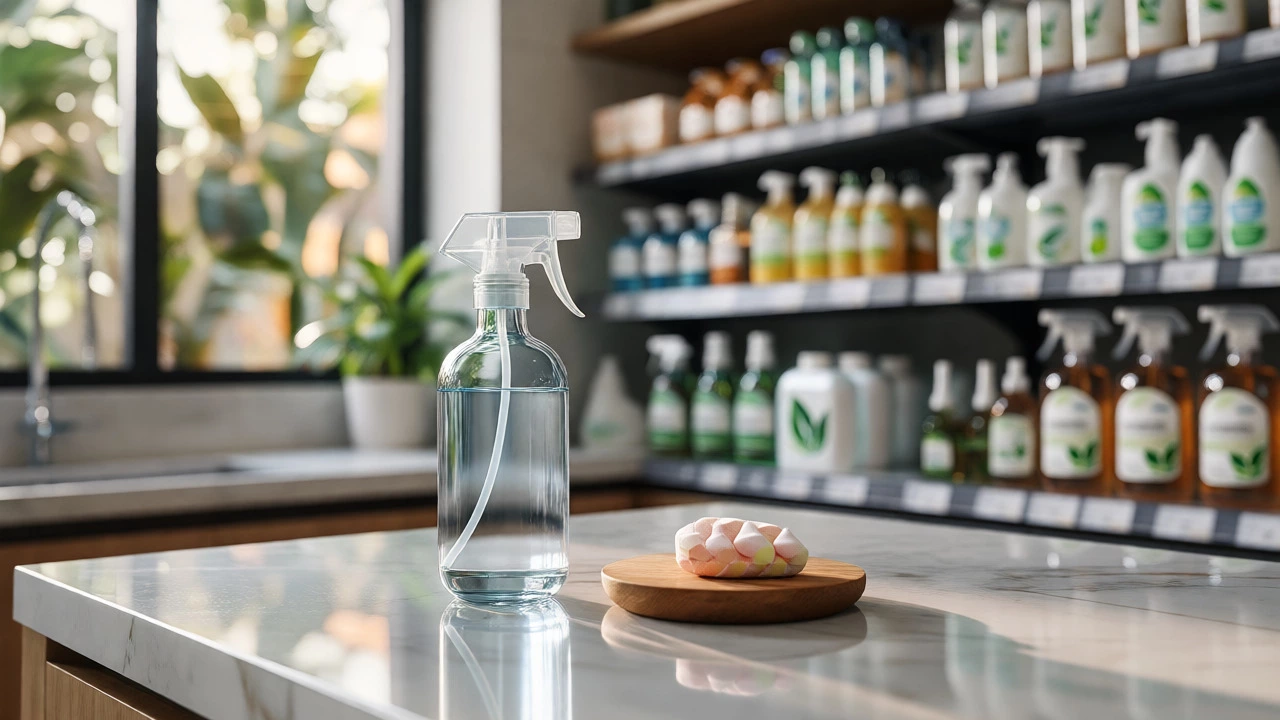
Blueland revolutionized the market by selling reusable glass bottles and small, concentrated tablets. You drop a tablet into water, and it dissolves into a full bottle of cleaner. This model reduces carbon emissions associated with shipping water-heavy liquids. Their multi-surface spray is surprisingly effective on kitchen counters and bathroom tiles. However, be aware that their formula relies on sodium bicarbonate and citric acid. While safe, it may not cut through heavy grease as quickly as a solvent-based cleaner.
Ecover: The European Standard
If you prefer traditional liquid formats, Ecover remains a strong contender. Founded in Belgium, they were among the first to create plant-based detergents. Their laundry powders are particularly impressive, working effectively in cold water cycles, which saves energy. Ecover uses recycled plastic for their bottles, closing the loop on waste. One caveat: some users find their scents, derived from essential oils, too potent for small, poorly ventilated bathrooms.
Meliora: Zero Waste Champions
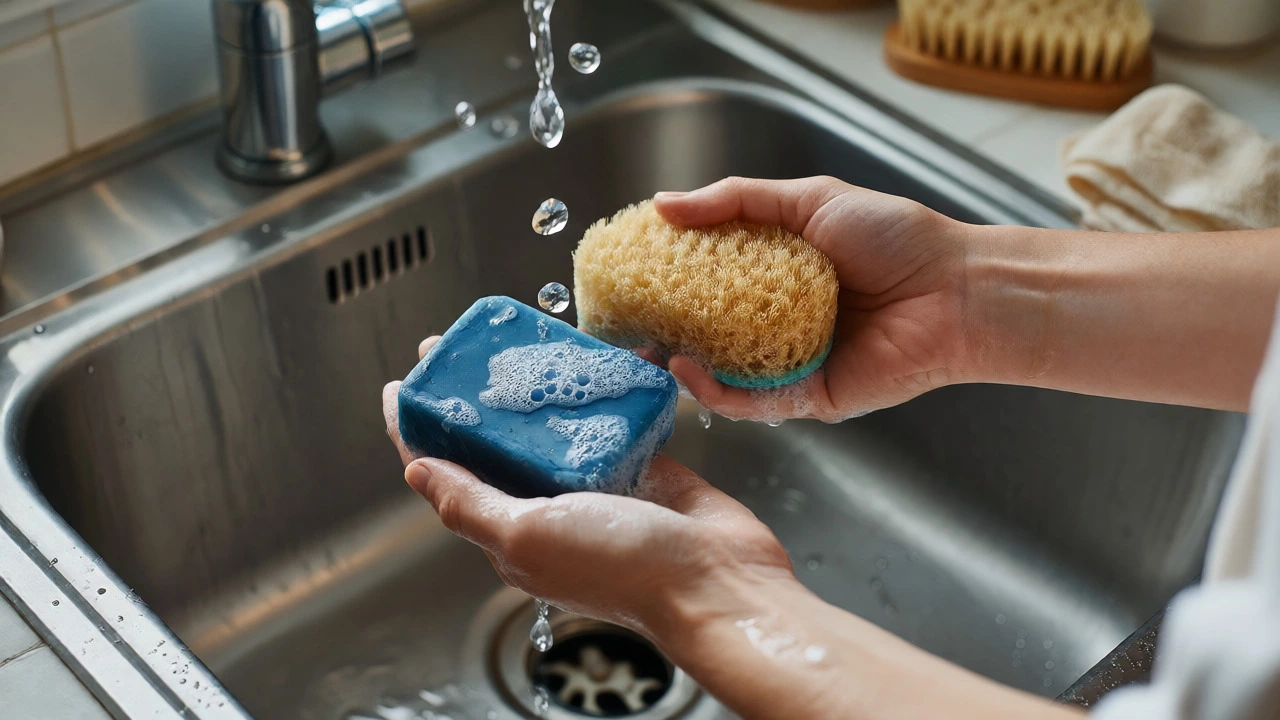
For those aiming for a completely zero-waste lifestyle, Meliora offers solid cleaning bars and pastes. Their "Dirty Hands" soap is excellent for removing grime after gardening or DIY projects. Because there is no water content, the shipping footprint is minimal. The trade-off is convenience; you need a sponge and water to activate the paste, which adds a step compared to spraying a pre-mixed solution.
The Greenwashing Trap: How to Spot Fake Eco-Claims
Not every brand wearing a green leaf logo deserves your money. Greenwashing occurs when companies exaggerate their environmental credentials. A common tactic is highlighting one "green" ingredient while ignoring others that are problematic. For instance, a cleaner might boast about containing aloe vera but still include methylisothiazolinone, a preservative known to cause skin allergies and aquatic toxicity.
To avoid falling for this, read the back label, not just the front. Look for the Environmental Working Group (EWG) Verified seal or the Leaping Bunny certification for cruelty-free status. If a brand refuses to disclose all ingredients, citing "proprietary blends," treat it with skepticism. Transparent brands will list every component. In Australia, checking for the Good Environmental Choice Australia (GECA) label is also a reliable indicator of rigorous testing.
DIY vs. Store-Bought: Which is Greener?
A frequent question I receive is whether making your own cleaners is better than buying them. The answer depends on your sourcing. Mixing vinegar, baking soda, and water is cheap and low-waste. However, vinegar is acidic and can damage natural stone surfaces like marble or granite. Furthermore, homemade solutions lack surfactants, meaning they don't lift dirt as effectively as commercial products, potentially requiring more rinsing and water usage.
Store-bought eco-brands offer formulated efficiency. They balance pH levels and include biodegradable surfactants that trap dirt in micelles, allowing it to be wiped away easily. Unless you are experienced in formulating cleaning agents, sticking to reputable store-bought brands often results in less water waste and better hygiene outcomes.
Impact Beyond the Bottle: Corporate Responsibility
An eco-friendly brand is more than its product; it is its business practices. Consider where the company manufactures its goods. Local production reduces transportation emissions. Brands like Earth Choice, an Australian-owned brand, support local jobs and have a lower carbon footprint regarding logistics compared to imported giants.
Also, examine their corporate policies. Do they donate a percentage of profits to environmental causes? Are they B-Corp certified? B-Corps meet high standards of social and environmental performance, accountability, and transparency. Choosing these brands supports a business model that prioritizes people and planet alongside profit.
Making the Switch: A Practical Checklist
You do not need to throw out all your current cleaners immediately. That creates unnecessary waste. Instead, adopt a gradual transition strategy:
- Finish what you have: Use up existing conventional cleaners before buying new eco-alternatives.
- Start with high-frequency areas: Replace your daily surface spray and hand soap first. These are used most often, so the environmental impact reduction is highest here.
- Test before committing: Buy travel sizes or starter kits. What works on stainless steel might streak on glass. Find the brand that suits your specific needs.
- Check the disposal instructions: Ensure the packaging is recyclable in your local council area. In Brisbane, soft plastics often require special drop-off points, not curbside collection.
By choosing brands that prioritize biodegradability, reduced packaging, and transparent sourcing, you contribute to a healthier home environment and a cleaner planet. It is a small change in habit that yields significant long-term benefits.
Are eco-friendly cleaners as effective as chemical ones?
Yes, modern eco-friendly cleaners are highly effective for general household maintenance. While they may struggle slightly with extreme industrial grease or mold compared to chlorine bleach, they perform exceptionally well on everyday dirt, bacteria, and stains. Many professional cleaners now switch to green products because they leave no residue and improve indoor air quality.
Do eco-friendly cleaning products expire?
Like all products, eco-friendly cleaners have a shelf life, typically ranging from 12 to 24 months. Natural ingredients can degrade faster than synthetic preservatives. Always check the expiration date printed on the bottle. Concentrates and tablets usually last longer than pre-diluted liquids because they contain fewer stabilizers and less water, which can promote bacterial growth over time.
Is it cheaper to buy eco-friendly cleaning brands?
Initially, eco-friendly brands can appear more expensive per bottle. However, when you factor in refill systems, concentrates, and the cost of replacing disposable plastic bottles, the long-term savings are significant. Tablet-based systems, for example, often cost less per use than buying standard plastic bottles from supermarkets.
Can I mix different eco-friendly cleaning brands?
It is generally best to stick to one brand's system, especially if using proprietary refill cartridges. Mixing different chemical formulations can sometimes lead to unexpected reactions or reduced effectiveness. For simple DIY mixes like vinegar and water, you can add castile soap from another brand, but always test on a hidden area first to ensure compatibility with your surfaces.
What does 'biodegradable' actually mean on a label?
Biodegradable means the substance can be broken down by microorganisms into natural elements like water, carbon dioxide, and biomass. However, the timeframe matters. Some products claim to be biodegradable but take years to break down. Look for terms like "readily biodegradable" or certifications that specify breakdown within 28 days under standard conditions.