Mattress Stain Removal Guide
Step 1: Preparation & Supplies
Before starting, strip the bed completely. You will need the following common household items:
- ✓ Hydrogen Peroxide (3%)
- ✓ White Vinegar
- ✓ Dish Soap (Degreaser)
- ✓ Baking Soda
- ✓ Cold Water
- ✓ Clean White Cloths or Paper Towels
- ✓ Spray Bottle
Step 2: Identify the Stain Source
Different stains require different chemical reactions. Select the type of stain you are dealing with:
| Stain Type | Cause | Key Treatment |
|---|---|---|
| Sweat | Oils & Salts | Dish soap + Hydrogen Peroxide |
| Urine | Uric Acid | Vinegar or Enzymatic Cleaner |
| Coffee/Wine | Tannins | Club soda then Baking Soda paste |
| Blood | Protein | Cold water + Hydrogen Peroxide |
* Never use hot water on protein-based stains like blood or urine, as it sets them permanently.
Step 3: Mix Your Solution
Choose the recipe based on the age and type of your stain.
For Fresh Stains (< 24 Hours)
Mix in a spray bottle:
- 1 cup Cold Water
- ½ teaspoon Dish Soap
- 1 tablespoon Hydrogen Peroxide
Shake gently before use.
For Old/Set-In Stains
Create a thick paste:
- 2 tablespoons Baking Soda
- Enough Hydrogen Peroxide to form a paste
- 1 drop Dish Soap (if oily)
Apply directly to the spot.
Step 4: Application Technique
- Blot, Don't Rub: If fresh, blot immediately with a dry cloth to absorb liquid. Rubbing pushes stains deeper into foam.
- Apply Lightly: Spray the solution until damp, not soaked. For old stains, spread the paste over the area.
- Wait: Let the solution sit for 5–10 minutes (liquid) or 30–60 minutes (paste).
- Scrub Gently: Use a soft-bristled brush (like an old toothbrush) in circular motions for set-in stains.
- Rinse: Dab with a cloth dampened with plain cold water to remove soap residue.
Step 5: Drying & Deodorizing
Moisture is the enemy. A damp mattress leads to mold and mildew.
- Vacuum: Thoroughly vacuum up the baking soda using the upholstery attachment.
- Airflow: Open windows and place a fan directly over the mattress.
- Sunlight: If possible, let sunlight hit the mattress for natural disinfection.
Do not put sheets back on until the mattress is completely dry to the touch.
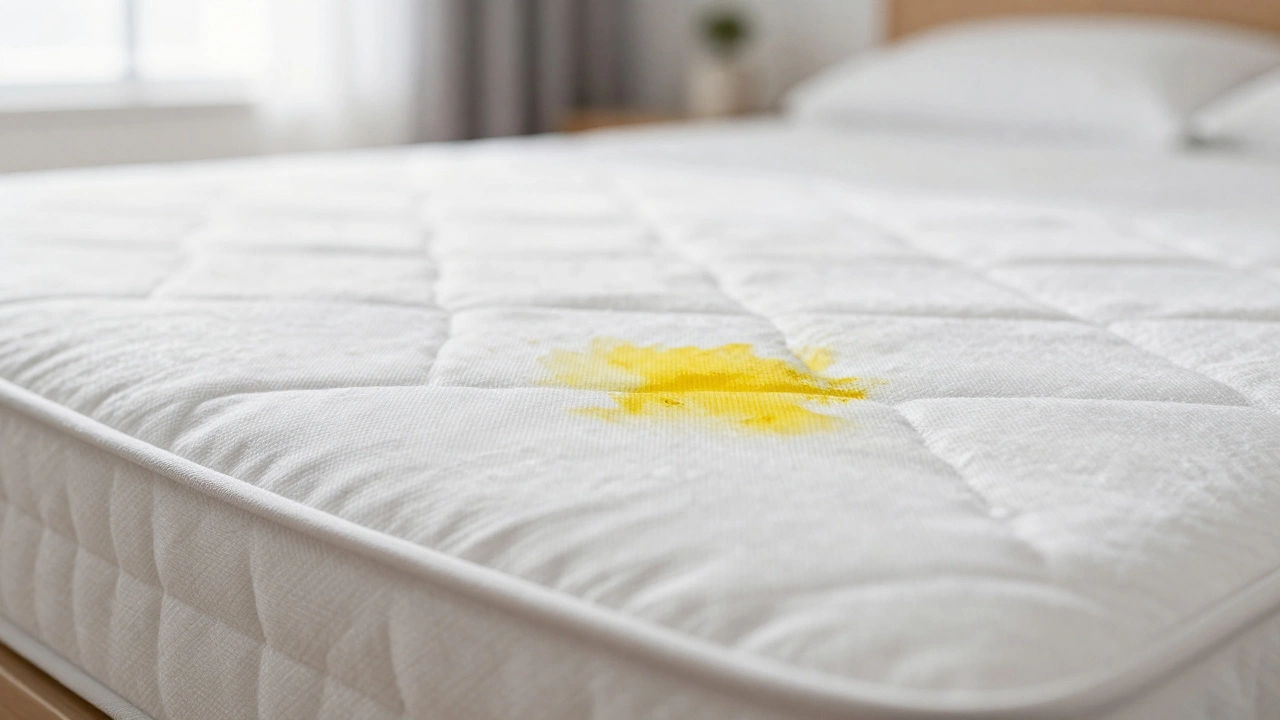
There is nothing quite as disappointing as peeling back the sheets in the morning to find a bright yellow patch on your white mattress. Whether it’s old sweat, spilled juice, or an accident that happened years ago, these stubborn marks can make your bed feel dirty and uninviting. The good news? You don’t need expensive professional services or harsh chemicals to fix this. With a few household items and the right technique, you can lift those stains and keep your sleeping surface fresh.
The key to removing yellow stains from a mattress lies in understanding what caused them in the first place. Most yellow discoloration comes from organic compounds like proteins in urine, oils in sweat, or tannins in beverages. If you treat the stain with the wrong method-like using hot water on protein-based stains-you can actually set the mark permanently. This guide walks you through identifying the source, choosing the right cleaning agent, and applying it safely without damaging your mattress materials.
Quick Summary / Key Takeaways
- Identify the source: Sweat and urine require enzymatic cleaners or vinegar solutions; food/drink stains respond well to dish soap and hydrogen peroxide.
- Blot, don’t rub: Rubbing pushes the stain deeper into the foam fibers. Always use a dabbing motion with a clean cloth.
- Avoid soaking: Mattresses trap moisture, which leads to mold. Use minimal liquid and ensure thorough drying with fans or sunlight.
- Baking soda is essential: It absorbs remaining odors and moisture after the cleaning solution has done its work.
- Test first: Always check a small, hidden area for colorfastness before applying any cleaning mixture to a visible spot.
Understanding What Causes Yellow Stains
Before grabbing your cleaning supplies, take a moment to figure out where the stain came from. Different substances break down differently, and using the correct chemical reaction makes all the difference between a faded mark and a completely invisible one.
Sweat is one of the most common culprits. Over time, the salts and oils in your body fluids oxidize when exposed to air, turning from clear to yellow. These stains are often widespread rather than localized. Urine stains, whether from pets, children, or adults, contain uric acid crystals that bond tightly to fabric fibers. If left untreated, they can reactivate with humidity, bringing back old odors. Food and drink spills, such as coffee, wine, or fruit juice, contain pigments that seep into the mattress cover. Finally, some older mattresses develop yellowing due to age and exposure to light, similar to how old paper yellows over time. While you can’t reverse aging, you can significantly lighten these marks.
Gathering Your Cleaning Supplies
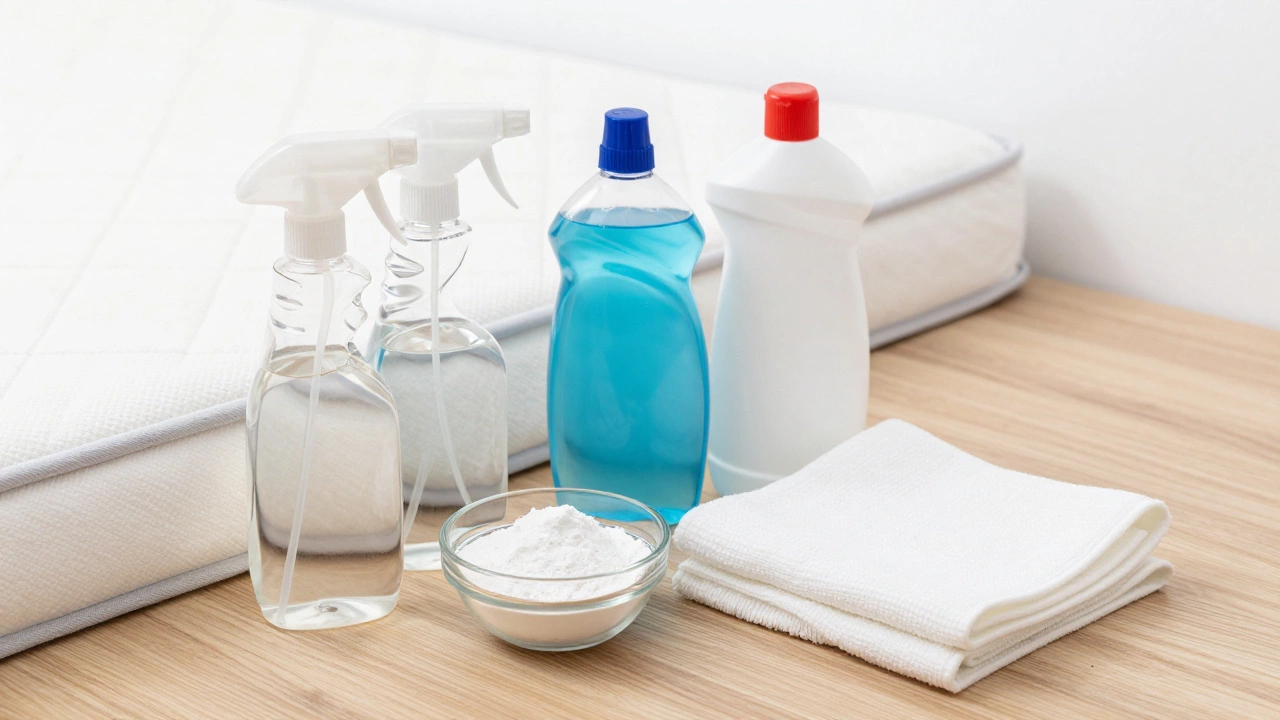
You likely already have everything you need in your kitchen or bathroom cabinet. Here is a list of effective, affordable ingredients that work together to lift stains:
- Hydrogen Peroxide (3%): A mild bleaching agent that breaks down organic stains without damaging most fabrics. Avoid on colored mattresses unless tested first.
- Dish Soap: Cutting-edge degreaser that lifts oils and proteins from sweat and food spills.
- White Vinegar: An acidic solution that neutralizes alkaline stains like urine and kills bacteria.
- Baking Soda: A natural absorbent that draws out moisture and neutralizes lingering odors.
- Cold Water: Hot water sets protein stains, so always start cold.
- Clean White Cloths or Paper Towels: Colored towels might transfer dye onto your mattress.
- Spray Bottle: For even application of cleaning solutions.
Step-by-Step: Removing Fresh vs. Old Stains
The approach changes slightly depending on how long the stain has been there. Fresh stains are easier to lift because the particles haven’t had time to bond deeply with the fibers. Old stains require more agitation and stronger breaking agents.
For Fresh Stains (Within 24 Hours)
- Blot immediately: Use a clean, dry cloth to soak up as much liquid as possible. Press down firmly but do not rub.
- Mix the solution: Combine 1 cup of cold water, ½ teaspoon of dish soap, and 1 tablespoon of hydrogen peroxide in a spray bottle. Shake gently.
- Apply lightly: Spray the stained area until damp, not soaked. Let it sit for 5-10 minutes.
- Blot again: Use a fresh cloth to blot the area. You should see the stain transferring to the cloth. Repeat until no more color comes off.
- Rinse: Lightly mist with plain cold water to remove soap residue, then blot dry.
For Old or Set-In Stains
- Vacuum first: Remove any loose debris or dust from the surface.
- Create a paste: Mix 2 tablespoons of baking soda with enough hydrogen peroxide to form a thick paste. Add a drop of dish soap if the stain is oily.
- Apply the paste: Spread it directly over the stain using a spoon or spatula. Let it sit for 30-60 minutes. The baking soda will begin to pull the stain out of the fibers.
- Scrub gently: Use a soft-bristled brush (like an old toothbrush) to work the paste into the fabric in circular motions. Be gentle to avoid fraying the material.
- Blot and rinse: Dab away the paste with a damp cloth. Rinse the area with a little cold water and blot until dry.
Tackling Specific Types of Yellow Stains
Some stains need specialized treatment. Here’s how to handle the most common offenders:
| Stain Type | Primary Cause | Recommended Solution | Special Tips |
|---|---|---|---|
| Urine | Uric acid crystals | Enzymatic cleaner or 1:1 vinegar/water mix | Never use ammonia; it smells like urine to pets and can worsen the odor. |
| Sweat | Oils and salts | Dish soap + hydrogen peroxide | Focus on edges and corners where heat builds up. |
| Coffee/Wine | Tannins and pigments | Club soda followed by baking soda paste | Act quickly; club soda helps lift pigment before it sets. |
| Blood | Protein | Cold water + hydrogen peroxide | Hot water will cook the protein, making it permanent. |
Drying Your Mattress Properly
Cleaning is only half the battle. If your mattress stays damp, you risk creating a breeding ground for mold and mildew, which can cause health issues and new odors. Moisture trapped inside memory foam or spring coils is particularly dangerous.
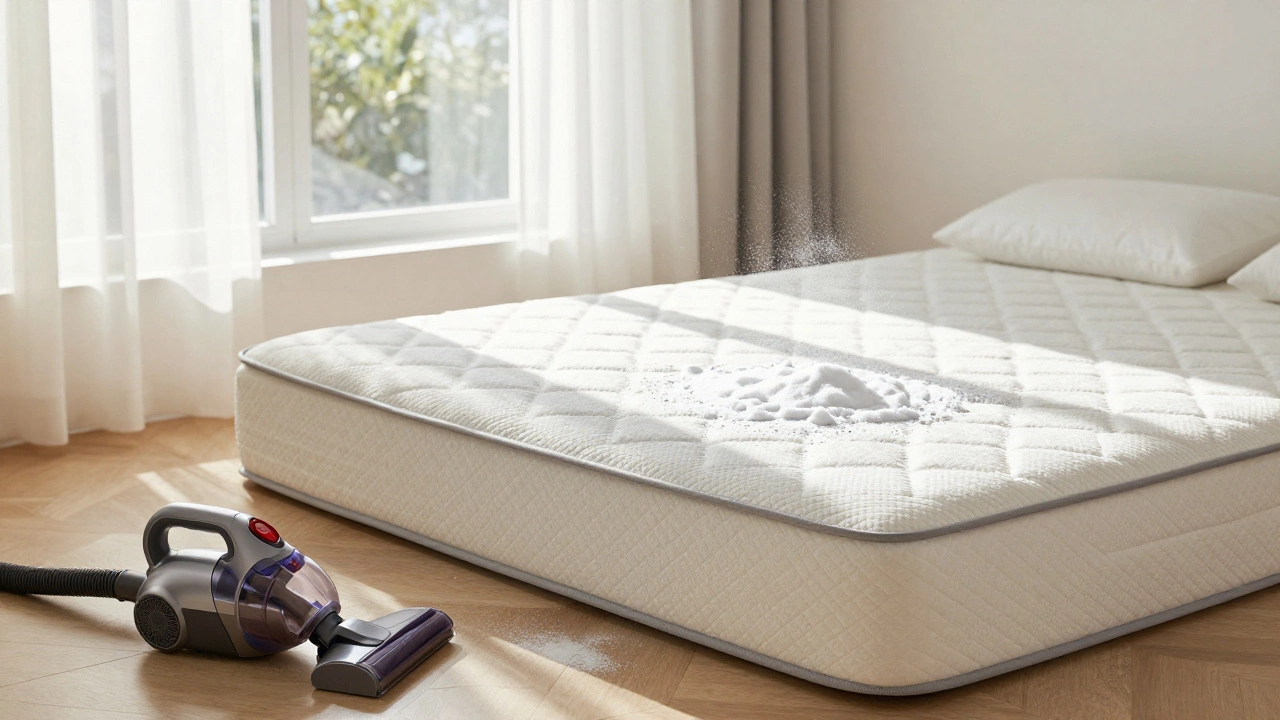
After cleaning, sprinkle a thin layer of baking soda over the entire cleaned area. This absorbs residual moisture and neutralizes any remaining smells. Leave it for at least 8 hours, or ideally overnight. Vacuum it up thoroughly using the upholstery attachment on your vacuum cleaner.
To speed up drying, open windows for cross-ventilation and place a fan directly over the mattress. If possible, move the bed to a sunny spot for a few hours. Sunlight acts as a natural disinfectant and bleach, helping to fade any faint remaining discoloration. Never put the sheets back on until the mattress is completely dry to the touch.
Preventing Future Yellow Stains
Once you’ve gone through the effort of cleaning your mattress, protecting it is crucial. Prevention is far easier than remediation.
- Use a waterproof mattress protector: Invest in a high-quality, breathable protector that zips around the mattress. This creates a barrier against sweat, spills, and accidents. Look for ones labeled “hypoallergenic” and “waterproof.”
- Rotate your mattress regularly: Turning your mattress head-to-foot every 3-6 months distributes wear and tear evenly, preventing concentrated sweat buildup in one area.
- Wash bedding frequently: Change your sheets and pillowcases weekly. This reduces the amount of body oil and dead skin cells that transfer to the mattress.
- Air out your bed daily: Strip the sheets for 15-30 minutes each morning to let the mattress breathe and release accumulated moisture.
When to Call a Professional
While DIY methods work for most household stains, some situations require expert help. Consider hiring a professional mattress cleaner if:
- The stain covers a large portion of the mattress and home remedies haven’t worked after multiple attempts.
- You suspect mold growth (look for black or green spots and a musty smell).
- The mattress is made of delicate materials like silk or wool blends that may be damaged by standard cleaners.
- You have severe allergies or respiratory issues and need a deep sanitization beyond surface cleaning.
Professional steam cleaners use high-temperature vapor that kills bacteria and lifts deep-seated grime without excessive moisture. However, ensure they use eco-friendly, non-toxic solutions to protect your indoor air quality.
Can I use bleach to remove yellow stains from my mattress?
It is generally not recommended to use chlorine bleach on mattresses. Bleach can weaken fabric fibers, cause discoloration, and leave behind harsh chemical residues that irritate your skin and lungs. Hydrogen peroxide is a safer, effective alternative for whitening and disinfecting.
Why does my mattress turn yellow over time?
Yellowing is primarily caused by oxidation. As sweat, oils, and other organic materials interact with oxygen and light, they undergo chemical changes that result in yellow discoloration. This is a natural process, especially in cotton and latex materials.
How long should I let baking soda sit on my mattress?
For best results, let baking soda sit for at least 8 hours, preferably overnight. This gives it enough time to absorb odors and moisture effectively. Vacuum it up thoroughly afterward to remove all particles.
Is it safe to wash a mattress in the washing machine?
No, you should never put an entire mattress in a washing machine. It is too large, heavy, and structurally complex. Only removable mattress covers or protectors should be machine washed according to their care labels.
What is the best way to remove urine smell from a mattress?
Start by blotting up any fresh urine. Then apply an enzymatic cleaner designed to break down uric acid crystals. If you don’t have one, a mixture of white vinegar and water works well. After treating, sprinkle baking soda to absorb odors and let it sit overnight before vacuuming.
Can sunlight help remove mattress stains?
Yes, direct sunlight acts as a natural disinfectant and mild bleach. Placing your mattress in the sun for a few hours can help fade yellow stains and kill bacteria. Just ensure the mattress is dry before bringing it back inside to prevent mold.