Upholstery Cleaning Calculator & Guide
Soap Solution Calculator
Enter how much warm water you plan to use to get the perfect dilution ratio (1 teaspoon per cup).
Recommended Mixture:
Mix thoroughly until suds form. Do not use undiluted.
Fabric Safety Check
Find the tag on your furniture (usually under cushions) and enter the code.
Safe Application Steps
Mix
Combine calculated amount of Dawn with warm water.
Test
Spot test in a hidden area. Wait 10 mins for reaction.
Blot
Use a damp white cloth. Blot from outside in. Never rub.
Rinse
Blot repeatedly with plain water to remove all soap residue.
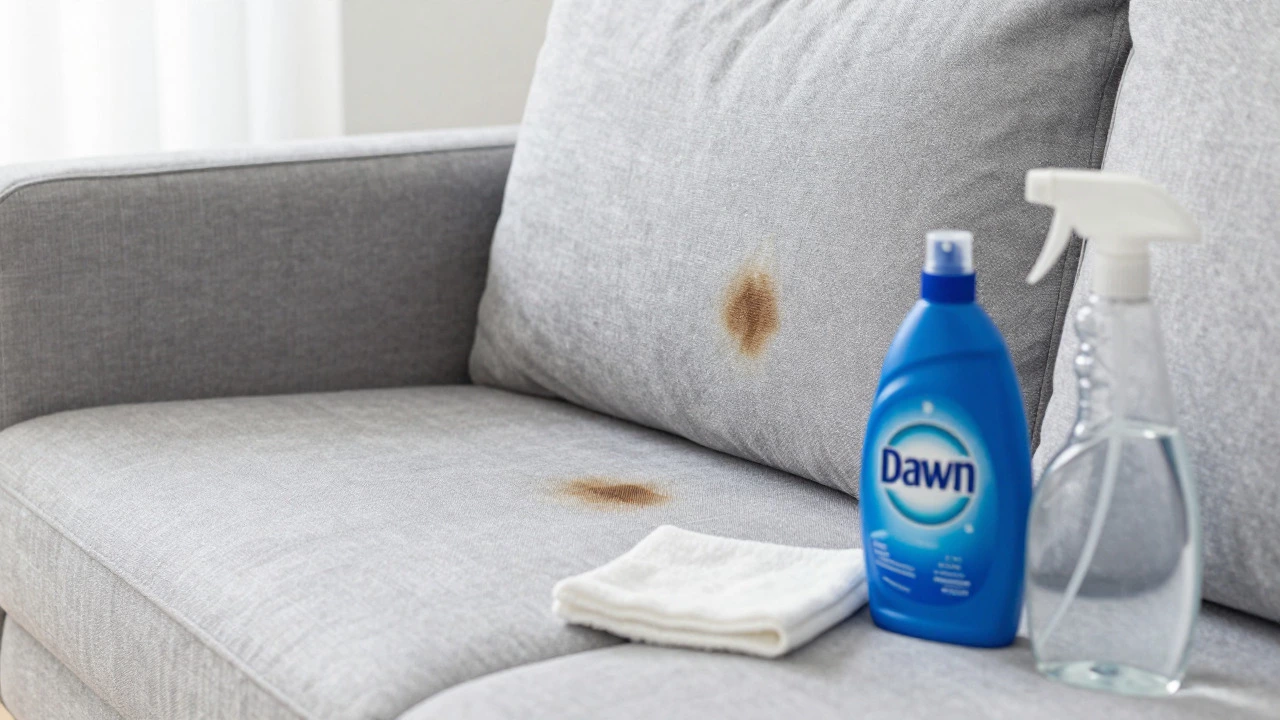
Spilled coffee on your favorite sofa? Red wine on the dining chairs? Before you panic or rush to buy expensive specialized cleaners, check your kitchen sink. Dawn dish soap is a concentrated, grease-cutting liquid detergent widely used for household cleaning tasks beyond just dishes. It has become a go-to solution for many homeowners tackling tough stains on fabrics. But here is the real question: can you actually use it on your upholstery without ruining the fabric?
The short answer is yes, but with major caveats. Dawn is incredibly effective at breaking down oils and organic stains, which makes it a powerhouse for dirty couches. However, its strength is also its risk. If used incorrectly, it can leave behind sticky residues, cause colors to bleed, or shrink delicate fibers. This guide breaks down exactly how to use Dawn on upholstery safely, when to avoid it entirely, and what steps to take if things go wrong.
Why Dawn Works on Fabric Stains
To understand why people swear by Dawn for furniture cleaning, you have to look at its chemistry. Unlike standard laundry detergents that are designed to rinse out quickly in high-heat water, dish soaps like Dawn are formulated to cling to surfaces and break down heavy fats and proteins. This property, known as surfactancy, allows the soap to lift dirt from deep within fabric fibers rather than just skimming the surface.
This makes it particularly effective against common household messes:
- Grease and oil spots: From pizza boxes left on the couch to accidental spills of cooking oil.
- Food stains: Tomato sauce, chocolate, and fruit juices often contain sugars and acids that Dawn helps neutralize and lift.
- Pet accidents: While it doesn't remove odors like enzymatic cleaners, it effectively removes the visible protein-based stains from pet vomit or urine.
However, effectiveness does not equal safety for all materials. The same mechanism that grabs onto grease can also strip natural oils from leather or weaken the dye bonds in cheap synthetic blends. Always check the manufacturer’s cleaning code before proceeding.
Check Your Fabric Code First
Before applying any liquid to your furniture, locate the tag hidden under cushions or along the back seam. Furniture manufacturers assign specific codes to indicate safe cleaning methods. Ignoring these codes is the fastest way to void warranties or ruin expensive pieces.
| Code | Meaning | Safe for Dawn? |
|---|---|---|
| S | Use solvent-based cleaners only (no water) | No. Water will damage the fabric. |
| W | Use water-based cleaners | Yes. Diluted Dawn is generally safe. |
| SW | Use either solvent or water-based cleaners | Yes. Test first, then proceed cautiously. |
| X | Vacuum only; do not use liquids | No. Professional cleaning recommended. |
If your furniture has an "S" or "X" code, put the Dawn away. These fabrics are often made from natural fibers like silk or wool, or synthetic blends treated with delicate coatings that water will destroy. For "W" and "SW" codes, you can proceed, but always perform a spot test in an inconspicuous area first.
How to Clean Upholstery with Dawn Safely
Using Dawn on upholstery requires precision. You are not scrubbing a frying pan; you are treating delicate textile. Follow this step-by-step process to minimize risks.
- Create a mild solution: Mix one teaspoon of Dawn with one cup of warm water. Do not make it stronger. High concentrations increase the risk of residue buildup.
- Spot test: Apply a small amount of the solution to a hidden area, such as the back of a cushion or under a seat. Wait 10 minutes. Check for color bleeding or texture changes. If nothing happens, you are good to go.
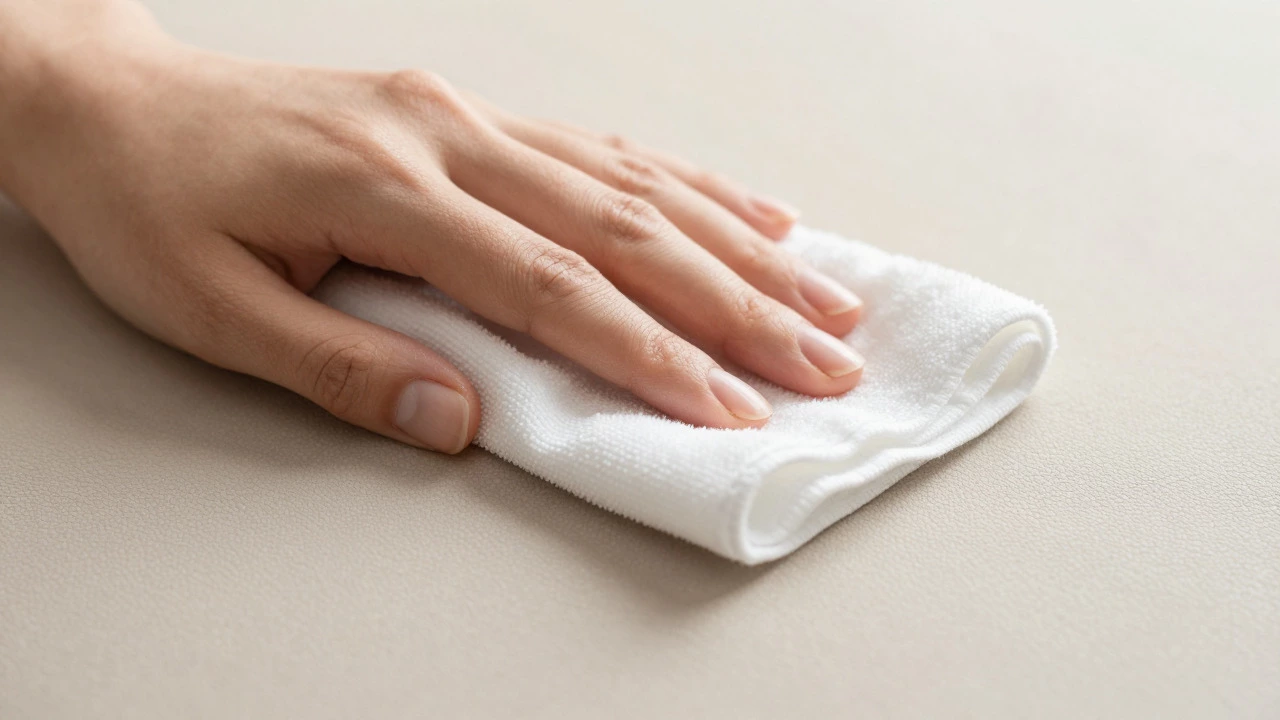
- Blot, don’t rub: Dip a clean white microfiber cloth into the solution and wring it out until it is damp, not dripping. Gently blot the stain from the outside in. Rubbing pushes the stain deeper into the fibers and can fray the fabric.
- Rinse thoroughly: This is the most critical step. Dampen a second clean cloth with plain water and blot the area repeatedly to remove all soap traces. Leftover soap attracts more dirt over time, creating new dark spots.
- Dry completely: Use a dry towel to absorb excess moisture, then let the area air dry. Open windows or use a fan to speed up the process. Never sit on wet upholstery, as this can set stains or cause mold growth.
Fabrics to Avoid Using Dawn On
Even with a "W" code, some materials react poorly to dish soap. Here is where you should exercise extreme caution or choose alternative methods.
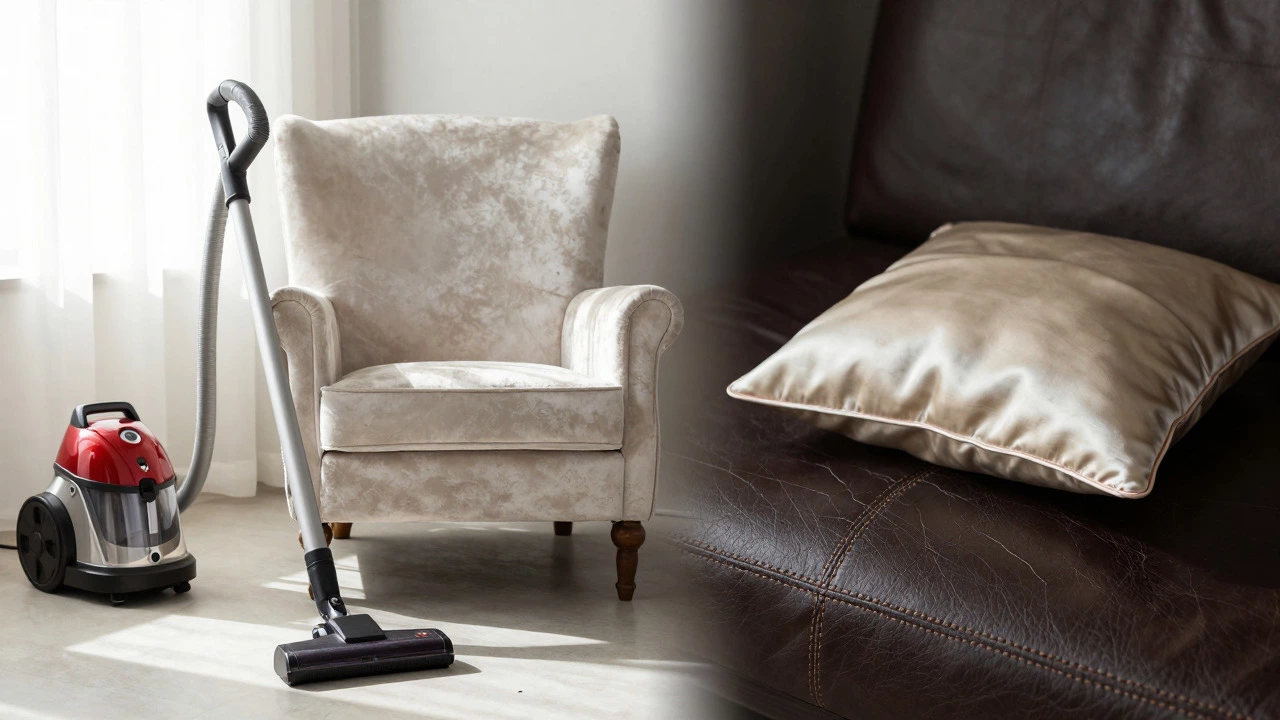
Leather and faux leather: Dawn strips the protective topcoat and natural oils from leather, leading to cracking and drying. Use a dedicated leather cleaner instead. For faux leather, mild soap might work, but harsh chemicals can degrade the plastic-like finish.
Silk and velvet: These luxury fabrics are highly sensitive to pH levels and abrasion. Dawn is alkaline, which can weaken silk fibers and crush the pile of velvet permanently. Stick to professional cleaning for these items.
Antique or vintage furniture: Older fabrics may have fragile dyes that haven’t been tested for modern detergents. The risk of irreversible damage is too high. Consult a textile conservator for valuable pieces.
Common Mistakes That Ruin Furniture
Most upholstery disasters happen because of impatience or incorrect technique. Avoid these pitfalls to keep your furniture looking fresh.
- Using undiluted soap: Pouring straight Dawn onto fabric creates a thick, sticky layer that is nearly impossible to rinse out fully. This residue acts like a magnet for dust and grime.
- Oversaturating the fabric: Soaking the cushion pad leads to prolonged drying times. Moisture trapped inside foam encourages bacterial growth and unpleasant odors.
- Skipping the rinse: Many people stop after the stain disappears. Without rinsing, the soap remains active, continuing to interact with the fabric dyes and potentially causing fading over weeks.
- Using colored towels: Always use white cloths. Colored ones can transfer dye to your light-colored upholstery, especially when wet.
Alternatives to Dawn for Delicate Fabrics
If Dawn feels too risky for your specific furniture, consider these gentler alternatives that still deliver strong cleaning power.
Vinegar and water solution: Mix equal parts white vinegar and water. Vinegar is acidic, which helps neutralize alkaline stains and odors without leaving residue. It is safe for most "W" coded fabrics and has natural disinfecting properties.
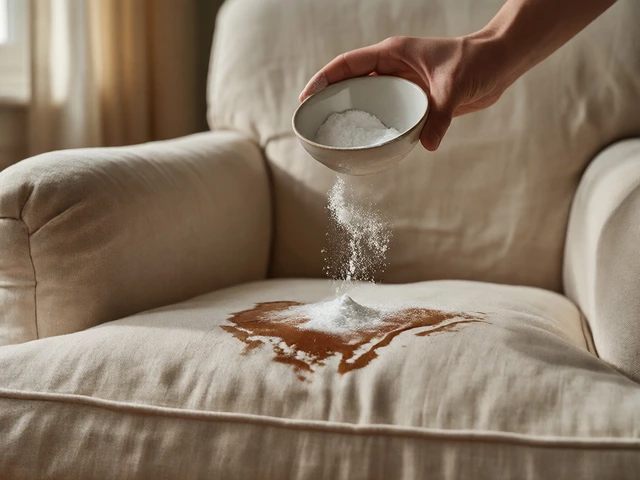
Baking soda paste: For stubborn stains, mix baking soda with a little water to form a paste. Apply it to the stain, let it dry completely, then vacuum it up. Baking soda absorbs odors and lifts dirt through absorption rather than chemical breakdown.
Commercial upholstery cleaners: Products like Bissell Carpet & Upholstery Cleaner or Folex Instant Carpet Spot Remover are specifically formulated to be low-residue and fabric-safe. They cost more per ounce than Dawn but offer peace of mind for expensive furniture.
Maintaining Your Upholstery Long-Term
Cleaning is reactive; maintenance is proactive. Regular care prevents stains from setting in the first place and extends the life of your furniture.
Vacuum your upholstery weekly using the brush attachment. This removes loose dirt, pet hair, and crumbs that grind into fibers during use. Rotate cushions regularly to ensure even wear and prevent permanent creases. Consider investing in a fabric protector spray like Scotchgard, which creates an invisible barrier against liquids and stains. Reapply every six months or after deep cleaning.
Finally, address spills immediately. Blotting within minutes prevents liquids from penetrating deep into the padding. The longer a stain sits, the harder it becomes to remove, regardless of the cleaner you use.
Does Dawn discolor upholstery?
Dawn itself does not typically cause discoloration, but improper rinsing can lead to yellowing or sticky residues that attract dirt. Color bleeding usually occurs if the fabric dyes are unstable, not because of the soap. Always perform a spot test in a hidden area before full application.
Can I use Dawn on leather sofas?
No, you should avoid using Dawn on leather. Dish soaps are too harsh and strip the natural oils and protective finishes from leather, leading to dryness, cracking, and premature aging. Use a pH-balanced leather cleaner designed specifically for this material.
How much Dawn should I mix with water?
Use a very dilute mixture: one teaspoon of Dawn per cup of warm water. Stronger solutions increase the risk of leaving behind soap residue, which attracts more dirt and can damage fabric fibers over time. Less is more when cleaning upholstery.
What if Dawn leaves a sticky residue?
If you notice stickiness, you didn’t rinse enough. Dampen a clean cloth with plain water and blot the area repeatedly to flush out remaining soap. You can also lightly mist the area with a vinegar-water solution (1:1 ratio) to help break down the residue, then blot dry again.
Is Dawn safe for white cotton upholstery?
Yes, diluted Dawn is generally safe for white cotton fabrics with a "W" code. Cotton is durable and handles water-based cleaners well. Just ensure thorough rinsing to prevent grayish buildup from soap residue, which is more visible on white fabrics.