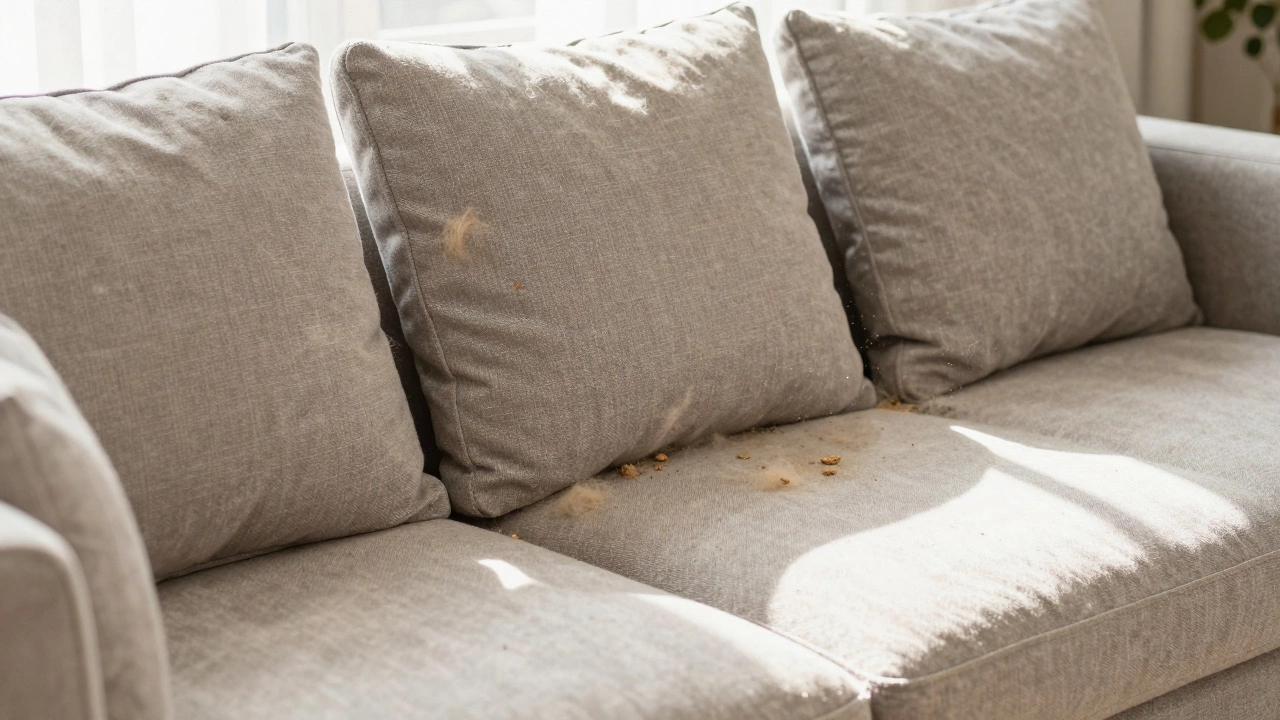
Your sofa is the heart of your living room. It’s where you watch movies, eat dinner, and crash after a long day. But it’s also a magnet for dust, pet hair, food crumbs, and bacteria. If you haven’t deep cleaned it in a while, you’re probably sitting on a layer of grime that regular vacuuming just can’t touch. Good news? You don’t need expensive professional equipment to get it looking and smelling fresh again. With the right supplies and a bit of elbow grease, you can restore your couch to its former glory.
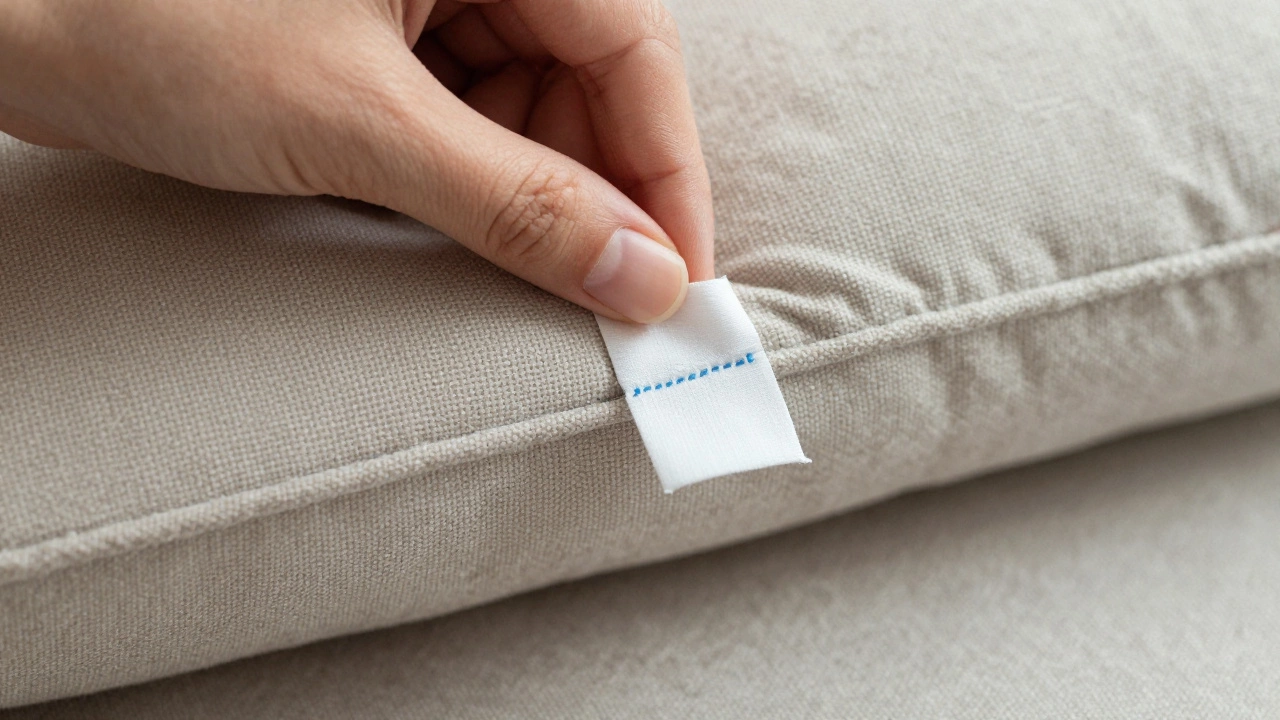
Before you grab any cleaning products, there is one critical step that most people skip: checking the fabric care label. This small tag, usually hidden under a cushion or on the side of the frame, holds the key to whether your sofa will survive the cleaning process or end up shrunk and stained. Ignoring it is the fastest way to ruin your furniture.
Decode the Fabric Care Code
Furniture manufacturers use a standardized system of codes to tell you how to clean their fabrics. These codes are printed on the label and determine which cleaning agents you can safely use. Misinterpreting these codes can lead to permanent damage, so take a moment to find that tag.
| Code | Meaning | Cleaning Method |
|---|---|---|
| W | Water-based cleaners | You can use water and mild detergents. This is the easiest code to work with. |
| S | Solvent-only | Use only dry-cleaning solvents. Water will cause staining or shrinking. Do not steam clean. |
| WS | Water or Solvent | You have flexibility. You can use either water-based cleaners or solvents, but avoid steam. |
| X | Vacuum only | No liquids allowed. Use a vacuum cleaner with an upholstery attachment. Professional cleaning may be required for deep dirt. |
If your sofa has a 'W' or 'WS' code, you’re in luck. Most household cleaning solutions will work. If it’s an 'S' code, you’ll need to buy a specific solvent cleaner from a hardware store. For 'X' codes, stick to vacuuming and spot cleaning with a dry foam if necessary. Never guess-if you lose the tag, test any cleaner on a hidden area first, like the back of a cushion or underneath the seat.
Gather Your Supplies
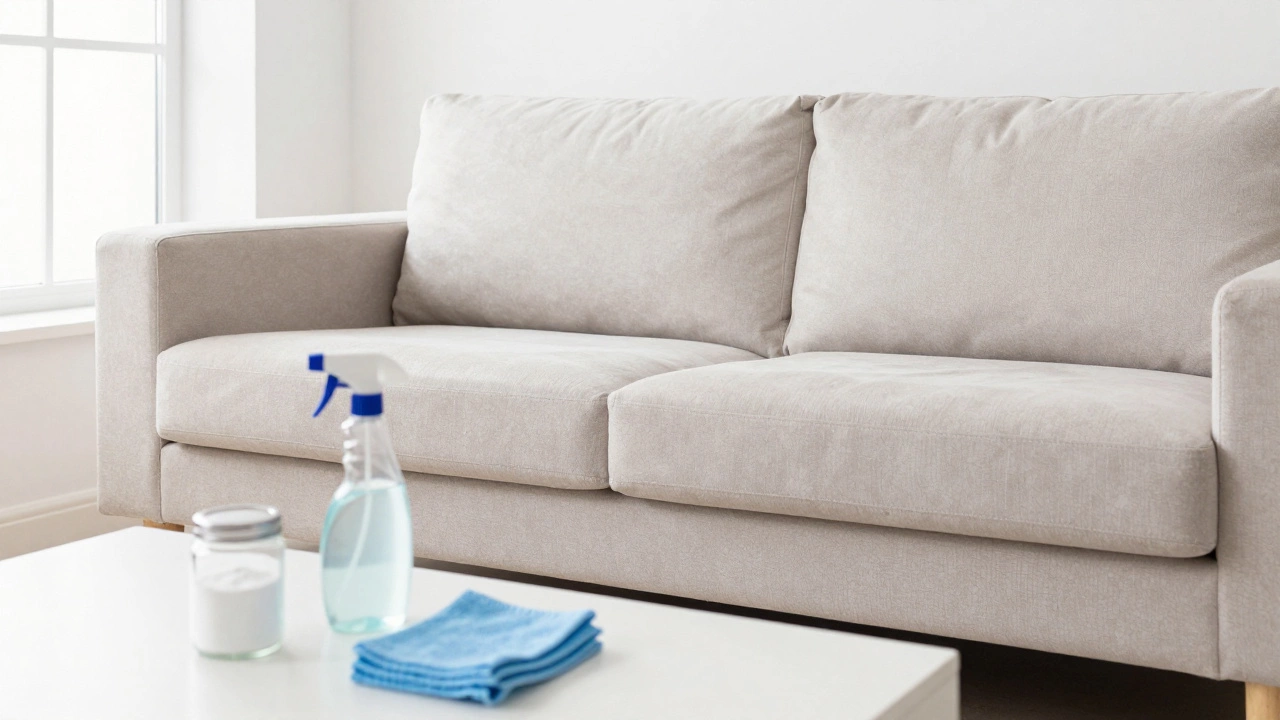
You don’t need a truckload of specialized gear. A few common household items and a basic vacuum cleaner are enough to tackle most jobs. Here’s what you’ll need:
- Vacuum cleaner with an upholstery attachment: Essential for removing loose dirt and debris before wet cleaning.
- Baking soda: A natural deodorizer that absorbs odors and helps lift stains.
- White vinegar: Effective for breaking down grime and neutralizing smells without harsh chemicals.
- Mild dish soap: Look for a clear, gentle formula. Avoid bleach or strong degreasers unless specified by the manufacturer.
- Microfiber cloths: Soft enough not to scratch fabric, but absorbent enough to hold moisture.
- Soft-bristled brush: An old toothbrush works perfectly for agitating stains in tight weaves.
- Spray bottle: For applying your cleaning solution evenly.
- Steam cleaner (optional): Great for 'W' coded fabrics, but ensure it’s suitable for upholstery to avoid overheating.
Step-by-Step Deep Cleaning Process
Now that you’re prepped, let’s get to work. Follow these steps in order to ensure a thorough clean without damaging the fabric.
1. Remove Cushions and Vacuum Thoroughly
Start by pulling off all removable cushions. Flip them over and vacuum both sides. Don’t just skim the surface-use the upholstery attachment to dig into the crevices between the cushions and the frame. Dirt accumulates in these gaps, and if you don’t remove it now, it will turn into mud when you apply water later. Pay special attention to seams and corners where crumbs hide. If you have pets, use a rubber glove to wipe over the fabric; this static trick pulls out embedded fur surprisingly well.
2. Spot Treat Stains First
Before you wash the whole sofa, tackle visible stains. Mixing equal parts white vinegar and warm water creates a safe, effective stain lifter for most 'W' fabrics. Spray lightly on the stain, then gently blot with a microfiber cloth. Never rub vigorously, as this pushes the stain deeper into the fibers. For tougher stains like wine or coffee, make a paste of baking soda and water, apply it to the spot, let it sit for 15 minutes, then vacuum it up. This draws the stain out rather than spreading it.
3. Apply the Cleaning Solution
For a general deep clean, mix one cup of warm water with a teaspoon of mild dish soap. Pour this into your spray bottle. Lightly mist the fabric-you want it damp, not soaking wet. Over-wetting can lead to mold growth inside the foam padding, which causes musty odors later. Work in sections, starting from the top of the backrest and moving down to the seat. This prevents dirty water from dripping onto areas you’ve already cleaned.
4. Agitate and Scrub
Using your soft-bristled brush or a clean microfiber cloth, gently scrub the fabric in circular motions. Focus on high-touch areas like armrests and the front edge of the seat. The agitation helps loosen dirt trapped in the weave. If you’re using a steam cleaner, follow the manufacturer’s instructions carefully. Keep the nozzle moving constantly to avoid saturating any single spot.
5. Rinse and Extract Moisture
Rinsing is crucial. Soap residue attracts more dirt over time, making your sofa look dull faster. Dampen a clean cloth with plain water and wipe down the areas you just cleaned to remove soap suds. Then, press firmly with a dry towel to absorb as much moisture as possible. Some people use a wet/dry vacuum to extract water from the fabric, which speeds up drying significantly.
6. Deodorize with Baking Soda
Once the surface is mostly dry, sprinkle a thin layer of baking soda over the entire sofa. Let it sit for at least 30 minutes, or ideally overnight. Baking soda neutralizes odors from pets, cooking, and smoke. Afterward, vacuum thoroughly to remove all powder. This step leaves your sofa smelling fresh and clean.
7. Air Dry Completely
Do not sit on the sofa until it is completely dry. This could take several hours or even a full day, depending on humidity and ventilation. Open windows, turn on fans, or run a dehumidifier to speed up the process. Sitting on damp fabric can imprint wrinkles or encourage mold growth in the underlying foam.
Tips for Different Fabric Types
Not all sofas are created equal. Here’s how to adjust your approach based on material:
- Cotton and Linen: These natural fibers are durable but prone to shrinking. Always check the care label. Use cool water and avoid wringing the fabric.
- Polyester and Microfiber: Synthetic fabrics are generally easy to clean and resist stains well. They dry quickly and tolerate most water-based cleaners.
- Leather: Never use water or vinegar on leather. Instead, use a dedicated leather cleaner and conditioner. Wipe with a damp cloth, then condition to prevent cracking.
- Velvet: Velvet requires extra care. Brush it gently in the direction of the nap after cleaning to restore its texture. Avoid heavy scrubbing.
When to Call a Professional
While DIY cleaning works for routine maintenance, some situations call for experts. If your sofa has severe pet urine stains, extensive mold, or delicate antique fabric, hiring a professional upholstery cleaner is worth the investment. They have industrial-grade extraction machines and specialized chemicals that penetrate deeper than home tools. Additionally, if your warranty requires professional cleaning every few years to remain valid, skip the DIY route to protect your coverage.
Maintaining Your Clean Sofa
To keep your sofa looking fresh between deep cleans, establish a few simple habits. Vacuum once a week to remove surface dust and pet hair. Blot spills immediately instead of rubbing them in. Rotate cushions regularly to ensure even wear. Consider using washable slipcovers for extra protection, especially if you have kids or pets. By combining regular upkeep with occasional deep cleaning, you’ll extend the life of your sofa and maintain a healthier living environment.
Can I use bleach on my sofa?
Generally, no. Bleach is too harsh for most upholstery fabrics and can cause discoloration, weakening of fibers, or permanent stains. Only use bleach if the manufacturer explicitly states it is safe, and always dilute it heavily. For most homes, hydrogen peroxide or oxygen-based cleaners are safer alternatives for whitening or disinfecting.
How often should I deep clean my sofa?
For average households, deep cleaning every 6 to 12 months is sufficient. If you have pets, allergies, or young children who eat on the couch, aim for every 3 to 6 months. Regular vacuuming weekly helps reduce the frequency of deep cleans needed.
What if my sofa doesn't have a care label?
If the label is missing, treat the fabric as sensitive. Test any cleaner on a small, hidden area first, such as the back of a cushion or under the seat. Wait 24 hours to check for color bleeding or shrinkage. When in doubt, start with dry methods like vacuuming and baking soda before introducing moisture.
Is steam cleaning better than manual cleaning?
Steam cleaning is highly effective for sanitizing and removing deep-seated dirt, especially for 'W' coded fabrics. However, it carries a risk of over-wetting if not done correctly. Manual cleaning gives you more control over moisture levels and is safer for delicate fabrics. Choose steam cleaning for heavy-duty jobs and manual methods for routine maintenance.
How do I remove pet urine smell from a sofa?
Enzymatic cleaners are the best solution for pet urine because they break down the proteins causing the odor. Avoid ammonia-based cleaners, as they can mimic urine scent to pets. Apply the enzymatic cleaner generously, let it soak according to the product instructions, then blot dry. Repeat if necessary. Baking soda can help neutralize residual odors after the area is dry.