Fabric Couch Cleaning Guide & Stain Remover
1. Check Your Care Label Code
Select the code found on your sofa's tag (usually under a cushion) to see what cleaning methods are safe.
Safe Methods for Code
2. Specific Stain Treatment
Maintenance Checklist
Keep these tasks in mind to extend the life of your furniture.
- Vacuum seams weekly with upholstery attachment.
- Blot spills immediately (never rub).
- Rotate cushions to prevent uneven wear.
- Use a fan to dry damp spots quickly.
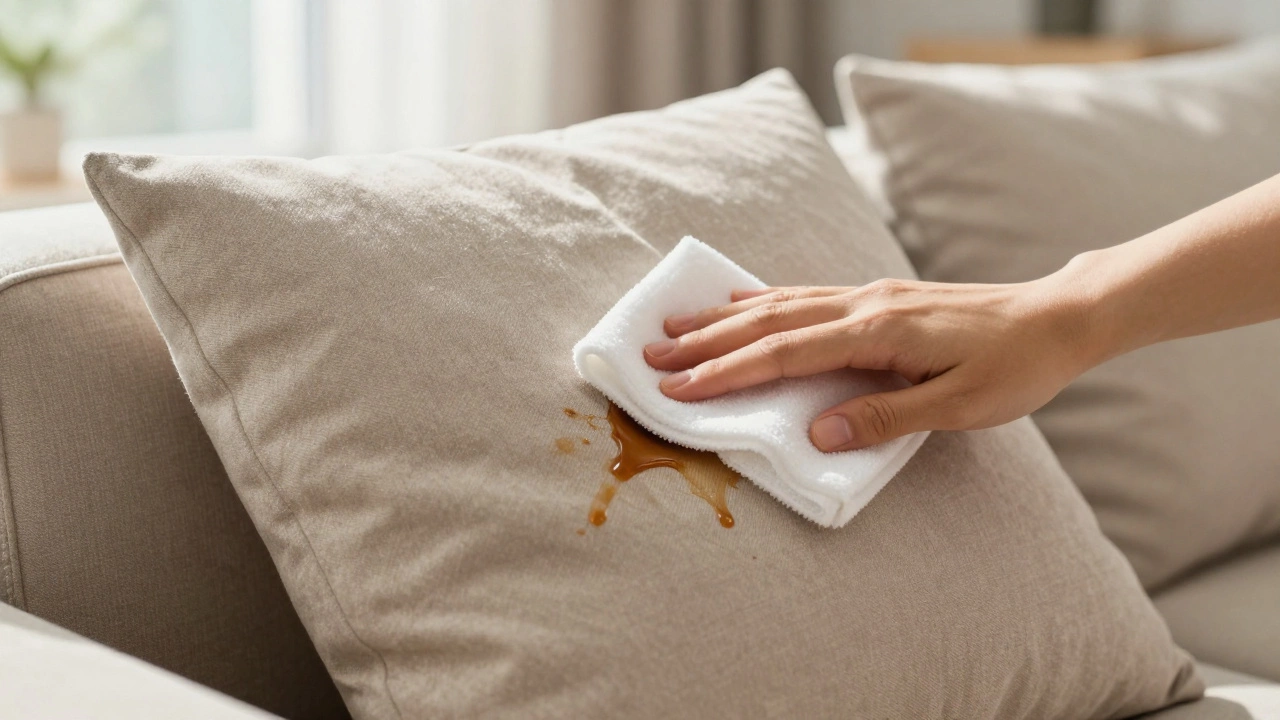
Spilled coffee on your favorite beige sofa? Don’t panic and don’t rush to the laundromat. You cannot wash a couch in a machine, but that doesn't mean it’s doomed to stay dirty. Most fabric sofas can be refreshed, deodorized, and spot-cleaned using methods that require zero water immersion. In fact, soaking your upholstery is often the fastest way to ruin it, leading to mold, mildew, and structural damage.
Cleaning a fabric couch without washing it relies on three pillars: mechanical removal (vacuuming), chemical action (spot treatment with minimal moisture), and air circulation. By mastering these techniques, you can extend the life of your furniture and keep it looking fresh between professional deep cleans. Here is exactly how to do it safely and effectively.
Check the Care Label First
Before you pick up a spray bottle or a brush, you need to know what you are dealing with. Every piece of upholstered furniture comes with a care label, usually tucked under a cushion or on the underside of the frame. This small tag holds the code to safe cleaning. Ignoring it is like guessing at a password-it might work once, but eventually, you’ll lock yourself out.
| Code | Meaning | Safe Cleaning Method |
|---|---|---|
| S | Solvent Only | Use only dry-cleaning solvents. Do not use water-based cleaners, as they may cause shrinking or staining. |
| W | Water-Based Cleaner | You can use water-based solutions, mild detergents, or steam cleaners. This is the most common code for durable fabrics. |
| SW | Solvent or Water | You have flexibility here. Both water-based and solvent-based cleaners are safe. Test first to see which works best. |
| X | Vacuum Only | Do not use any liquids or chemicals. Vacuuming with an upholstery attachment is the only safe method. |
If your couch has an 'S' or 'X' code, your options are limited to dry methods like vacuuming and specialized dry-cleaning powders. If it has a 'W' or 'SW' code, you can use damp cloths and mild soapy solutions. Knowing this distinction prevents accidental shrinkage or color bleeding before you even start scrubbing.
The Power of Dry Cleaning: Vacuuming and Brushing
Most dirt on a fabric couch isn't actually stuck in the fibers; it's sitting on top of them. Dust, pet hair, skin cells, and crumbs accumulate daily. If you apply liquid cleaner to a dusty surface, you turn that dust into mud, pushing grime deeper into the cushion. The first step in any non-washing cleaning routine is aggressive dry removal.
Start with a standard vacuum cleaner equipped with an upholstery tool. Go over every inch of the sofa, including the seams where debris loves to hide. Use slow, overlapping strokes to lift embedded particles. For stubborn pet hair, try wrapping your hand in a rubber glove or using a dedicated lint roller. The static friction grabs the hair far better than a bare hand or a soft brush.
After vacuuming, take a soft-bristled brush-like a clean paintbrush or a dedicated upholstery brush-and gently brush the fabric in one direction. This raises the nap (the pile of the fabric) and helps release trapped dust. Follow up with another quick vacuum pass. This mechanical process alone can make a visibly dull couch look significantly brighter without using a drop of water.
Tackling Stains Without Soaking
When accidents happen, speed is your best friend. Blotting, not rubbing, is the golden rule. Rubbing spreads the stain and damages the fiber structure. Instead, press down firmly with a clean, absorbent cloth to lift the liquid out of the fabric.
For 'W' or 'SW' coded fabrics, create a gentle cleaning solution. Mix one teaspoon of clear, mild dish soap with one cup of lukewarm water. Dip a microfiber cloth into the solution, then wring it out until it is barely damp. You want moisture, not wetness. Gently dab the stained area, working from the outside in to prevent ring formation. As the stain lifts, switch to a clean part of the cloth or rinse your cloth frequently to avoid redepositing dirt.
Once the stain is gone, rinse the area by dabbing with a cloth dipped in plain water and wrung out tightly. Finally, blot dry with a towel. To speed up drying and prevent water marks, place a fan nearby or open a window. Never let a spot remain damp for more than a few hours, as this invites mold growth inside the cushion foam.
Using Baking Soda for Odors and Deep Dirt
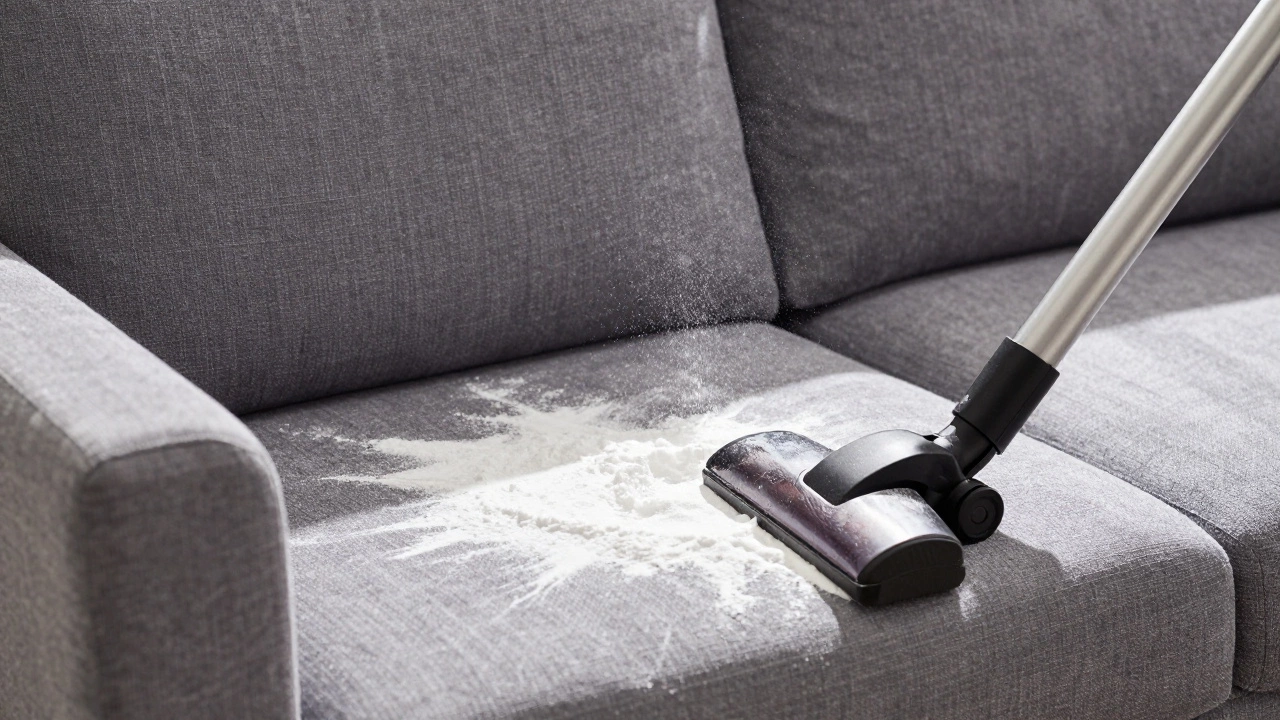
Baking soda is a household staple for a reason. It is alkaline, which helps neutralize acidic odors like those from pets, food, or sweat. More importantly, it acts as a mild abrasive and absorbent when used in a dry state. This makes it perfect for cleaning a fabric couch without washing it.
To use baking soda, sprinkle a generous layer over the entire surface of the couch. Focus on high-contact areas like seat cushions and armrests. Let it sit for at least 30 minutes, though leaving it overnight yields better results for strong odors. The powder will absorb oils and smells from the fabric fibers.
After the waiting period, vacuum thoroughly. Use the upholstery attachment to ensure all the powder is removed. Any residual baking soda left in the fabric can act as an abrasive during normal use, potentially wearing down the fibers over time. This method refreshes the couch and removes light soil without introducing moisture.
Dry Foam Cleaners for a Professional Touch
If vacuuming and baking soda aren't enough, consider a commercial dry foam upholstery cleaner. These products are designed specifically for 'S' coded fabrics or for people who want to minimize water usage. They come in aerosol cans or pump bottles and expand into a thick foam upon application.
Apply the foam to a section of the couch. Let it sit for the time specified on the label-usually a few minutes. The foam encapsulates dirt and lifts it from the fibers as it dries. Once dry, the dirt becomes brittle and can be easily vacuumed away. This method is excellent for refreshing large areas without the risk of over-wetting the fabric. Always test the product on an inconspicuous area first to check for colorfastness.
Steam Cleaning: The Low-Moisture Option
While technically involving water, steam cleaning is distinct from traditional washing because it uses minimal moisture and high heat. Modern handheld steam cleaners inject a tiny amount of water into a heating chamber, creating steam that sanitizes and loosens dirt. The key is that the fabric dries within minutes, reducing the risk of mold.
Steam cleaning is highly effective for 'W' and 'SW' fabrics. The heat kills dust mites, bacteria, and allergens, making it a great choice for households with allergies. However, be cautious with delicate fabrics like silk or velvet, as high heat can damage the finish. Always follow the manufacturer’s instructions for your specific steam cleaner and move the nozzle continuously to avoid saturating any single spot.
Maintaining Your Couch Between Cleans
Prevention is easier than cure. Regular maintenance keeps your couch cleaner for longer and reduces the need for intensive cleaning sessions. Vacuum your upholstery once a week to remove surface dust and pet hair. Address spills immediately by blotting them up.
Consider using removable, washable slipcovers if your couch design allows it. This protects the underlying fabric from wear and tear. Rotate cushions regularly to ensure even wear and prevent permanent indentations. Keep direct sunlight off your couch when possible, as UV rays can fade colors and weaken fibers over time.
By combining regular dry cleaning methods with targeted spot treatments, you can keep your fabric couch looking new without ever submerging it in water. Remember, less is often more when it comes to upholstery. Over-cleaning can strip natural oils from the fabric, making it feel rough and look dull. Stick to gentle methods, respect the care labels, and your couch will reward you with years of comfort and style.
Can I use vinegar to clean my fabric couch?
Yes, white vinegar is a safe and effective cleaner for many fabric couches, especially those with a 'W' or 'SW' code. Mix equal parts white vinegar and water in a spray bottle. Lightly mist the fabric (do not soak it) and blot with a clean cloth. Vinegar helps break down dirt and neutralize odors. Always test on a hidden area first to ensure it doesn't affect the color.
How do I remove pet urine from a fabric couch without washing it?
Blot up as much urine as possible immediately. Then, apply an enzymatic cleaner designed for pet stains. These cleaners break down the proteins in urine that cause lingering odors. Avoid ammonia-based cleaners, as they can smell like urine to pets and encourage re-marking. After applying the enzyme cleaner, let it dry completely before vacuuming any residue.
Is it safe to use a steam cleaner on all fabric couches?
No, steam cleaning is not safe for all fabrics. Check the care label first. Steam is generally safe for 'W' and 'SW' codes but should be avoided on 'S' (solvent-only) and 'X' (vacuum-only) fabrics. Delicate materials like silk, velvet, or antique fabrics may also be damaged by high heat and moisture. When in doubt, stick to dry cleaning methods or consult a professional.
What is the best way to remove ink stains from upholstery?
Ink stains are tricky but can often be lifted with rubbing alcohol (isopropyl alcohol). Dab a cotton ball soaked in rubbing alcohol onto the stain, working from the outside in. The alcohol breaks down the ink, allowing it to transfer to the cotton. Repeat with fresh cotton balls until no more ink transfers. Rinse the area with a damp cloth and blot dry. Test on a hidden area first, as alcohol can sometimes affect dye.
How often should I deep clean my fabric couch?
It is recommended to deep clean your fabric couch every 12 to 24 months. Households with pets, children, or smokers may need more frequent cleaning, perhaps every 6 to 12 months. Regular vacuuming and spot cleaning between deep cleans will help maintain the fabric's appearance and hygiene. If you notice persistent odors or visible buildup, it’s time for a deeper clean.