Spring Cleaning Frequency Estimator
Stop guessing when to deep clean. Answer a few questions about your household to get a personalized cleaning schedule recommendation.
Estimated Time per Session
Next Focus Area
Let’s be honest: the idea of spending an entire weekend scrubbing baseboards while your family watches TV is exhausting. We’ve all bought into the myth that spring cleaning is a once-a-year, life-or-death event where you must purge every closet and wash every window pane in April. But does it really have to be that brutal? If you’re asking how often you should actually do it, the answer isn’t a single date on the calendar. It depends on your lifestyle, your allergies, and whether you’re ready to break the cycle of annual panic.
The Myth of the Annual Reset
Historically, spring cleaning wasn’t about hygiene; it was about survival. Before electric lights and central heating, homes were lit by oil lamps and heated by coal or wood fires. By winter’s end, soot coated everything. When the weather warmed up, people opened windows to air out smoke and scrubbed away the grime before the dust of summer arrived. Today, we don’t live in soot-filled cottages. Our homes accumulate different kinds of dirt-dust mites, pet dander, cooking grease, and digital clutter. Treating modern spring cleaning like a medieval ritual sets us up for failure. The goal shouldn’t be perfection; it should be resetting your baseline so your home feels fresh again without burning you out.
Factors That Change Your Schedule
There is no one-size-fits-all answer. If you live alone in a minimalist apartment with no pets, you might get away with a major deep clean twice a year. If you have three kids, two dogs, and work from home, waiting until April means living in a mess for months. Here are the real variables that dictate your frequency:
- Allergies and Health: If anyone in your household suffers from hay fever or asthma, waiting until pollen season peaks is too late. You need to remove accumulated dust before the outdoor allergens hit.
- Pets and Children: Fur, mud, and sticky fingers accelerate wear. These homes benefit from quarterly mini-deep cleans rather than one massive annual overhaul.
- Climate and Location: In Manchester, dampness can lead to mold issues that require more frequent attention than in drier climates. Coastal areas face salt buildup; urban areas deal with street pollution.
- Lifestyle Changes: Did you just adopt a cat? Start working from home? Renovate the kitchen? These events trigger a need for immediate deep cleaning, regardless of the season.
A Better Approach: The Quarterly Deep Clean
Instead of hoarding tasks for one frantic week in March, try spreading the load. Think of it as four smaller resets. This keeps your home manageable and prevents the "snowball effect" where small neglect turns into overwhelming chaos. Here is how a realistic schedule looks throughout the year.
| Season | Primary Focus | Key Tasks | Why Now? |
|---|---|---|---|
| Winter (Jan) | Declutter & Organize | Donate unused items, organize pantry, clean fridge shelves | Post-holiday reset; clears space for new year goals |
| Spring (Apr) | Dust & Air Quality | Clean windows, vacuum curtains, wipe vents, check filters | Prepares home for open windows and allergy season |
| Summer (Jul) | Exterior & High-Traffic | Pressure wash patio, clean AC units, deep clean carpets | Outdoor living prep; removes summer sweat/stains |
| Autumn (Oct) | Comfort & Safety | Check smoke alarms, seal drafts, clean oven, organize closets | Readies home for closed-up winter months |
What Actually Counts as "Deep" Cleaning?
You don’t need to strip the walls to feel the benefits. Deep cleaning means tackling the spots your weekly routine misses. It’s about addressing the invisible buildup. For most homes, this involves specific zones that trap grime over time.
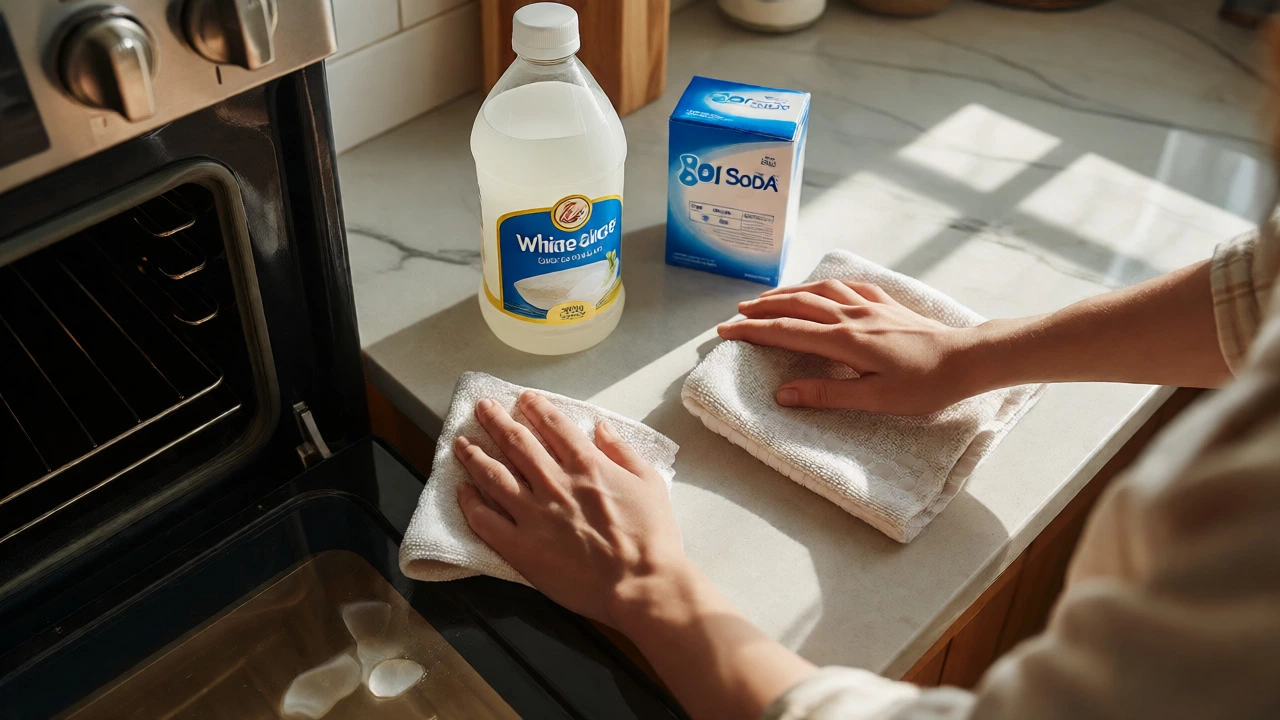
Start with the kitchen. It’s not just about wiping counters. Pull out the fridge and toss expired condiments. Scrub behind the stove where grease hardens into a sticky layer. Run a cleaning cycle through your dishwasher with vinegar to clear mineral deposits. These tasks take an hour but make the whole room smell and look brand new.
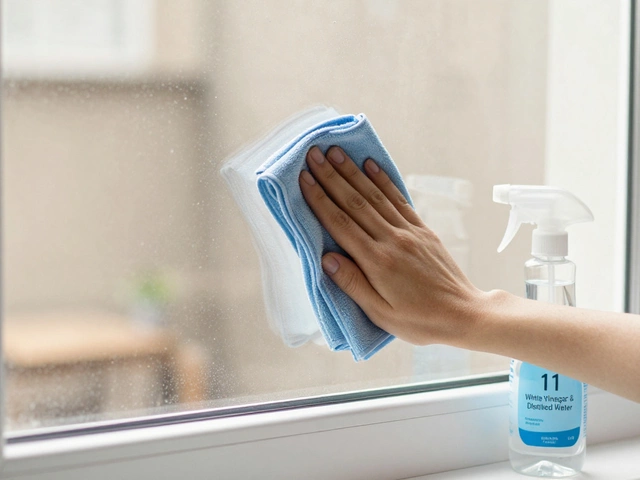
Next, tackle textiles. Carpets, rugs, and upholstery hold onto odors and allergens long after they look clean. Vacuuming helps, but steam cleaning or professional extraction removes embedded particles. If you can’t afford professional help, rent a carpet cleaner or use baking soda to deodorize sofas before vacuuming them up. Don’t forget light fixtures. Dust accumulates on ceiling fans and lampshades, scattering dirty air every time you turn them on. Wipe them down with a microfiber cloth dampened with warm water.
Breaking the Cycle of Procrastination
Why do we put it off? Usually, because the task feels huge. "Clean the house" is a vague command that leads to paralysis. Break it down. Pick one drawer, one shelf, or one corner per day. The "15-Minute Rule" works wonders: set a timer for 15 minutes and clean one specific area. When the timer goes off, stop. You’ll often find momentum kicks in, and you’ll want to keep going. If not, you’ve still made progress.
Another trick is pairing cleaning with entertainment. Listen to a podcast or audiobook only when you’re cleaning. Suddenly, the chore becomes the gateway to your favorite story. Or, invite a friend over for a "declutter swap." Bring items you no longer need, take what you love, and chat while you sort. Social accountability makes the work lighter.

Common Pitfalls to Avoid
Don’t buy specialized cleaners for every surface. Most multi-surface sprays are overpriced water with fragrance. White vinegar, baking soda, and dish soap handle 90% of household grime. Save your money for good tools-a high-quality microfiber cloth set and a reliable vacuum matter more than branded solutions.
Also, avoid the "all-or-nothing" mindset. If you miss your spring cleaning deadline, don’t skip it entirely. Do half. A partial deep clean is infinitely better than none. Perfection is the enemy of done. Your home doesn’t need to look like a magazine spread; it needs to support your well-being.
When to Call in Pros
Sometimes, DIY hits its limit. If you’re dealing with mold growth, extensive water damage, or heavy-duty stains on delicate fabrics, call a professional. In the UK, services like pressure washing for driveways or upholstery cleaning for sofas can save hours of labor and prevent damage from improper techniques. It’s worth the investment if it saves you a weekend of back pain and frustration.
Ultimately, how often you spring clean is up to you. But shifting from an annual marathon to regular, manageable resets will change your relationship with your home. You’ll spend less time stressing and more time enjoying a space that feels truly yours.
Is spring cleaning necessary if I clean regularly?
Yes, even with regular weekly cleaning, deep-cleaning tasks like washing windows, cleaning inside ovens, and moving furniture to vacuum underneath rarely happen in daily routines. A periodic deep clean addresses these blind spots to maintain hygiene and prevent long-term buildup.
How long does a typical spring clean take?
For a standard three-bedroom home, a thorough spring clean typically takes 8-12 hours if done solo. Spreading this over several weekends or days reduces fatigue and improves quality. Hiring professionals can reduce this to 4-6 hours depending on the scope.
What is the first thing to do when starting a spring clean?
Start with decluttering. Remove items you no longer use or love before you begin cleaning surfaces. This prevents you from organizing clutter and ensures you’re only cleaning spaces that matter. Top-down cleaning (ceiling to floor) is the next logical step to avoid re-soiling cleaned areas.
Can I skip spring cleaning if I hire a maid service?
Maid services usually handle routine maintenance. They may not perform deep tasks like descaling appliances, cleaning inside cabinets, or washing curtains unless specified. You still need to plan for occasional deep cleans, though you can delegate some of the physical labor to your service provider.
Does spring cleaning help with allergies?
Absolutely. Removing accumulated dust, pet dander, and mold spores before pollen season begins significantly reduces indoor allergen loads. Cleaning HVAC filters, vacuuming upholstered furniture, and washing bedding in hot water are particularly effective strategies for allergy sufferers.