Couch Cleaning Schedule Calculator
Answer a few questions about your lifestyle to get a personalized cleaning routine that prevents mold, odors, and allergen buildup.
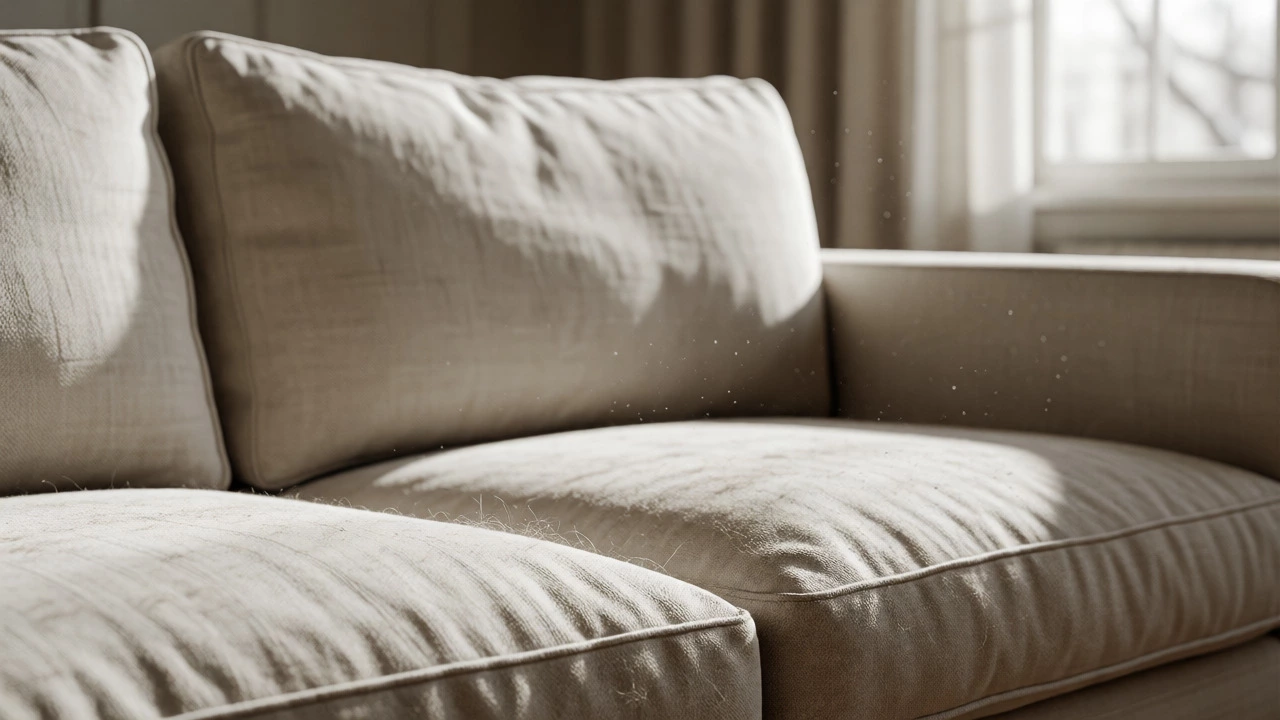
Most people ignore their sofas until they start to smell or look visibly grimy. But waiting for disaster means you are living with years of accumulated dust mites, dead skin cells, and pet dander. The truth is, there isn't one magic number that applies to every household. Your cleaning schedule depends entirely on who uses the couch, what it's made of, and how messy your life actually is.
Couch cleaning is the process of removing dirt, stains, allergens, and odors from upholstered furniture to maintain hygiene and extend the lifespan of the fabric. While many assume annual professional cleaning is enough, the reality involves a mix of weekly vacuuming and periodic deep cleans.
The Baseline: What Most Households Actually Need
If you live alone, have no pets, and don't eat on the sofa, you can get away with less frequent intervention. For this "low-risk" group, a thorough vacuum once a month is sufficient to keep dust at bay. You should aim for a professional deep clean or a rigorous DIY steam clean once every 12 to 18 months. This keeps the fibers fresh without over-saturating them with moisture, which can sometimes lead to mold if not dried properly.
However, most homes aren't low-risk. If you have kids, the baseline shifts dramatically. Crumbs, juice spills, and sticky fingers turn a pristine sofa into a magnet for bacteria within weeks. In these households, vacuuming should happen weekly, not monthly. You need to address stains immediately-blotting, never rubbing-to prevent permanent setting. A semi-annual deep clean becomes non-negotiable here to remove embedded grime that vacuuming misses.
Pets Change Everything
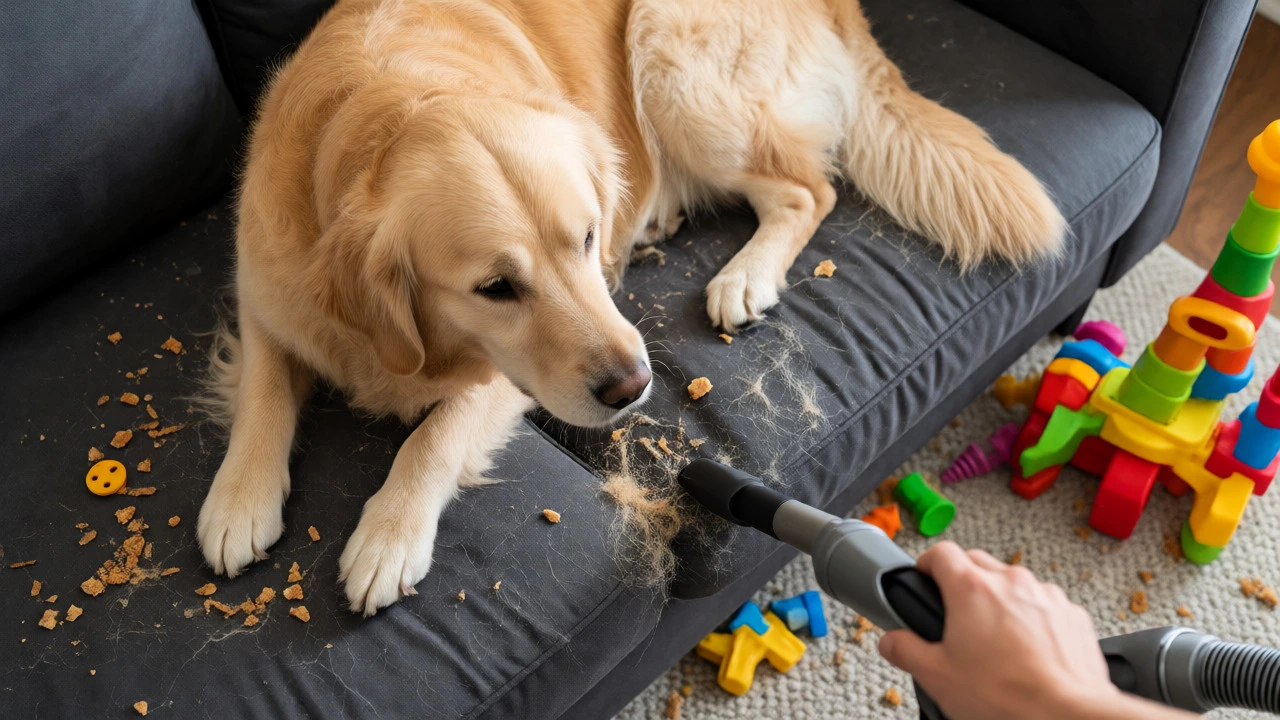
Let's be honest: pets destroy furniture hygiene faster than any other factor. Cat hair embeds itself into every crevice, and dog oils create a greasy film on fabric surfaces that attracts dirt like glue. If you have furry friends, your couch needs attention far more often.
- Vacuuming: Twice a week minimum. Use an upholstery attachment to get under cushions and into seams where fur accumulates.
- Deodorizing: Sprinkle baking soda on the surface, let it sit for 30 minutes, then vacuum it up. Do this monthly to neutralize wet-dog smells.
- Deep Cleaning: Every 6 months. Pet dander is a major allergen trigger, so regular extraction cleaning helps improve indoor air quality significantly.
If your dog sleeps on the couch nightly, consider rotating slipcovers. Washable covers allow you to reset the hygiene clock every two weeks, buying you time between heavy-duty cleanings.
Fabric Type Matters More Than You Think
Not all sofas are created equal. The material dictates both how dirty it gets and how often you can safely clean it. Misjudging the fabric type is the fastest way to ruin expensive upholstery.
| Material | Vacuum Frequency | Deep Clean Frequency | Risk Factor |
|---|---|---|---|
| Microfiber | Weekly | Every 6-12 months | Low (stain resistant) |
| Leather | Monthly dusting | Condition every 6 months | Medium (cracking risk) |
| Velvet | Weekly brushing | Professional only | High (water marks) |
| Cotton/Linen | Weekly | Every 3-6 months | High (absorbs odors) |
Microfiber is forgiving. Its tight weave resists liquid penetration, making spot cleaning easy. You can often use water-based cleaners without fear of ring marks. Leather, conversely, doesn't absorb dirt but collects it on the surface. It requires conditioning rather than washing. Skipping conditioner leads to cracking, which looks worse than a stain. Velvet is tricky because water leaves distinct tide lines. Unless you have experience with solvent-based cleaners, hire a pro for velvet. Cotton and linen are breathable but porous. They trap sweat and food smells quickly, requiring more frequent airing out and cleaning.
The Hidden Culprit: Dust Mites and Allergies
You might think your couch looks clean, but visual cleanliness is a lie. Dust mites thrive in warm, dark environments-exactly what the inside of a cushion provides. These microscopic creatures feed on dead human skin cells. An average person sheds about 1.5 grams of skin daily, much of which ends up on your sofa.
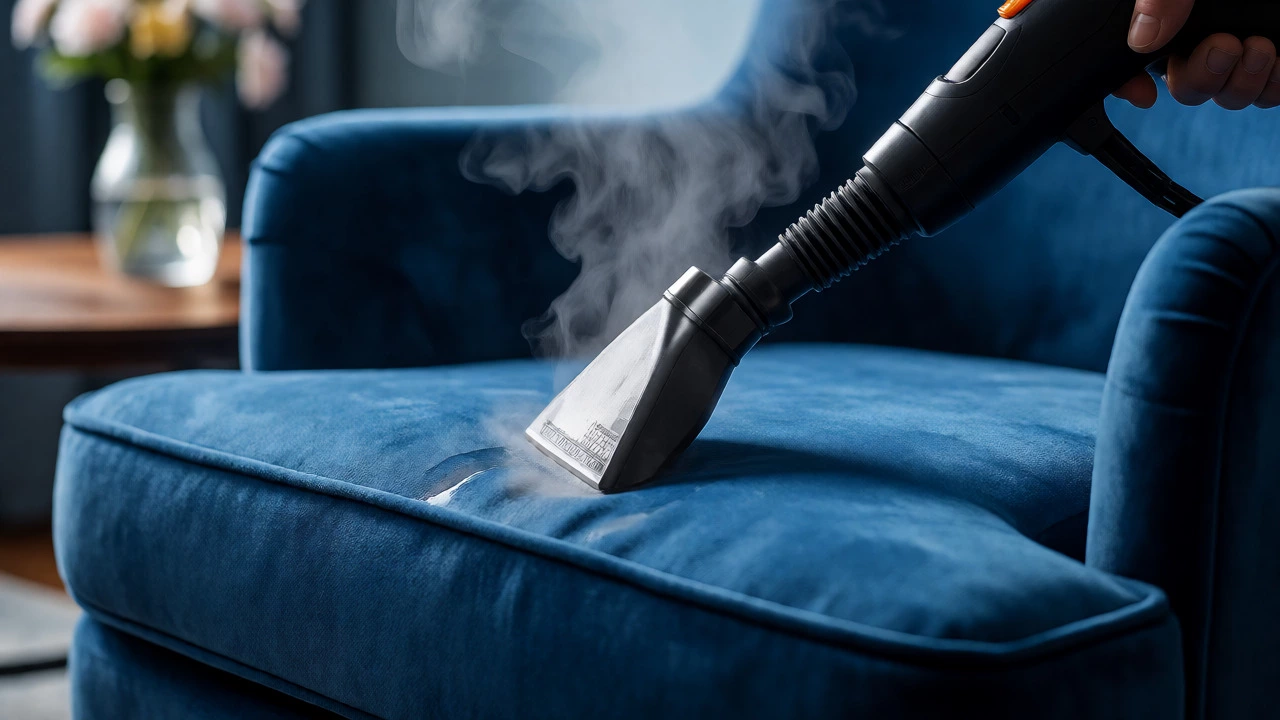
If anyone in your home suffers from asthma or eczema, standard cleaning schedules are too lax. You need to disrupt the mite lifecycle. Vacuuming with a HEPA-filtered machine is essential; standard vacuums just blow fine particles back into the air. Consider using a steam cleaner set to a high temperature. Heat kills mites instantly. Aim for a hot-water extraction clean twice a year, even if the sofa looks okay. This proactive approach reduces allergen loads significantly, helping sensitive family members breathe easier.
DIY vs. Professional: When to Call the Pros
Can you do it yourself? Yes, but with caveats. Store-bought rental machines often leave upholstery too wet. If the foam underneath doesn't dry within 24 hours, mold starts growing. That musty smell you hate? That's likely mildew developing inside the frame.
Hire a professional when:
- The sofa is older than 10 years and has sentimental value.
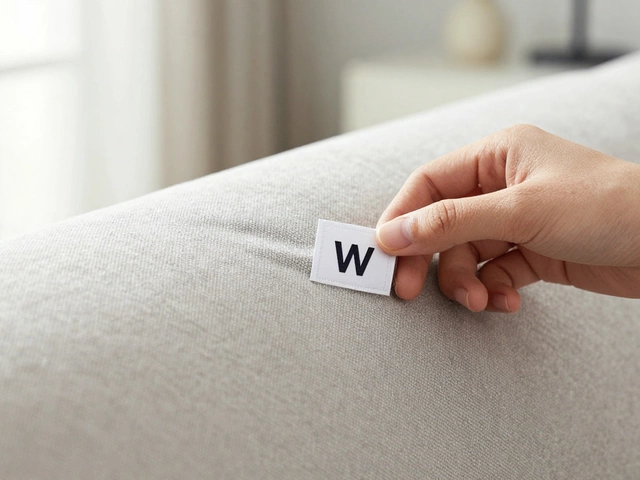
- The fabric tag says "S" (solvent only) or "X" (vacuum only).
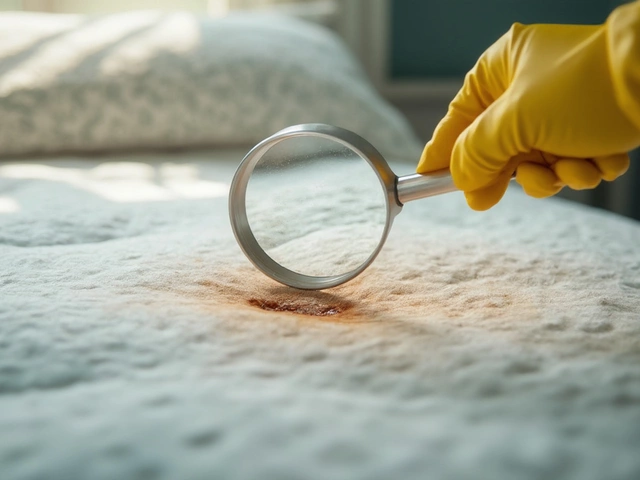
- You have stubborn organic stains (urine, wine, blood).
- You lack a powerful wet-vacuum capable of extracting moisture.
For routine maintenance, a good handheld steamer and a stiff-bristled brush handle 90% of issues. Save the big check for annual resets or crisis management.
Signs You're Over-Cleaning (or Under-Cleaning)
Too much water damages wooden frames and causes fabric shrinkage. If your cushions feel damp long after cleaning, you're soaking them too much. Stick to misting solutions rather than drenching.
Under-cleaning shows up as dullness. Fabrics lose their vibrancy when coated in a layer of oily residue. If colors look grayish or flat despite looking "clean," you need a deeper extraction. Also, pay attention to smell. If the room smells stale when you walk in, the couch is likely the source, absorbing ambient odors from cooking or smoke.
A Practical Schedule for Busy People
Forget rigid calendars. Adopt a habit-based system instead.
- Daily: Fluff cushions. This exposes hidden surfaces to air and prevents body impressions from becoming permanent.
- Weekly: Vacuum thoroughly. Check under cushions for crumbs.
- Monthly: Spot treat new stains. Rotate seat cushions to ensure even wear.
- Quarterly: Steam clean or shampoo. Let it dry completely before sitting.
- Annually: Inspect stitching and legs. Tighten loose screws. Consider professional help if needed.
This rhythm keeps maintenance manageable. You won't face a massive, overwhelming project once a year because you've been chipping away at the dirt consistently.
Frequently Asked Questions
Is it bad to sleep on my couch?
Yes, it accelerates wear and tear. Sleeping deposits significant amounts of skin oils and sweat directly into the fabric, attracting bacteria and dust mites faster than casual sitting does. If you sleep on the couch regularly, increase your cleaning frequency by 50%.
Can I wash my couch cushions in the washing machine?
Only if the cover is removable and labeled machine-washable. Always check the care tag first. Non-removable covers should never be thrown in a washer, as the agitation can damage the internal foam and stitching.
How do I know if my couch has mold?
Look for black or green spots on the underside or back of the sofa, especially near walls. Smell is also a key indicator-a persistent musty odor usually signals mold growth inside the cushions or frame, often caused by previous improper drying.
Does vinegar clean upholstery well?
White vinegar is effective for deodorizing and breaking down light mineral deposits. Mix equal parts water and vinegar in a spray bottle. Test on a hidden area first to ensure colorfastness. It works best on synthetic fabrics like microfiber, not delicate silks or leathers.
How long does a professionally cleaned couch take to dry?
Typically 4 to 6 hours with proper ventilation. Some technicians use fans to speed this up. Avoid sitting on the sofa until it is completely dry to the touch to prevent re-soiling or mold development.