Oven Cleaning Method Selector
Answer a few questions about your oven's current state and your preferences to get a personalized recommendation.
Recommendation
MatchYou’ve probably seen the viral videos: a thick white paste smeared across a filthy oven glass, followed by a dramatic spray of bubbling liquid. It looks like magic, but does baking soda and vinegar actually clean ovens effectively, or is it just internet hype? If you’re tired of scrubbing until your arms burn or breathing in harsh chemical fumes, this method seems like a savior. But here’s the catch: while these pantry staples are powerful, they aren’t always the best tool for every type of grime.
The truth is nuanced. Baking soda (sodium bicarbonate) is a mild abrasive and alkaline substance that breaks down acidic grease. Vinegar (acetic acid) cuts through mineral deposits and disinfects. Together, they create a fizzing reaction that helps lift dirt. However, relying solely on them can lead to frustration if you don’t understand their limits. This guide breaks down exactly when this combo works, where it fails, and how to use it without wasting an entire Saturday afternoon.
The Science Behind the Fizz
Before you start mixing, you need to know what’s happening chemically. When you combine baking soda with vinegar, you get carbon dioxide gas. That’s the bubbles you see. Many people think the fizzing action itself cleans the surface. It doesn’t really. The mechanical action of the bubbles helps dislodge loose debris, but the real cleaning power comes from the individual properties of each ingredient before they neutralize each other.
Baking soda is slightly alkaline (pH around 8-9). Grease and burnt-on food residues are often acidic or sticky polymers formed by heat. The alkalinity helps break down these bonds. Vinegar is acidic (pH around 2-3). It dissolves mineral buildup (like limescale from steam) and kills some bacteria. Once they react, they form sodium acetate and water, which are relatively inert. So, if you mix them into a slurry immediately, you lose some potency. The trick is using them sequentially or understanding that the paste phase is where the heavy lifting happens.
When This Method Works Best
This isn’t a one-size-fits-all solution. It shines in specific scenarios:
- Light to Moderate Buildup: If your oven has recent splatters or a thin layer of grease, this method is perfect. It’s gentle enough not to scratch enamel surfaces.
- Self-Cleaning Oven Maintenance: After a self-clean cycle, ash residue remains. A vinegar wipe-down handles this beautifully.
- Glass Doors: The abrasive nature of baking soda paste is excellent for clearing cloudy glass without harsh chemicals.
- Eco-Conscious Homes: If you have kids or pets sensitive to synthetic fragrances, this is the safest bet.
However, if you haven’t cleaned your oven in five years and have black, tar-like crust on the bottom, baking soda alone might take three days of reapplication to make a dent. In those cases, professional help or stronger commercial degreasers might be more time-efficient.
Step-by-Step Guide to the Paste Method
Here’s how to do it right, avoiding common mistakes. You’ll need about 15 minutes of active work, plus waiting time.
- Remove Racks: Take out everything. Don’t try to clean racks inside the oven; it’s messy. Soak them in a bathtub with hot water and dish soap instead.
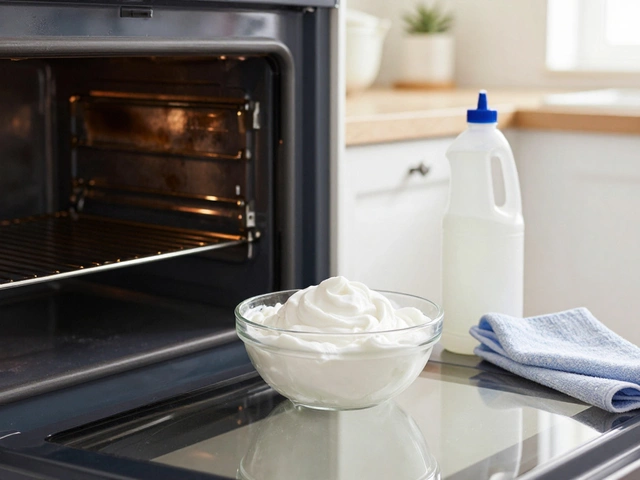
- Make the Paste: Mix half a box of baking soda with just enough water to make a spreadable frosting consistency. Not too runny, or it will drip off vertical walls.
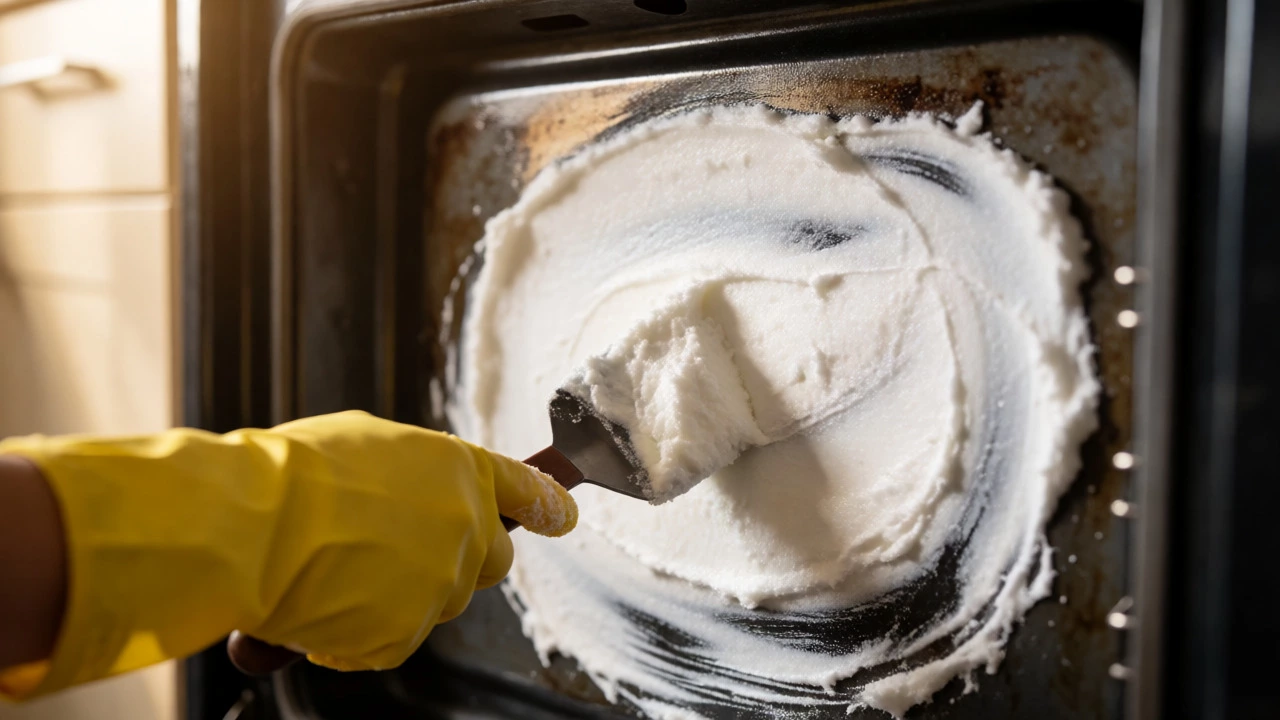
- Apply Generously: Spread the paste over all interior surfaces except the heating elements. Focus on the back wall and floor where drips land. Let it sit for at least 12 hours. Overnight is best. The paste needs time to penetrate the grease.
- The Wipe Down: Use a damp cloth to wipe away most of the dried paste. You’ll notice the grime coming off with it.
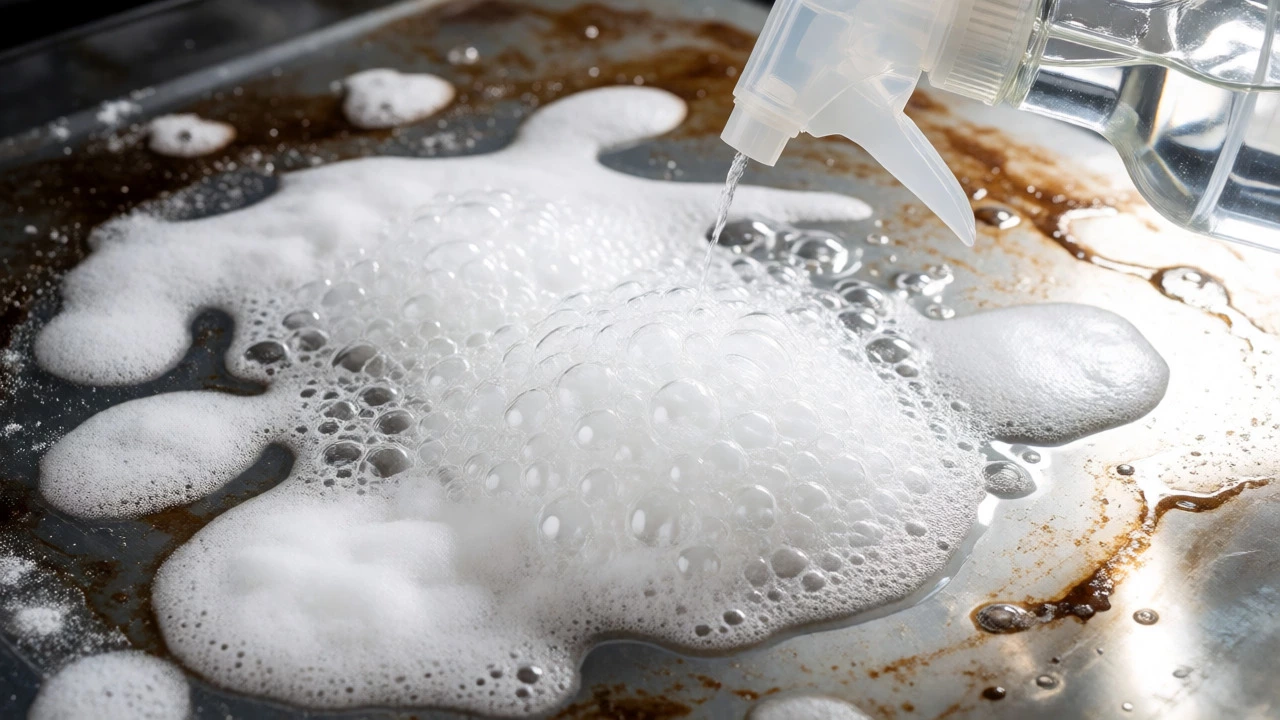
- The Vinegar Spray: Put white vinegar in a spray bottle. Spritz it onto any remaining baking soda residue. Watch it fizz. This helps lift stubborn spots.
- Final Polish: Wipe again with a clean, wet cloth until no white streaks remain.
Common Pitfalls to Avoid
I’ve seen many folks give up because they made simple errors. Here’s what goes wrong:
Using Too Much Water: If your paste is watery, it runs down the sides and pools on the floor. You want a thick mask that stays put.
Cleaning Hot Surfaces: Never apply baking soda to a hot oven. It can bake onto the surface, creating a cement-like bond that is harder to remove than the original grease. Always wait for the oven to cool completely.
Neglecting the Seals: The rubber gasket around the door traps crumbs and grease. Wipe it gently with a vinegar-dampened cloth. If you ignore it, your oven won’t seal properly, leading to uneven cooking later.
Expecting Instant Results: This is not a quick fix. If you wipe after 30 minutes, you’ll find yourself scrubbing hard. Patience is part of the process.
Baking Soda vs. Commercial Cleaners
Is it worth the hassle compared to buying a bottle of branded oven cleaner? Let’s look at the trade-offs.
| Feature | Baking Soda & Vinegar | Commercial Chemical Cleaner |
|---|---|---|
| Cost | $1 - $2 per use | $5 - $10 per bottle |
| Safety | Non-toxic, safe for kids/pets | Corrosive, requires gloves/mask |
| Time Required | High (12+ hours soaking) | Low (15-30 minutes) |
| Effectiveness on Heavy Grime | Moderate (requires patience) | High (dissolves quickly) |
| Smell | Mild vinegar scent | Strong chemical odor |
If you value safety and low cost, go with the natural route. If you need speed and have extreme buildup, chemicals win. For most regular maintenance, the natural method is superior because it prevents the toxic residue that can taint food flavors during high-heat cooking.
Pro Tips for Stubborn Spots
Some areas resist even the overnight paste. Here’s how to tackle them:
- Heating Elements: Never spray water or paste directly on electric coils. They can rust or short out. Instead, place a sheet of foil under them, then apply paste only to the surrounding metal. Or, use a dry brush to sweep away crumbs.
- Gas Burner Caps: Remove these caps. Soak them in warm soapy water. Scrub with a toothbrush dipped in baking soda paste. Rinse and dry thoroughly before replacing to prevent rust.
- The Fan: If you have a convection oven, the fan blade collects dust and grease. Turn off the power, unscrew the cover (usually one screw), and wipe the blades with a vinegar cloth. Do this once a year.
Frequently Asked Questions
Can I use apple cider vinegar instead of white vinegar?
Yes, but white distilled vinegar is better. Apple cider vinegar contains sugars and pigments that can leave a sticky residue or stain light-colored oven interiors. White vinegar is pure acetic acid and evaporates cleanly.
Will baking soda damage my oven’s enamel coating?
No, baking soda is a very mild abrasive. It is generally safe for porcelain enamel. However, avoid using steel wool or scouring pads with it, as those tools can scratch the surface. Stick to soft cloths or sponges.
How often should I deep clean my oven?
For average home cooks, a deep clean every 3 to 6 months is sufficient. If you roast meats frequently or cook with lots of oil, monthly spot-cleaning with a damp cloth after cooling helps prevent heavy buildup.
Does the vinegar smell linger in the oven?
The smell dissipates quickly once the oven dries. If you’re concerned, run the oven at 200°F (95°C) for 10 minutes after cleaning to air it out. Any residual odor will vanish.
What if the baking soda paste leaves white streaks?
White streaks mean there’s still powder trapped in the texture of the enamel. Wipe the area with a cloth dampened with plain water, then dry immediately. Repeating the vinegar spray step also helps dissolve leftover salts.