Pine-Sol Upholstery Safety Checker
Check your couch's material and cleaning tag before applying Pine-Sol. This tool helps you avoid damage based on common upholstery types.
Verdict:
--Recommended Steps
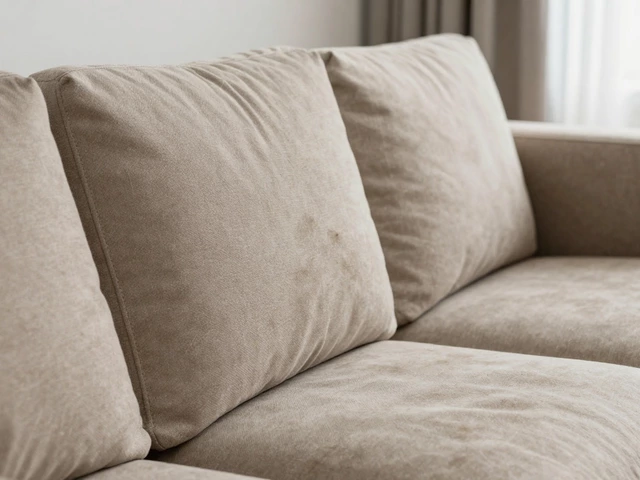
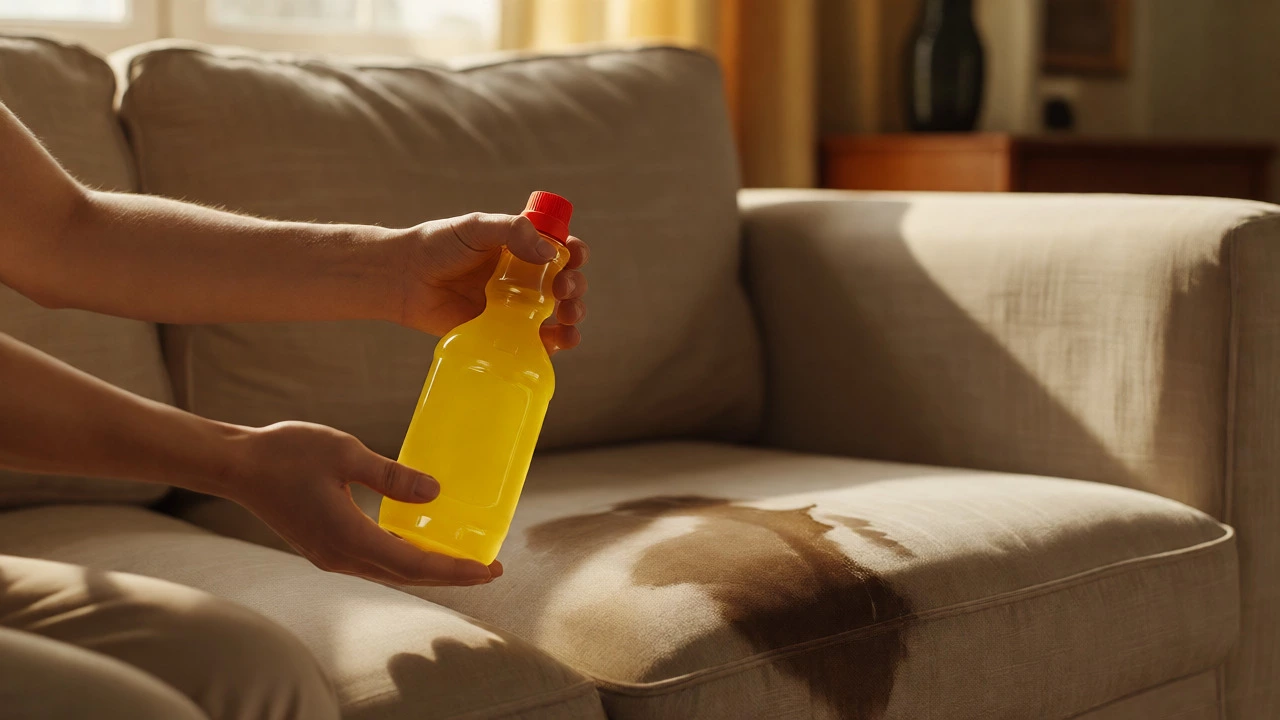
You’re staring at a mysterious stain on your beige sofa. You grab the bottle of Pine-Sol from under the kitchen sink because it cleans floors like magic, but you hesitate. Is it safe for furniture? The short answer is: it depends entirely on what your couch is made of and how you mix it. For most people, using straight Pine-Sol on upholstery is a recipe for disaster, leading to stiff fabrics or permanent discoloration. But with the right dilution and a spot test, it can be a surprisingly effective tool for tough grime on specific materials.
The Big Risk: Why Fabric Isn’t Floor
Floors are tough. They’re designed to take a beating from mops, shoes, and spilled coffee. Couches are different. Upholstery fibers-whether they’re cotton, polyester, or microfiber-are delicate networks that trap dirt deep inside. Pine-Sol is a concentrated disinfectant cleaner containing pine oil, surfactants, and other chemicals. On a tile floor, these ingredients evaporate quickly. On a couch, they soak in. If you don’t rinse them out properly, the residue attracts more dirt later, making your sofa look dirty faster than before you cleaned it.
There’s also the issue of colorfastness. Pine-Sol has a distinct yellowish tint and strong chemical properties. On dark or vibrant fabrics, this can leave behind faint yellow rings or cause the dye to bleed. Imagine trying to clean a navy blue cushion and ending up with a lighter, greenish patch where you scrubbed too hard. That’s not a cleaning win; that’s a new problem.
Check Your Tag Before You Touch Anything
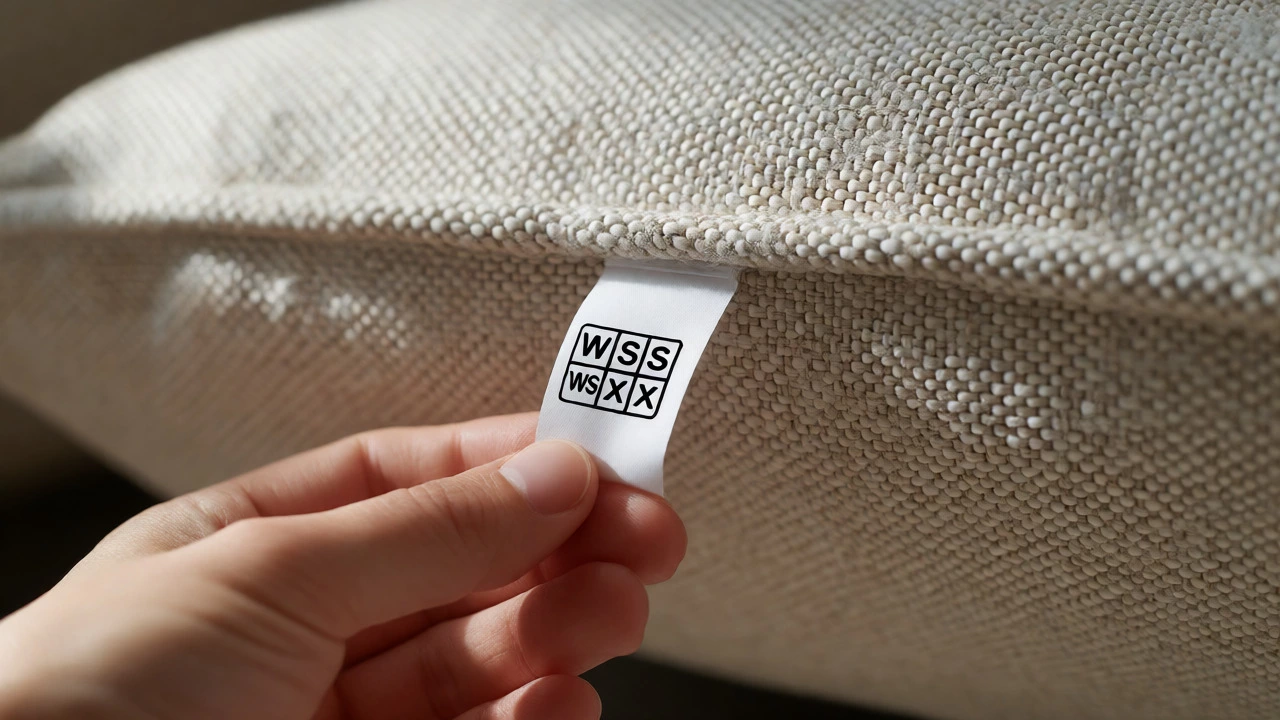
Before you even uncork the bottle, flip over your couch cushions. Look for the cleaning code tag sewn into the seam. This little label is your roadmap.
- Code W: Clean with water-based solvents only. Pine-Sol (diluted) might work here if tested carefully, as it is water-soluble when mixed correctly.
- Code S: Solvent-only cleaners. Water is your enemy. Do not use Pine-Sol. It contains too much water content even when diluted, which can shrink or warp the fabric.
- Code WS: Can be cleaned with either water or solvents. This is your safest bet for trying Pine-Sol.
- Code X: Vacuum only. Do not use any liquid cleaners. Pine-Sol will likely ruin this fabric.
If you have a leather couch, stop reading now. Put the Pine-Sol away. Leather is porous skin. Pine-Sol strips natural oils, leaving the material dry, cracked, and brittle over time. Use a dedicated leather conditioner instead.
How to Safely Test Pine-Sol on Your Sofa
Never apply a new cleaner to the visible part of your couch first. Always start in a hidden area. The back of a cushion, the underside of an armrest, or the very bottom edge near the floor are perfect spots. These areas rarely get looked at, so if something goes wrong, you won’t see it immediately.
Mix one tablespoon of Pine-Sol with two cups of warm water. Never use full-strength cleaner. Dip a white microfiber cloth into the solution and wring it out until it’s barely damp-not dripping wet. Dab the hidden area gently. Wait five minutes. Check for three things:
- Color change: Does the fabric look lighter, darker, or discolored?
- Texture change: Does the fabric feel stiff or rough after drying?
- Odor: Is the smell overwhelming or lingering too long?
If all three checks pass, you’re cleared to try it on a small, less visible stain. If the fabric turns yellow or feels crunchy, wash that spot with plain water and blot dry. You’ve just saved your entire sofa from a bad decision.
Step-by-Step: Cleaning Fabric Couches with Diluted Pine-Sol
Once you’ve confirmed your fabric type (W or WS codes) and passed the spot test, follow this method to clean stains without soaking the cushion core.
| Fabric Type | Safety Level | Recommended Action |
|---|---|---|
| Cotton/Linen (Code W) | Moderate Risk | Dilute heavily (1:4 ratio). Blot, do not rub. |
| Polyester/Microfiber (Code WS) | Low Risk | Standard dilution (1:2 ratio). Safe for most stains. |
| Velvet/Suede | High Risk | Avoid Pine-Sol. Use specialized suede brush/cleaner. |
| Leather/Faux Leather | Do Not Use | Use leather-specific wipes or soap. |
Preparation: Vacuum the couch thoroughly first. Dirt and crumbs turn into mud when they meet water, grinding into the fibers. Remove loose debris before introducing any liquid.
Application: Apply the diluted solution to a clean white cloth, not directly onto the couch. Spray bottles can saturate unevenly. Work in circular motions, starting from the outside of the stain and moving inward. This prevents the stain from spreading outward.
Rinsing: This step is non-negotiable. Take a second cloth dampened with plain cold water. Blot the area to remove Pine-Sol residue. Repeat this twice. Leftover cleaner acts like a magnet for dust particles in the air.
Drying: Airflow is critical. Open windows or point a fan at the cleaned area. Mold loves damp cushions. If the foam underneath stays wet for more than 24 hours, you’ll smell mildew within a week. Speed up drying with a hairdryer on cool setting, keeping it moving to avoid heat damage.
When Pine-Sol Fails: Better Alternatives
Sometimes, despite your best efforts, Pine-Sol isn’t the right tool. If you have pet urine stains, enzyme cleaners are far superior. Pine-Sol masks odors temporarily, but enzymes break down the uric acid crystals causing the smell. If the odor returns after the Pine-Sol dries, switch to an enzymatic product.
For grease stains, dish soap (like Dawn) mixed with water works better than Pine-Sol. Dish soap is formulated to cut through fats and oils specifically. Pine-Sol is a general-purpose disinfectant, not a degreaser. Using the wrong chemistry means you’re working harder, not smarter.
Consider professional steam cleaning for overall refreshment. Home methods struggle to penetrate deep into dense foam cushions. Professionals extract moisture along with dirt, preventing the soggy feeling that often follows DIY liquid cleaning. If your couch is antique or expensive, skip the DIY route entirely. The cost of replacement outweighs the savings of a $5 bottle of cleaner.
Common Mistakes to Avoid
Don’t oversaturate. The biggest error homeowners make is soaking the fabric. You want surface-level cleaning. If water drips through the back of the cushion, you’ve used too much. Excess water damages wooden frames and promotes mold growth inside the padding.
Don’t scrub aggressively. Rubbing breaks fiber bonds and causes pilling. Blotting lifts dirt. Scrubbing pushes it deeper. Treat your upholstery like a delicate sweater, not a scuffed shoe.
Don’t ignore ventilation. Pine-Sol fumes are potent. In a closed room, the scent can linger for days and irritate sensitive noses or pets. Always clean with good airflow to help both the drying process and the dissipation of chemical smells.
Will Pine-Sol bleach my couch?
It shouldn't bleach colored fabrics if diluted properly, but it can cause discoloration on light-colored or uncolorfast textiles. Always perform a spot test on a hidden area first to ensure no color changes occur.
Is Pine-Sol safe for microfiber sofas?
Yes, generally. Microfiber is durable and usually carries a 'WS' cleaning code. However, you must dilute the Pine-Sol significantly and rinse thoroughly to prevent residue buildup, which can make microfiber feel sticky or attract dirt.
Can I use Pine-Sol on velvet couches?
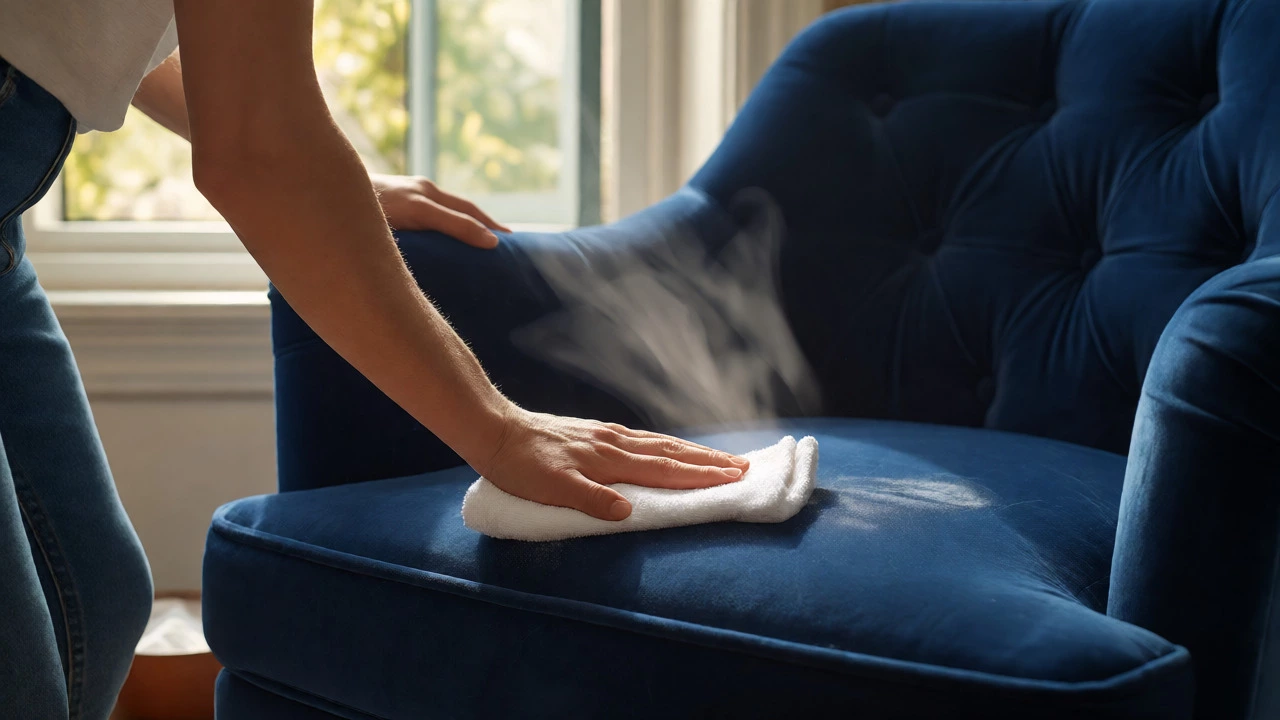
It is risky. Velvet fibers are delicate and easily crushed. Liquid cleaners can leave water marks or alter the pile direction. It is safer to use a dry foam cleaner or consult a professional for velvet upholstery.
How do I remove the Pine-Sol smell from my couch?
Increase ventilation by opening windows and using fans. Sprinkle baking soda over the dried area, let it sit for an hour, and vacuum it up. Baking soda helps neutralize lingering chemical odors naturally.
What happens if I use undiluted Pine-Sol on fabric?
Undiluted Pine-Sol can strip dyes, stiffen fibers, and leave a sticky residue that attracts dirt. It may also cause skin irritation if you sit on the couch before it fully dries and rinses out.