Deep Cleaning Cost Estimator
Wondering why deep cleaning quotes vary so much? Use this tool to estimate a realistic price range for your property by adjusting the key variables discussed in the article.
Estimated Price Range
You stare at the quote on your screen. It’s for a standard three-bedroom house, and the number makes you flinch. You wonder if they’re trying to rip you off or if there’s something you’re missing. Here’s the reality: deep cleaning isn’t just tidying up; it’s industrial-level restoration of your living space.
The price tag reflects hours of physical labour, specialised equipment, and skilled technicians who know exactly how to remove years of built-up grime without damaging your surfaces. When you pay for a deep clean, you aren’t buying soap and water. You are buying time, expertise, and health benefits that regular weekly cleaners simply cannot provide. Let’s break down where every penny goes so you can decide if the investment is worth it for your home.
Labor Intensity and Time Commitment
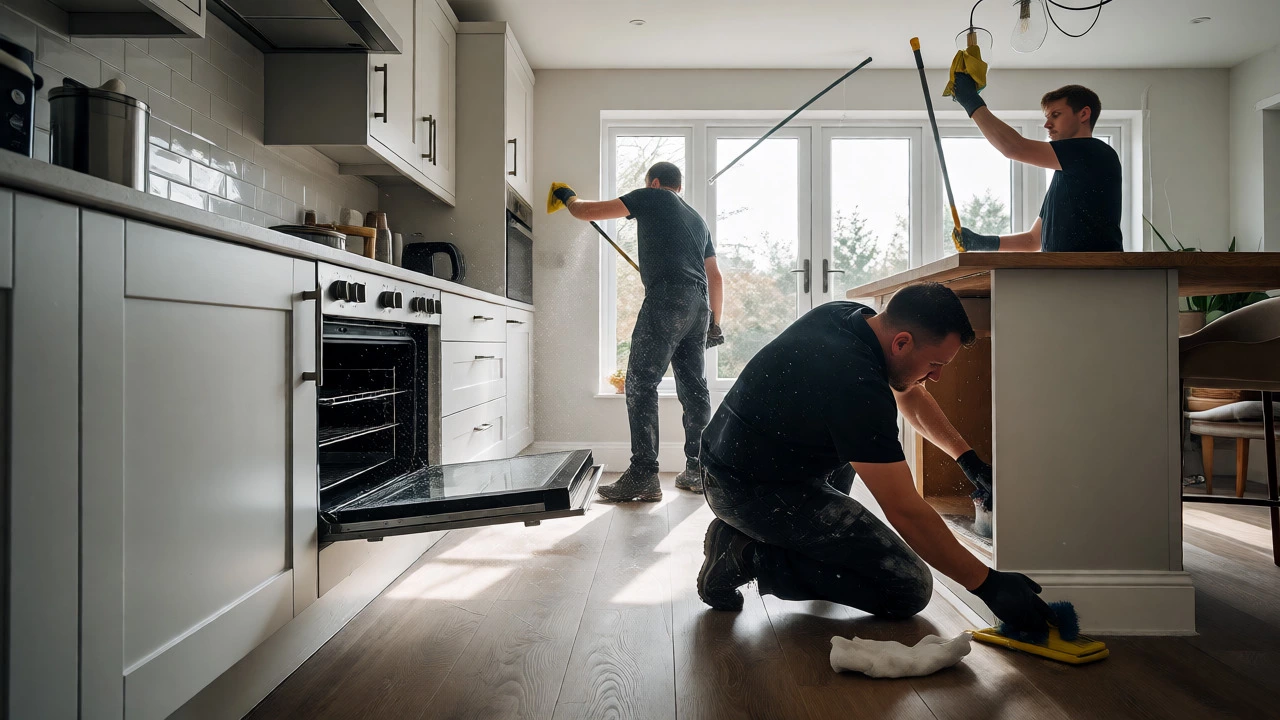
Cleaning a house quickly is easy. Cleaning it thoroughly takes forever. A standard weekly clean might take two people three hours. A deep clean often requires two to four technicians working for six to eight hours, sometimes longer depending on the property's condition. This isn't because cleaners work slowly; it’s because the scope of work changes entirely.
In a regular clean, we wipe visible surfaces. In a deep clean, we move furniture. We pull out ovens. We scrub behind toilets, under sinks, and inside appliances. We wash walls, clean light fixtures, and detail baseboards. Each of these tasks requires manual effort that machines can’t fully replicate. The cost scales directly with the man-hours required. If a job takes double the time, the labour cost doubles. There is no shortcut for reaching into tight crevices or scrubbing stubborn limescale from a shower tray.
Consider the physical toll. Technicians spend hours bending, kneeling, and reaching overhead. This isn’t sedentary work. It demands stamina and precision. Paying fair wages for this level of exertion is non-negotiable for reputable companies. Cheap quotes often mean rushed jobs where corners get cut-literally and figuratively.
Specialised Equipment and Chemicals
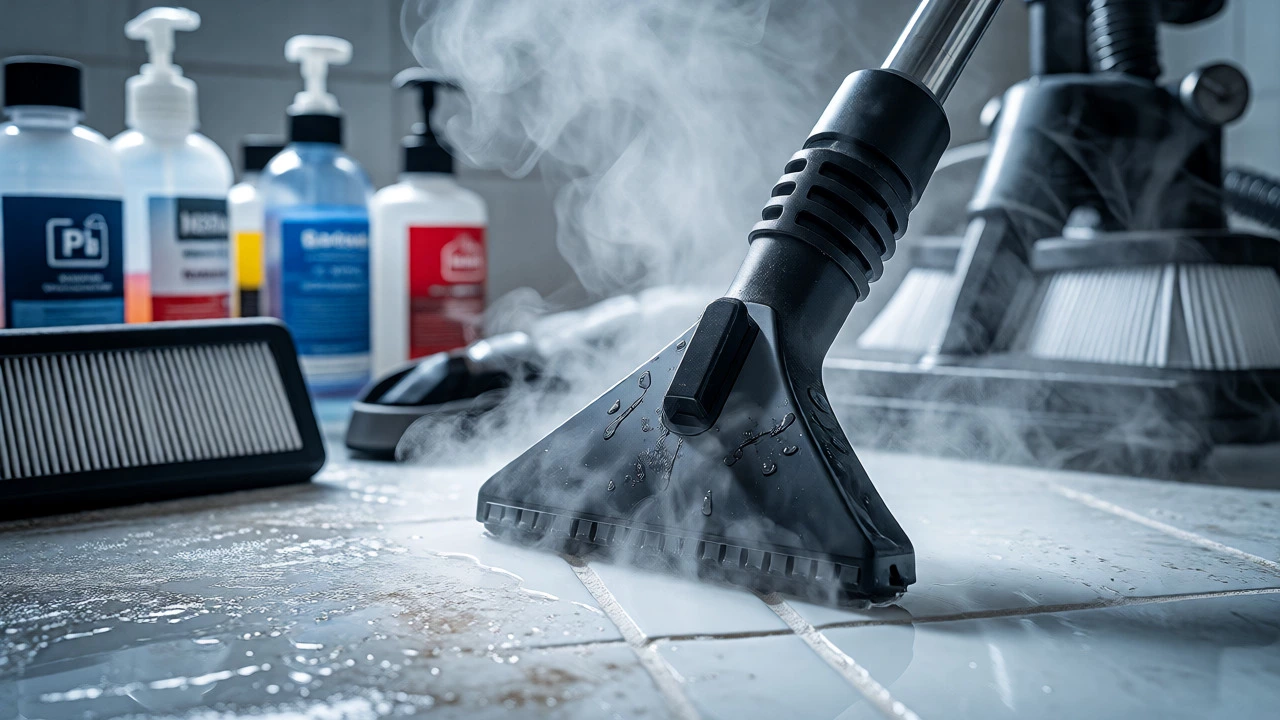
You might own a vacuum and some spray bottles. Professional cleaners bring an arsenal. High-grade extraction machines, steam cleaners capable of reaching temperatures over 100°C, and industrial-grade vacuums with HEPA filters cost thousands of pounds. These tools depreciate over time, and their maintenance adds to the operational costs passed on to you.
| Tool/Resource | Standard Home Use | Professional Deep Clean |
|---|---|---|
| Vacuum Power | 150-300 AW (Air Watts) | 400+ AW with HEPA filtration |
| Steam Temperature | N/A or Low Pressure | 120°C+ for sanitisation |
| Chemicals | General purpose sprays | Specific pH-balanced solutions |
| Accessories | Basic cloths | Microfibre systems, extension poles |
Then there are the chemicals. You wouldn’t use bleach on marble, would you? Professionals carry specific solutions for different surfaces: acidic cleaners for limescale, alkaline for grease, and neutral for delicate finishes. Using the wrong product can etch stone or strip sealants, leading to expensive repairs later. The cost includes not just the bottle of cleaner, but the knowledge of which one to use where.
Furthermore, eco-friendly options often cost more. Biodegradable, non-toxic agents that are safe for pets and children usually command a premium over harsh industrial solvents. If you request green cleaning, expect a slight uptick in price due to the higher cost of these certified products.
Insurance, Liability, and Business Overheads
This is the invisible cost most homeowners overlook. Reputable cleaning companies carry public liability insurance. If a technician accidentally breaks your antique vase or slips on a wet floor and injures themselves, insurance covers the damage. Without it, you’d be footing the bill. Premiums for businesses operating in homes have risen sharply in recent years, especially post-pandemic, as health and safety regulations tightened.
Beyond insurance, there are administrative costs. Booking software, background checks for staff, training programmes, and vehicle fuel all add up. In the UK, minimum wage laws ensure cleaners earn a living wage. Many companies also pay pension contributions and holiday pay, which are legally required but often absent in cash-in-hand arrangements. When you hire a registered business, you’re paying for compliance and protection, not just sweat equity.
Travel time is another factor. In cities like Sheffield, traffic congestion and parking fees impact scheduling. A cleaner might drive 45 minutes to reach your location. That hour is paid time, even if they aren’t scrubbing yet. Companies optimise routes to minimise this, but it remains a significant component of the hourly rate.

The Hidden Value: Health and Longevity
Is it worth the money? Look at what you actually gain. Dust mites, mould spores, and pet dander accumulate in places you rarely touch. During a deep clean, these allergens are removed from mattresses, curtains, carpets, and air vents. For households with asthma or allergies, this can significantly improve indoor air quality.
Moreover, deep cleaning extends the life of your home’s materials. Grease build-up in ovens corrodes metal. Limescale ruins chrome taps. Grime in grout turns porous tiles into breeding grounds for bacteria. Regular deep cleans prevent permanent staining and degradation. Replacing a stained carpet costs hundreds. Deep cleaning it costs a fraction of that. Think of it as preventative maintenance rather than a luxury expense.
There’s also the psychological benefit. Walking into a genuinely clean home reduces stress. The visual clutter of dirt and dust affects mental clarity. While you can’t put a price tag on peace of mind, many clients report feeling lighter and more organised after a thorough reset. This emotional return on investment is real, even if it doesn’t appear on the invoice.
How to Control Costs Without Sacrificing Quality
If the quote feels too high, don’t just haggle. Understand the variables. First, declutter before the team arrives. If cleaners spend thirty minutes moving piles of laundry and toys, you’re paying them to tidy, not clean. Clear surfaces allow them to start scrubbing immediately, reducing total hours.
Second, be realistic about the state of your home. A monthly maintenance schedule prevents the extreme build-up that requires intensive intervention. If you only book a deep clean once a year, expect a higher initial cost compared to someone who schedules quarterly visits. Prevention is cheaper than cure.
Third, specify priorities. If your kitchen is pristine but your bathrooms are grimy, tell the provider. Some companies offer tiered packages where you can focus resources on problem areas. Avoid vague requests like "make it shine." Instead, say "remove limescale from shower screens" or "de-grease extractor fan." Clarity helps them estimate accurately.
Finally, consider bundling. Combining upholstery cleaning with general deep cleaning often yields discounts. The crew is already there, set up, and ready. Adding sofa steam cleaning might cost less than booking a separate visit next week. Ask about package deals during the quoting phase.
What is the average cost of deep cleaning a 3-bed house in the UK?
As of late 2026, a comprehensive deep clean for a three-bedroom semi-detached house typically ranges between £250 and £450. This depends on the size of the property, the level of soiling, and whether additional services like oven or carpet cleaning are included. London and South East England tend to be at the higher end of this spectrum due to higher operational costs.
Does deep cleaning include windows?
Usually, no. Standard deep cleaning includes wiping down window sills, frames, and tracks, and cleaning the interior glass surface if accessible. External window cleaning is often treated as an add-on service requiring specialist equipment and ladder access, which incurs an extra charge. Always clarify this distinction when booking.
How long does a deep clean take?
For an average three-bedroom home, expect a team of two to work for 6 to 8 hours. Larger properties or those with heavy build-up may require a full day or split sessions. Timeframes vary based on the specific checklist agreed upon with your provider.
Is deep cleaning worth it before selling a house?
Yes, absolutely. Estate agents frequently recommend professional deep cleaning as part of the presentation strategy. A spotless home photographs better and creates a positive first impression for buyers, potentially speeding up the sale process. It signals that the property has been well-maintained.
Can I save money by doing some cleaning myself beforehand?
Definitely. Removing personal belongings, washing dishes, and picking up clothes saves valuable technician time. However, avoid pre-cleaning heavily soiled areas with incompatible products, as this might interfere with professional treatments. Focus on decluttering rather than scrubbing.