Spring Cleaning Planner & Estimator
Your Spring Cleaning Plan
ESTIMATED TOTAL TIME
0 hrs
RECOMMENDED SESSIONS
1 Weekend Blitz
Splitting into multiple sessions reduces burnout.| Task | Est. Time |
|---|
It’s a ritual as old as the calendar change itself. You open the windows, the air gets crisp, and suddenly every speck of dust on your bookshelf feels like a personal insult. But here is the million-dollar question: does everyone actually do it? If you look at the raw numbers, the answer might surprise you. While spring cleaning is a cultural staple in many Western countries, the reality is that only about 40% to 50% of households engage in a dedicated, deep-cleaning session during the spring months.
This isn’t just a guess. Industry surveys from major home improvement retailers and cleaning product manufacturers consistently show a dip in participation compared to the peak enthusiasm of the holiday season or the mandatory rush of moving out. Why the gap? For some, it’s time poverty. For others, it’s the shift toward "continuous cleaning"-the idea that if you clean little bits every day, you don’t need a massive weekend purge. Let’s break down who is actually scrubbing their baseboards, why they stop, and what the data says about our changing relationship with domestic upkeep.
The Real Numbers Behind the Scrub
If you scroll through social media in April, you’d think 100% of humanity is power-washing their driveways. But digital noise doesn’t equal statistical reality. When researchers ask homeowners directly, the numbers are more nuanced. According to data aggregated from consumer behavior reports by firms like Statista and internal surveys from brands like Clorox and Method, roughly 43% of respondents report performing a thorough seasonal clean-up annually.
But let’s dig deeper into that percentage. It varies wildly by demographic. Households with young children (ages 0-12) are statistically less likely to complete a full spring clean because the sheer volume of mess often leads to "survival mode" cleaning rather than aesthetic perfection. Conversely, empty-nesters and retirees tend to have higher participation rates, often exceeding 60%, simply because they have more discretionary time and fewer interruptions.
| Demographic Group | Participation Rate (%) | Primary Driver | Common Barrier |
|---|---|---|---|
| Young Families | 35-40% | Allergy Season | Lack of Time |
| Millennials (No Kids) | 50-55% | Aesthetic/Mental Health | Cost of Supplies |
| Baby Boomers/Retirees | 60-65% | Maintenance Routine | Physical Strain |
| Renters | 45% | Lease Compliance | Limited Storage Space |
Why People Skip the Deep Clean
So, if nearly half of us skip it, what’s stopping the other half? It’s rarely laziness. The primary reason cited in over 70% of non-participants is "time scarcity." Modern work hours have expanded, and the boundary between office and home has blurred, especially since the widespread adoption of remote work post-2020. When your living room is also your conference room, the pressure to keep it tidy year-round removes the urgency for a specific "spring" event.
Then there is the psychological factor. Spring cleaning can feel overwhelming. The task list often includes moving heavy furniture, cleaning behind appliances, and organizing closets-tasks that require physical effort and mental bandwidth. Many people suffer from "decision fatigue" before they even pick up a sponge. They see the mountain of chores and decide that a quick vacuum is sufficient. This is where the concept of micro-cleaning comes in. Instead of one big weekend blitz, these individuals spread small tasks throughout the year, effectively rendering the traditional spring clean obsolete for them.
Regional Differences: Is It Just a Northern Hemisphere Thing?
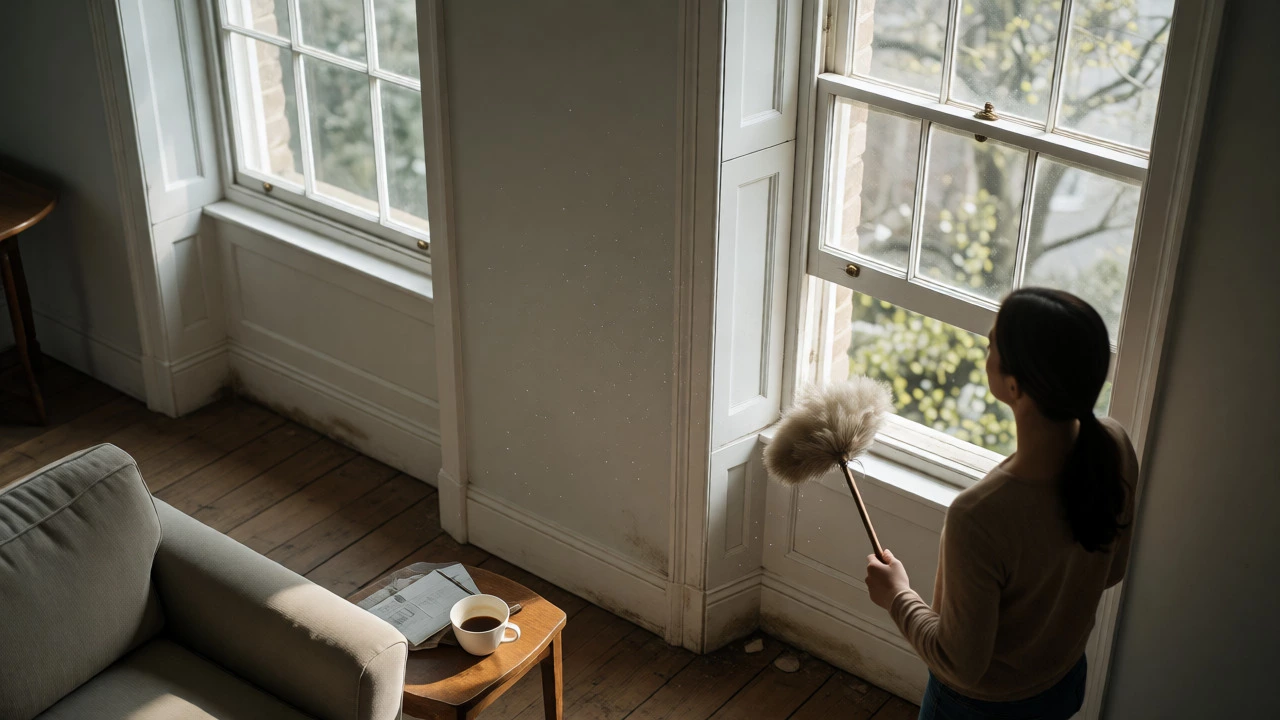
Context matters. The term "spring cleaning" is heavily tied to climates with distinct winters. In the UK, where I’m based in Sheffield, the tradition is strong because winter means closed windows, accumulated indoor pollutants, and dampness issues. Here, the participation rate hovers around 48%, driven partly by the practical need to combat mold and condensation after months of heating.
In contrast, regions with mild winters, such as parts of Southern Europe or the Pacific Northwest, see lower engagement. There’s no dramatic buildup of soot from coal fires or trapped humidity. However, these areas often substitute spring cleaning with pre-summer preparations-focusing on outdoor spaces, patios, and cooling systems rather than indoor deep dives. So when you read global statistics, remember that "cleaning" looks different depending on whether you’re battling ice or preparing for heatwaves.
The Rise of Professional Help
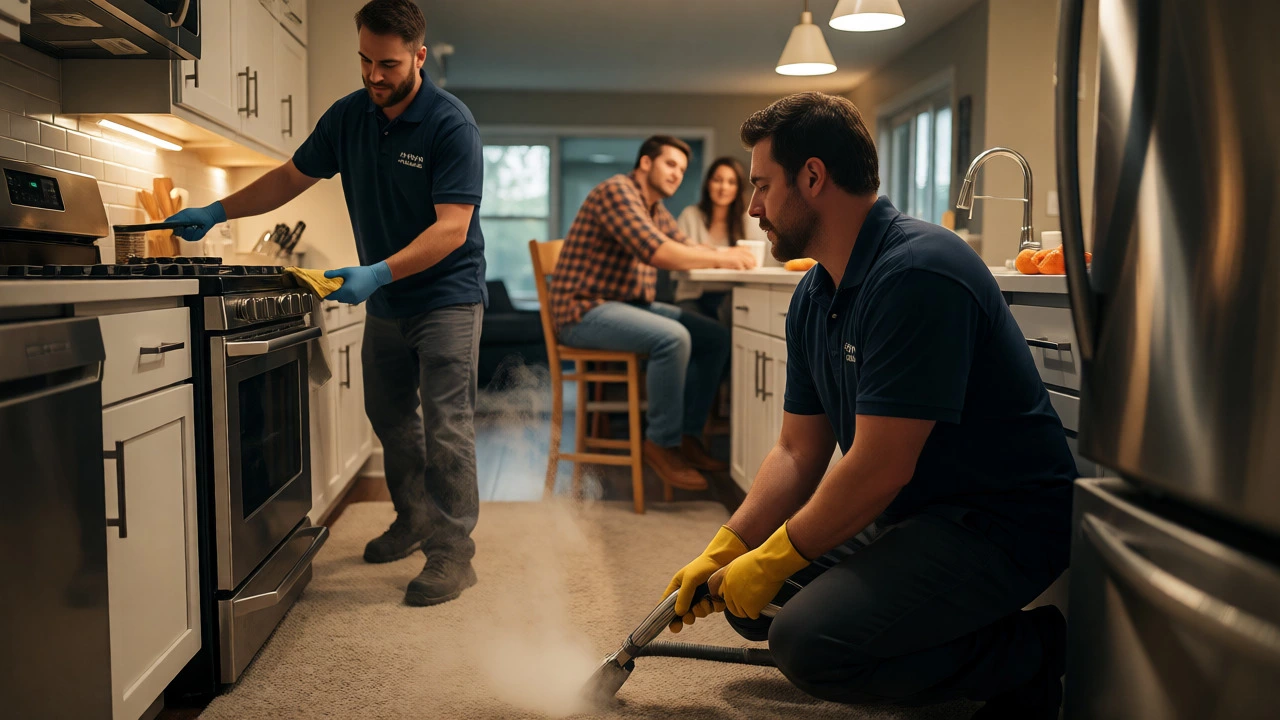
Here’s a twist in the data: while DIY spring cleaning percentages may be flatlining, spending on professional services is up. A significant portion of those who "skip" spring cleaning aren’t skipping cleanliness; they’re outsourcing it. Approximately 15% of households hire professional cleaners for a deep-clean service during the spring window. This shifts the metric. If you count paid services, the number of homes getting a thorough clean jumps closer to 60%.
This trend is particularly strong among dual-income households and high earners. The logic is simple: time is money. Paying £150-£200 for a team to handle the grime is worth avoiding a stressful weekend. Companies specializing in end-of-tenancy and general deep cleans have reported a 20% year-on-year increase in spring bookings, confirming that the desire for a fresh start hasn’t vanished-it’s just changed hands.
What Exactly Are We Cleaning?
Not all spring cleans are created equal. When people do participate, what do they actually tackle? Surveys indicate a clear hierarchy of priority:
- Windows and Glass: 85% of participants clean windows. It’s visible, satisfying, and signals "freshness."
- Carpets and Upholstery: 60% shampoo carpets or steam-clean sofas. Winter coats and mud tracks make this a practical necessity.
- Kitchen Appliances: 55% clean inside ovens and fridges. Food spills bake onto surfaces over winter, making them harder to remove later.
- Decluttering: Only 40% actively donate or throw away items. Most people prefer to organize what they already own rather than reduce volume.
Notice what’s missing? Baseboards and light fixtures. These are often the first casualties of a rushed schedule. If you’re part of the 40% who do it properly, you know the pain of wiping down ceiling fans. But for the majority, the goal is visual impact, not forensic perfection.
How to Join the Majority Without Burning Out
If you want to join the ranks of the spring-cleaning enthusiasts without losing your mind, ditch the "all-or-nothing" mentality. The most successful cleaners treat it like a project management task, not a punishment.
- Set a Budget for Time, Not Just Money: Block out three hours on Saturday morning. Stop when the timer goes off. Perfectionism kills progress.
- Start High, Go Low: Dust falls. Clean ceilings and shelves first, then vacuum floors last. This saves you from redoing work.
- Use the "One Box" Rule: Grab a box for donations. If you haven’t used it in a year, it goes in the box. Don’t sort it yet. Just fill the box. Deal with it later.
- Focus on Air Quality: In places like Sheffield, opening windows is great, but also check your filters. Changing HVAC filters is a low-effort, high-reward task that improves health immediately.
Ultimately, whether you’re in the 40% who scrub or the 60% who relax, the goal is a home that supports your well-being. The statistics show we are becoming more pragmatic about our homes. We care less about societal expectations of a spotless house and more about functional, healthy living spaces. So, if you didn’t clean your skirting boards this April, don’t stress. You’re in good company.
Is spring cleaning still popular in 2026?
Yes, but its form has evolved. While strict adherence to a single weekend blitz has declined, the overall interest in seasonal maintenance remains high. Data shows a shift towards distributed cleaning efforts throughout the year and an increased reliance on professional services for deep cleans, keeping the total number of homes receiving thorough attention stable or slightly rising.
Which country has the highest spring cleaning participation?
Countries with harsh winters typically see higher participation due to the accumulation of indoor dust and the psychological reset associated with longer daylight hours. Nordic countries and the UK often report rates above 50%, whereas tropical nations with consistent temperatures may focus more on pre-rainy-season preparations instead.
Do renters spring clean more than homeowners?
Homeowners generally spring clean more frequently for maintenance purposes, but renters often engage in intense cleaning sessions specifically before moving out (end of tenancy). Regular annual spring cleaning is slightly more common among homeowners who view it as property preservation, whereas renters may prioritize it based on lease requirements or personal preference.
What is the most commonly skipped task in spring cleaning?
Cleaning behind large appliances (fridge, oven, washing machine) and washing interior curtains are frequently skipped due to the physical effort required. Additionally, organizing digital clutter (photos, files) is often neglected despite being a growing area of interest, as people tend to focus on physical space first.
Does spring cleaning help with allergies?
Absolutely. Removing accumulated dust mites, pet dander, and mold spores from hidden areas significantly reduces allergen loads. Medical professionals often recommend deep cleaning bedding, upholstery, and carpets in spring to mitigate symptoms before pollen counts peak.