Spring Cleaning Planner & Estimator
Configuration
Select what you want to prioritize this season.
Your Action Plan
Configure your home details to get started.
There is a specific feeling that hits households across the United States in March. It isn’t just the melting snow or the blooming tulips. It’s a sudden, almost compulsive urge to scrub baseboards, declutter closets, and deep-clean windows that haven’t seen a sponge since December. This phenomenon is known as spring cleaning, a tradition of thorough home maintenance and decluttering performed at the start of the new season. But why do Americans dedicate so much time and energy to this ritual? Is it just about dust, or is there something deeper driving this national habit?
The answer lies in a mix of historical necessity, cultural psychology, and modern health awareness. For centuries, people didn’t clean because they wanted to; they cleaned because their homes were physically impossible to keep tidy during the winter. Today, while we have central heating and better insulation, the habit sticks around. It has evolved from a survival tactic into a psychological reset button for millions of families.
The Historical Roots: From Mud Baths to Modern Mops
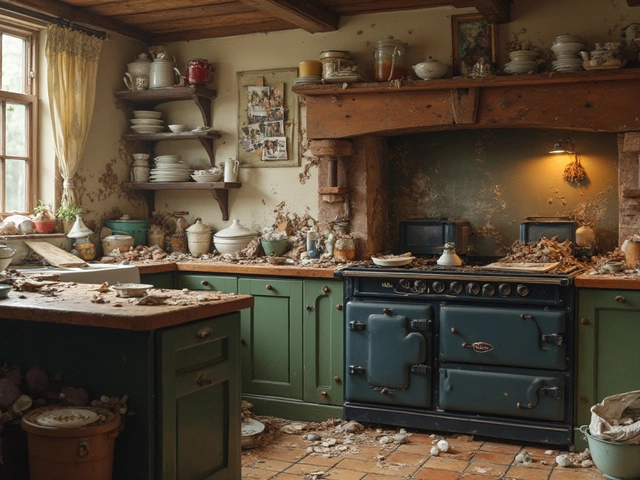
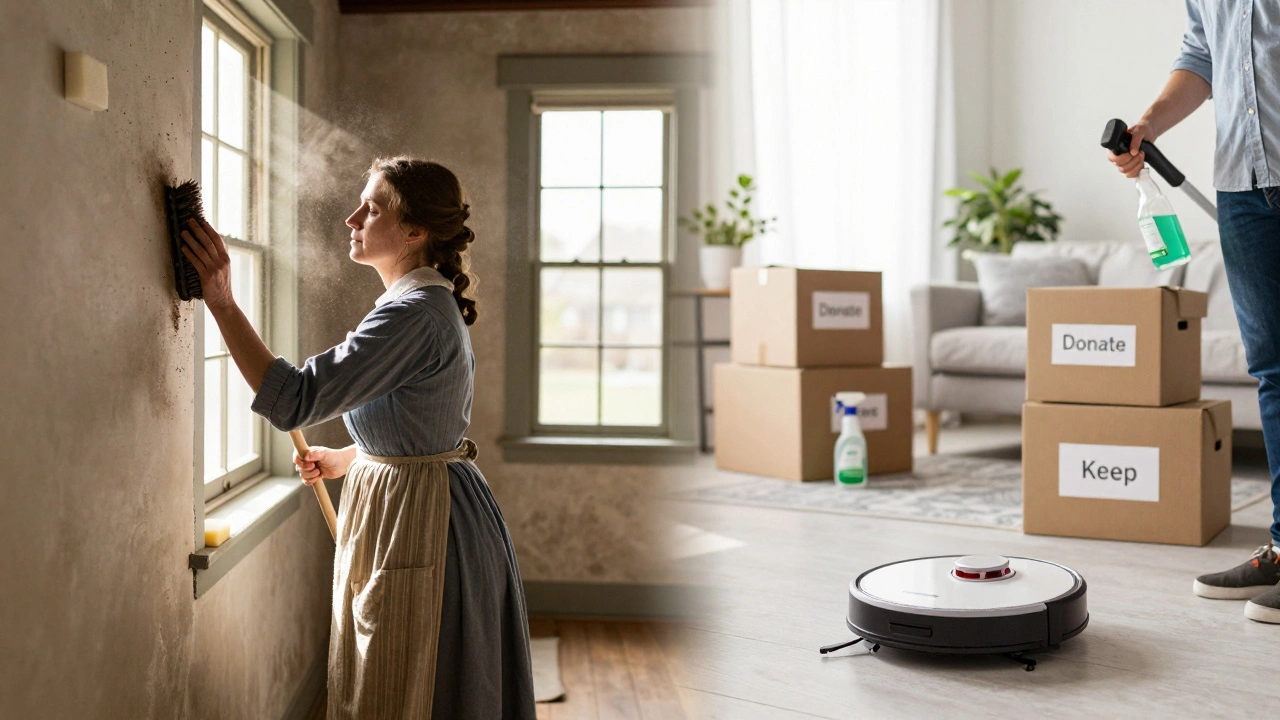
To understand why this tradition persists, you have to look back before the invention of the thermostat. In early America, and indeed throughout Europe, winters were brutal. Homes were heated by open fireplaces or wood-burning stoves. These heat sources produced thick, black soot that coated every surface in the house. By February, walls were gray, floors were sticky with ash, and air quality was poor.
When spring arrived, two things happened simultaneously. First, the weather warmed up enough to open windows without freezing to death. Second, the smoke from fires became less necessary. Households would literally take down wallpaper (if they had any) and wash the plaster walls behind it. They would scrub floors with lye soap and sand. This wasn’t a light tidy-up; it was a reconstruction project.
Benjamin Franklin, an American polymath who wrote about the practice in his Poor Richard's Almanack, famously noted the importance of cleanliness in the 18th century, linking it to health and moral order. The phrase "spring cleaning" itself entered common usage in the late 19th century as industrialization made cleaning supplies more accessible to the middle class. Before this, only the wealthy could afford the labor-intensive process. As vacuum cleaners and chemical detergents became household staples in the early 20th century, the scope of spring cleaning expanded. It shifted from removing soot to organizing life.
The Psychological Reset: Why We Crave Order in April
If you live in Oxford, like I do, you might notice a similar shift in mood when the days get longer. Humans are biologically wired to respond to sunlight. After months of shorter days and lower light levels, our circadian rhythms adjust in spring. This biological shift often brings an increase in energy and a desire for change.
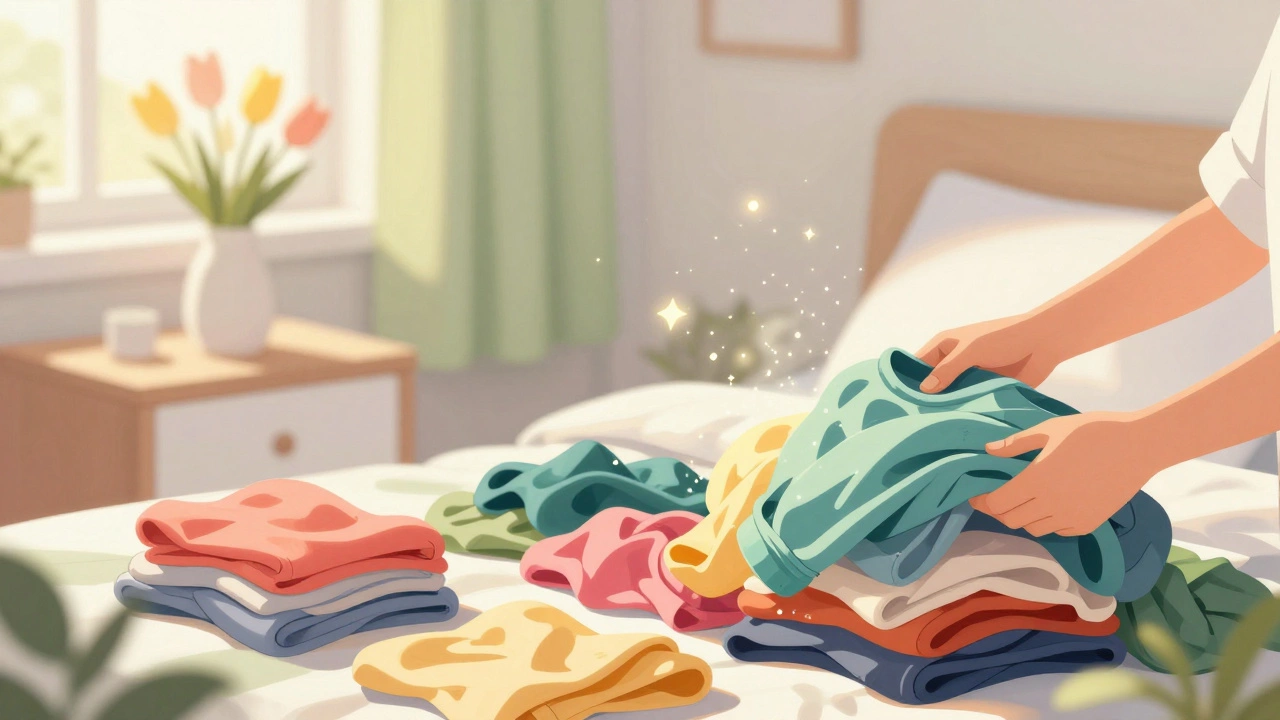
Psychologists call this the "fresh start effect." When a new period begins-be it a new year, a new month, or a new season-people feel motivated to pursue goals and shed old habits. Spring represents renewal. A cluttered home can feel like a cluttered mind. By physically removing old clothes, expired food, and broken items, Americans are symbolically clearing out mental baggage.
This ritual provides a sense of control. Life can be chaotic. Jobs change, relationships shift, and global events happen beyond our influence. But your living room? That is yours. Organizing your bookshelf or finally cleaning out that junk drawer offers a tangible win. It’s a low-stakes way to prove to yourself that you can make progress. Studies in environmental psychology suggest that orderly spaces lead to healthier choices and greater focus. So, when you spend Saturday afternoon sorting through garage boxes, you aren’t just moving stuff; you’re boosting your dopamine levels.
Cultural Momentum and Social Expectations
In the United States, there is a strong cultural emphasis on self-improvement and domestic perfection. Media plays a huge role here. Home improvement shows, social media influencers sharing "clean with me" videos, and magazine articles all reinforce the idea that a pristine home is a sign of a successful life.
Unlike some cultures where cleaning is done continuously throughout the year, American culture tends to batch these tasks. We wait until the season turns to do the heavy lifting. This creates a collective momentum. When your neighbors are washing their siding, your friends are donating clothes to charity, and your family is debating whether to throw out that old sofa, you feel a subtle pressure to join in. It becomes a shared social activity rather than a chore.
This communal aspect is visible in neighborhood associations and local charities. Many Americans use spring cleaning as a trigger for philanthropy. The act of decluttering naturally leads to asking, "Who needs this more than me?" This drives donations to thrift stores and shelters, embedding a layer of community service into the personal habit.
Health and Environmental Factors
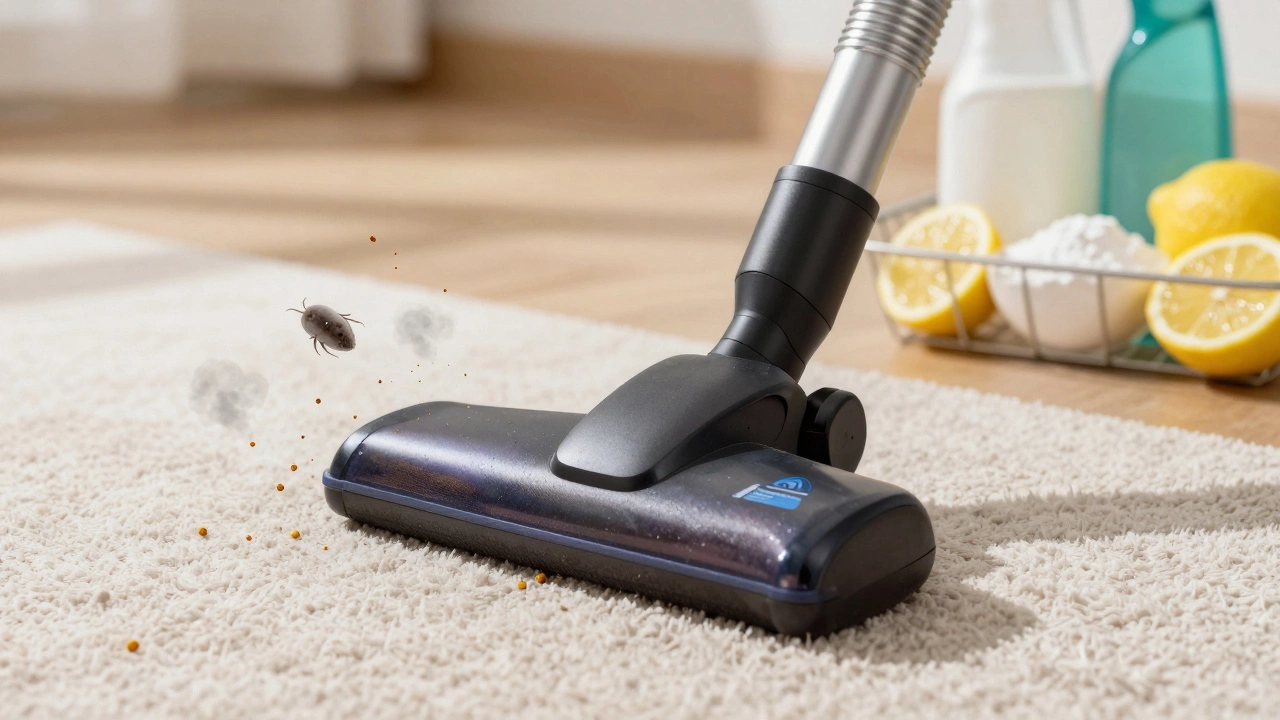
Beyond history and psychology, there is a practical health reason for this timing. Winter traps allergens indoors. With windows closed and heating systems running, dust mites, pet dander, and mold spores accumulate in carpets, curtains, and HVAC filters. When spring arrives, pollen counts skyrocket. If your home is already filled with indoor allergens, adding outdoor pollen can trigger severe reactions.
A deep clean in spring targets these hidden reservoirs. Washing bedding in hot water kills dust mites. Vacuuming with HEPA filters removes accumulated dander. Cleaning air ducts ensures that the cooling system doesn’t blow stale, dirty air into the house once the AC kicks on in summer. For allergy sufferers, spring cleaning isn’t optional; it’s a medical necessity.
Furthermore, older homes in the US may contain legacy pollutants like lead paint chips or asbestos fibers in insulation. Disturbing these during a major renovation or deep clean requires caution, but regular maintenance helps identify issues before they become hazards. Checking for leaks under sinks or in attics during this annual review can prevent mold growth, which thrives in the damp transitions between seasons.
| Aspect | Traditional Winter Maintenance | Modern Spring Cleaning |
|---|---|---|
| Primary Goal | Remove soot and ash from fireplaces | Declutter, organize, and sanitize |
| Frequency | Annual, forced by weather | Annual, driven by habit/culture |
| Tools Used | Lye soap, sand, brushes | Vacuums, steam cleaners, eco-friendly sprays |
| Psychological Impact | Relief from physical discomfort | Mental clarity and fresh start |
| Scope | Walls, floors, chimneys | Entire home, including digital files and closets |
How the Tradition Has Evolved
Today’s spring cleaning looks different than it did in the 1950s. The rise of minimalism has changed the focus from "scrubbing" to "letting go." People are less concerned with making the floor shine and more concerned with reducing the number of objects they own. The KonMari method, popularized by Marie Kondo, influenced a generation to ask if items "spark joy," turning cleaning into a philosophical exercise.
Technology has also played a role. Smart home devices now handle some of the routine maintenance. Robot vacuums keep floors clear daily, reducing the intensity of the spring sweep. However, this hasn’t eliminated the tradition; it has shifted it. Instead of spending hours sweeping, people now spend hours organizing digital lives-clearing out email inboxes, deleting old photos, and managing cloud storage. The principle remains the same: purge the old to make room for the new.
Eco-consciousness is another modern twist. Many Americans are moving away from harsh chemical cleaners toward natural alternatives like vinegar, baking soda, and lemon juice. This aligns with the broader trend of sustainability. Spring cleaning is no longer just about aesthetics; it’s about creating a non-toxic environment for families and pets.
Practical Tips for Your Own Spring Reset
You don’t need to live in America to benefit from this seasonal reset. Whether you are in London, New York, or Tokyo, the principles apply. Here is how to approach your own spring cleaning without getting overwhelmed:
- Start Small: Don’t try to clean the whole house in one day. Pick one room or even one drawer per week.
- The Four-Box Method: Use four boxes labeled Keep, Donate, Trash, and Relocate. Go through a space and sort items immediately. This prevents decision fatigue.
- Top to Bottom: Always clean from the ceiling down. Dust falls. If you mop first and dust later, you’ll just mop up the dust you just kicked up.
- Check Expiration Dates: Medicine cabinets and pantries are prime spots for forgotten items. Toss anything expired to free up space and ensure safety.
- Involve the Household: Make it a team effort. Put on music, assign zones, and reward everyone with a nice meal afterward.
Remember, the goal isn’t perfection. It’s progress. A slightly cleaner, more organized space can improve your mood and productivity for the rest of the year. Embrace the chaos of the process, and enjoy the calm that follows.
Is spring cleaning still relevant in modern times?
Yes, absolutely. While we no longer need to remove fireplace soot, the psychological benefits of decluttering and the health benefits of reducing allergens remain highly relevant. It serves as a mental reset and a practical health check for the home.
What is the origin of the term 'spring cleaning'?
The term gained popularity in the late 19th century in the United States and Britain. It refers to the traditional practice of thoroughly cleaning homes after the winter months, when open windows could finally be opened without freezing temperatures, allowing for ventilation and removal of accumulated soot and dirt.
Does spring cleaning help with allergies?
Yes. Winter trapping indoor allergens like dust mites and pet dander. A deep clean in spring removes these triggers before outdoor pollen counts rise, significantly reducing allergy symptoms for many people.
How long does a typical spring cleaning take?
It varies greatly depending on the size of the home and the level of clutter. For most families, it is spread out over several weeks, with dedicated sessions lasting 2-4 hours. Trying to do it all in one weekend often leads to burnout.
Can I do spring cleaning at other times of the year?
You certainly can. The concept of a "seasonal reset" can be applied to fall, winter, or summer. However, spring is culturally ingrained because it coincides with the end of the hibernation-like winter period and the beginning of the active year.