Vinyl Siding Safety Checker
Select an item you are considering using:
There is nothing worse than spending an afternoon scrubbing your house only to realize you have permanently damaged the exterior. Vinyl siding is durable, but it is not invincible. It reacts poorly to high heat, harsh chemicals, and excessive force. If you want your home to look fresh without cracking or warping the panels, you need to know exactly what tools and products to leave in the shed.
We often assume that "cleaner" means "stronger." In the world of exterior maintenance, this assumption can cost you hundreds of dollars in repairs. This guide breaks down the specific items you should never use on vinyl siding, explains why they cause damage, and offers safe alternatives that actually work.
The Danger of High-Pressure Washers
Pressure washing is a cleaning method that uses high-pressure water spray to remove dirt, mold, grime, surface mold, mildew, oil, and paint from surfaces. While effective for concrete driveways, it is one of the biggest threats to vinyl siding if used incorrectly.
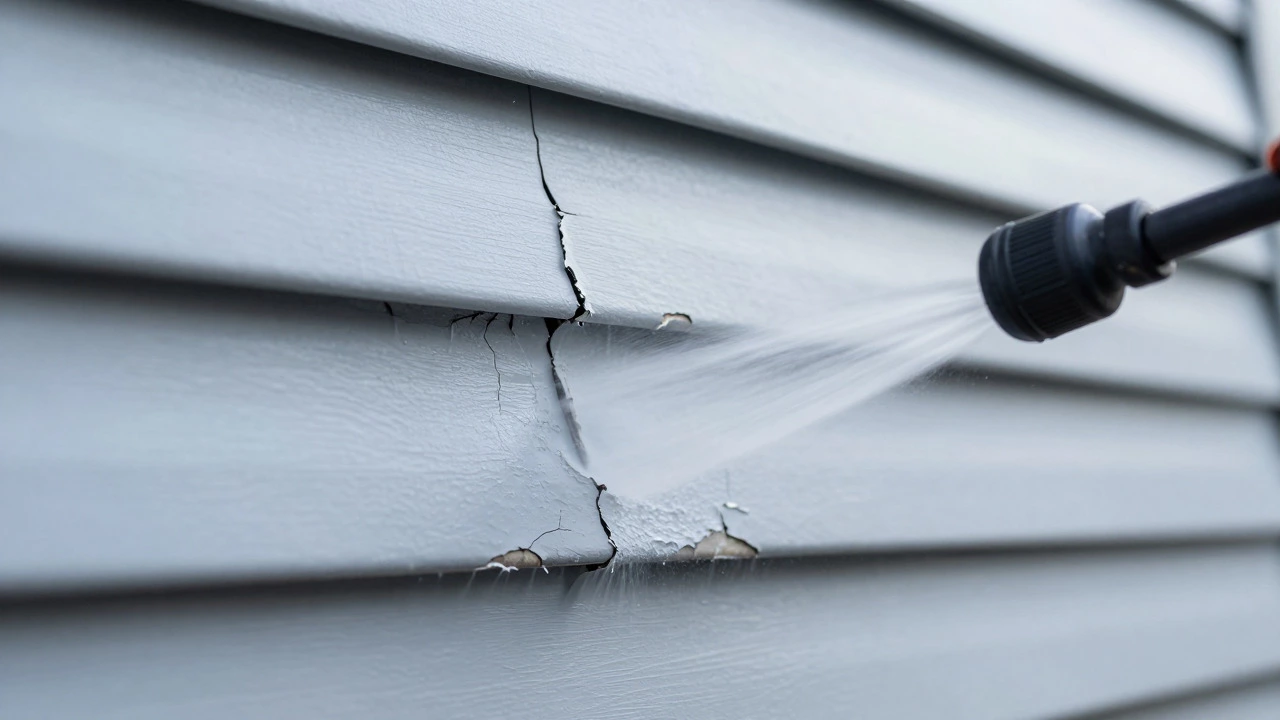
Most homeowners own a pressure washer with PSI (pounds per square inch) ratings between 1,500 and 3,000. Concrete can handle 3,000+ PSI. Vinyl siding cannot. The ideal pressure for cleaning vinyl is under 600 PSI. Anything above that risks forcing water behind the siding, which leads to mold growth inside your walls and rotting sheathing.
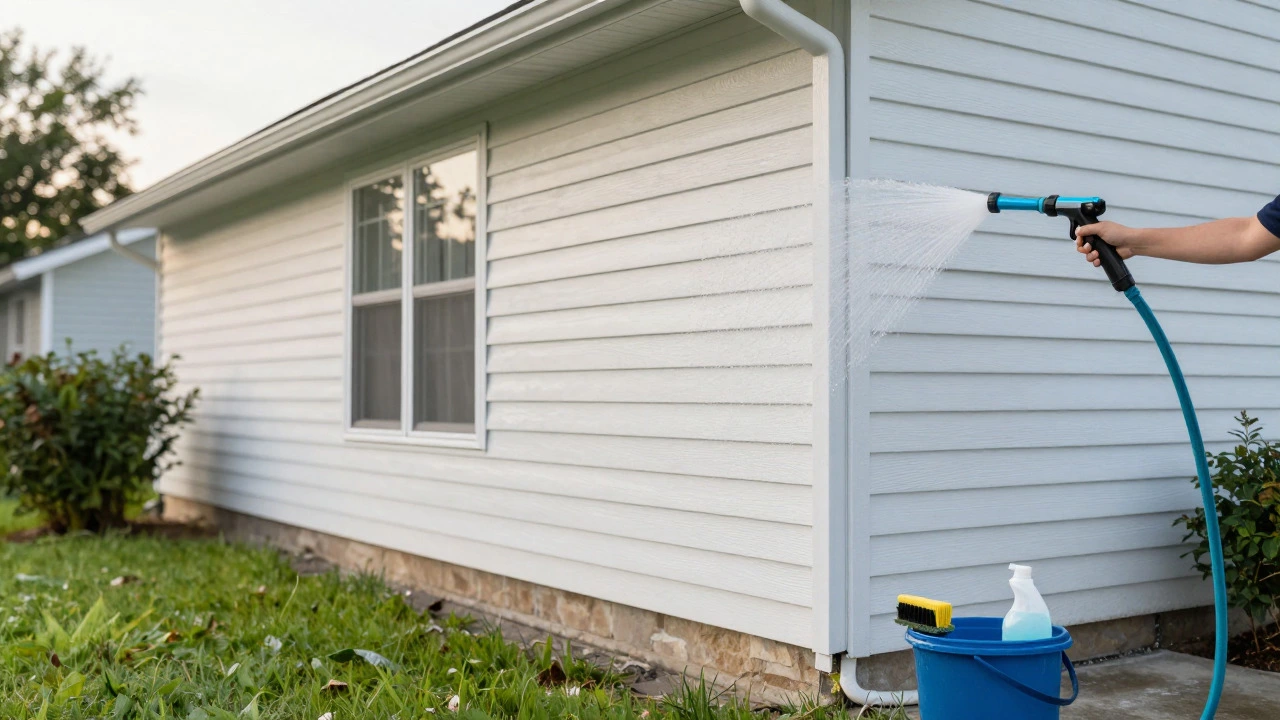
High pressure also physically damages the material. It can crack the thin plastic panels, chip away at the protective coating, and even blow the siding off its nailing hem. If you must use a machine, switch to a wide fan tip (40-degree nozzle) and keep the wand at least 12 inches away from the surface. Better yet, opt for a garden hose with a spray nozzle. The goal is to rinse, not blast.
Why Bleach Is a Double-Edged Sword
Sodium hypochlorite, commonly known as bleach, is the go-to solution for killing black mold and algae. It works fast. However, undiluted bleach or frequent applications are disastrous for vinyl. Bleach strips the UV inhibitors built into the siding during manufacturing. Without these inhibitors, the sun breaks down the polymer chains faster, leading to premature fading and brittleness.
Furthermore, bleach is corrosive to metal. If your siding has aluminum trim, nails, or nearby gutters, bleach will eat through them. When you do use a bleach-based cleaner, dilute it properly-usually one part bleach to four parts water-and rinse thoroughly immediately after application. Never let it sit on the surface for more than 10 minutes. For regular maintenance, consider oxygenated bleach (sodium percarbonate), which is gentler on plants and materials while still tackling organic stains.
Avoid Abrasive Scrubbers and Stiff Brushes
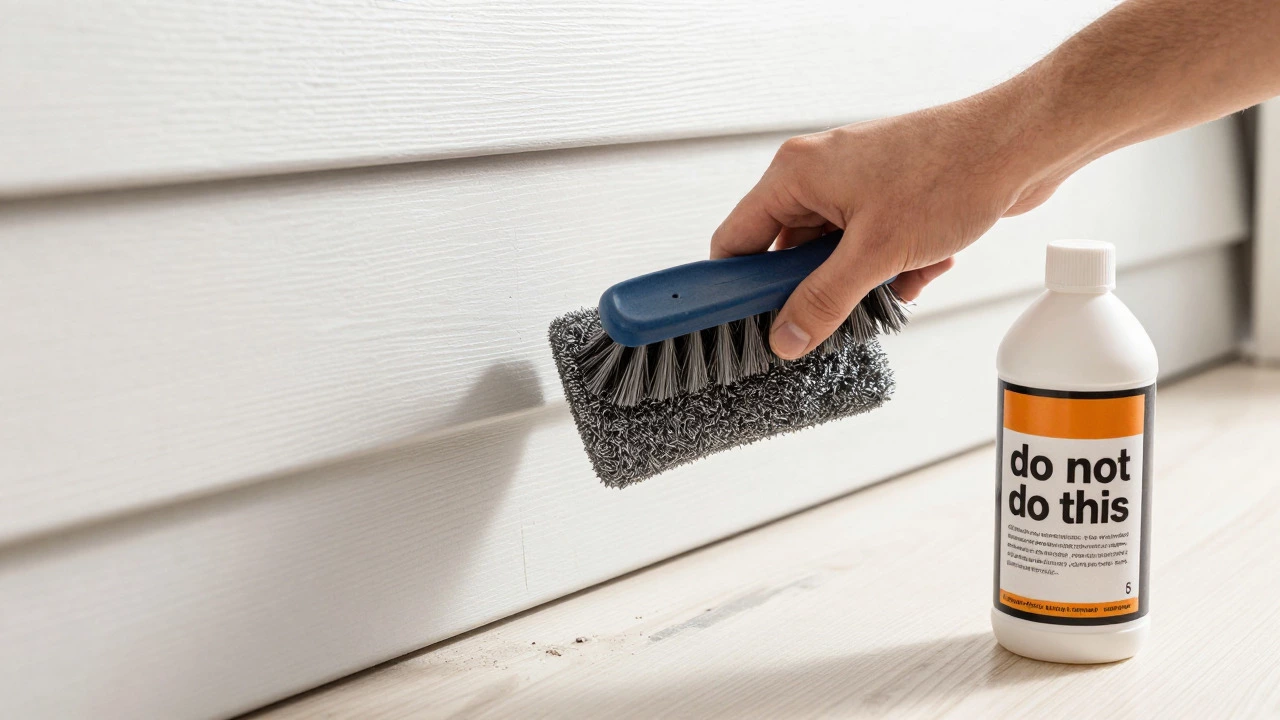
Vinyl siding has a smooth finish designed to shed water and dirt. When you scrub it with steel wool, wire brushes, or stiff-bristled brooms, you scratch that surface. These micro-scratches create tiny nooks where dirt and moisture get trapped. Over time, this makes the siding look dull and dirty much faster than before.
Instead of abrasives, use a soft-bristled brush or a microfiber cloth. A long-handled soft brush allows you to reach higher areas without straining, and the gentle bristles lift dirt without scratching. For stubborn spots, let your cleaning solution do the work rather than your elbow grease. Agitation should be light and circular, never harsh back-and-forth motions.
Steer Clear of Solvents and Harsh Chemicals
Kitchen degreasers, automotive cleaners, and industrial solvents like acetone or toluene are too aggressive for vinyl. These chemicals can dissolve the plasticizers that keep vinyl flexible. As the plasticizers break down, the siding becomes brittle and prone to cracking, especially in cold weather.
Always check the label. If a product says "for concrete" or "for metal," do not use it on vinyl. Stick to pH-neutral detergents specifically formulated for exterior siding. Dish soap mixed with warm water is a perfectly effective and safe alternative for general grime. It cuts grease without attacking the chemical structure of the plastic.
The Heat Problem: Why Hot Water Washers Can Melt Siding
Hot water pressure washers are popular for removing grease and oil. However, vinyl has a low melting point compared to other building materials. Direct contact with hot water jets can warp or melt the siding instantly. Even if the water isn't boiling, the concentrated heat from a narrow nozzle can soften the plastic enough to distort its shape.
If you are dealing with heavy grease near a garage or kitchen exhaust, cool down the area first or use a cold-water pressure washer with a biodegradable degreaser. Always test a small, inconspicuous area first. If the siding feels warm to the touch shortly after spraying, you are using too much heat or pressure.
Timing Matters: Don't Clean in Direct Sunlight
It might seem counterintuitive, but cleaning vinyl siding in the middle of a hot summer day is a mistake. When the siding is already heated by the sun, applying a cleaning solution causes it to evaporate too quickly. This leaves streaks and residue that are hard to remove. More importantly, the combination of heat and chemicals accelerates the degradation process mentioned earlier.
The best time to clean your home is early in the morning or late in the evening when the siding is cool to the touch. Cloudy days are ideal because there is no direct UV radiation accelerating chemical reactions. This simple timing adjustment prevents streaking and ensures the cleaning agents have enough dwell time to break down dirt effectively.
Safe Cleaning Checklist
- Use: Garden hose with spray nozzle or low-pressure washer (<600 PSI).
- Use: Soft-bristled brush or microfiber mop.
- Use: Mild dish soap or pH-neutral siding cleaner.
- Use: Oxygenated bleach for mold/mildew (diluted).
- Avoid: High-pressure nozzles (0-degree or 15-degree tips).
- Avoid: Undiluted chlorine bleach.
- Avoid: Steel wool, wire brushes, or abrasive pads.
- Avoid: Solvents, acetone, or strong degreasers.
- Avoid: Cleaning in direct sunlight or extreme heat.
Comparison: Safe vs. Unsafe Methods
| Method/Product | Safety Level | Risk Factor | Best Use Case |
|---|---|---|---|
| Garden Hose + Dish Soap | Very Safe | None | Regular dust and pollen removal |
| Low-Pressure Washer (<600 PSI) | Safe | Water intrusion if angled wrong | Large areas with moderate dirt |
| Diluted Oxygenated Bleach | Safe | Plant damage if not rinsed | Mold, mildew, and algae spots |
| High-Pressure Washer (>1500 PSI) | Unsafe | Cracking, warping, water damage | Avoid on vinyl entirely |
| Undiluted Chlorine Bleach | Unsafe | Fading, corrosion, UV loss | Avoid; use only diluted sparingly |
| Steel Wool/Wire Brush | Unsafe | Scratching, surface dullness | Avoid entirely |
Troubleshooting Common Issues
If you notice white streaks after cleaning, you likely didn't rinse thoroughly enough. Mineral deposits from hard water or leftover soap can dry on the surface. Rinse again with clean water, starting from the top and working down. If the streaks persist, a vinegar-water solution (1:1 ratio) can help dissolve mineral buildup without harming the vinyl.
If the siding looks cloudy or hazy, you may have stripped some of the surface lubricant. This is rare with mild soaps but possible with harsh chemicals. A specialized vinyl siding conditioner can restore the sheen and protect against future dirt accumulation. Apply it according to the manufacturer's instructions, usually once a year.
For persistent green algae stains, spot-treat with a paste of baking soda and water. Let it sit for 15 minutes, then gently scrub with a soft brush and rinse. Baking soda is mildly abrasive but safe enough not to scratch the finish, making it a great alternative to stronger chemicals for localized problems.
Can I use a leaf blower to clean my vinyl siding?
Yes, a leaf blower is an excellent tool for removing loose debris like pollen, leaves, and cobwebs before wet cleaning. It puts zero stress on the siding and helps prevent scratches caused by grinding dirt into the surface during washing. Just make sure to hold the nozzle a few inches away to avoid blowing small rocks or grit directly onto the panels.
How often should I clean my vinyl siding?
Most homes benefit from a thorough cleaning once or twice a year, typically in spring and fall. If you live in a humid area or near trees, you might need to address mold or mildew spots more frequently. Regular rinsing with a garden hose every few months can extend the time between deep cleans.
Is it safe to pressure wash vinyl siding myself?
It is safe if you follow strict guidelines: use a pressure setting below 600 PSI, use a 40-degree fan tip, and keep the wand moving. However, many professionals recommend hiring experts for large jobs because improper technique is the leading cause of siding damage. If you are unsure, start with a garden hose and manual brushing.
What removes mold from vinyl siding without damaging it?
Oxygenated bleach (sodium percarbonate) is the safest effective option. Mix it with warm water according to package directions, apply with a soft brush, let it sit for 10-15 minutes, and rinse thoroughly. Avoid chlorine bleach unless heavily diluted, as it can fade the color over time.
Can rain naturally clean my vinyl siding?
Rain helps rinse away loose dust and pollen, but it does not remove embedded dirt, mold, or algae. In fact, rain can sometimes spread contaminants across the surface, creating streaks. Regular manual cleaning is necessary to maintain the appearance and longevity of the siding.