Pressure Washing Chemical Selector
Step 1: What is your house made of?
Select the primary material you are cleaning.
Vinyl Siding
Non-porous, sensitive to heat
Brick & Masonry
Porous, durable
Wood Siding
Highly absorbent
Metal Roofs/Gutters
Prone to rust
Step 2: What do you need to remove?
Select the primary issue you're dealing with.
Black Streaks / Green Moss
Algae, lichen, mold, or mildew growth
General Dirt & Dust
Accumulated grime, dust, or light grease
Rust or Mineral Deposits
Orange stains, hard water spots, efflorescence
Eco-Friendly Preference
I want to avoid harsh chemicals near plants/water
Recommended Solution:
There is no single "best" chemical for pressure washing a house because using the wrong one can strip paint, kill your garden, or void your home insurance. The secret isn't finding the strongest acid; it's matching the chemistry to the specific stain and surface material you are dealing with.
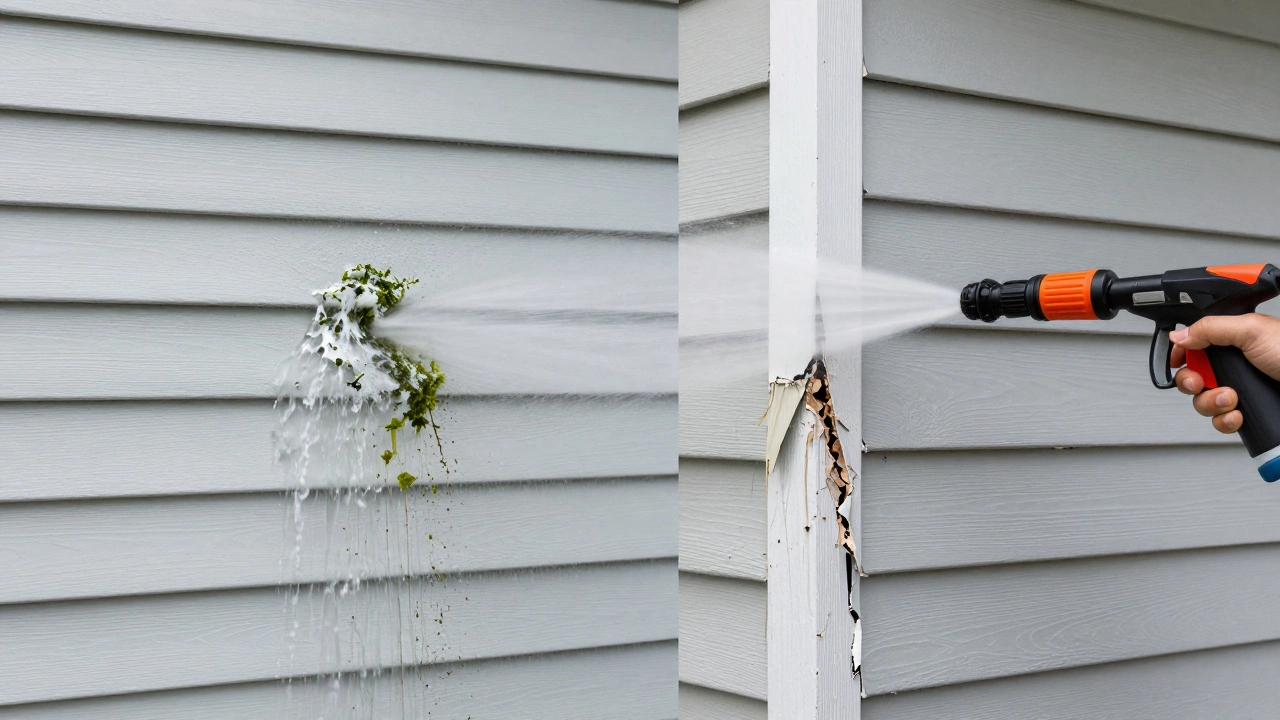
Most homeowners make the mistake of thinking high pressure equals clean. In reality, modern siding materials like vinyl, fiber cement, and painted wood are surprisingly delicate. A standard 3000 PSI washer will blow right through them in seconds. The real work is done by dwell time and chemistry, not brute force. This guide breaks down exactly which detergents work for which surfaces, how to mix them safely, and why "soft washing" is often the superior choice for residential exteriors.
Understanding Surface Compatibility
Before you buy a bottle of anything, you need to identify what your house is made of. Different materials react differently to pH levels. Using a highly alkaline cleaner on aluminum gutters, for instance, can cause immediate pitting and corrosion. Conversely, acidic cleaners meant for concrete can etch natural stone or damage mortar joints.
- Vinyl Siding: Non-porous but sensitive to heat and abrasion. Requires low-pressure application and mild, neutral-pH detergents.
- Brick & Masonry: Porous and durable. Can handle stronger alkaline cleaners but requires careful rinsing to prevent efflorescence (white salt deposits).
- Wood Siding: Highly absorbent. Needs gentle, oxygen-based cleaners to avoid raising the grain or stripping the finish.
- Metal Roofs/Gutters: Prone to rust. Avoid chlorinated products unless specifically formulated for metal safety.
If you have mixed materials, you cannot use a one-size-fits-all approach. You may need to spot-treat certain areas while using a milder general cleaner for the rest of the façade.
The Top Chemical Options for House Washing
When looking at house wash detergent, three main categories dominate the market. Each has a specific job-to-be-done.
1. Sodium Hypochlorite (Bleach-Based Soft Wash Solutions)
This is the industry standard for killing organic growth. If your house has black streaks (glowworm algae), green moss, or lichen, water alone won't remove it. You need a biocide. Sodium hypochlorite breaks down the cellular structure of these organisms.
However, pure bleach is too harsh. Professional soft wash solutions dilute sodium hypochlorite with surfactants and sometimes a small amount of sulfuric acid to balance the pH. A typical safe ratio for residential siding is 1 part household bleach (6% sodium hypochlorite) to 30 parts water. For heavier mold, professionals might go up to 1:10, but this increases the risk to plants and surrounding landscaping.
| Chemical Type | Best For | pH Level | Safety Risk |
|---|---|---|---|
| Sodium Hypochlorite (Bleach) | Mold, Algae, Lichen | High (Alkaline) | High (Plant damage, fumes) |
| Hydrogen Peroxide | Stain lifting, Mildew | Neutral/Acidic | Low (Eco-friendly) |
| Surfactant-Only Detergent | Dirt, Dust, Grease | Neutral | Very Low |
| Phosphoric Acid | Rust, Mineral Deposits | Low (Acidic) | Medium (Surface etching) |
2. Hydrogen Peroxide (The Eco-Friendly Alternative)
If you are worried about runoff harming your garden or local waterways, hydrogen peroxide is the best alternative. It acts as an oxidizer, breaking down stains and killing bacteria without leaving toxic residues. It is particularly effective on organic stains like bird droppings or mildew.
The downside? Cost and shelf life. Hydrogen peroxide degrades quickly when exposed to light and air. You need to buy it fresh and store it in opaque containers. It also lacks the heavy-duty killing power of bleach against thick lichen, so it may require multiple applications for severe cases.
3. Neutral-PH Surfactants (For General Dirt)
Not every house needs a biocide. If your home just looks dusty or has accumulated grease from cooking vents, a simple surfactant-based detergent is sufficient. These chemicals lower the surface tension of water, allowing it to penetrate dirt particles and lift them away. They are safe for all surfaces and require no special protective gear beyond gloves and goggles.
How to Apply Chemicals Safely and Effectively
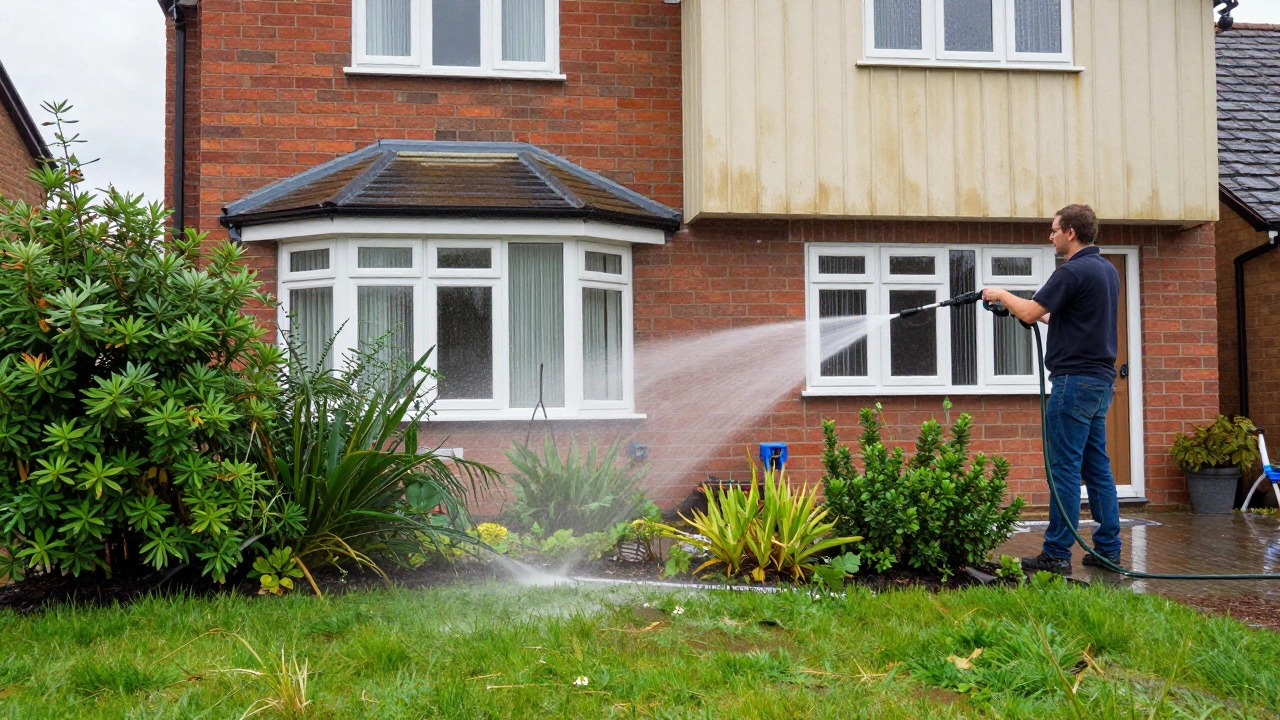
Applying the chemical correctly is just as important as choosing the right one. Many DIYers spray directly from the pressure washer wand, which atomizes the chemical into a fine mist that blows back onto their face and drifts into neighbors' yards. This is dangerous and ineffective.
- Pre-wet the Area: Spray down all plants, shrubs, and grass around the house with plain water before applying any chemical. This creates a barrier that reduces absorption.
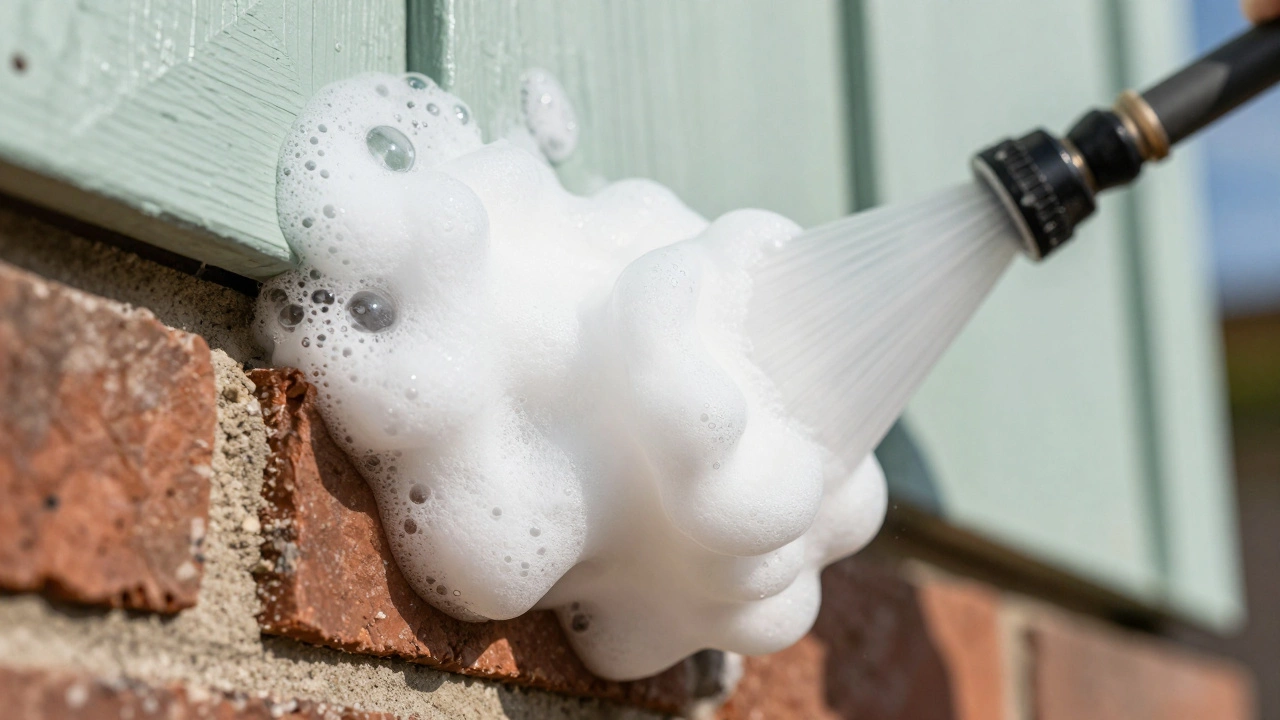
- Use a Low-Pressure Sprayer: Buy a dedicated garden sprayer or a low-pressure foam cannon attachment. You want the chemical to cling to the surface, not bounce off. Foam is ideal because it increases dwell time.
- Apply from Bottom to Top: Start at the bottom of the wall and work your way up. This prevents dirty runoff from streaking down already-cleaned sections.
- Let It Dwell: Allow the chemical to sit for 10-15 minutes. Do not let it dry on the surface. If it starts to dry, mist it lightly with water. The chemical needs moisture to work.
- Rinse Thoroughly: Use your pressure washer on a wide fan tip (40-degree nozzle) at low pressure (under 1500 PSI). Rinse from top to bottom to flush away dead organic matter and residue.
Common Mistakes to Avoid
One of the biggest errors people make is mixing chemicals. Never mix bleach with ammonia or vinegar. This creates toxic chlorine gas, which can be fatal. Stick to one type of cleaner per session.
Another common pitfall is ignoring ventilation. When working in enclosed areas like porches or near open windows, ensure there is cross-breeze. Fumes from sodium hypochlorite can irritate lungs and eyes. Wear an N95 mask and safety goggles.
Finally, don't neglect the rinse. Residual chemicals left on siding can continue to break down paint or sealants over time. Always follow the manufacturer's instructions for contact time and rinsing requirements.
Environmental Considerations and Local Regulations
In the UK and many other regions, runoff from pressure washing is considered wastewater. If you are using strong chemicals, you must contain the runoff if possible, especially if you live near streams or drains that lead to natural water bodies. Biodegradable cleaners are increasingly required by local councils for commercial work, and it's wise for homeowners to adopt them too.
Look for certifications like EWG Verified or EPA Safer Choice labels. These indicate that the product has been tested for human health and environmental safety. While they may cost slightly more upfront, they save you money on plant replacement and potential fines.
Can I use dish soap for pressure washing my house?
You can, but it's not ideal. Dish soap is designed to cut grease on dishes, not remove mold or mineral deposits from siding. It also creates excessive suds that can clog your pressure washer pump. If you must use it, dilute it heavily and rinse thoroughly to prevent residue buildup.
Is bleach safe for vinyl siding?
Yes, when diluted properly. A solution of 1 part bleach to 30 parts water is generally safe for vinyl. However, avoid letting it sit in direct sunlight for too long, as UV rays combined with bleach can accelerate fading. Always rinse completely after treatment.
How do I protect my plants when using pressure washing chemicals?
Thoroughly wet all plants with plain water before starting. Cover sensitive shrubs with plastic sheeting if possible. After washing, rinse the plants again with clean water to remove any stray chemical droplets. Avoid spraying chemicals directly onto leaves or soil.
What is the difference between soft washing and pressure washing?
Pressure washing relies on high-force water jets to blast away dirt, which can damage delicate surfaces. Soft washing uses low-pressure water combined with specialized chemicals to kill organic growth and dissolve stains. Soft washing is safer for roofs, siding, and painted surfaces.
Do I need a special nozzle for applying chemicals?
It is highly recommended to use a low-pressure foam cannon or a garden sprayer rather than the pressure washer wand itself. This ensures even coverage and prevents the chemical from being blown off the surface before it has time to work. High-pressure nozzles should only be used for rinsing.