Post-Builders Clean Checklist
Verify Your Property Is Ready for Move-In
After a builders clean, many important checks remain. This checklist helps you systematically verify all critical areas to avoid hidden issues, safety risks, and costly mistakes.
Essential Inspection Checklist
Surface Inspection
System Testing
Final Verification
Your Progress
Checklist Summary
After a builders clean, you might think the job is done. But if you skip the next step, you could end up with hidden messes, safety risks, or even legal issues-especially if you’re handing over a property to new owners or tenants. The real goal isn’t just to remove dust and debris. It’s to make sure the space is truly move-in ready. And that means going beyond the vacuum and the mop.
Inspect Every Surface, Inside and Out
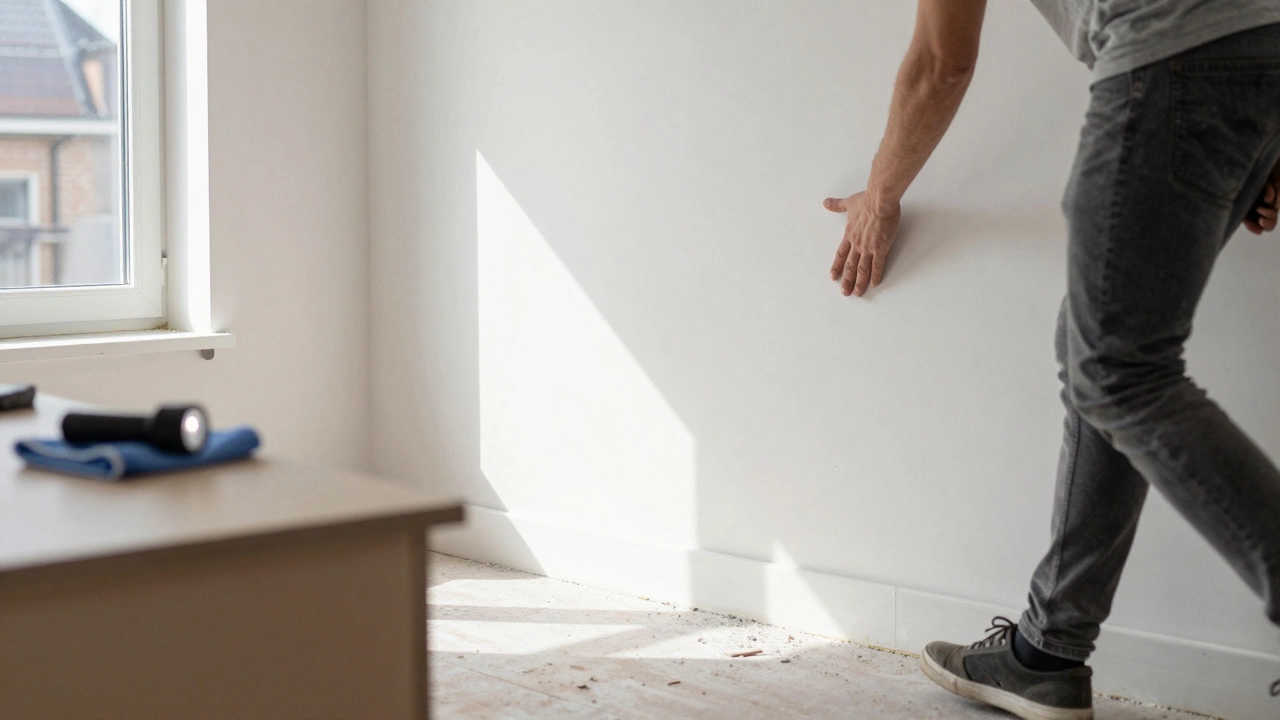
- Start with the walls. Run your hand along them. Are there smudges from drywall sanding? Paint splatters? Builders often miss spots near skirting boards, light switches, and door frames.
- Check the ceilings. Dust from ceiling work settles in corners. A quick wipe with a microfiber cloth can reveal streaks you didn’t know were there.
- Look under furniture and appliances. If they were moved during construction, the floor underneath might still have sawdust, nails, or adhesive residue.
- Test every outlet and switch. A quick visual check won’t cut it. Plug in a lamp or use a socket tester. Electrical work is often rushed, and loose connections are more common than you think.
- Run water in every sink, shower, and toilet. Drainage issues show up after the first real use. If water pools or drains slowly, it’s not just a nuisance-it’s a potential plumbing failure waiting to happen.
This isn’t about being picky. It’s about protecting your investment. In Leeds, we’ve seen cases where new homeowners were left with broken tiles because the cleaning crew didn’t check for loose grout after tiling. A five-minute inspection could’ve caught it.
Test the Systems
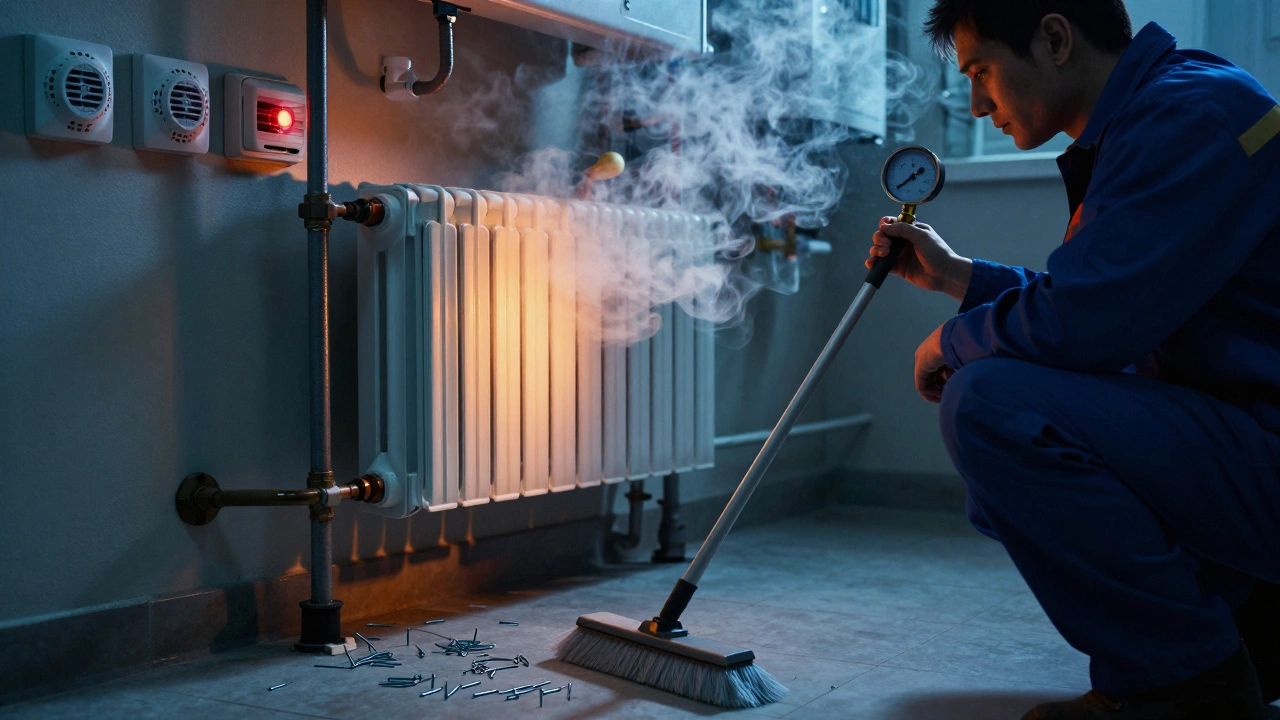
Builders clean doesn’t mean systems clean. HVAC, heating, alarms, and smart home tech often get ignored until someone tries to use them.- Turn on the central heating. Let it run for 20 minutes. Listen for odd noises. Feel the radiators-do they heat evenly? Cold spots mean air pockets or blocked pipes.
- Check the boiler. Is there a leak? Is the pressure gauge in the green zone? Most new boilers come with a manual. Read it. If the pressure is below 1 bar, you’ll need to repressurise it.
- Test smoke and carbon monoxide alarms. Press the test button. If they don’t chirp, they’re either dead or not wired properly. Replace batteries if needed.
- Try the extractor fans in the kitchen and bathroom. If they’re silent or rattling, they might not be connected or could be clogged with debris.
These aren’t optional checks. In the UK, landlords are legally required to have working smoke alarms and carbon monoxide detectors in rental properties. Skipping this step isn’t just sloppy-it’s risky.
Clear the Debris That Was Missed
Most builders clean teams focus on visible mess. But construction leaves behind invisible trouble:- Plaster dust in air vents. This can trigger allergies and clog filters. Remove vent covers and vacuum the inside.
- Adhesive residue from tape or fixings. Use a plastic scraper and a bit of white spirit on stubborn spots. Don’t use metal tools-they’ll scratch surfaces.
- Small nails, screws, and staples. These are easy to miss but dangerous. Walk barefoot through the house? Not a good idea. Use a strong magnet or a magnetic sweep tool.
- Paint fumes. Even after cleaning, new paint can release VOCs for days. Open windows wide. Use fans. Wait at least 48 hours before moving in furniture or bedding.
In 2024, a survey by the UK Building Control Alliance found that 37% of new builds had residual dust in HVAC systems after final cleaning. That’s not just a cleaning issue-it’s a health hazard.
Document Everything
This step is often skipped, but it’s critical. Take photos. Not just of the clean rooms. Take photos of:- Any damage you found (scratches, dents, cracked tiles)
- Missing fixtures (light fittings, towel rails, cabinet handles)
- Areas that still need attention
Keep these photos in a folder labeled “Final Handover.” If you’re working with a contractor, send them the photos before the final payment. This gives you leverage. If they promised a full clean and missed three rooms, you’re not asking for a favour-you’re reminding them of their contract.
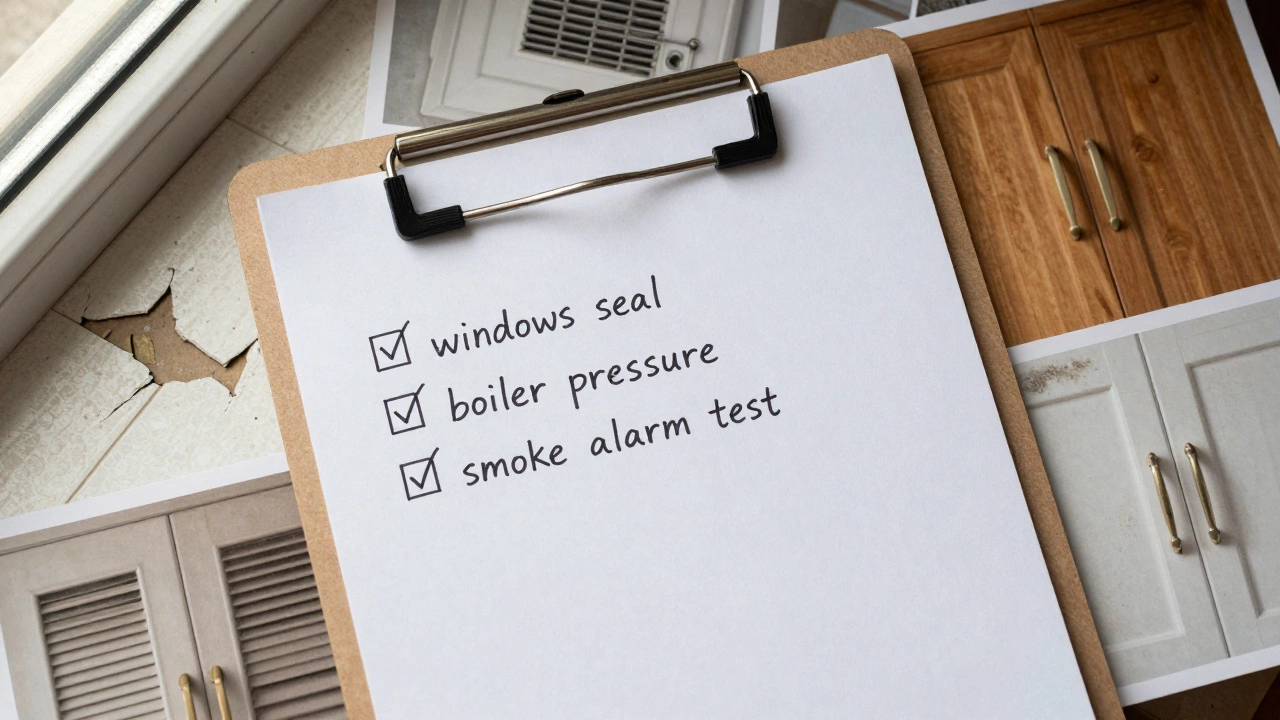
Some estate agents in Leeds now require a signed handover checklist before releasing keys. It includes:
- All windows open and close smoothly
- All locks work
- No water leaks under sinks or behind toilets
- Appliances are clean and operational
- All trash and packaging has been removed
- Keys and access codes have been handed over
Print this checklist. Tick it off. Keep a copy. It’s your proof that the job was done right-or that it wasn’t.
Final Walkthrough With the Buyer or Tenant
If you’re selling or renting, don’t let the new occupant walk in blind. Do a joint walkthrough.Walk through room by room. Point out:
- Where the main water shut-off is
- How to reset the boiler
- Which switches control which lights
- How the thermostat works
This isn’t just helpful-it reduces complaints later. People don’t mind a slightly dusty floor if they know how to fix the heating. But if they can’t turn on the lights and the builder’s gone? That’s a 5-star review turned into a 1-star nightmare.
Don’t Rush the Handover
The biggest mistake people make? Thinking the builders clean = done. It’s not. It’s the starting line.The next step is verification. You’re not just cleaning a house-you’re ensuring it’s safe, functional, and ready for real life. Whether you’re a new homeowner, a landlord, or a property manager, skipping the final checks means you’re gambling with comfort, safety, and money.
Take an hour. Walk through. Test. Document. Talk to the people moving in. That hour saves you weeks of headaches later.
Is a builders clean enough to move in?
No. A builders clean removes construction dust and debris, but it doesn’t check if systems work, if fixtures are secure, or if hidden messes remain. You still need to inspect surfaces, test appliances, clear air vents, and verify safety devices like smoke alarms.
How long after builders clean can I move in?
Wait at least 48 hours after the final clean, especially if new paint, adhesives, or sealants were used. These release fumes that can irritate lungs and eyes. Open windows, use fans, and avoid placing bedding or soft furnishings until the air clears.
Who is responsible for the final check after builders clean?
The property owner or their representative. Even if you hired a cleaning company, it’s your responsibility to verify the work. Some contractors include a final inspection in their contract-check yours. If not, do it yourself or hire an independent inspector.
What should I do if something is missing or broken after the clean?
Take clear photos and list everything in writing. Contact the builder or cleaning company immediately. Most contracts include a 7-14 day defect period. Don’t wait-delaying makes it harder to prove the issue existed before you moved in.
Can I skip the final walkthrough with the new tenant?
Technically, yes-but you shouldn’t. A walkthrough prevents misunderstandings. Tenants often assume things like how to reset the boiler or where the water shut-off is are obvious. They’re not. Walking them through it reduces future complaints and protects you from unfair damage claims.
What to Do Next
If you’ve just finished a builders clean, here’s your simple action plan:- Do a full room-by-room inspection-don’t rush.
- Test every electrical outlet, switch, and appliance.
- Check water flow and drainage in all sinks and toilets.
- Remove dust from vents and clean behind appliances.
- Take photos of any issues before paying the final invoice.
- Schedule a walkthrough with the new occupant if possible.
This isn’t busywork. It’s the difference between a smooth move-in and a month of calls to contractors, landlords, or warranty providers. Do it right the first time.