Window Cleaning Simulator
Simulate Your Cleaning Technique
Result
Streaky window! Try using a dry microfiber cloth in vertical strokes on a cloudy day.
Learn more in the article about the two-cloth method.
Ever wipe your windows and still see streaks? You’re not alone. Most people use glass cleaner and a paper towel, then wonder why the sun turns their window into a rainbow of smears. The truth is, window cleaning isn’t about how much you spray-it’s about what you use and how you do it. The best trick isn’t some fancy gadget or expensive product. It’s a simple, time-tested method that works better than anything sold in stores.
The Vinegar and Water Mix
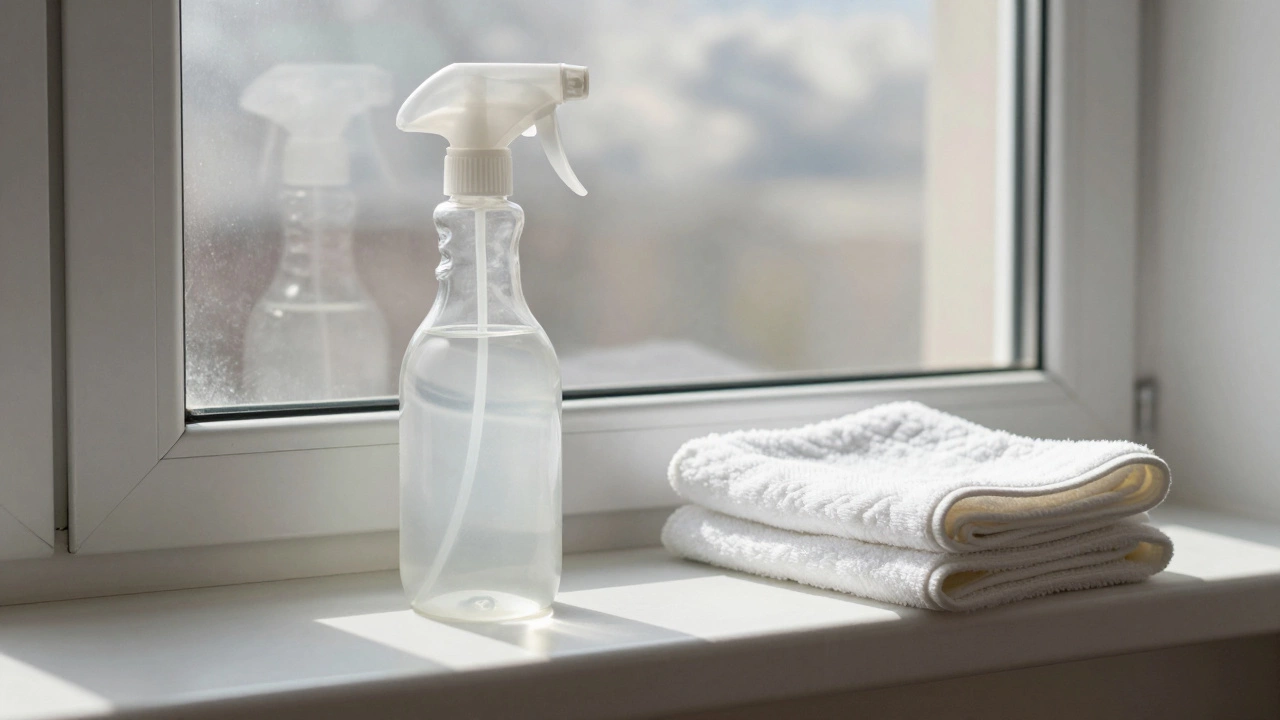
The secret starts in your pantry. Mix one part white vinegar with one part water in a spray bottle. That’s it. No ammonia, no synthetic fragrances, no chemicals that leave residue. White vinegar cuts grease, dissolves mineral deposits, and evaporates cleanly. Tap water works fine, but if you live somewhere with hard water, use distilled water to avoid leaving behind calcium spots. This solution has been used for decades by professional window cleaners because it’s cheap, effective, and safe for kids and pets.
Why Microfiber Cloths Beat Paper Towels
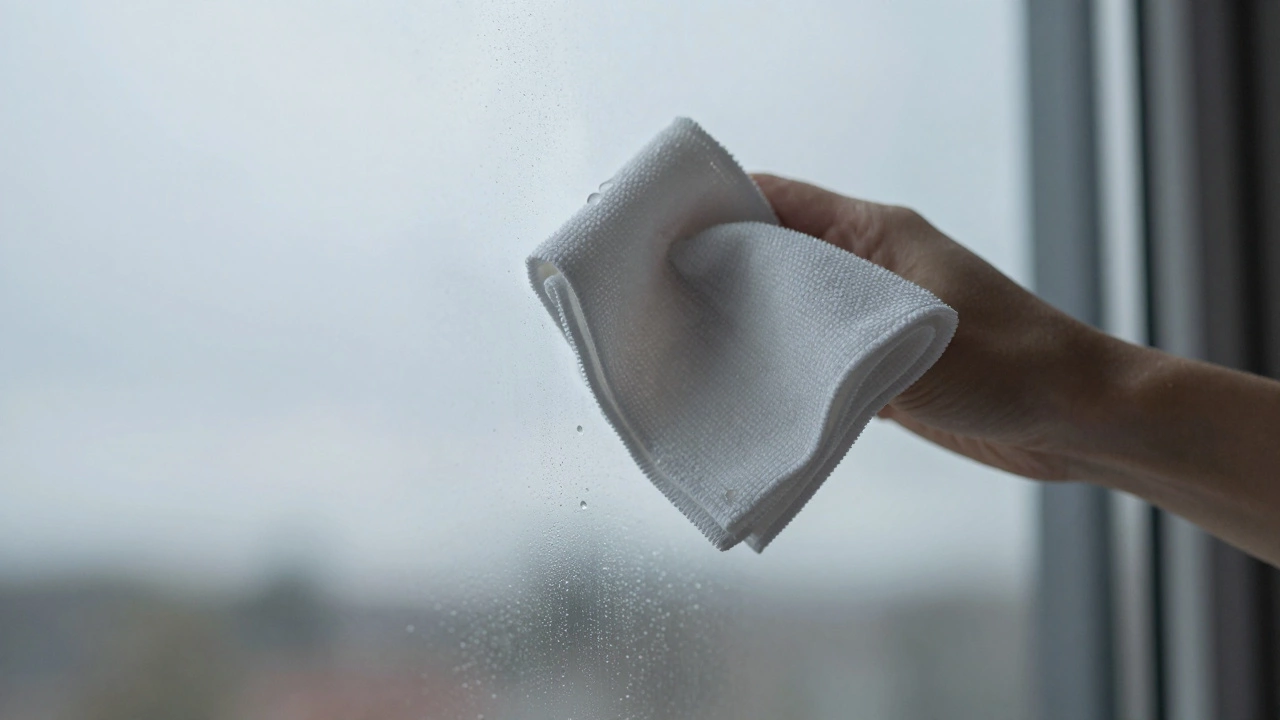
Here’s where most people mess up. They grab a paper towel or a cheap rag. Paper towels leave lint, and cheap rags trap dirt instead of lifting it. The real game-changer is a clean, dry microfiber cloth. Microfiber is made of ultra-fine fibers that grab dust, oil, and water like a magnet. It doesn’t scratch glass, and it holds moisture evenly so you don’t get drips or streaks. Use one cloth to apply the solution and another to dry. Don’t reuse the same cloth unless you’ve washed it-dirty microfiber just spreads grime.
The Two-Cloth Method
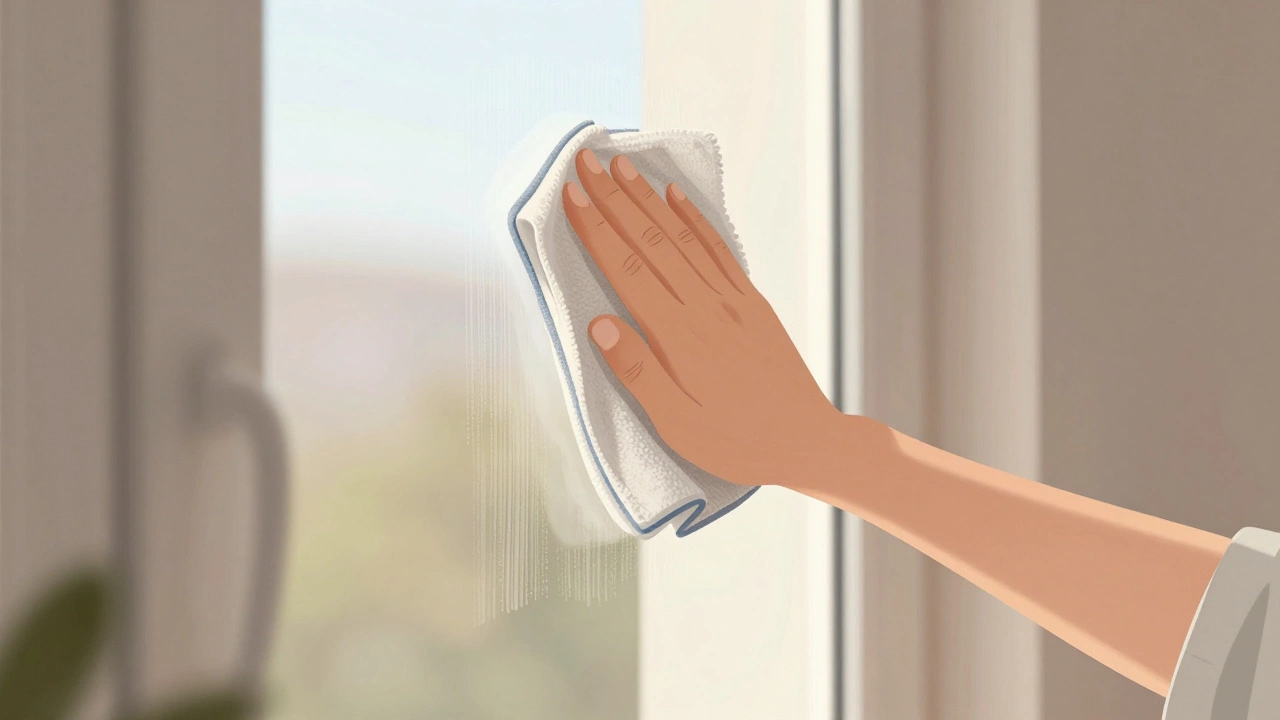
This is the trick most people skip. First, spray the vinegar solution lightly across the glass. Don’t soak it. Then, take your first microfiber cloth and wipe the window in an S-shape pattern. This covers the whole surface without missing spots. Don’t go back and forth. That just smears. Then, take your second dry microfiber cloth and go over the same area in vertical strokes. The vertical motion pulls moisture down evenly and leaves no lines. If you do this right, your window will look like it’s been professionally cleaned-no streaks, no haze, no smell.
When to Clean for Best Results
Timing matters more than you think. Cleaning windows in direct sunlight might seem logical, but the heat makes the solution dry too fast, leaving streaks. The best time is on a cloudy day, or early morning or late afternoon when the sun is low. Cooler surfaces let the cleaner work longer without evaporating. If you’re cleaning inside, wait until after you’ve done other dusty chores like vacuuming. Dust in the air settles on wet glass and ruins the finish.
What Not to Do
Don’t use newspaper. It sounds like a classic tip, but modern ink bleeds and leaves smudges. Also avoid ammonia-based cleaners on tinted windows-they can damage the film. And never use a sponge with a rough side on glass. Even a tiny scratch from a sponge’s abrasive layer can catch light and look like a permanent flaw. Stick to soft cloths and gentle solutions.
For Tough Stains
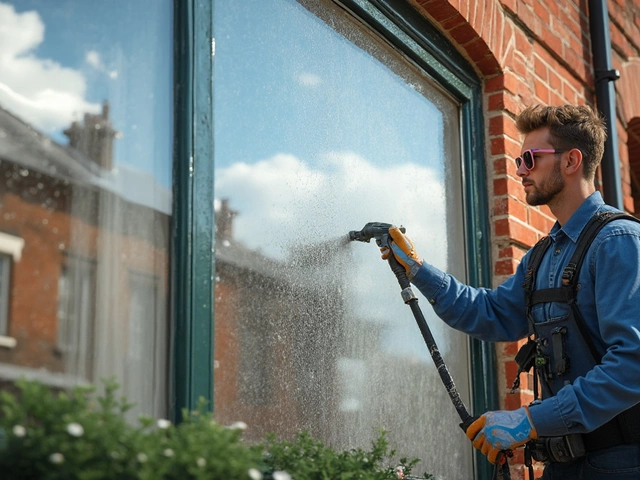
Some windows have stubborn spots-hard water rings, paint splatters, or bird droppings. For those, make a paste of baking soda and water. Dab it gently on the spot with a soft cloth, let it sit for a minute, then wipe off with the vinegar solution. Baking soda is mildly abrasive but won’t scratch glass if you don’t scrub hard. For outdoor windows with pollen or tree sap, rinse first with a hose, then use the vinegar mix. Don’t skip the rinse-dirt left on the surface will smear when you clean.
Why This Trick Beats Store-Bought Cleaners
Commercial glass cleaners often contain alcohol and ammonia. They smell strong, dry too fast, and can leave a thin film that attracts dust. Over time, that film builds up and makes windows look cloudy even after cleaning. Vinegar doesn’t leave residue. It evaporates completely. Plus, it costs less than a dollar per bottle. You’re not just cleaning better-you’re saving money and avoiding chemicals that aren’t needed.
Pro Tip: Clean the Frame Too
Streak-free glass means nothing if the frame is grimy. Wipe down the window sill and track with the same vinegar solution. Dirt in the frame transfers back onto the glass the next time you open or close it. A quick wipe with a damp cloth before you clean the glass keeps things clean longer.
How Often Should You Clean Windows?
Indoor windows: every 2 to 3 months. Outdoor windows: twice a year-once in spring and once in fall. If you live near the coast, where salt spray builds up, clean them every 6 weeks. Dust and pollen are the usual culprits, but salt and pollution stick faster. Regular cleaning prevents buildup so you don’t have to scrub harder later.
Final Thought: It’s Not About the Product, It’s About the Process
The best window cleaning trick isn’t a secret formula. It’s a system: vinegar and water, two clean microfiber cloths, the right time of day, and a little patience. You don’t need a squeegee, a ladder, or a subscription to a cleaning service. Just do it right once, and you’ll never go back to the old way.
Can I use apple cider vinegar instead of white vinegar?
No. Apple cider vinegar has color and sediment that can leave stains on glass. Stick to clear white distilled vinegar-it’s cheap, pure, and designed for cleaning.
Is it safe to use this method on tinted windows?
Yes. Vinegar and water is gentle enough for factory-tinted windows. Avoid ammonia-based cleaners, which can break down the tinting layer over time. Always test a small corner first if you’re unsure.
Why do my windows still streak even after using this method?
You’re probably using a dirty cloth or spraying too much liquid. Make sure both cloths are freshly washed and completely dry before use. Also, avoid cleaning in direct sunlight. The solution dries too fast and leaves marks.
Can I add dish soap to the vinegar mix?
Only if you have heavy grease buildup, like on kitchen windows. Add one drop of clear, unscented dish soap to the mix. Too much soap leaves a film. For regular cleaning, plain vinegar and water is better.
How do I clean high windows without a ladder?
Use a telescoping window cleaning tool with a microfiber pad. Spray the solution directly onto the pad, then gently glide it over the glass. Follow up with a dry microfiber cloth on a pole. This works for windows up to 15 feet high. For anything taller, hire a professional.