Mattress Baking Soda Rescue Calculator
Assessment Inputs
Analysis Result
Enter details and click "Analyze" to see the status of your baking soda treatment.
Quick Reference Guide
| Duration | State (Dry) | State (Humid) | Action |
|---|---|---|---|
| 1–4 Hours | Loose Powder | Loose Powder | Vacuum normally |
| 8–12 Hours | Slightly Compacted | Slightly Clumped | Vacuum with brush |
| 24+ Hours | Clumped/Heavy | Pasty/Damp | Dry first if damp! |
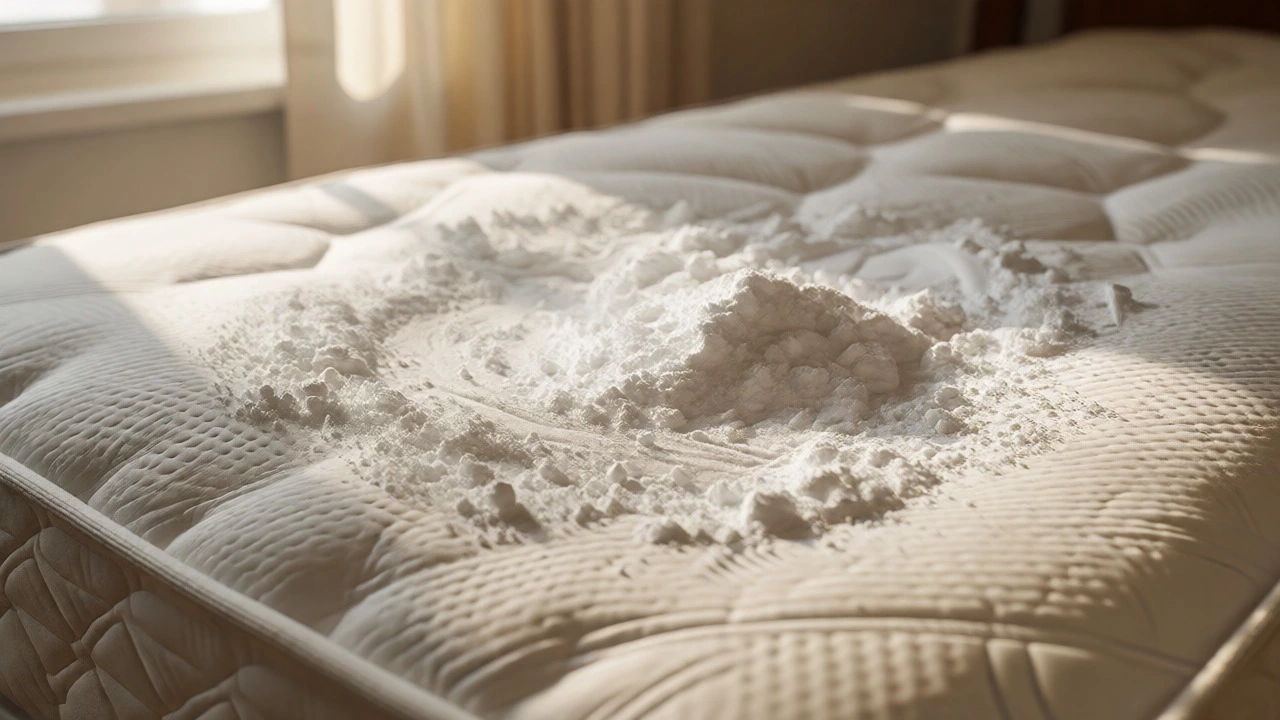
You’ve probably seen the hack: sprinkle a mountain of baking soda on your mattress, let it sit overnight to suck up odors, and vacuum it away in the morning. It’s cheap, it’s easy, and it usually works. But what if you get distracted? What if life gets busy, and that white powder sits there for two days, or even a week? Does it turn into a cement block? Does it ruin your memory foam? Or does it just do nothing?
The short answer is that leaving sodium bicarbonate on your mattress too long rarely causes catastrophic damage, but it creates a mess that can be harder to clean than if you’d done it right the first time. More importantly, if moisture is involved, that harmless powder can become a breeding ground for mold. Let’s break down exactly what happens chemically and physically when you leave baking soda on your bed longer than intended, so you know whether to panic or just grab a stronger vacuum.
The Chemistry of Sitting Still
To understand the risk, you have to understand what baking soda actually does. Chemically known as sodium bicarbonate, it is an alkaline substance with a pH of around 8.3. When you sprinkle it dry onto a fabric surface like a mattress, it acts as a desiccant and an odor neutralizer. It absorbs volatile organic compounds (VOCs) and some moisture from sweat and spills. This process is passive; it doesn’t require agitation or water to start working.
If you leave it on for 15 minutes, it starts absorbing. If you leave it for 8 hours, it absorbs more. If you leave it for 48 hours, it has likely reached saturation. Once saturated, it stops pulling in new odors. At this point, the baking soda isn’t actively cleaning anymore; it’s just sitting there. The danger isn’t that it becomes toxic-it’s not-but that its physical properties change depending on environmental conditions.
Dry Residue vs. Moisture Damage
The outcome depends entirely on one variable: humidity. In a dry room, leaving baking soda on your mattress for three days instead of eight hours is mostly an inconvenience. The powder remains loose. However, because baking soda is hygroscopic (meaning it attracts water), it will pull moisture from the air. If your bedroom is humid, especially during British winters where condensation is common, that powder can begin to clump.
| Duration | State of Powder | Cleaning Difficulty | Risk Level |
|---|---|---|---|
| 1-4 Hours | Loose, fine powder | Easy | Low |
| 8-12 Hours | Slightly compacted | Moderate | Low |
| 24+ Hours (Dry) | Clumped, heavy | Hard | Medium |
| 24+ Hours (Humid) | Pasty, damp paste | Very Hard | High (Mold Risk) |
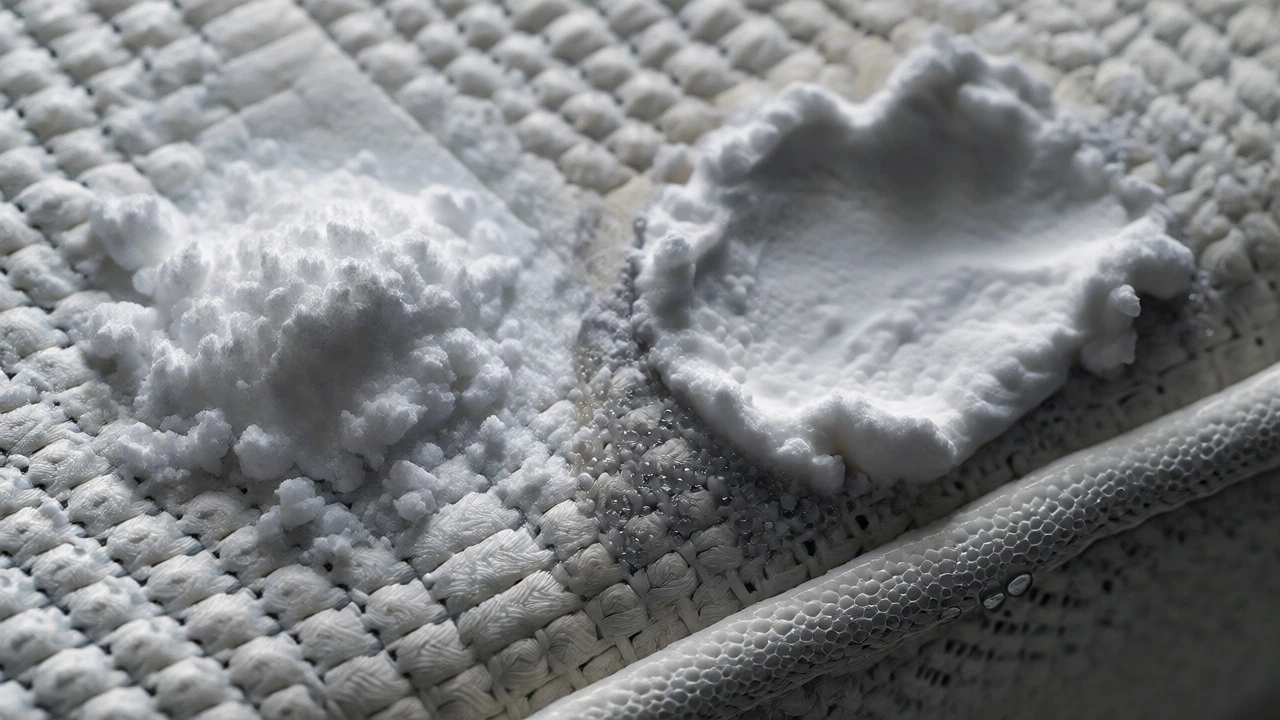
When baking soda clumps due to ambient humidity, it becomes difficult to vacuum. Standard upright vacuums often struggle with dense, caked-on powder. You might end up pushing the dirt deeper into the mattress fibers rather than lifting it out. Worse, if you used any liquid cleaner prior to sprinkling the soda-say, a vinegar solution for a stain-and didn’t let it dry completely, the baking soda will react with the residual moisture. It turns into a thick, white paste. This paste dries hard, essentially gluing itself to the fabric weave.
The Mold Factor
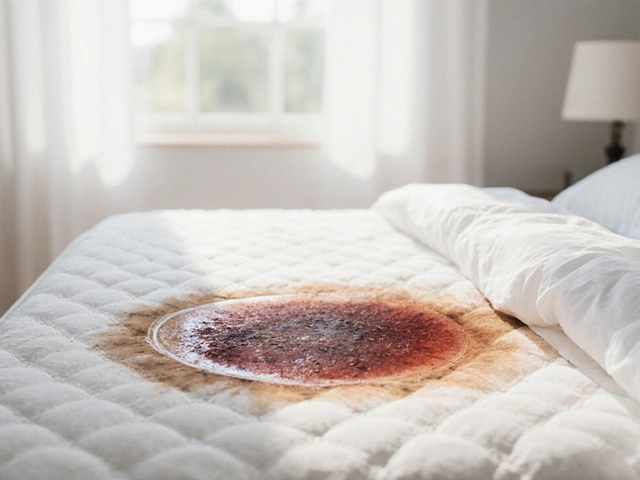
This is the part people forget. Baking soda itself doesn’t grow mold. But if you trap moisture under a layer of powder, you create a micro-environment perfect for fungal growth. Imagine you spilled a glass of water, wiped it up with a towel, but left the mattress slightly damp. Then you sprinkled baking soda on top. The soda absorbs the water, becoming damp. If you leave that damp soda on the mattress for days, you’re insulating wet fabric. Warm, dark, and damp? That’s mold’s favorite habitat.
In Leeds, where indoor heating runs high in winter, mattresses are often warm. If you leave damp baking soda on a warm mattress for a week, you aren’t just dealing with a cleaning issue; you’re risking a musty smell that no amount of fresh powder will fix. You’ll need to check for discoloration or a sour odor after vacuuming. If the mattress smells worse than before, you’ve likely encouraged microbial growth.
Impact on Mattress Materials
Not all mattresses are created equal. A traditional spring mattress with a cotton cover behaves differently than a modern hybrid or memory foam model.
- Memory Foam: This material is dense and porous. It traps heat and moisture easily. Leaving baking soda on memory foam for too long, especially if it’s damp, can make it incredibly hard to remove. Vacuum cleaners may not generate enough suction to pull powder out of the deep viscoelastic cells. Over time, if you don’t get it all out, the trapped powder can feel gritty against your skin.
- Innerspring: These have more airflow. Air circulates through the coils, helping the baking soda stay drier. Clumping is less of an issue here unless you had a significant spill. However, if powder falls between the springs, it’s nearly impossible to retrieve without flipping the mattress.
- Latex: Natural latex is breathable but sensitive to pH changes. While sodium bicarbonate is mild, prolonged exposure to large quantities of any chemical isn’t ideal. It won’t degrade the latex quickly, but it’s best to keep application times reasonable to preserve the material’s integrity.
One common myth is that baking soda yellows the mattress. Pure, high-quality baking soda is white and stable. It doesn’t oxidize rapidly like some bleaching agents. However, if the baking soda mixes with body oils, sweat salts, and dust mites over several days, the mixture itself can turn greyish-yellow. This isn’t a chemical reaction damaging the fabric; it’s just dirty powder. When you finally vacuum it, you might see yellow stains on your vacuum bag or filter. That’s normal.
How to Rescue a Long-Sitting Layer
So, you forgot about the baking soda. It’s been there for three days. Don’t panic. Here is how to handle it based on its current state.
- Check for Dampness: Touch the powder gently. Is it dry and powdery, or cool and pasty? If it’s dry, proceed to step 2. If it’s damp, stop. Do not vacuum yet. You need to dry it first.
- Air it Out: If the powder is damp, open windows and use a fan to blow across the mattress surface. Let it dry completely. This could take several hours. Vacuuming damp powder will just spread it around and clog your machine.
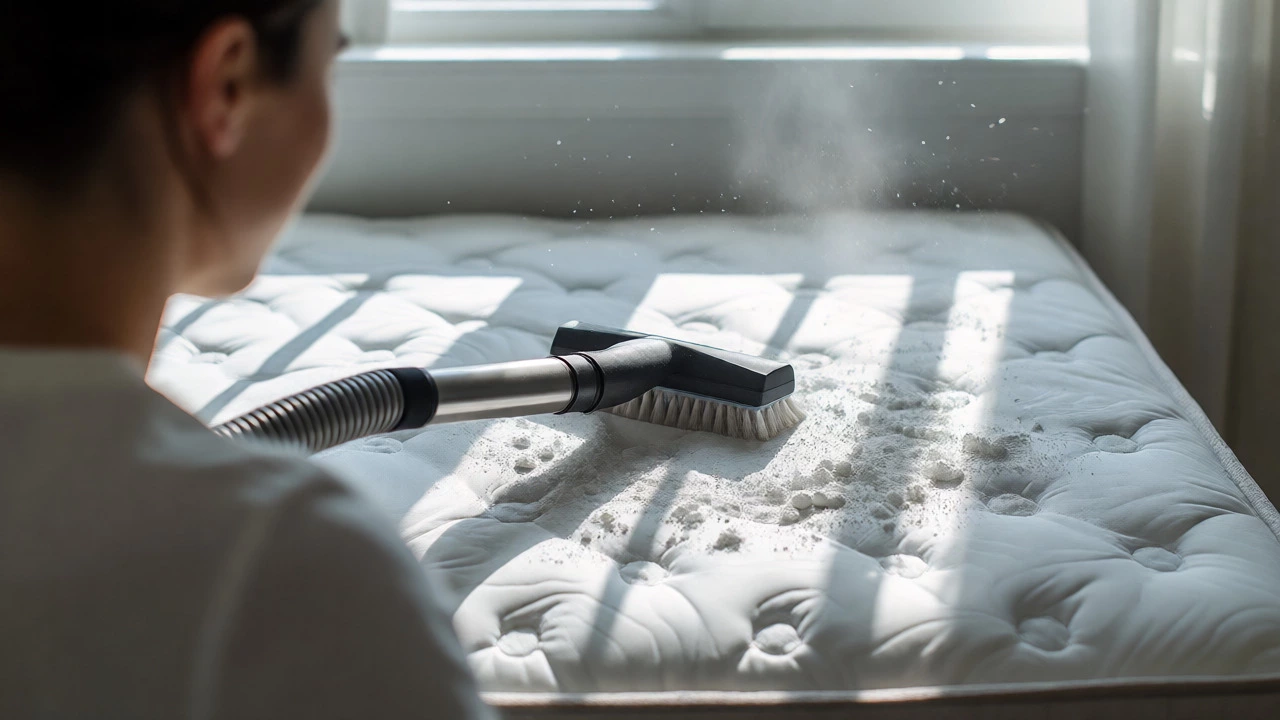
- Use a Brush Attachment: For dry, clumped powder, switch your vacuum to the upholstery brush attachment. The bristles help agitate the fabric, loosening the caked powder from the fibers. Go slow. Rushing pushes dirt deeper.
- Empty the Canister Frequently: Baking soda is heavy. A small amount takes up a lot of volume. Empty your vacuum canister halfway through cleaning to maintain strong suction. A full canister loses power fast.
- Inspect for Residue: After vacuuming, run a white cloth over the surface. If you see white streaks, there’s still powder left. Repeat the vacuuming process. Leftover powder can irritate sensitive skin or cause sneezing fits at night.
Preventing the "Too Long" Mistake
The best way to avoid this headache is to set a timer. Seriously. Put your phone alarm for 60 minutes after you apply the baking soda. Why 60 minutes? Because most of the odor-neutralizing benefit happens in the first hour. Waiting overnight is nice, but it’s not strictly necessary for light maintenance. If you’re treating a specific stain, wait until the area is bone dry before applying the powder, and then vacuum within 4 hours.
Another trick is to use a sifter or shaker bottle. Sprinkling by hand often leads to uneven piles. Thick piles take longer to dry and are harder to vacuum. A thin, even coat works faster and cleans easier. Think of it like seasoning food: a light dusting enhances flavor; dumping the whole jar ruins the dish.
Also, consider your environment. If you live in a particularly humid area, skip the overnight soak. Stick to shorter durations. In dry, heated homes during winter, you have more leeway, but never assume the powder is safe indefinitely. Check it before you vacuum.
Alternatives to Baking Soda
If you find yourself constantly forgetting to vacuum, maybe baking soda isn’t the right tool for your routine. There are other options for mattress deodorizing.
- Enzyme Cleaners: These are liquids that break down biological matter (sweat, urine). They don’t need to be vacuumed. You spray, let them work, and let them air dry. No residue means no cleanup hassle.
- Vacuum-Only Maintenance: Use a HEPA-filter vacuum weekly. This removes dust mites and dead skin cells-the primary sources of odor-without adding any chemicals. It’s slower but requires zero drying time.
- Essential Oil Sprays: A mix of water and tea tree oil in a spray bottle can freshen a mattress instantly. Again, no vacuuming required, though you must ensure the mattress is dry before making the bed to prevent mold.
Baking soda is a fantastic tool, but it demands attention. Treat it like a cooking ingredient: precise amounts, controlled timing, and proper cleanup. Leave it too long, and you trade convenience for extra labor. Keep it simple, keep it dry, and your mattress will thank you.
Can baking soda ruin my mattress warranty?
Generally, no. Most warranties cover structural defects like sagging springs or broken foam cores. They rarely cover cosmetic issues or cleaning methods unless you caused obvious damage (like soaking the mattress). However, always check your specific manufacturer's guidelines, as some premium brands recommend against using any powders.
Will leftover baking soda attract bugs?
Baking soda itself doesn't attract insects. In fact, diatomaceous earth (often confused with baking soda) kills bugs. However, if the baking soda is mixed with food crumbs or sticky residues, those contaminants can attract pests. Ensure you vacuum thoroughly to remove the organic matter along with the powder.
How do I get baking soda out of a thick rug-like mattress topper?
Thick toppers trap powder easily. Use a vacuum with a rotating brush head if possible. Alternatively, take the topper outside and shake it vigorously, then beat it with a broom to dislodge the powder from the deep pile before vacuuming indoors.
Does baking soda bleach the mattress fabric?
No, pure sodium bicarbonate is not a bleach. It will not lighten colored fabrics. If you notice color changes, it's likely due to sun exposure while the mattress was uncovered, or oxidation of existing stains, not the baking soda itself.
Is it safe to sleep on a mattress immediately after vacuuming baking soda?
Yes, provided you've removed all visible residue. Run a damp cloth over the surface to pick up any microscopic particles. If it feels gritty, vacuum again. Sleeping on residual powder can cause skin irritation or respiratory discomfort for allergy sufferers.