End of Tenancy Cleaning Checklist & Deposit Protector
Focus on high-touch zones, vertical surfaces, and hidden dust traps.
Vacuuming alone is rarely enough. Consider professional steam cleaning if required by lease.
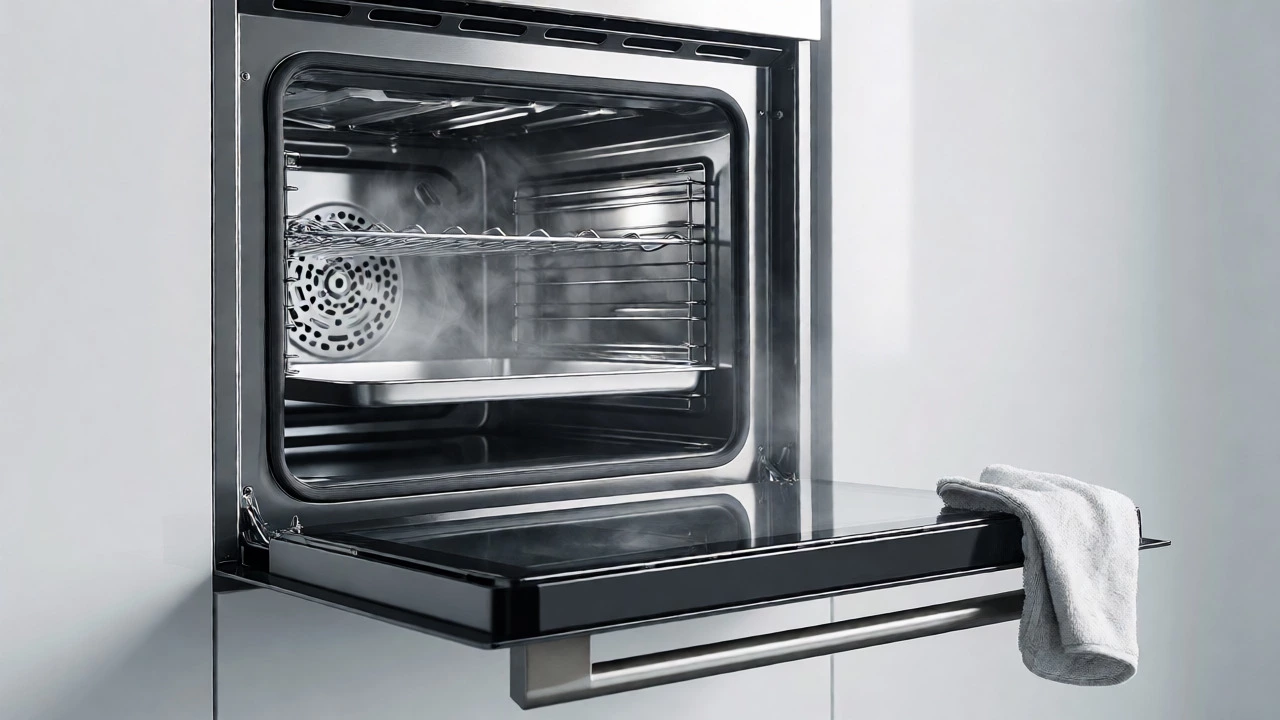
Agents open appliances. Focus on interiors, seals, and racks.
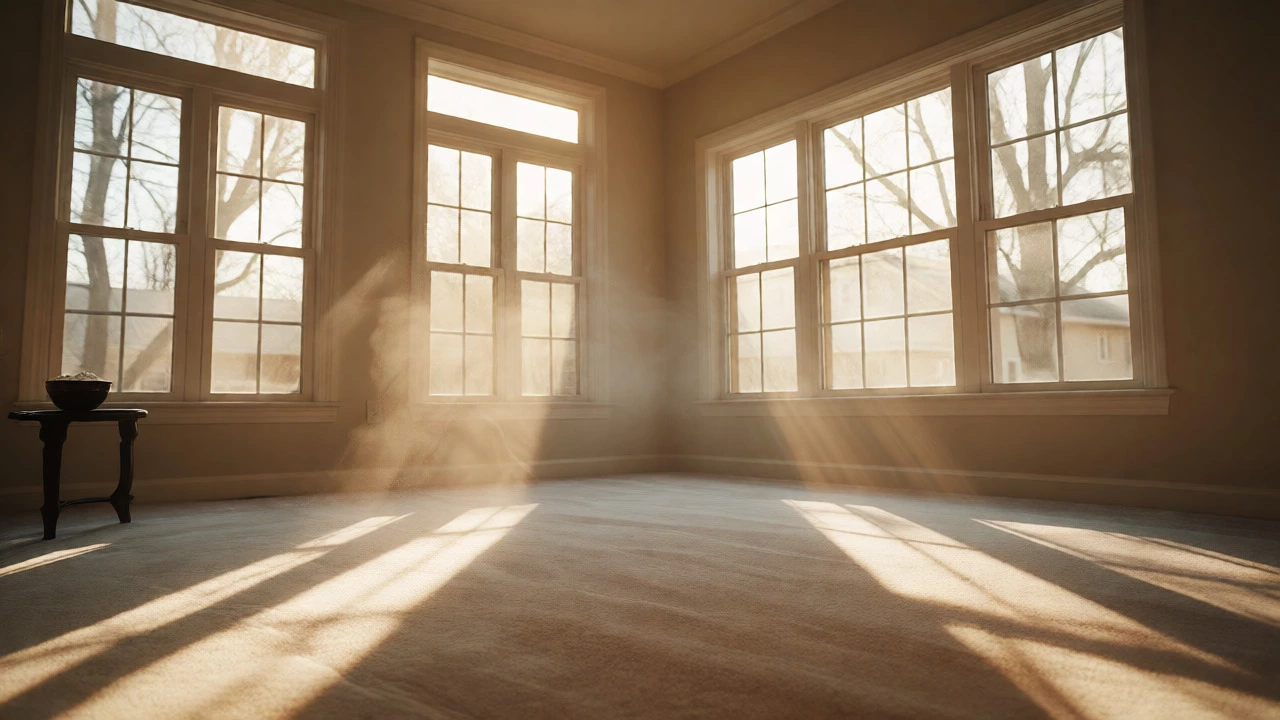
Streak-free glass is non-negotiable. Avoid paper towels.
Smell impacts perception more than sight. Address sources, don't just mask them.
Final Inspection Readiness
You just handed back the keys, and your heart sinks. The agent didn't even look at the kitchen. They just glanced at the skirting boards, sighed, and deducted £150 from your deposit. Sound familiar? It’s not bad luck; it’s a mismatch in expectations. Most tenants think "clean" means no visible trash. Landlords and letting agents think "clean" means professional-grade hygiene.
To get your full deposit back, you need to stop guessing what "clean" looks like and start working against specific benchmarks. These aren't arbitrary rules made up by petty landlords. They are established protocols used by professional cleaning companies and accepted by most rental agreements. If you hit these five standards, you’re bulletproof.
Standard 1: The Visual and Hygienic Surface Clean
This is the baseline. If a surface looks dirty or feels sticky, you fail. But here’s where people trip up: they miss the vertical surfaces and the high-touch zones that accumulate grime over months.
Hygienic Surface Cleaning is the process of removing dirt, dust, and bacteria from all accessible horizontal and vertical surfaces using appropriate detergents and disinfectants. It’s not just about wiping down counters. You need to tackle the tops of cupboards, the insides of window frames, and the edges of doors.
- Kitchen: Degrease extractor fans (not just the filters), wipe inside cabinet doors, and polish stainless steel appliances until fingerprints vanish.
- Bathroom: Descale taps and showerheads. Limescale buildup looks like dirt but requires acid-based cleaners to remove.
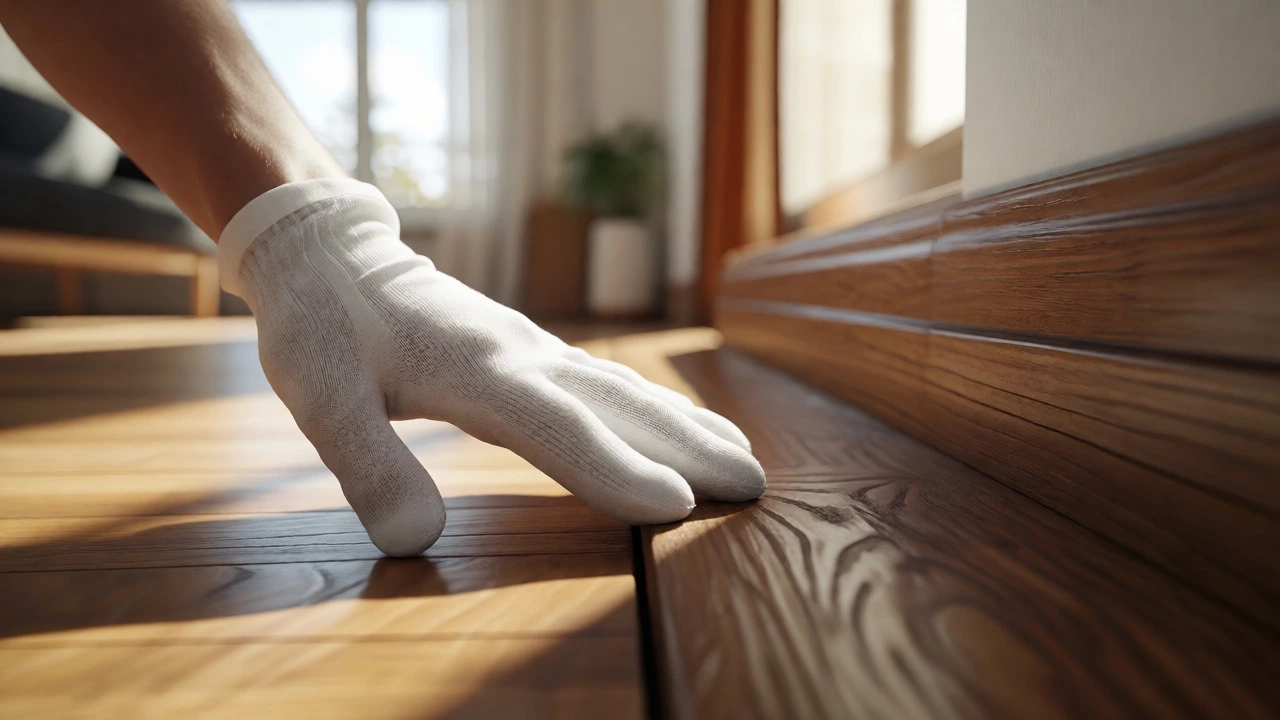
- Living Areas: Dust light fixtures, ceiling fans, and radiator fins. Radiators are notorious dust traps that agents check with a white glove test.
If you can run your hand along a skirting board and come away with grey residue, it’s not clean enough. Use a microfiber cloth and a mild detergent. For stubborn scuffs on walls, use a magic eraser gently-test a hidden spot first so you don’t strip the paint.
Standard 2: Deep Carpet and Upholstery Restoration
Carpets are the biggest deposit killers. A vacuum alone rarely passes inspection because it doesn’t remove embedded soil or odors. Letting agents often require carpets to be professionally cleaned if they show signs of wear beyond normal use.
Carpet Restoration is a deep-cleaning method that extracts embedded dirt, stains, and allergens from carpet fibers using hot water extraction or dry foam techniques. Unlike regular vacuuming, this penetrates the backing of the rug.
| Method | Effectiveness | Drying Time | Best For |
|---|---|---|---|
| Vacuuming | Low (Surface only) | N/A | Maintenance between cleans |
| Rental Machine | Medium | 6-8 Hours | Light staining, small areas |
| Professional Steam | High | 4-6 Hours | Heavy traffic, pet odors, deposits |
Pro tip: Check your tenancy agreement. Some contracts explicitly state that carpets must be cleaned by a professional service. If yours does, doing it yourself-even well-is risky. Keep the receipt as proof of compliance. If you DIY, rent a machine, pre-treat stains with an enzyme cleaner, and go over each section multiple times. Do not leave the carpet damp; mold smells worse than old coffee spills.
Standard 3: Appliance Interior Sanitization
Most tenants clean the outside of the oven and fridge. Agents open them. An unclean oven interior is one of the most common reasons for deductions because grease hardens into black tar that looks neglected.
Appliance Deep Clean is the thorough sanitization of internal components of household appliances, including seals, racks, and trays, to remove food residue and bacterial growth.
For the oven, don’t just spray the glass. Remove the racks and soak them in hot soapy water. Scrub the bottom tray and the walls. If there’s burnt-on carbon, use a dedicated oven cleaner or a paste of baking soda and vinegar. Let it sit for hours, not minutes.
The fridge needs more than a wipe-down. Empty it completely. Remove shelves and drawers. Wash them in the sink. Wipe the interior walls with a mixture of warm water and bicarbonate of soda to neutralize odors. Dry everything thoroughly before putting shelves back to prevent mold. Don’t forget the door seals (gaskets). Crumbs hide there, and black mold loves moisture trapped in rubber folds. Use an old toothbrush to scrub those crevices.
Standard 4: Window and Glazing Clarity
Streaky windows scream "amateur." In daylight, smudges and lint from paper towels stand out sharply. Professional standards demand streak-free glass, both inside and out (if accessible).
Glazing Polishing is the removal of smudges, fingerprints, and mineral deposits from glass surfaces to achieve optical clarity and transparency.
Skip the paper towels. They leave lint. Use a squeegee or a lint-free microfiber cloth. Spray the glass with a vinegar-water solution (1:1 ratio) or a commercial glass cleaner. Squeegee from top to bottom in straight lines, wiping the blade with a dry cloth after each pass. This prevents dragging dirt across the glass.
Don’t ignore the window tracks and sills. Dirt accumulates in the grooves. Use a vacuum nozzle to suck out debris, then wipe with a damp cloth. Check the window frames too. Painted wood or uPVC can collect dust and spiderwebs. If there are curtains or blinds, wash them if the fabric allows, or vacuum them thoroughly. Blinds are often forgotten, but dust-filled slats cast shadows that look like grime.
Standard 5: Odor Neutralization and Air Quality
Cleanliness isn’t just visual. It’s olfactory. If an agent walks in and smells stale cigarette smoke, damp, or leftover takeout, they perceive the property as unhygienic, even if it looks spotless.
Odor Abatement is the elimination of persistent unpleasant smells through source removal, ventilation, and air purification rather than masking with fragrances.
Air fresheners mask odors; they don’t remove them. To meet this standard, you must address the source. Wash all soft furnishings that hold smells: cushions, throws, and duvet covers. If you smoked indoors, consider ozone treatment or professional fogging, as nicotine residue lingers in fabrics and walls.
Ventilation is key. Open windows for several days before moving out to let fresh air circulate. Check drains. Sometimes, a smell comes from a dry trap in a guest bathroom or a blocked kitchen drain. Pour boiling water down drains to clear minor blockages and flush out gunk. Place a small bowl of baking soda in the fridge and a few charcoal bags in closets to absorb lingering scents during the final days.
Putting It All Together: The Final Walkthrough Checklist
Once you’ve tackled these five standards, do a final audit. Think like the inspector. They have a checklist. Yours should match it.
- The White Glove Test: Run a finger along top shelves, picture rails, and behind toilets. No dust?
- The Light Angle: Look at windows and mirrors at an angle. Any streaks? Polish again.
- The Smell Check: Close the house for two hours. Come back in. What hits you first? It should be nothing, or maybe faintly fresh linen.
- The Appliance Audit: Open every cupboard, drawer, and appliance. Are they empty and wiped?
- The Floor Finish: Mop floors last, working from the farthest corner toward the exit. Ensure no wet footprints remain.
Document everything. Take photos of each room after cleaning, especially the tricky spots like oven interiors and carpet close-ups. Send these to your landlord or agent before they visit. It shows diligence and makes disputes harder for them to justify.
Do I need to hire professionals for end of tenancy cleaning?
Not always, but it depends on your contract. Many leases require professional cleaning for carpets and ovens. If you’re confident in your skills and time, DIY works. However, if the property was heavily used or you lack equipment like steam cleaners, hiring pros reduces risk. Always check your specific lease terms first.
What happens if I miss a spot during my own cleaning?
Landlords may deduct money for remedial cleaning. To mitigate this, conduct a self-inspection using a bright flashlight to catch missed dust or stains. If possible, fix issues immediately. Keeping receipts for cleaning products also helps prove effort, though it doesn’t guarantee no deduction if standards aren’t met.
How long does end of tenancy cleaning usually take?
For a typical two-bedroom flat, expect 6-8 hours for a thorough DIY job. Professionals might finish faster due to team size and specialized tools, but they still spend significant time per room. Plan for a full day minimum. Rushing leads to missed spots, which cost more in lost deposit than buying a sandwich for lunch.
Can I use bleach for all cleaning tasks?
No. Bleach is great for disinfecting tiles and whites but can damage colored fabrics, corrode metal, and harm some sealants. Use pH-neutral cleaners for general surfaces, degreasers for kitchens, and descalers for bathrooms. Mixing chemicals incorrectly can create toxic fumes, so read labels carefully.
Does cleaning include exterior windows?
Usually, yes, if safely accessible. Ground-floor windows should be cleaned inside and out. Upper floors typically only require interior cleaning unless you have safe access to external ledges. If unsure, focus on perfecting the inside. Agents rarely climb ladders for tenant checks unless specified in the contract.