Fabric Couch Sanitizer Finder
There’s nothing quite like sinking into your favorite spot on the couch after a long day. But have you ever wondered what’s actually lurking in those cushions? Between pet dander, spilled coffee from last Tuesday, and invisible bacteria from hands that haven’t been washed since breakfast, your fabric couch is basically a magnet for germs. It’s not just about looks; it’s about health. If you’ve got kids running around or guests dropping by unexpectedly, knowing how to properly sanitize your upholstery isn’t just nice-it’s necessary.
You might think vacuuming is enough. Spoiler alert: it isn’t. Vacuuming removes dust and crumbs, but it doesn’t kill the microscopic hitchhikers living deep in the fibers. To truly sanitize, you need a process that combines physical removal with chemical or thermal disinfection. This guide will walk you through exactly how to do that without ruining your furniture. We’ll cover everything from checking those pesky cleaning codes to using steam and DIY solutions that actually work.
The Critical First Step: Decode Your Cleaning Code
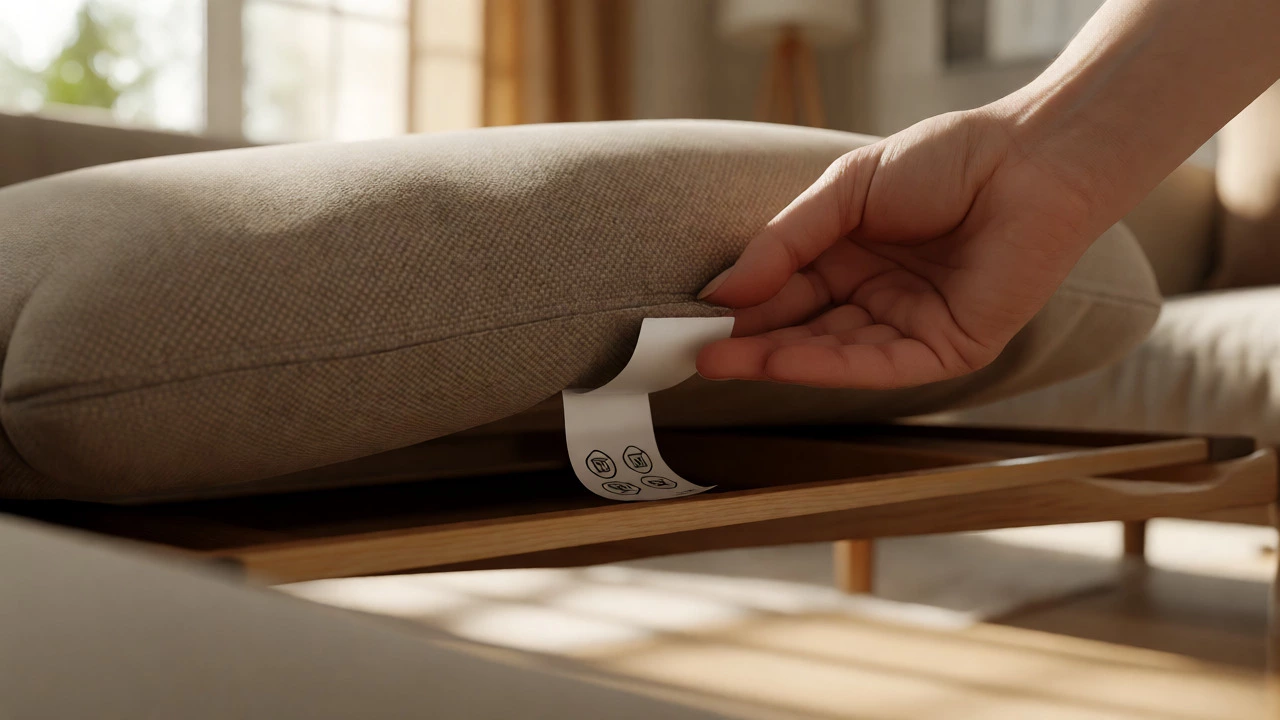
Before you grab a bottle of bleach or hire a steamer, look at the tag under your couch cushions. Most manufacturers hide a small code there-usually W, S, WS, or X. Ignoring this is the fastest way to turn a fresh-looking sofa into a stained disaster.
- W (Water): You can use water-based cleaners. These are usually cotton, linen, or polyester blends. They’re forgiving and easy to clean.
- S (Solvent): Only dry-cleaning solvents allowed. No water! Water can cause shrinking, discoloration, or water rings. This often applies to silk, rayon, or acetate fabrics.
- WS (Water-Solvent): The best of both worlds. You can use either water-based cleaners or solvent-based ones. This is common in modern microfiber or synthetic blends.
- X (Vacuum Only): Professional cleaning only. Do not attempt wet cleaning yourself. Stick to vacuuming and brushing.
If you can’t find a tag, test a hidden spot first. Apply a tiny amount of your chosen cleaner to the back of the couch or under a cushion. Wait 10 minutes. If the color bleeds or the texture changes, stop immediately. In Brisbane’s humid climate, moisture control is key, so be extra cautious with water-heavy methods if you’re unsure.
Preparation: Clear the Deck
Sanitizing starts with removing the loose debris. If you skip this, you’re just turning dirt into mud. Start by stripping the couch completely. Remove all cushions, throws, and pillows. Check the care labels on removable covers-if they’re machine washable, toss them in with a hot cycle (if the fabric allows) and add a cup of white vinegar to help break down odors and mildew.
For the non-removable parts, grab your vacuum. Use the upholstery attachment, not the beater bar, which can damage delicate weaves. Go slow. Pay special attention to seams, crevices, and the space between cushions where crumbs and coins accumulate. This step reduces the microbial load significantly, making your sanitizing agent more effective later on.
Method 1: The Steam Cleaner Approach
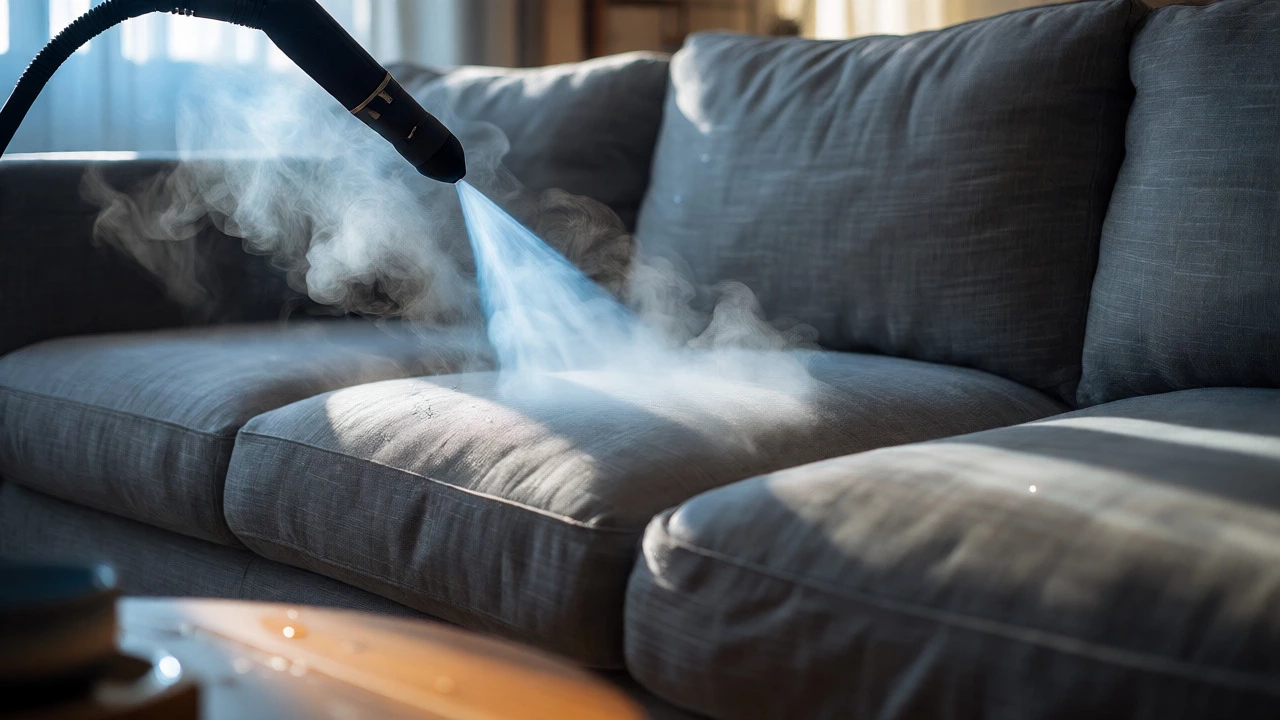
Steam is arguably the most effective way to sanitize because it kills bacteria, dust mites, and mold spores without harsh chemicals. However, it requires caution. High heat can shrink natural fibers or loosen adhesives in older furniture.
Use a handheld steam cleaner or an upright model with an upholstery tool. Fill the tank with distilled water to prevent mineral buildup. Move the nozzle slowly across the surface, keeping it about six inches away. Don’t saturate the fabric; you want damp, not soaking wet. The goal is to raise the temperature of the fibers high enough to kill pathogens but low enough to avoid water damage.
After steaming, allow the couch to air dry thoroughly. Open windows or run a dehumidifier. In our part of Australia, humidity can linger, so don’t put the cushions back until the frame is bone dry. Trapping moisture inside leads to mildew smells within days.
Method 2: DIY Disinfectant Spray
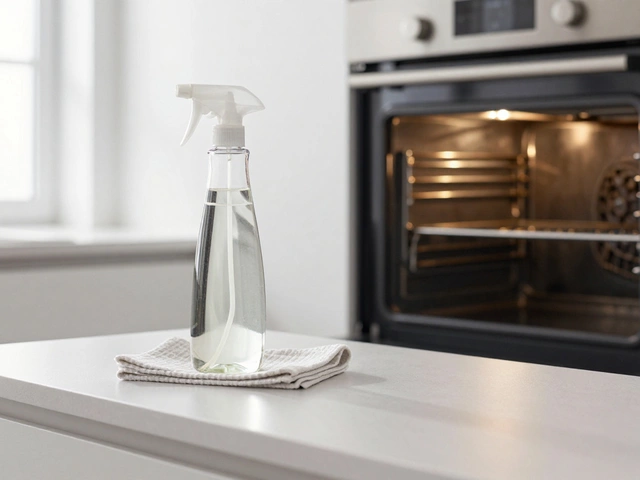
If you don’t own a steam cleaner, a simple homemade solution works wonders for fabric couches labeled W or WS. Here’s a reliable recipe:
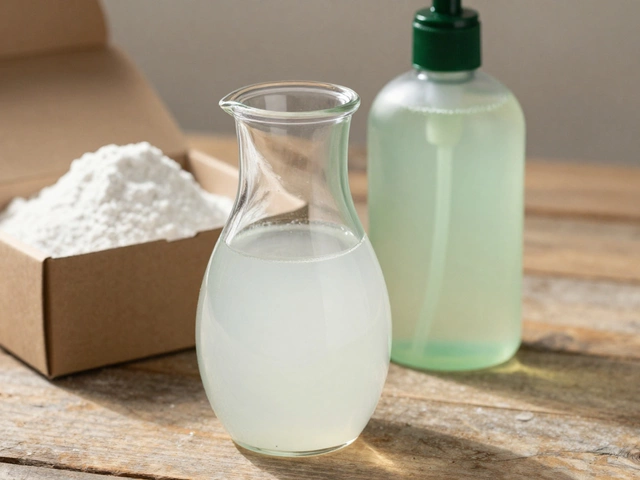
- Mix one part distilled white vinegar with three parts warm water in a spray bottle.
- Add five drops of tea tree oil or lavender essential oil. Tea tree has natural antimicrobial properties, while lavender masks the vinegar smell.
- Shake well before each use.
Lightly mist the upholstery. Do not soak it. Use a clean, white microfiber cloth to blot the area gently. Blotting lifts dirt and moisture; rubbing pushes it deeper into the foam. Let it air dry. The vinegar smell dissipates as it dries, leaving behind a fresh scent and a sanitized surface.
Method 3: Baking Soda for Odor and Deep Clean
Baking soda is a classic for a reason. It absorbs odors and helps lift grime. While it doesn’t “kill” bacteria like alcohol or steam, it creates an environment where they struggle to thrive and neutralizes the musty smell that often accompanies old upholstery.
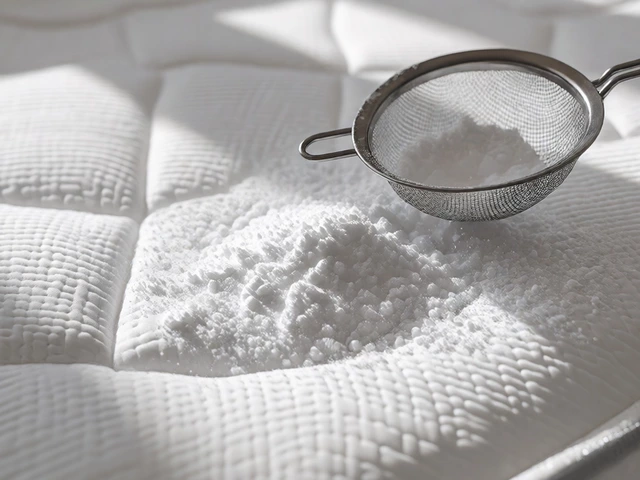
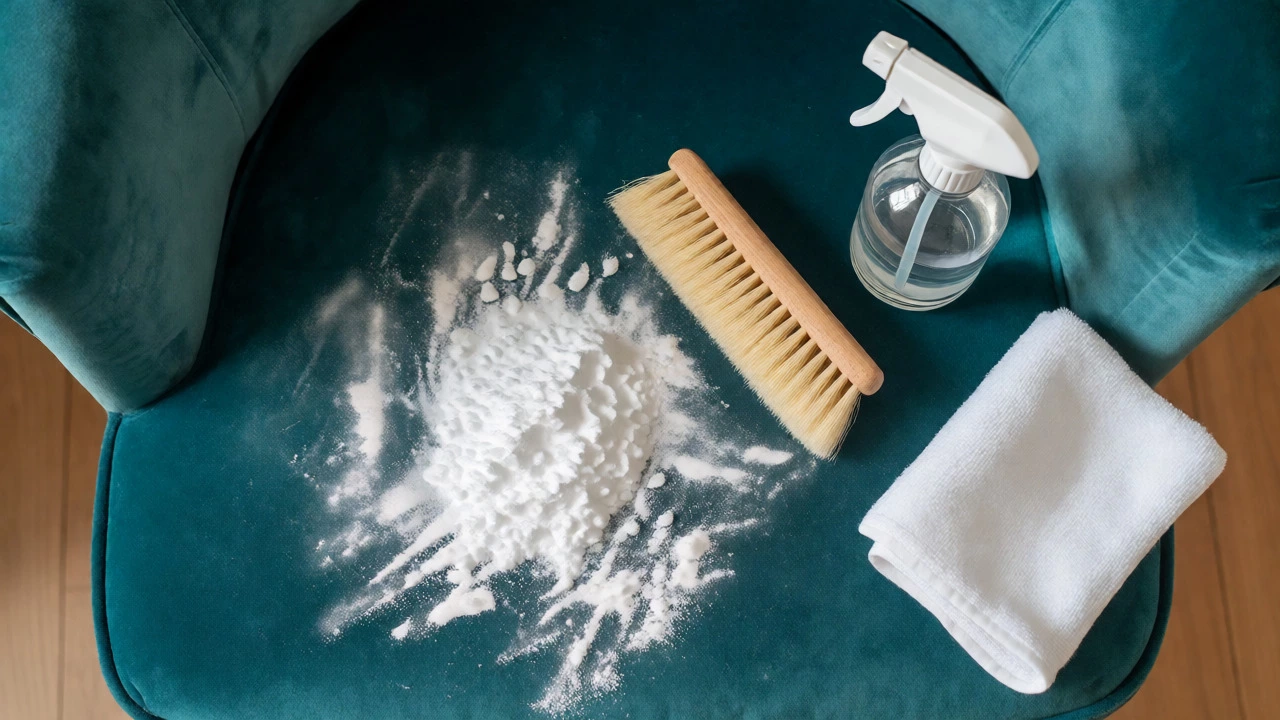
Sprinkle a generous layer of baking soda over the entire couch. Work it into the fabric with a soft-bristled brush. Let it sit for at least 30 minutes, though overnight is better for stubborn smells. Then, vacuum it up thoroughly. Repeat if necessary. This method is safe for almost all fabric types, including S-coded ones, because it’s dry.
What About Commercial Disinfectants?
Products like Lysol or specialized upholstery sprays are convenient, but read the label carefully. Many contain alcohol or hydrogen peroxide, which can bleach colored fabrics. Always test on a hidden area first. For S-coded fabrics, look for enzyme-based cleaners specifically designed for dry-clean-only materials. These break down organic stains (like sweat or food) without water.
| Method | Best For | Risk Level | Drying Time |
|---|---|---|---|
| Steam Cleaning | Deep sanitization, killing mites | Medium (heat/moisture) | 4-6 hours |
| Vinegar Spray | General maintenance, light odors | Low | 2-4 hours |
| Baking Soda | Odor absorption, dry clean-only | Very Low | N/A (Dry) |
| Commercial Spray | Quick touch-ups, visible stains | High (potential bleaching) | 1-2 hours |
Post-Cleaning Care: Keeping It Fresh
Once your couch is sanitized, keep it that way. Vacuum weekly. Rotate cushions regularly to ensure even wear and airflow. If you have pets, consider a washable throw blanket-it’s easier to launder a blanket than a whole sofa.
Also, address spills immediately. Blot, don’t rub. Keep a stain remover pen handy for emergencies. Regular maintenance prevents the buildup that necessitates heavy-duty sanitizing every few months.
Frequently Asked Questions
Can I use bleach to sanitize my fabric couch?
Generally, no. Bleach is too harsh for most upholstery fabrics and can cause permanent discoloration or weaken fibers. It is only suitable for white, durable cottons, and even then, it should be heavily diluted and tested first. For colored fabrics, stick to vinegar, alcohol-based sprays, or professional cleaners.
How often should I sanitize my fabric couch?
A thorough sanitization is recommended every 3 to 6 months. If you have pets, young children, or allergies, aim for every 2 to 3 months. Weekly vacuuming and immediate spot cleaning of spills will extend the time between deep cleans.
Will steam cleaning ruin my couch?
Not if done correctly. Steam cleaning is safe for most W and WS coded fabrics. Avoid it for S-coded (solvent-only) materials or antique pieces with fragile adhesives. Always check the manufacturer’s tag and test a small, hidden area first. Ensure proper ventilation to prevent mold growth during drying.
Can I sanitize leather-like faux suede?
Faux suede requires gentle care. Use a dry method like baking soda or a specialized suede brush. Avoid water and steam, which can leave water spots and stiffen the material. For disinfecting, use a lightly dampened microfiber cloth with a tiny amount of mild soap, then buff dry immediately.
Does vinegar smell stay on the couch?
No, the strong vinegar odor disappears once the fabric is completely dry. Adding essential oils like lavender or lemon can help mask any lingering scent during the drying process. Ensure good airflow to speed up drying and odor dissipation.