When you’re packing up after a tenancy, one of the biggest headaches is limescale. It’s that stubborn white crust clinging to your kettle, showerhead, taps, and bathroom tiles. Landlords expect everything to look brand new, and limescale doesn’t just look bad-it can damage fixtures over time. So, does vinegar actually remove limescale? The short answer: yes, but not always the way you think.
How limescale forms-and why it sticks
Limescale isn’t dirt. It’s mineral buildup, mostly calcium and magnesium, left behind when hard water evaporates. In places like Leeds, where water hardness averages 200-250 mg/L of calcium carbonate, it’s everywhere. You’ll see it on showerheads after a few months, on kettles after a year, and around sink basins if you’ve never cleaned them properly.
It’s not just ugly-it’s a problem for landlords. Limescale clogs pipes, reduces water pressure, and makes appliances work harder. That’s why it’s often listed as a cleaning requirement in tenancy agreements. If you leave it behind, expect deductions from your deposit.
Why vinegar works (and when it doesn’t)
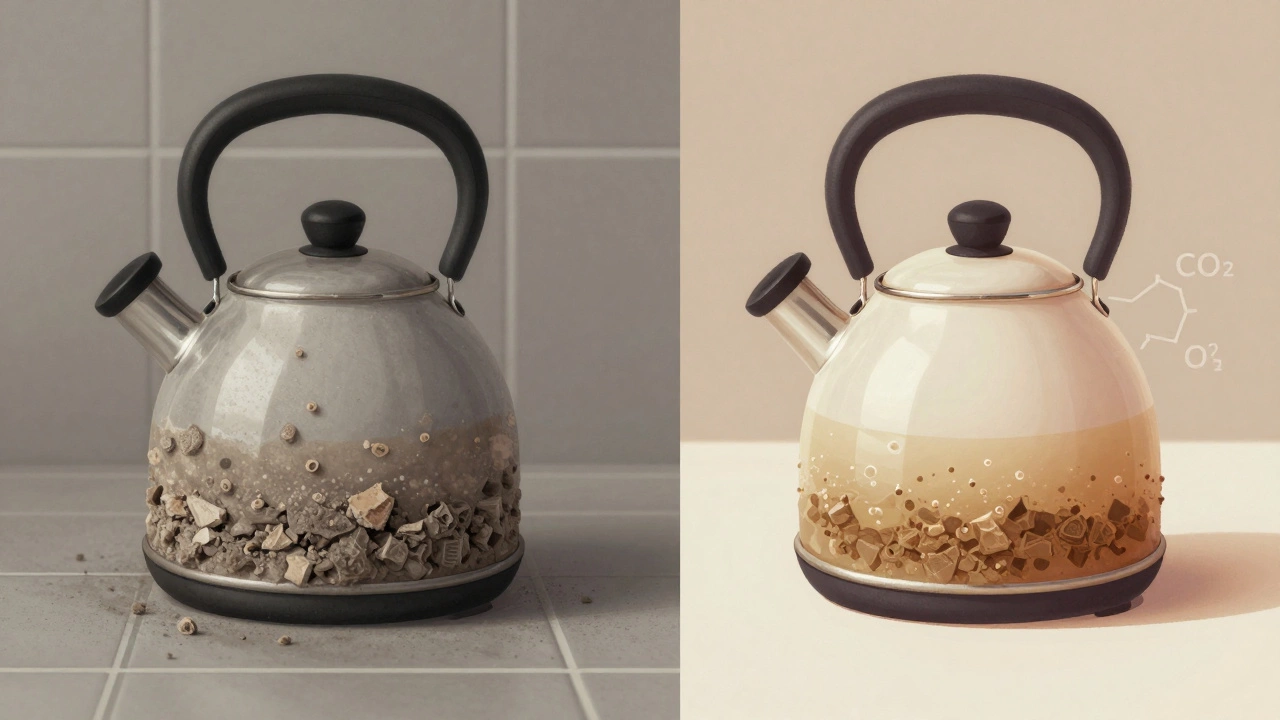
White distilled vinegar is 5% acetic acid. That acid breaks down the calcium carbonate in limescale. It’s a chemical reaction: acetic acid + calcium carbonate → calcium acetate + water + carbon dioxide. The limescale dissolves, and you’re left with clean surfaces.
But vinegar isn’t magic. It works best on light to moderate buildup. If you’ve got thick, crusty scale that’s been there for years-like on an old kettle or a showerhead that hasn’t been cleaned in five years-vinegar alone won’t cut it. It needs time, heat, and sometimes a little help.
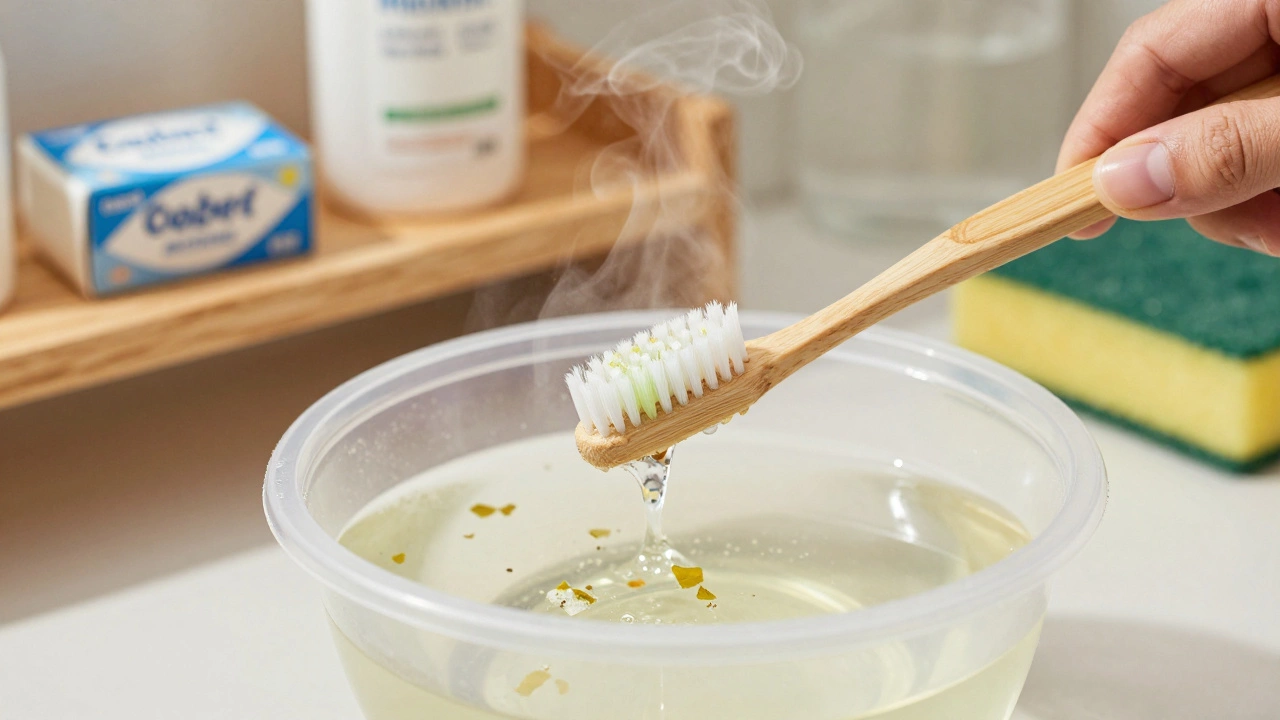
Real-world example: I cleaned a bathroom in a rented flat in Headingley last month. The showerhead had been untouched since 2020. The limescale was so thick, you could scrape it with a fingernail. Soaking it in vinegar for 12 hours softened it enough to scrub off with an old toothbrush. Without the vinegar, it would’ve taken a commercial descaler-and cost £15.
How to use vinegar to remove limescale
Here’s how to do it right, step by step:
- Use white distilled vinegar, not apple cider or balsamic. The lower the pH, the better.
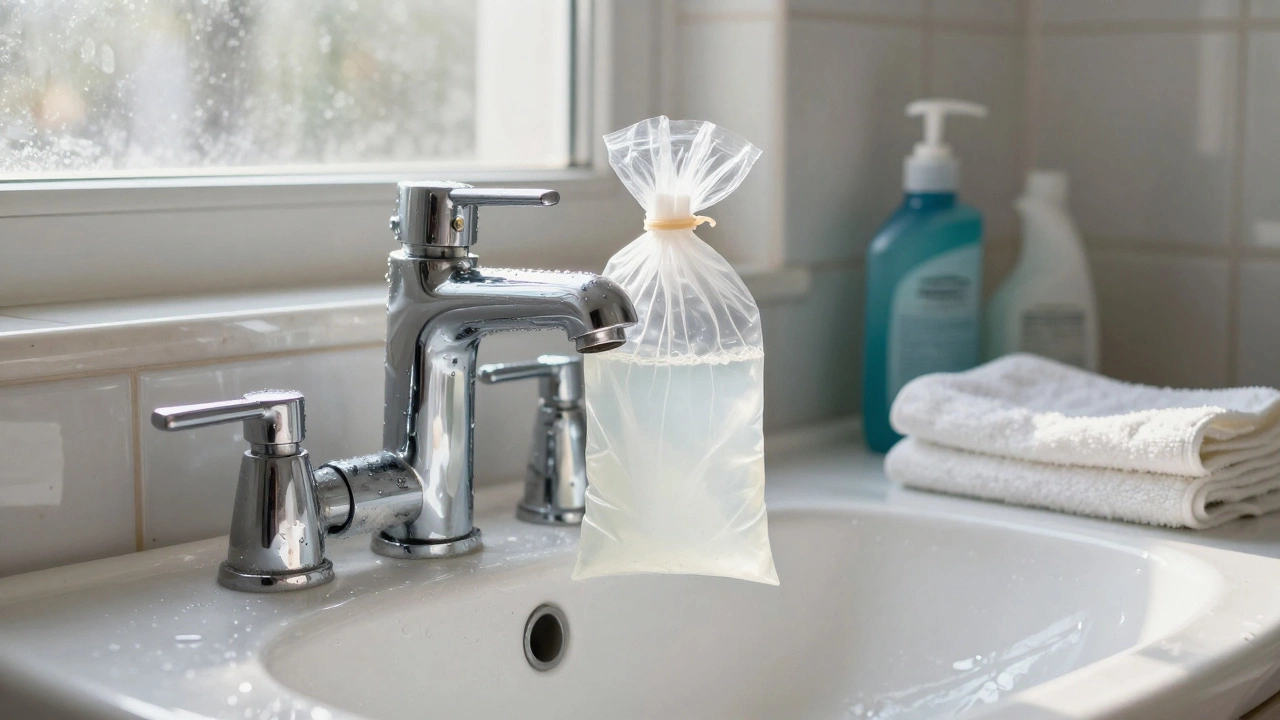
- For taps and showerheads: Pour vinegar into a plastic bag, secure it around the fixture with a rubber band, and leave it for 1-4 hours. Check every hour.
- For kettles: Fill halfway with vinegar and halfway with water. Boil, then let sit for 30 minutes. Rinse twice with fresh water.
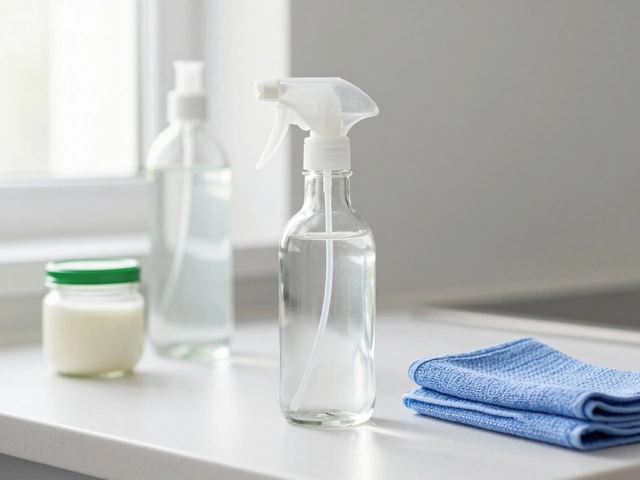
- For tiles and sinks: Spray undiluted vinegar, let sit for 15-20 minutes, then scrub with a non-scratch sponge. Wipe clean.
- For toilets: Pour a cup of vinegar into the bowl, let sit overnight, then scrub with a toilet brush.
Pro tip: Warm vinegar works faster. Heat it in the microwave for 30 seconds before pouring. Don’t boil it-just warm it up.
What vinegar won’t clean
Vinegar is great for limescale, but it’s not a one-size-fits-all cleaner. Here’s where it fails:
- Grout: Vinegar can degrade grout over time. Use baking soda paste instead.
- Stone surfaces: Marble, granite, and limestone are damaged by acid. Vinegar etches them. Use pH-neutral cleaners.
- Heavy rust: Vinegar won’t touch rust. Use oxalic acid or commercial rust removers.
- Oil-based grease: Vinegar cuts water-based grime, not grease. Use dish soap or degreaser.
If you’re cleaning a bathroom with both limescale and soap scum, use vinegar first for the scale, then follow up with a baking soda scrub for the soap residue.
Vinegar vs. commercial limescale removers
Here’s what you’re really comparing:
| Feature | White Vinegar | Commercial Remover (e.g., Viakal, HG) |
|---|---|---|
| Cost | £1-£2 per litre | £3-£8 per bottle |
| Effectiveness (light scale) | Excellent | Excellent |
| Effectiveness (heavy scale) | Slow, needs time | Faster, stronger chemicals |
| Safety | Non-toxic, safe around kids/pets | Harsh fumes, gloves required |
| Environmental impact | Biodegradable, no pollution | Contains phosphates, chlorine |
| Odour | Strong vinegar smell (goes away) | Artificial fragrance |
For end-of-tenancy cleaning, vinegar wins on cost, safety, and eco-friendliness. Most landlords don’t care how you clean-just that it’s clean. And vinegar leaves no chemical residue, which is a plus for future tenants.
What landlords really look for
Landlords aren’t looking for perfection. They’re looking for evidence you cared. If you’ve spent 20 minutes scrubbing limescale off the taps with vinegar, they’ll notice. It shows you didn’t just rush through the cleaning.
Here’s what’s on their checklist:
- Taps and showerheads free of white crust
- Tile grout clean, no grey streaks
- Kettle and microwave free of mineral deposits
- Windows and mirrors streak-free
- No lingering odours
Using vinegar for limescale ticks three of those boxes. It’s cheap, effective, and doesn’t leave behind harsh smells or residues that could trigger complaints from the next tenant.
When to skip vinegar
There are two times you should avoid vinegar:
- If your landlord has a strict cleaning contract that requires branded products. Some high-end properties require specific cleaners. Check your tenancy agreement.
- If you’re dealing with a property that has copper pipes or brass fittings. Vinegar can tarnish them over time. Use a mild soapy solution instead.
Most rented properties in the UK have PVC or stainless steel fixtures-vinegar is safe. But if you’re unsure, test it on a small, hidden area first.
Final tip: Combine vinegar with baking soda
For extra cleaning power, use vinegar and baking soda together. Pour vinegar on the limescale, wait 5 minutes, then sprinkle baking soda on top. It will fizz. Scrub. Rinse. This combo lifts stubborn stains faster than vinegar alone.
It’s not magic. It’s chemistry. The acid in vinegar reacts with the base in baking soda, creating a gentle scrubbing action that lifts grime without scratching.
For end-of-tenancy cleaning, this is the cheapest, safest, and most effective method you can use. You don’t need to spend £20 on a bottle of industrial cleaner. You just need vinegar, time, and a little elbow grease.
Does vinegar remove limescale from showerheads?
Yes. Remove the showerhead and soak it in white vinegar for 2-4 hours. If you can’t remove it, wrap a vinegar-soaked bag around it with a rubber band. After soaking, scrub with an old toothbrush. Rinse thoroughly. This restores water flow and removes all visible scale.
Can I use apple cider vinegar instead of white vinegar?
Technically yes, but it’s not ideal. Apple cider vinegar has colour and sediment that can stain surfaces. White distilled vinegar is clear, pure, and has a consistent 5% acidity. Stick with white vinegar for cleaning.
How long should vinegar sit on limescale?
For light buildup: 30 minutes. For moderate: 1-2 hours. For heavy crust: leave overnight. Heat the vinegar slightly to speed up the reaction. Always rinse thoroughly after.
Will vinegar damage my taps or tiles?
No, if used correctly. Vinegar won’t harm stainless steel, chrome, plastic, or ceramic tiles. Avoid using it on natural stone (marble, granite) or brass fittings. Always rinse after cleaning to prevent any potential long-term effects.
Do I need to rinse after using vinegar?
Yes. Always rinse with clean water. Leftover vinegar can leave a slight residue or smell, especially in kettles or coffee makers. Rinse twice to be safe.
Is vinegar better than lemon juice for limescale?
Vinegar is stronger. Lemon juice has about 5-8% citric acid, while vinegar has 5% acetic acid. Both work, but vinegar is more concentrated, cheaper, and lasts longer. Lemon juice is better for freshening than heavy-duty cleaning.
Next steps for end-of-tenancy cleaning
Now that you’ve tackled limescale, move on to the rest of the checklist:
- Clean the oven with baking soda paste.
- Wipe down windows with vinegar and water (50/50 mix).
- Scrub the bathroom grout with baking soda and a toothbrush.
- Wash all curtains and blinds.
- Deep clean the fridge and microwave.
- Take before-and-after photos. You’ll thank yourself later.
Most tenants lose their deposit over small things-dirty grout, limescale on taps, smudged mirrors. Vinegar fixes all of them. You don’t need expensive products. You just need to know what works-and how to use it right.