Mattress Cleaning Safety & Readiness Calculator
Cleaning Checklist
Complete the steps below based on your cleaning routine.-
1. Strip & Wash BeddingWash sheets in hot water (at least 130°F / 54°C).
-
2. Vacuum ThoroughlyUse upholstery attachment on surface, sides, and seams.
-
3. Treat Stains (If Any)Blot stains with cold water/mild soap. Do not rub.
-
4. Deodorize NaturallySprinkle baking soda, let sit, then vacuum up.
-
5. Ensure Complete DrynessVentilate room for 2-4 hours. Surface must be dry to touch.
-
6. Apply Mattress ProtectorUse a waterproof, breathable barrier before sleeping.
Safety Status
Completion Rate
Start by stripping your bed and washing bedding in hot water.
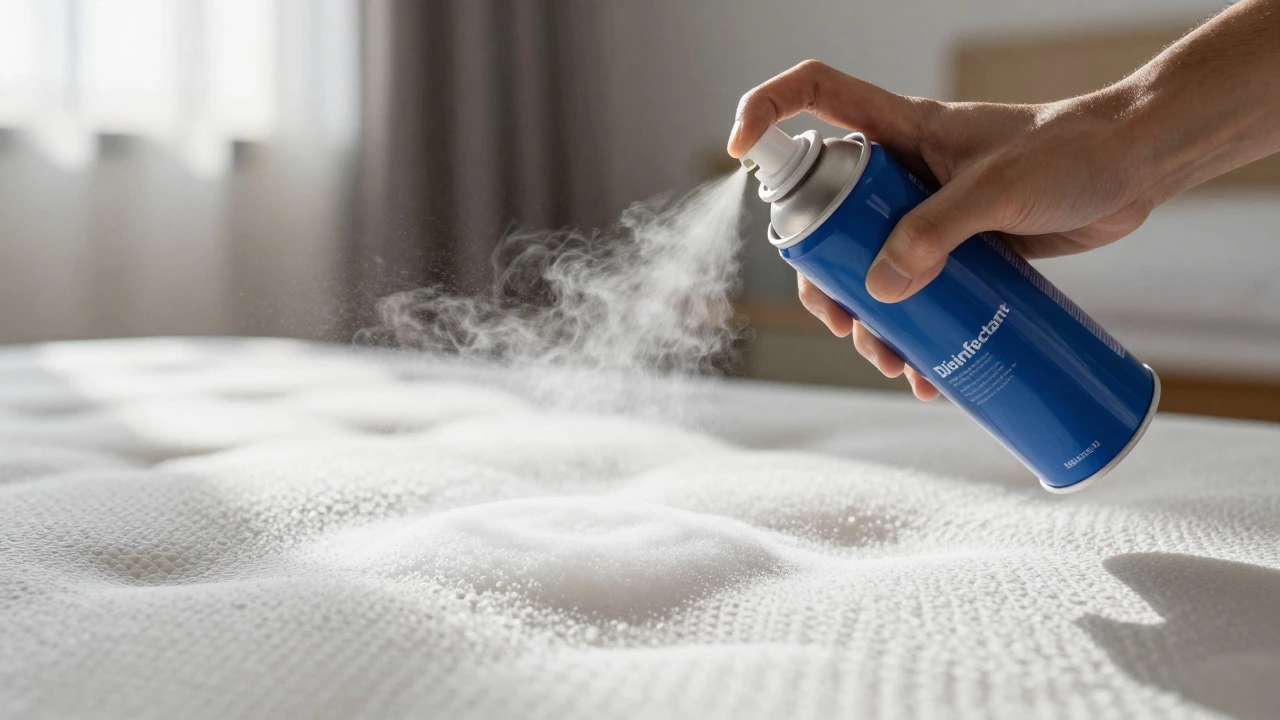
Picture this: you wake up with a fresh idea to sanitize your sleeping space. You grab the nearest can of Lysol, give it a shake, and start spraying your mattress. It sounds like a quick fix for odors or potential germs. But before that mist hits your sheets, pause. Is it actually safe? The short answer is: usually no, unless you are very careful about which product you use and how much you apply.
Spraying household disinfectants directly onto bedding can lead to skin irritation, respiratory issues, and even damage to the foam layers of your mattress. This guide breaks down exactly what happens when you mix Lysol with mattress materials, which specific products might be okay, and-more importantly-the safer, more effective ways to keep your bed clean and germ-free.
Understanding What's Inside Your Can of Lysol
To understand why spraying Lysol on a mattress is risky, we first need to look at what is inside the bottle. Most standard Lysol Disinfectant Sprays contain active ingredients like ethyl alcohol (ethanol), hydrogen peroxide, or quaternary ammonium compounds. These chemicals are designed to kill bacteria and viruses on hard, non-porous surfaces like countertops, doorknobs, and bathroom tiles.
The problem arises because mattresses are porous. They absorb liquids rather than letting them sit on the surface. When you spray a disinfectant meant for hard surfaces onto a soft, absorbent material, two things happen:
- Absorption: The chemical soaks deep into the foam and springs. It doesn't just sit there; it becomes part of the mattress structure.
- Residue Buildup: As the liquid evaporates, the chemical residues remain trapped in the fibers. Since you lie on this surface for eight hours a night, your skin comes into direct contact with these concentrated residues.
Furthermore, many Lysol sprays include fragrances and propellants. These additives are not tested for prolonged skin contact. For people with sensitive skin, asthma, or allergies, inhaling these fumes in an enclosed bedroom environment can trigger coughing, wheezing, or rashes.
Which Lysol Products Are Safer for Bedding?
Not all Lysol products are created equal. If you are determined to use a brand-name sanitizer on your bed, you must check the label carefully. There is a distinct difference between a "Disinfectant Spray" and a "Fabric Refresher" or "Sanitizer."
| Product Type | Active Ingredients | Safe for Mattress? | Risk Level |
|---|---|---|---|
| Standard Disinfectant Spray | Alcohol, Hydrogen Peroxide | No (unless fully dry) | High (Skin irritation, odor) |
| Fabric Sanitizer / Odor Eliminator | Benzalkonium Chloride (low conc.) | Yes (With caution) | Low (If used as directed) |
| Allergen & Dust Mite Killer | Insecticides (e.g., Tetramethrin) | Yes (Specifically formulated) | Medium (Follow drying time) |
If your bottle says "For Hard Surfaces Only," put it away. However, products labeled as "Fabric Freshener" or specifically "Allergen Reducer" are formulated to break down faster and leave less irritating residue. Even then, the rule is simple: spray lightly, let it air out completely, and ensure the room is well-ventilated before getting back in bed.
The Hidden Dangers: Skin, Lungs, and Foam
Beyond immediate irritation, there are longer-term concerns with using harsh disinfectants on bedding. Let's look at three specific areas of risk.
1. Contact Dermatitis
Your skin absorbs what it touches. Residual alcohol or quats left in your mattress can strip natural oils from your skin, leading to dryness, itching, or redness. This is especially problematic for children or elderly individuals whose skin barriers are more delicate. If you've ever woken up with unexplained itchiness after switching to a new cleaning routine, this could be the culprit.
2. Respiratory Irritation
Bedrooms are small, often poorly ventilated spaces. Spraying aerosols here concentrates volatile organic compounds (VOCs) in the air you breathe while sleeping. Studies have linked long-term exposure to certain household cleaning chemicals with increased risks of asthma and allergic rhinitis. If you have a fan or window nearby, open it immediately after spraying and stay out of the room for at least an hour.
3. Damage to Memory Foam
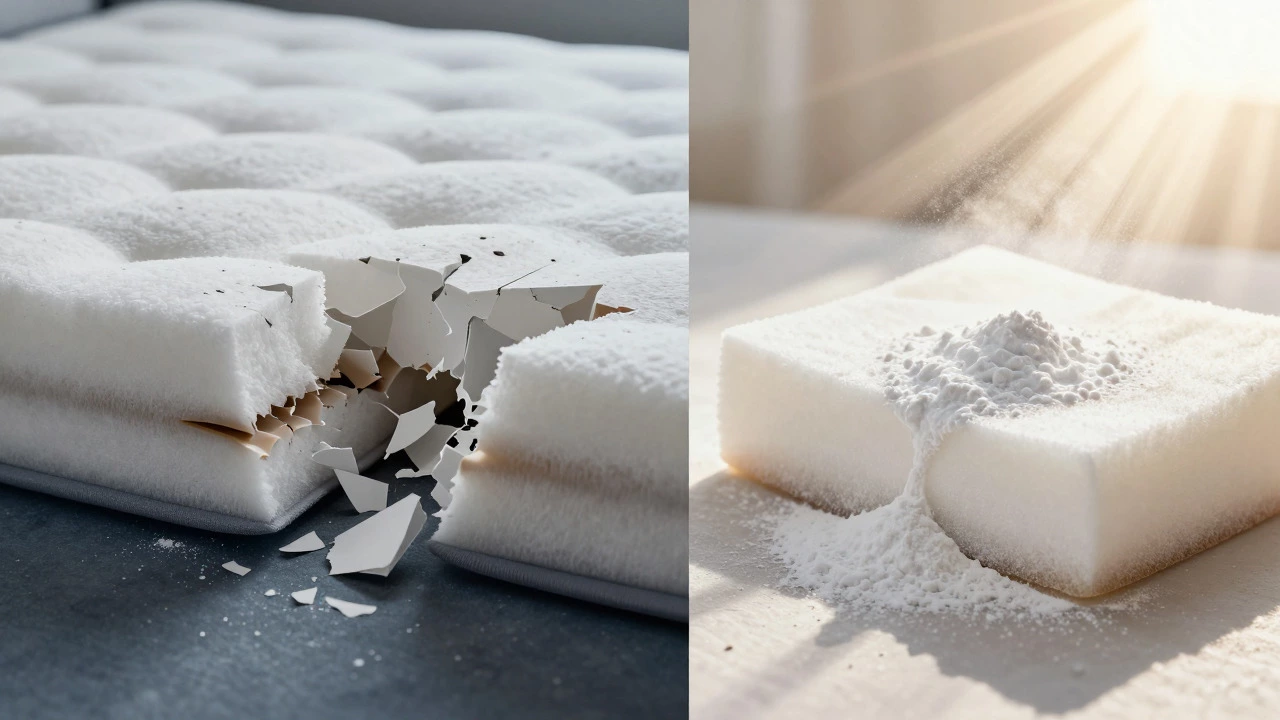
If you have a memory foam or latex mattress, chemicals are your enemy. Alcohol-based sprays can break down the polyurethane bonds in memory foam over time, causing it to crumble or lose its supportive properties. Latex can become brittle when exposed to strong oxidizers like hydrogen peroxide. A $5 spray can potentially ruin a $1,000 mattress.
How to Properly Clean and Disinfect a Mattress
You don't need harsh chemicals to make your mattress hygienic. In fact, mechanical removal and gentle treatments are often more effective because they physically remove dirt, dead skin cells, and dust mites rather than just masking smells or killing surface bacteria.
- Strip the Bed: Remove all sheets and wash them in hot water (at least 130°F or 54°C) to kill dust mites and bacteria.
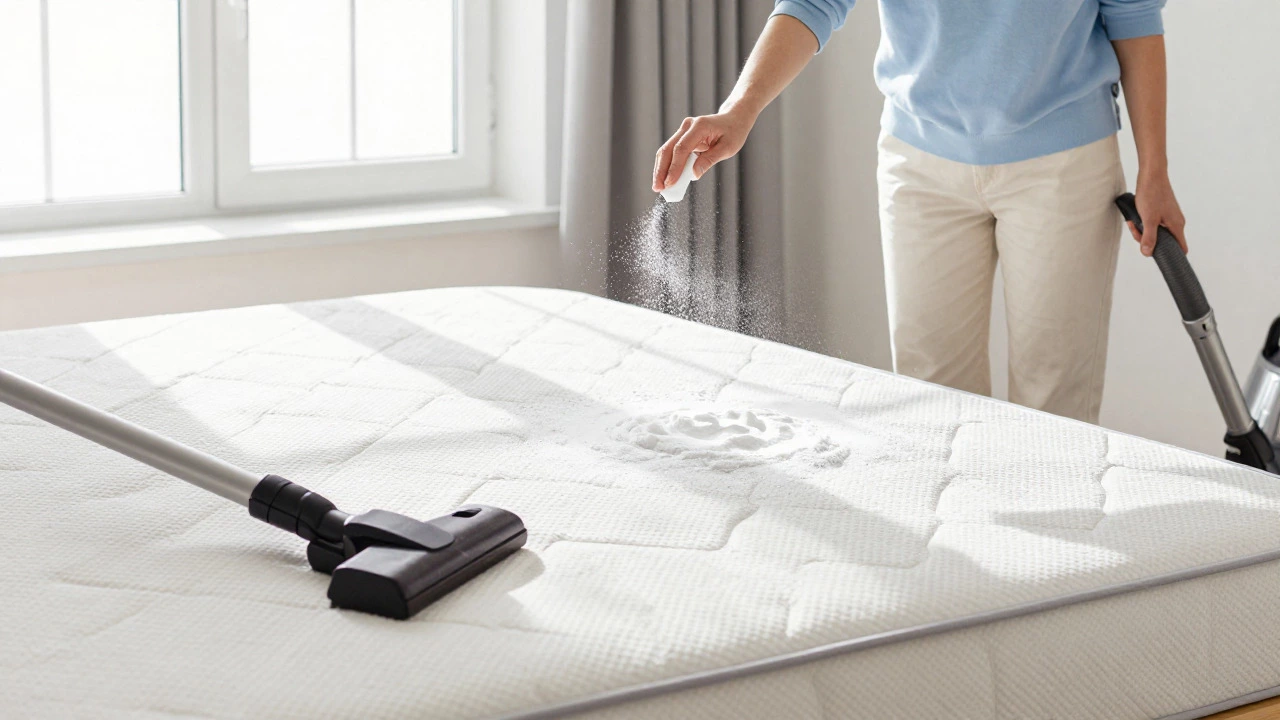
- Vacuum Thoroughly: Use the upholstery attachment on your vacuum cleaner. Go slowly over the entire surface, including the sides and seams. This removes dust, hair, and allergens that attract mites.
- Treat Stains Immediately: For urine, sweat, or food stains, use a mixture of cold water and mild dish soap. Blot-don't rub-the stain. Rubbing pushes the stain deeper into the foam. Afterward, sprinkle baking soda over the area to absorb moisture and neutralize odors.
- Deodorize Naturally: Sprinkle a thin layer of baking soda over the entire mattress. Let it sit for several hours (or overnight). Baking soda is excellent at absorbing odors without leaving toxic residues. Vacuum it up thoroughly afterward.
- Sunlight Exposure: If possible, take your mattress outside on a sunny day. UV rays are a natural disinfectant that kills bacteria and mold spores. The heat also helps dry out any residual moisture.
When Should You Actually Use a Chemical Disinfectant?
There are rare scenarios where a chemical intervention makes sense. For example, if someone in the household has been sick with a contagious virus like influenza or norovirus, you may want to go beyond vacuuming.
In these cases, follow these steps to minimize risk:
- Choose the Right Product: Use a hydrogen peroxide-based spray or a fabric-safe sanitizer, not a heavy-duty floor disinfectant.
- Test First: Apply a small amount to an inconspicuous corner of the mattress to check for discoloration.
- Spray Lightly: Hold the can 12 inches away and mist gently. Do not soak the mattress.
- Ventilate Aggressively: Open windows and run fans. Keep the room empty for at least 2-4 hours to allow fumes to dissipate and the surface to dry completely.
- Use a Barrier: Once dry, consider using a waterproof, breathable mattress protector to create a barrier between the treated surface and your body.
Prevention: Keeping Your Mattress Clean Long-Term
The best way to avoid needing to spray chemicals on your bed is to prevent contamination in the first place. Here are some practical habits:
- Use a Mattress Protector: Invest in a high-quality, zippered encasement. This blocks dust mites, spills, and sweat from penetrating the mattress core. Wash the protector monthly.
- Air Out Regularly: Make your bed with the sheets pulled back for the first 15 minutes of the day. This allows moisture from night sweats to evaporate, reducing mold and mildew growth.
- No Food in Bed: Crumbs attract pests, and spills cause stains. Keep eating off-limits to the bedroom.
- Rotate Your Mattress: Rotating your mattress every 3-6 months ensures even wear and prevents body impressions where dirt can accumulate.
Alternatives to Lysol for Bedding
If you love the convenience of a spray but want to avoid harsh chemicals, consider these alternatives:
- Vinegar Solution: Mix equal parts white vinegar and water in a spray bottle. Vinegar is a natural disinfectant that kills many types of bacteria and mold. It smells strong initially but fades as it dries.
- Essential Oils: Add a few drops of tea tree oil or lavender oil to your vinegar solution. Tea tree oil has antifungal and antibacterial properties, while lavender promotes relaxation.
- Enzymatic Cleaners: For biological stains (urine, vomit), enzymatic cleaners break down the proteins that cause odors. They are safe for fabrics and highly effective.
Will Lysol kill dust mites on my mattress?
Standard Lysol disinfectant sprays are not specifically designed to kill dust mites. While they may kill some bacteria, dust mites require either high heat (washing bedding above 130°F) or specific insecticides found in dedicated "Allergen & Dust Mite Killer" products. Vacuuming and using a mattress encasement are more effective methods for controlling dust mites.
Is it safe to sleep on a mattress sprayed with Lysol?
It is generally not recommended to sleep on a mattress immediately after spraying it with Lysol. You should wait until the surface is completely dry and the fumes have dissipated, which can take several hours. Sleeping on wet or chemically saturated foam can lead to skin irritation and respiratory issues due to inhalation of residues.
Can Lysol damage memory foam mattresses?
Yes, Lysol can damage memory foam. Many Lysol sprays contain alcohol or hydrogen peroxide, which can break down the polyurethane bonds in memory foam over time. This can cause the foam to become brittle, crumble, or lose its supportive qualities. Always check the manufacturer's care instructions for your specific mattress type.
What is the best way to remove urine smell from a mattress?
To remove urine smell, blot up excess liquid immediately with towels. Then, apply an enzymatic cleaner specifically designed for pet or human urine, as these break down the proteins causing the odor. Avoid ammonia-based cleaners, as they can mimic urine scent to pets. After treating, sprinkle baking soda to absorb remaining moisture and odor, then vacuum once dry.
How often should I clean my mattress?
You should vacuum your mattress every 3 to 6 months to remove dust and allergens. Spot clean stains immediately as they occur. A deep clean with baking soda or a mild detergent solution should be done at least once a year. Washing your sheets weekly and using a mattress protector will significantly reduce the need for frequent mattress cleaning.