Window Cleaner Solution Mixer
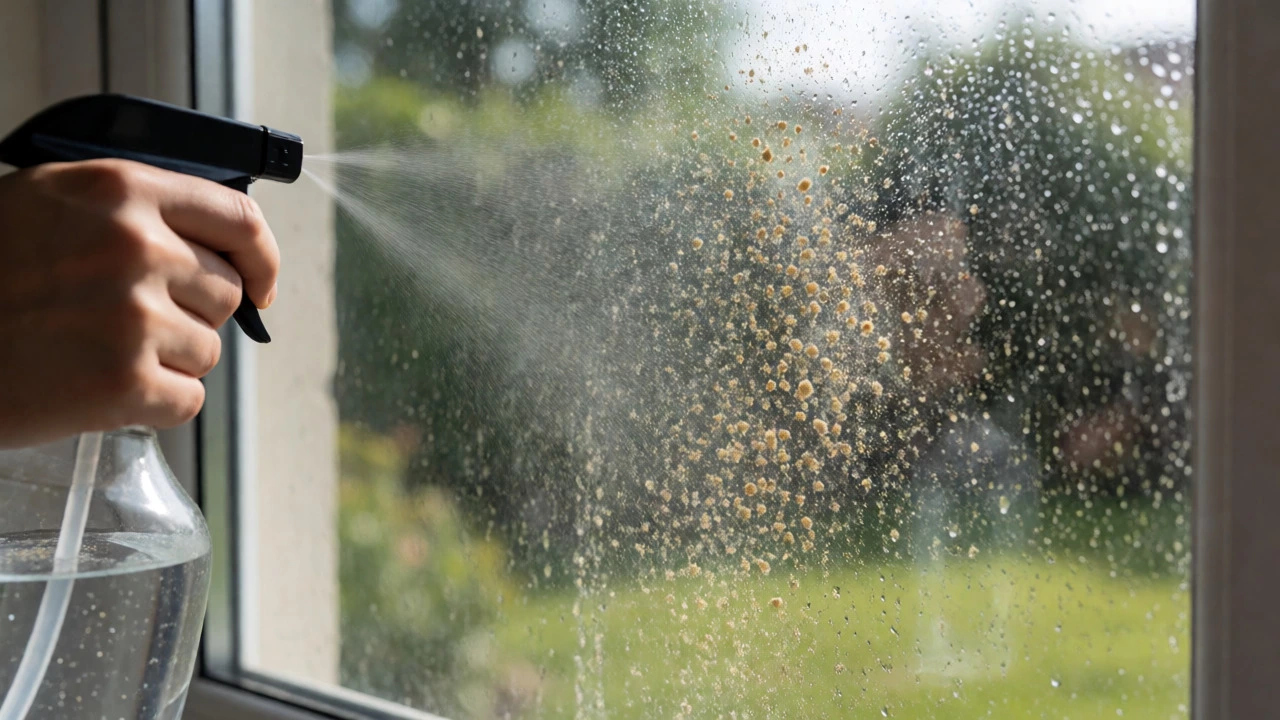
You know that feeling when you finally get around to cleaning the windows, only to realize they look worse than before? You’re left with streaks, smudges, and a lingering haze that makes your view through the glass feel like you’re looking through a foggy shower door. If your windows are truly grimy-coated in years of pollen, road dust, or kitchen grease-standard spray-and-wipe methods just won’t cut it. The secret isn’t magic; it’s about matching the right window cleaning solution to the specific type of grime and using a technique that actually removes dirt instead of spreading it around.
The Short Answer: What Actually Works
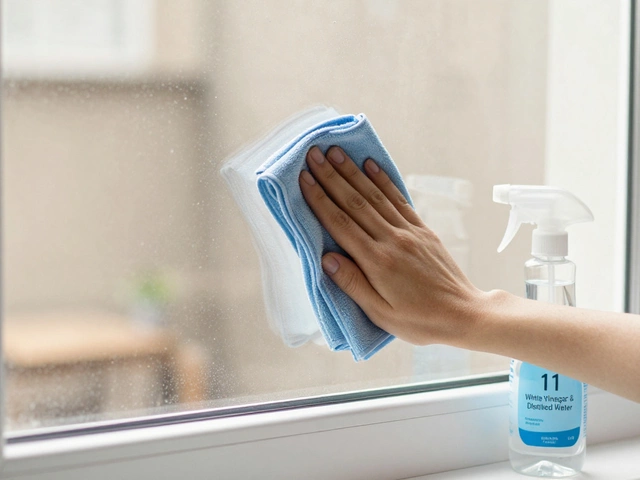
If you want the quickest fix for heavily soiled glass, skip the expensive branded sprays. The most effective homemade mixture is simple: one part white distilled vinegar mixed with four parts warm water, plus a tiny drop of dish soap (like Dawn) if there’s grease involved. For exterior windows caked in pollen or construction dust, a mild detergent solution works better because vinegar can sometimes leave a residue on very thick buildup. However, for mineral deposits from sprinklers or rain, you need something acidic to break down the calcium. That’s where pure white vinegar shines.
Why Store-Bought Sprays Often Fail
Most blue bottle window cleaners rely on alcohol or ammonia for quick drying. While this prevents streaks on lightly dusty glass, it fails miserably on heavy soil. Why? Because these solutions don’t have enough surfactant power to lift embedded particles. They just glide over the top layer. When you wipe away a solution that hasn’t lifted the dirt, you’re essentially buffing mud into the glass. Furthermore, many modern low-VOC cleaners use plant-based surfactants that are gentle but lack the aggressive cutting power needed for ten-year-old exterior grime.
Consider the physics of cleaning: dirt is held to glass by static electricity and mechanical adhesion (microscopic scratches). To remove it, you need lubrication to reduce friction and chemical action to break bonds. Dish soap provides the lubrication; vinegar or citric acid provides the chemical breakdown for minerals. Without both, you’re fighting a losing battle against gravity and streaks.
Choosing Your Weapon: Solutions for Specific Grime Types
Not all dirt is created equal. Using the wrong cleaner can waste time and even damage surrounding frames. Here’s how to match the solution to the problem:
| Grime Type | Best Solution | Why It Works | Caution |
|---|---|---|---|
| Pollen & Dust | Mild Dish Soap + Water | Surfactants lift loose particles without scratching. | Rinse thoroughly to avoid soap film. |
| Kitchen Grease | Vinegar + Dish Soap Mix | Soap cuts oil; vinegar breaks down sticky residues. | Avoid on unsealed stone sills. |
| Hard Water Stains | Full Strength White Vinegar | Acid dissolves calcium carbonate deposits. | Do not let dry on glass; keep wet. |
| Bird Droppings | Warm Soapy Water (Soak) | Rehydration softens dried organic matter. | Never scrape dry droppings directly. |
| General Exterior Grime | Water + Small Amount of Ammonia | Cuts through oily atmospheric pollution. | Wear gloves; ventilate area. |
The Tool That Matters More Than the Cleaner
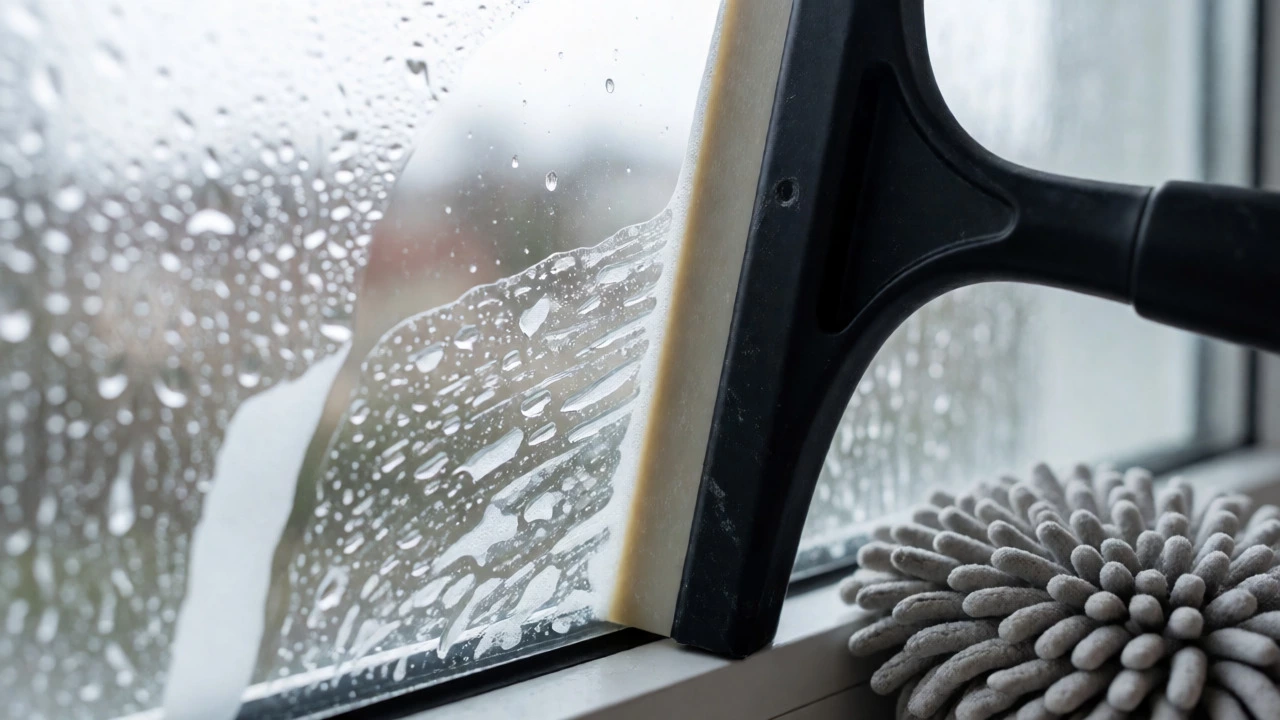
You could use the world’s best solution, but if your tools are subpar, you’ll still have streaks. The single most important tool for really dirty windows is a professional-grade Squeegee with a natural rubber blade designed for smooth, continuous water removal. Paper towels and newspaper are relics of the past. They leave lint behind and require excessive pressure, which forces dirty water back into the micro-pores of the glass.
Here’s why the squeegee wins: it pulls the dirty solution off the glass in one motion, trapping the suspended dirt inside the channel rather than dragging it across the surface. Pair this with a microfiber wash mitt or a lambswool applicator. These tools hold more water than a sponge, keeping the glass lubricated during the scrubbing phase. Dry cloths should be waffle-weave microfiber, not terry cloth, as terry loops trap dirt and re-deposit it.
Step-by-Step Technique for Heavy Buildup
For windows that haven’t been cleaned in years, follow this sequence to ensure clarity:
- Dry Dust First: Use a vacuum brush attachment or a dry microfiber cloth to remove cobwebs and loose dust from frames and tracks. If you skip this, you’ll turn dust into mud immediately.
- Pre-Rinse (Exterior Only): Spray the glass with plain water to loosen surface grit. This prevents scratching during the scrubbing phase.
- Apply Solution Generously: Dip your wash mitt in your chosen mix and apply it to the glass. Don’t skimp. Let it sit for 30-60 seconds to penetrate the grime.
- Agitate Gently: Scrub in circular motions, then switch to horizontal strokes. For stubborn spots, use a non-abrasive Scotch-Brite pad (the kind used for pots, not steel wool).
- Squeegee Off: Start at the top corner. Pull the squeegee down in a straight line. Wipe the blade with a clean towel after every stroke. Overlap each stroke slightly with the previous one.
- Detail the Edges: Wrap a dry microfiber cloth around your finger and run it along the edges of the glass where the squeegee couldn’t reach.
Troubleshooting Common Disasters
Even with the right method, things go wrong. If you see rainbow swirls, you didn’t rinse enough soap out. Go back with a vinegar-water rinse and squeegee again. If you see vertical lines, your squeegee blade might be nicked or worn. Inspect it under light; even a microscopic tear will ruin the finish. Replace blades regularly-they cost pennies compared to your time.
What about those white spots that won’t budge? Those are etchings or hardened mineral deposits. If vinegar doesn’t work, try a paste of baking soda and water. Apply it, let it sit for five minutes, and gently rub with a damp cloth. For severe cases, a specialized glass polish or cerium oxide compound may be necessary, but that’s usually reserved for restoration projects rather than routine cleaning.
Eco-Friendly Alternatives Worth Trying
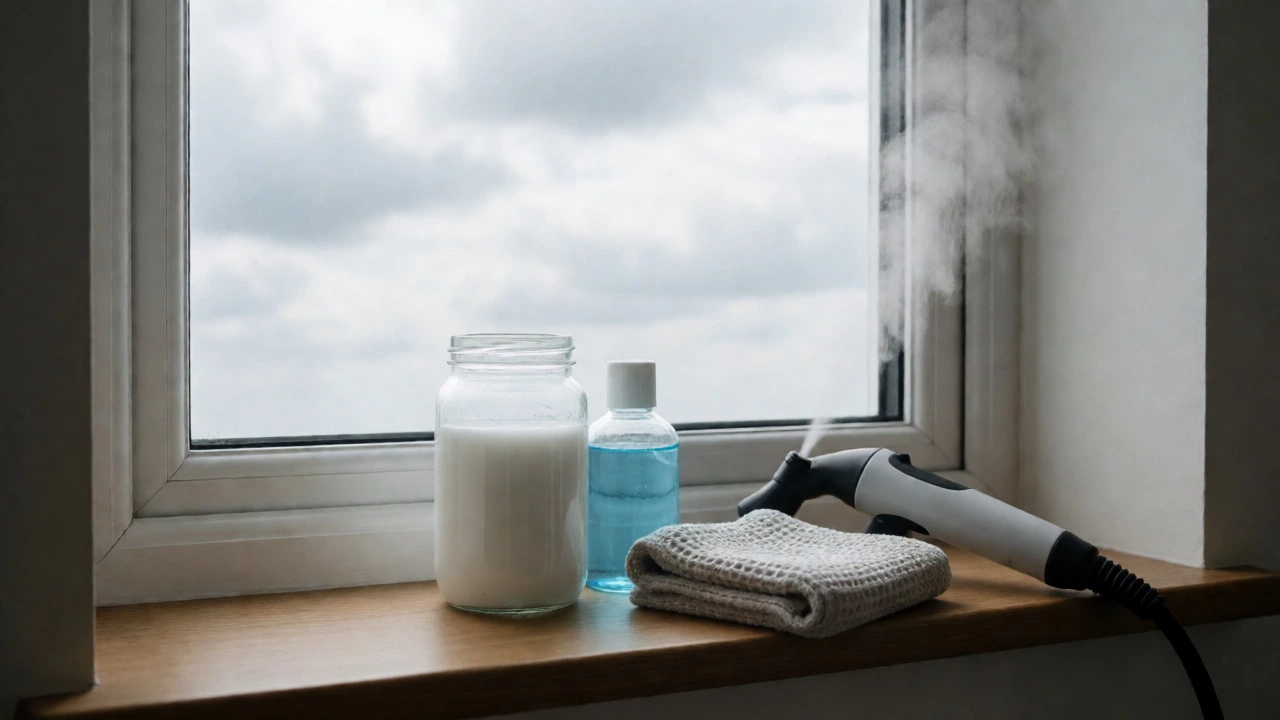
If you prefer avoiding chemicals entirely, consider steam cleaning. A handheld steam cleaner uses high-temperature vapor to lift dirt and kill bacteria without any liquid runoff. It’s excellent for interior windows and screens. Just ensure your windows are cool to the touch before applying steam to prevent thermal shock cracking.
Another option is distilled water alone. Tap water contains minerals that cause spots. By boiling tap water and letting it cool, or buying distilled water, you eliminate the source of hard water stains. Combine this with a magnetic double-sided window cleaner for high-rise apartments, and you can achieve spotless results without a ladder.
Can I use rubbing alcohol to clean windows?
Yes, rubbing alcohol (isopropyl alcohol) is an excellent additive for window cleaning solutions, especially in cold weather. It lowers the freezing point of water and helps the solution evaporate faster, reducing streaks. Mix one cup of alcohol with one gallon of water and a teaspoon of vinegar. However, avoid using pure alcohol on tinted windows as it can degrade the adhesive over time.
Why do my windows streak even after cleaning?
Streaks are usually caused by three things: cleaning in direct sunlight (which dries the solution too fast), using too much cleaner (leaving a residue), or a dirty squeegee blade. Always clean on cloudy days or when the glass is cool to the touch. Ensure you are wiping the squeegee blade after every pass and using a minimal amount of solution.
Is it safe to use vinegar on all types of glass?
Vinegar is safe for standard float glass, tempered glass, and most insulated glass units. However, be cautious with antique leaded glass or stained glass, as the acid can react with the lead cames or painted details. Also, avoid letting vinegar sit on natural stone window sills (like marble or limestone) for extended periods, as it can etch the stone.
How often should I replace my squeegee blade?
There is no fixed timeline, but inspect the blade edge regularly. If you notice nicks, tears, or if it starts leaving streaks despite proper technique, replace it immediately. For frequent users, replacing the blade once a year is a good rule of thumb. Blades are inexpensive and easily available at hardware stores.
What is the best way to clean window screens?
Remove the screens and lay them flat on a table or lawn. Vacuum them first to remove loose debris. Then, spray them with a hose or use a sponge with mild soapy water. Rinse thoroughly and let them air dry completely before reinstalling. Never scrub screens aggressively while they are installed, as this can warp the mesh or force dirt into the frame.