Pressure Washing Risk Calculator
Configuration
Risk Assessment Report
Configure your settings and click "Analyze Risk" to see potential damage outcomes.
Settings: -
Potential Consequences:
-
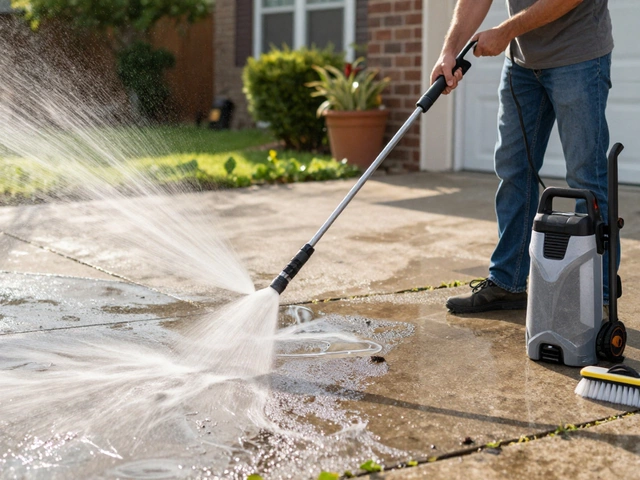
You see the before-and-after photos online. A grimy driveway turns sparkling white in seconds. It looks satisfying, easy, and cheap. But here is the catch: that same jet of water that cleans can also destroy. If you have ever wondered why your neighbor’s siding looks like it was shredded by a chainsaw or why their roof leaks after a "quick clean," the answer is usually too much pressure.
Pressure washing is one of those tools that feels powerful in your hands but requires a steady touch. Get it wrong, and you are not just wasting time; you are potentially costing yourself thousands in repairs. So, what are the actual downsides? Let’s look at the real risks involved with pressure washing, from damaged property to personal injury, so you can decide if doing it yourself is worth the hassle.
The Risk of Structural Damage to Your Home
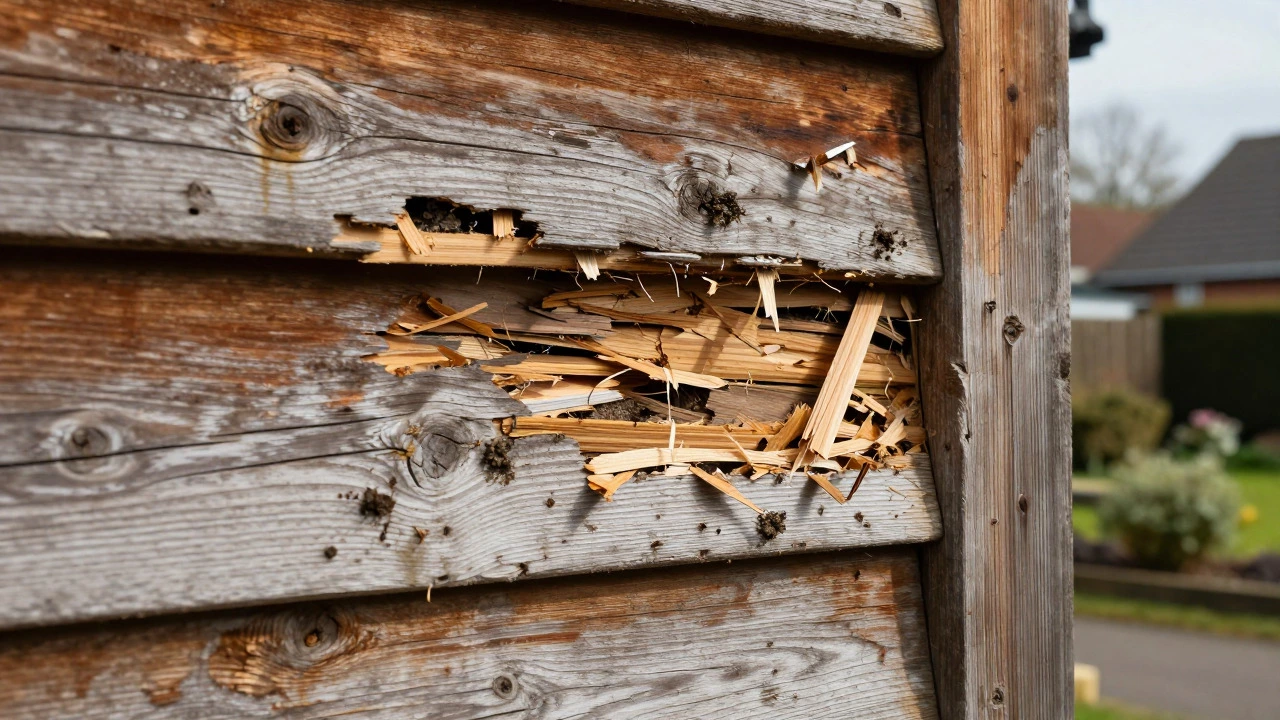
The most immediate con of pressure washing is the potential for irreversible damage to your home’s exterior. Many homeowners assume that because a surface is hard, it can handle any amount of force. This is a dangerous myth. Materials react differently to high-pressure water jets, and using the wrong nozzle or PSI (pounds per square inch) can strip away protective layers instantly.
| Surface Type | Risk Level | Potential Damage |
|---|---|---|
| Wood Siding (Cedar, Pine) | High | Fibers torn out, creating grooves that trap dirt and rot faster. |
| Vinyl Siding | Medium-High | Water forced behind panels causing mold; cracks in seams. |
| Asphalt Shingles | Critical | Granules stripped off, voiding manufacturer warranties. |
| Brick/Mortar | Medium | Mortar eroded between bricks, leading to structural instability. |
| Aluminum Siding | Medium | Dents, scratches, and paint peeling. |
Take asphalt shingles, for example. They rely on a layer of granules to protect them from UV rays. A standard residential pressure washer often runs between 1,500 and 3,000 PSI. That is enough force to blast those granules right off. Once they are gone, the shingle degrades rapidly under the sun. Most roofing manufacturers will actually void your warranty if you use a pressure washer on your roof. Soft washing, which uses low pressure and chemical solutions, is the safer alternative here, but many DIYers don’t know the difference until it is too late.
Then there is wood. Wood siding needs to breathe, but it also needs its fibers intact. High pressure acts like sandpaper, stripping away the top grain. This leaves the wood rough and exposed. Instead of looking cleaner, it looks weathered. Worse, those tiny grooves created by the nozzle become traps for moisture and dirt, meaning your siding will get dirty again twice as fast as before.
Water Intrusion and Mold Problems
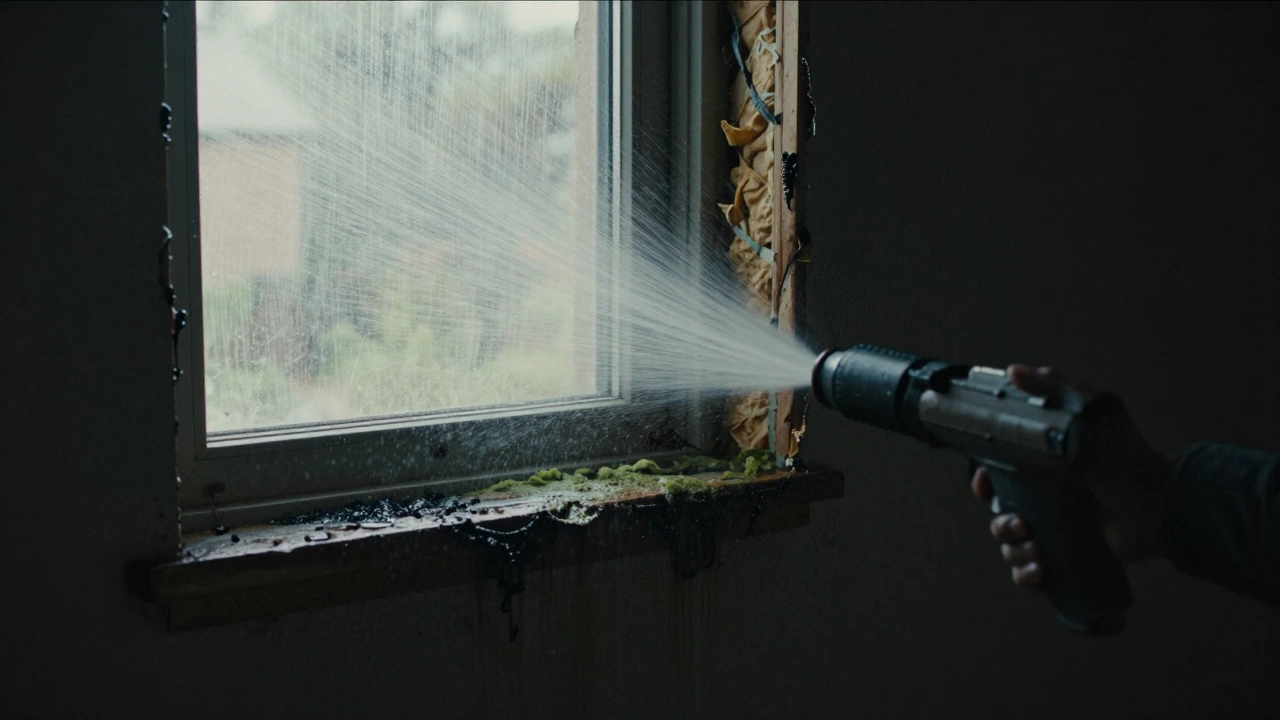
It seems counterintuitive, but using water to clean your house can sometimes make mold problems worse. How? By forcing water where it shouldn’t go. Windows, doors, and siding seams are designed to shed water, not take it on directly. When you hit a window seal with a concentrated stream of water, you can break the caulk or force water behind the frame.
This leads to hidden water intrusion. You might not see a leak immediately, but inside your wall cavity, things are getting wet. In a few weeks, that dampness turns into mold growth behind your drywall. Repairing interior mold is exponentially more expensive than cleaning the exterior. You end up tearing down walls instead of just hosing down the driveway.
Even gutters can suffer. If you blast your gutters with high pressure, you can detach them from the fascia board or crack the material. Once the gutter system is compromised, rainwater flows down the side of your house, saturating the foundation. In Sheffield, where we get plenty of rain, having a secure gutter system is vital. Breaking it with a pressure washer is a costly mistake.
Personal Injury Hazards
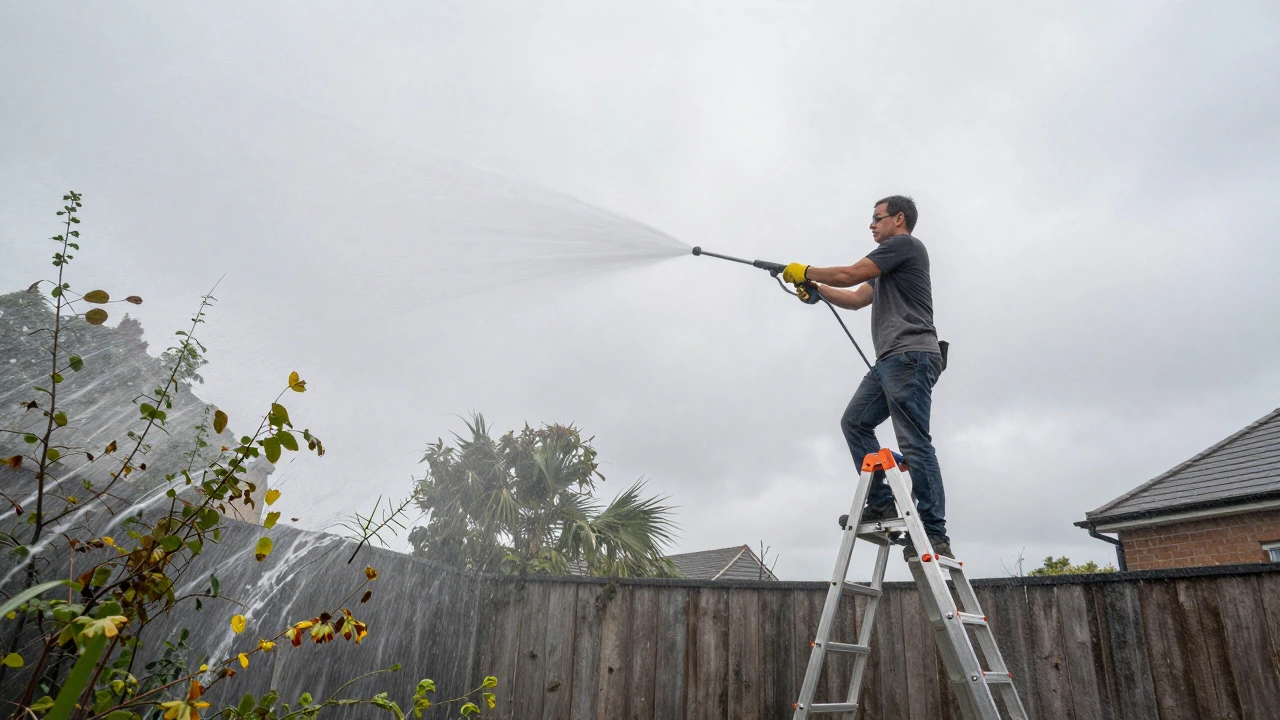
Let’s talk about safety. A pressure washer is not a garden hose. The water stream is dense and fast-moving, capable of injecting water deep into human tissue. This is called injection injury, and it is a serious medical emergency. Even at lower pressures, the recoil of the wand can be surprising, especially if you are standing on a ladder or uneven ground.
- Injection Injuries: Water entering the skin can cause severe infection, nerve damage, and even loss of limb if not treated within hours. Always wear gloves and long sleeves.
- Falls: Cleaning roofs or second-story windows often requires ladders. Slippery surfaces combined with the kickback of the machine create a fall hazard.
- Chemical Exposure: If you are using detergents, the spray can bounce back. Without eye protection and a mask, you risk inhaling fumes or getting chemicals in your eyes.
Many people underestimate the noise factor too. Gas-powered pressure washers can exceed 90 decibels, similar to a lawnmower or motorcycle. Prolonged exposure without ear protection can lead to hearing damage over time. It is an annoyance that quickly becomes a health issue if you are cleaning for several hours.
Environmental Impact and Chemical Runoff
If you live in an area with strict environmental regulations, pressure washing can be a headache. The runoff from cleaning your driveway or patio doesn’t just disappear. It carries grease, oil, dirt, and often harsh chemicals into the storm drains. In many UK cities, storm drains flow directly into local rivers and streams without treatment.
Using strong degreasers or bleach-based cleaners means you are dumping toxins into the ecosystem. This can harm aquatic life and disrupt local biodiversity. While eco-friendly biodegradable soaps exist, they still require careful application. If you are renting a machine, you might not know exactly what chemicals were previously used in the tank, adding another layer of uncertainty.
Furthermore, pressure washing uses a significant amount of water. A typical unit uses between 2 to 4 gallons per minute. For a large job, this adds up quickly. During drought restrictions or in areas with water usage limits, this method might not be the most responsible choice compared to soft washing or manual scrubbing.
The Cost vs. Benefit Reality
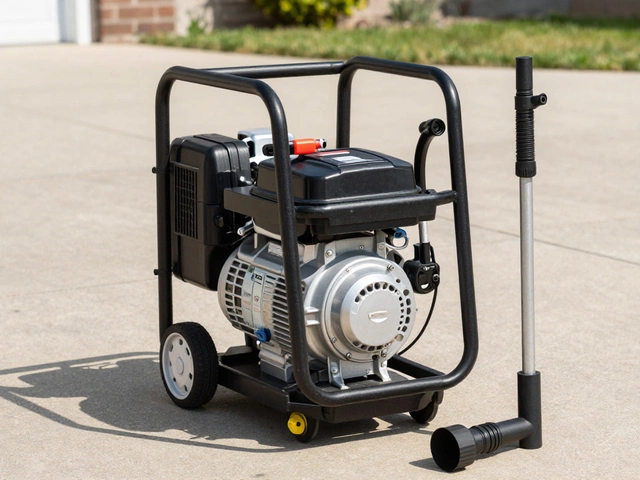
One of the main selling points of DIY pressure washing is saving money. But let’s look at the costs. Buying a decent machine that won’t break after two jobs costs anywhere from £200 to £600. Add in nozzles, extension wands, hoses, and cleaning solutions, and the price climbs higher. Then there is the cost of maintenance. Engines need oil changes, filters need replacing, and pumps can freeze if not winterized properly.
If you only plan to clean your driveway once a year, hiring a professional might actually be cheaper when you factor in equipment depreciation. Professionals also carry insurance. If you accidentally blow out a window or injure someone on your property, you are liable. A pro has coverage for these mishaps. The "cons" here aren't just about physical damage; they are about financial risk and the hidden costs of ownership.
When Is Pressure Washing Actually a Bad Idea?
Knowing when to put the gun down is crucial. There are specific scenarios where pressure washing is simply the wrong tool for the job.
- Old or Fragile Homes: If your home is over 50 years old, the materials may be brittle. Mortar crumbles, paint flakes, and wood rots easily. Low-pressure soft washing is safer.
- Freshly Painted Surfaces: If you painted your fence or trim recently, high pressure can peel the new paint right off. Wait at least a few months for the paint to cure fully.
- Delicate Landscaping: Spraying near plants can kill them. The salt in the soil combined with high-velocity water can shock roots. Plus, chemicals can burn foliage. Covering plants takes time and effort, negating the "quick clean" benefit.
- Electrical Outlets and Fixtures: Outdoor outlets, light fixtures, and security cameras are not waterproof against direct high-pressure jets. Water ingress here causes short circuits and fire hazards.
In these cases, the cons outweigh the pros significantly. Manual cleaning with a brush and bucket, or hiring a specialist who uses soft wash techniques, is often the smarter move.
How to Mitigate the Risks
If you decide to proceed despite the risks, you can minimize the damage. First, always start with the lowest pressure setting and the widest fan tip (usually white or green). Test a small, inconspicuous area first. Step back and assess. If the surface looks stressed, back off.
Keep the nozzle moving. Never hold the stream in one spot for more than a second. Maintain a consistent distance-usually 12 to 18 inches from the surface. And please, cover your electrical boxes and unplug outdoor lights. It takes five minutes to do this prep work, but it saves you hundreds in electrical repairs.
Consider renting a machine with adjustable PSI rather than buying a cheap fixed-pressure model. This gives you control. Also, invest in good quality detergent designed for your specific surface. Chemicals do the heavy lifting; the water just rinses. Relying solely on brute force is the fastest way to cause damage.
Can pressure washing damage brick?
Yes, it can. While brick itself is durable, the mortar between the bricks is softer. High pressure can erode the mortar, leading to gaps that allow water to enter the wall structure. Use a wide fan tip and keep the pressure below 2,000 PSI to minimize this risk.
Is it safe to pressure wash a roof?
Generally, no. Most roofing manufacturers recommend against pressure washing because it strips protective granules from asphalt shingles, voiding warranties. Soft washing with low pressure and specialized algaecides is the recommended method for roof cleaning.
What is the biggest risk of DIY pressure washing?
The biggest risk is personal injury, specifically injection injuries where water penetrates the skin, or property damage caused by forcing water behind siding and windows, leading to hidden mold and rot.
Does pressure washing void home insurance?
Not directly, but if damage occurs due to negligence (like ignoring manufacturer guidelines for your roof), claims might be disputed. However, the bigger issue is voiding manufacturer warranties on siding, roofs, and decks, which prevents free repairs later.
How can I prevent water damage when pressure washing?
Cover all windows, vents, and electrical outlets with plastic sheeting. Seal gaps around doors with tape. Keep the nozzle moving and avoid spraying directly into seams or cracks. Use the lowest effective pressure setting.