Siding Cleaning Method Selector
Step 1: What surface are you cleaning?
Quick Takeaways
- Soft washing is the gold standard for vinyl siding because it uses low pressure and specialized chemicals.
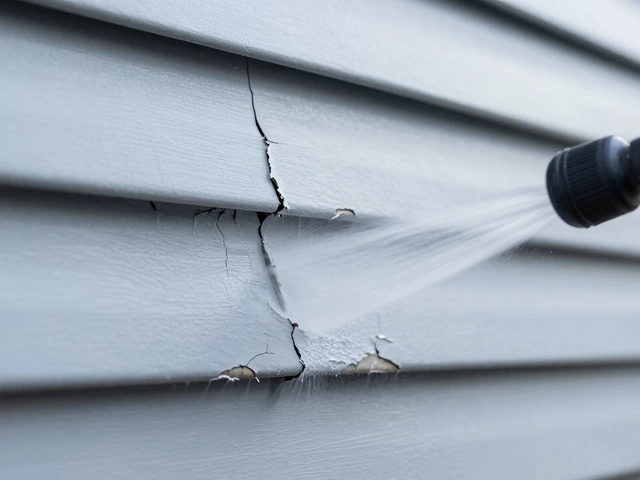
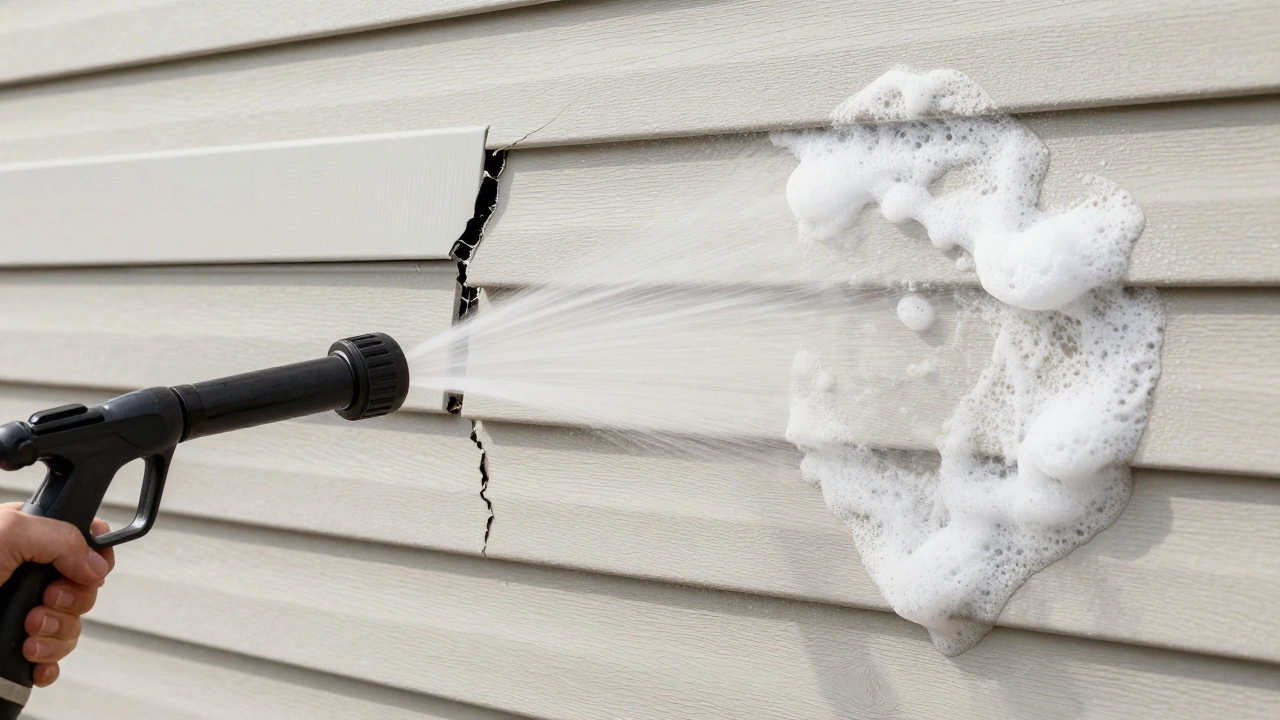
- Pressure washing is too aggressive and can crack panels or blast water into your wall cavities.
- Algae, mold, and mildew are killed by the solution, not by the force of the water.
- Soft washing lasts longer because it removes the organic spores rather than just rinsing the surface.
The Core Difference Between Pressure and Soft Washing
Before you grab the trigger, you need to understand what these two methods actually do. Pressure Washing is a cleaning method that uses high-pressure water spray to remove dirt, grime, and stains from hard surfaces. We're talking about 2,000 to 4,000 PSI (pounds per square inch). This is great for a brick patio or a greasy garage floor, but on vinyl, it's like using a sledgehammer to hang a picture frame. On the flip side, Soft Washing is a low-pressure cleaning process that relies on specialized biodegradable surfactants and cleaning agents to break down contaminants. Instead of using force, it uses chemistry. The water pressure is typically no more than a garden hose, meaning there is virtually zero risk of damaging the material. When you're dealing with soft wash vinyl siding, the goal isn't to blast the dirt away, but to dissolve it.Why High Pressure is a Risk for Vinyl
Vinyl siding is essentially plastic. While it's durable against rain and wind, it has a surprising weakness: it can be pierced or warped by concentrated water streams. If you hold a high-pressure nozzle too close to a panel, you can actually slice right through the material. Even if you don't leave a visible hole, the sheer force can push the panels away from the house. This creates a massive problem called "water intrusion." Your siding is designed to shed water, not absorb it. When you use a pressure washer, you often force water up under the laps of the siding and directly into the house wrap or the wooden sheathing. This can lead to hidden mold growth inside your walls or rot in your rim joists. Have you ever noticed those tiny streaks of green algae on the north side of your house? A pressure washer might knock the surface green off, but it doesn't kill the roots. It just makes the surface look clean for a few weeks while the mold continues to eat away at your home's exterior.How Soft Washing Actually Works
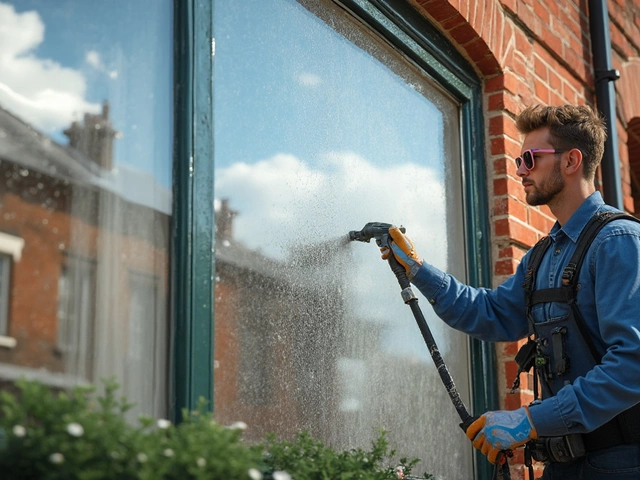
Soft washing doesn't fight the grime; it dissolves it. The process usually starts with a mixture of water, a surfactant (which acts like a soap to help the liquid cling to the surface), and a cleaning agent. In many professional setups, Sodium Hypochlorite-a diluted form of bleach-is used. This is the secret weapon against organic growth. Here is the typical workflow of a soft wash:- Pre-wetting: The siding is dampened with water to prevent the cleaning solution from soaking in too deeply or leaving streaks.
- Application: The solution is sprayed on using a low-pressure pump. It sits on the siding for 10 to 15 minutes, which gives the chemistry time to kill mold, mildew, and algae.
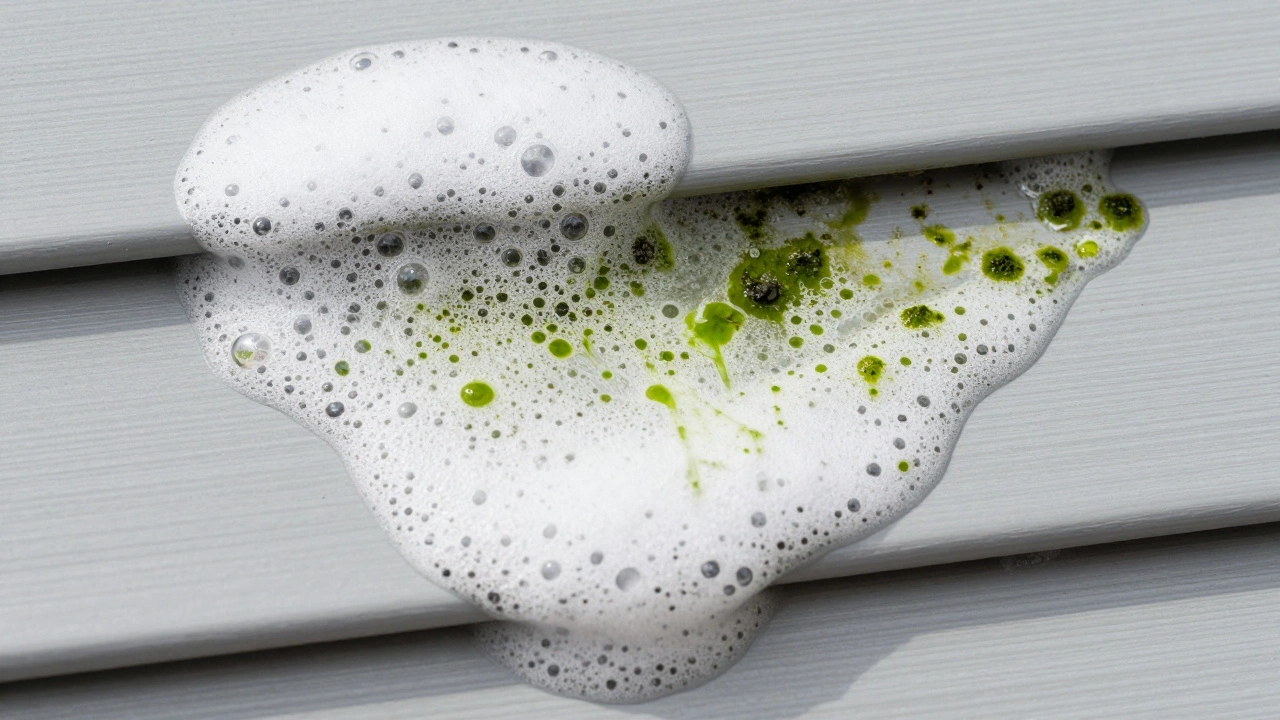
- Dwell Time: This is where the magic happens. You'll see the green algae literally disappear and turn white as the solution breaks the cellular walls of the organism.
- Rinse: A gentle rinse removes the dead organic matter and the cleaning agent, leaving a streak-free finish.
| Feature | Pressure Washing | Soft Washing |
|---|---|---|
| Water Pressure | High (2,000+ PSI) | Low (Garden hose level) |
| Cleaning Agent | Mostly water | Specialized surfactants/bleach |
| Risk of Damage | High (Cracks, warped panels) | Very Low |
| Mold/Algae Removal | Surface level only | Kills spores at the root |
| Longevity | Short-term clean | Long-term protection |
Common Pitfalls to Avoid
If you decide to tackle this yourself, there are a few mistakes that can turn a cleaning project into a costly repair. First, never spray from the bottom up. If you do, you're essentially inviting water to seep into every single joint and overlap. Always spray from the top down, allowing the water to flow naturally with gravity. Another common error is using the wrong chemicals. Some homeowners try using heavy-duty degreasers or abrasive scrubbers. Vinyl Siding can be sensitive to certain harsh chemicals that might strip the finish or cause discoloration. Stick to a dedicated house wash solution. And for the love of your windows, be careful with the runoff. If you're using a bleach-based solution, you need to pre-soak your plants and shrubs with fresh water before and after the process. This creates a protective barrier and rinses away any chemicals that might land on your landscaping, preventing your favorite hydrangea bush from turning brown.When Should You Actually Use Pressure?
I'm not saying you should throw your pressure washer in the trash. It's an incredible tool-just not for your siding. If you have Concrete driveways, brick walkways, or wooden decks (with a wide fan tip), the high pressure is exactly what you need to lift embedded oil stains and deep-set dirt. If you absolutely must use a pressure washer on your siding because you don't have a soft wash setup, you need to switch to a "wide fan" nozzle. Never use the zero-degree red tip; that's essentially a water laser. A wide tip spreads the force, reducing the PSI hitting any single point. However, even with a wide tip, you're still risking water intrusion. The safest bet is always a low-pressure approach.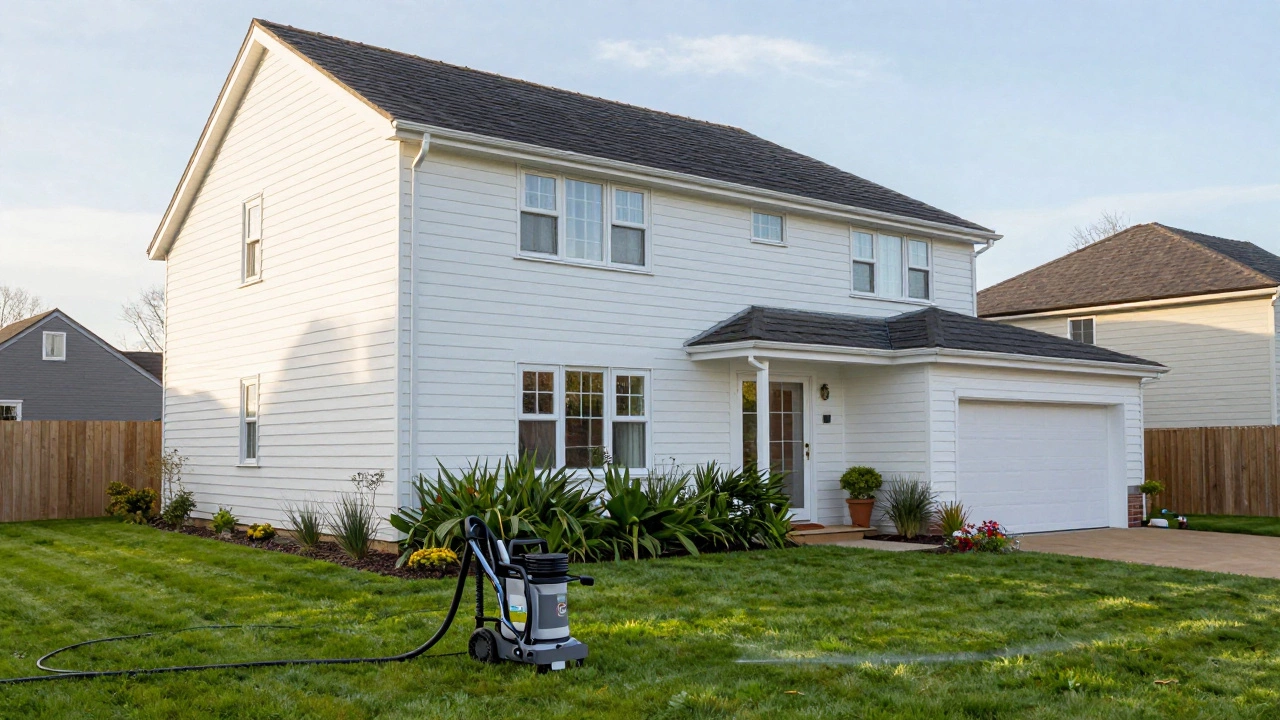
Maintaining the Shine
Once your siding is clean, how do you keep it that way? The most effective way to prevent algae and mildew from returning is to manage the environment around your home. Trim your bushes so they aren't rubbing against the vinyl, which traps moisture. Ensure your gutters are clear so water isn't overflowing and running down the side of the house. Depending on where you live-especially if you have a lot of shade or high humidity-a professional soft wash every two to three years is usually enough to maintain the curb appeal without wearing down the material. Think of it like a skincare routine for your house; gentle, consistent care is better than one aggressive scrub that leaves scars.Will bleach ruin my vinyl siding?
No, provided it is diluted. Professional soft washing uses a controlled concentration of sodium hypochlorite. Pure bleach can be too harsh, but the diluted solutions used in house washing are designed to kill organic growth without damaging the vinyl's chemical structure or color.
How often should I wash my vinyl siding?
Typically, every 2 to 3 years is sufficient. If your home is surrounded by heavy tree cover or is in a very humid climate, you might see green algae buildup faster, necessitating a wash every year or two to prevent permanent staining.
Can I use a pressure washer on a low setting?
Yes, if your machine has an adjustable pressure regulator. However, most consumer-grade pressure washers still output significantly more force than a soft wash pump. If you can't drop the pressure to "garden hose' levels, you are still risking water intrusion behind the panels.
What is the best nozzle for cleaning siding?
If you must use a pressure washer, use a 25-degree or 40-degree fan tip (usually green or white). Never use the 0-degree red tip, as it can cut through vinyl siding instantly. For a true soft wash, a low-pressure soap nozzle is the correct choice.
Does soft washing remove oil or grease stains?
Soft washing is primarily designed for organic growth like algae and mold. For oil or grease, you may need a specific degreasing agent. However, you should still apply these cleaners using low pressure to avoid damaging the siding.