Window Cleaning Solution: What Pros Use and Why It Works
When it comes to cleaning windows, most people reach for a bottle of window cleaning solution, a liquid product designed to remove dirt and grime from glass surfaces. Also known as glass cleaner, it’s sold everywhere—from grocery stores to hardware shops. But here’s the truth: professional window cleaners don’t use any of those.
They use something far simpler: distilled water, water that’s been boiled and condensed to remove all minerals and impurities. Why? Because tap water leaves behind calcium, magnesium, and other minerals that dry into streaks. Even vinegar, which many think is a natural miracle, leaves a faint film over time. The pros use purified water because it evaporates cleanly, leaving zero residue. Paired with a squeegee, a tool with a flexible rubber blade designed to glide smoothly across glass and a water-fed pole, it’s the only system that delivers truly spotless results—every time.
What you’re really buying when you pick up a bottle of commercial cleaner isn’t better cleaning power—it’s marketing. Those formulas often contain ammonia, alcohol, or surfactants that can damage modern low-e glass coatings, tinted windows, or even window frames. And let’s be honest: if you’ve ever wiped a window only to see new streaks form within hours, you’ve felt the frustration. The real solution isn’t stronger chemicals. It’s cleaner water and better technique. The posts below dive into exactly what professionals use, why Windex fails, how water-fed poles work, and what you can do at home to get near-pro results without spending a fortune. No gimmicks. No hype. Just what actually works.
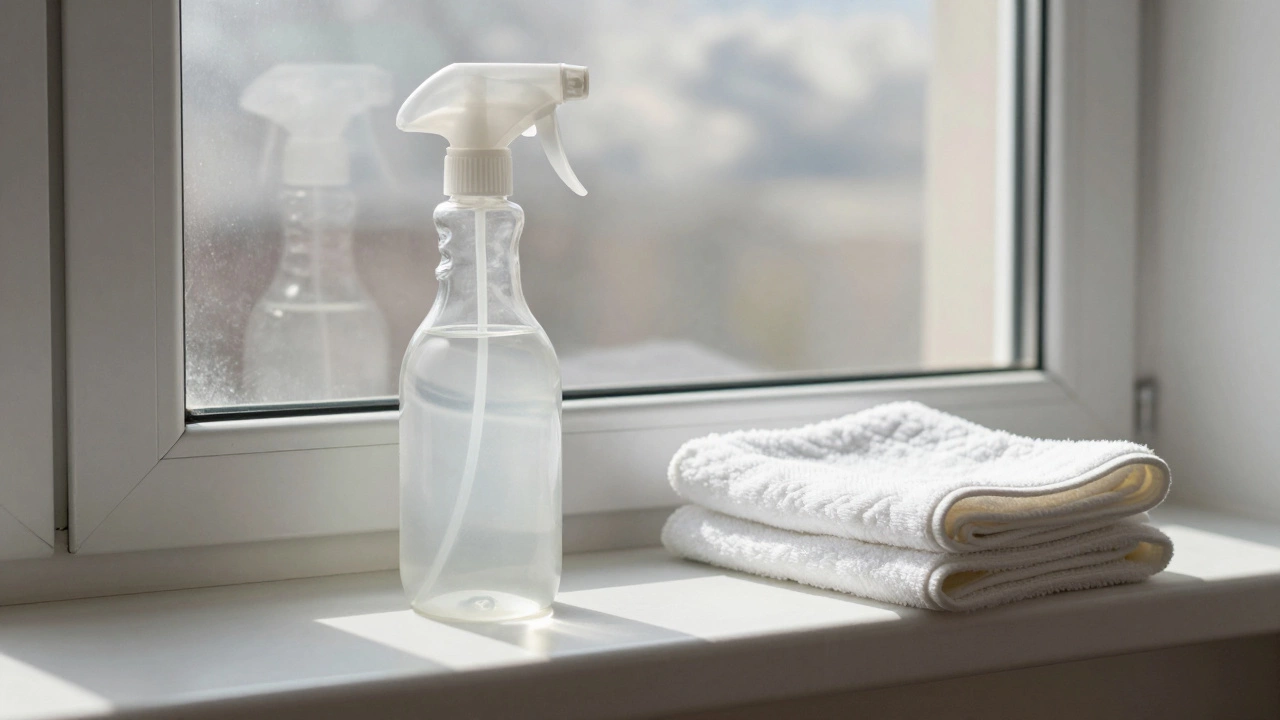
What Is the Best Trick for Cleaning Windows?
The best trick for cleaning windows is a simple vinegar and water solution used with two microfiber cloths. It removes streaks, avoids chemicals, and costs less than store-bought cleaners. Works on all glass types and lasts longer with regular use.
Read More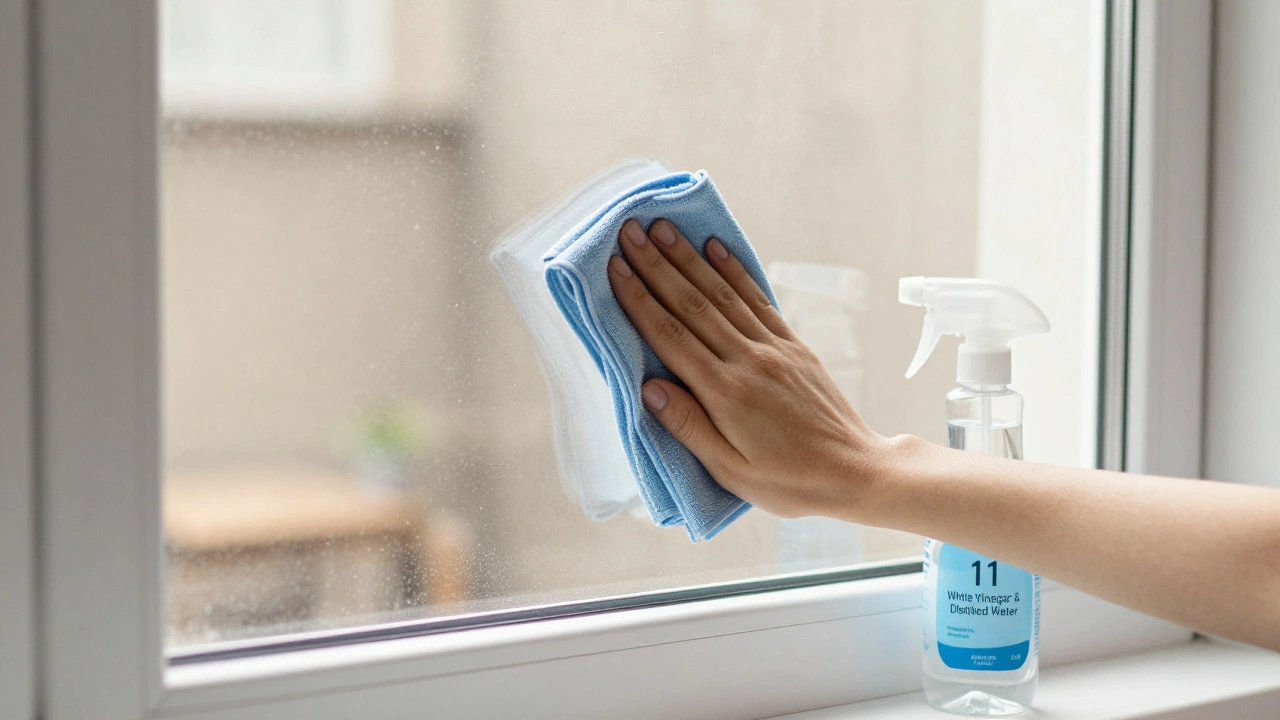
What Is the Best Thing to Clean Windows With? Top Methods That Actually Work
The best thing to clean windows with isn't a fancy spray-it's vinegar and distilled water with a microfiber cloth. Learn why store-bought cleaners fail and how to get streak-free windows every time.
Read More