Microfiber Cloth: What It Is, How It Works, and Why It’s Everywhere in Cleaning
When you think of a microfiber cloth, a synthetic fabric made of ultra-fine fibers designed to trap dirt and absorb moisture without scratching surfaces. Also known as microfiber cleaning cloth, it’s the quiet hero behind streak-free windows, spotless countertops, and dust-free electronics. Unlike old cotton rags or paper towels, it doesn’t just push dirt around—it captures it. That’s why professional cleaners, car detailers, and even hospital staff rely on it daily.
What makes microfiber cloth, a synthetic fabric made of ultra-fine fibers designed to trap dirt and absorb moisture without scratching surfaces. Also known as microfiber cleaning cloth, it’s the quiet hero behind streak-free windows, spotless countertops, and dust-free electronics. so effective? It’s built with thousands of tiny fibers—each thinner than a strand of silk—that create a static charge. This charge pulls in dust, grease, and even bacteria like a magnet. And because it holds up to seven times its weight in water, you don’t need sprays or chemicals to get a deep clean. That’s why it shows up in posts about professional window cleaning, a method using purified water and specialized tools to achieve streak-free results without traditional detergents, eco-friendly cleaning, the practice of using non-toxic, sustainable products and tools to reduce environmental impact, and even car interior window cleaning, the process of cleaning glass surfaces inside vehicles without leaving streaks or residue. It’s not magic—it’s physics.
You’ll find microfiber cloths in nearly every cleaning guide here: used to wipe down oven trays after a baking soda soak, dusting baseboards before pressure washing, or polishing car windows after a detail job. They’re the tool you reach for when you want to avoid chemical fumes, save money on disposable wipes, or get a finish that looks like it was done by a pro. And unlike paper towels, they last for hundreds of washes—if you care for them right. Skip the fabric softener. Wash them with plain detergent. Dry on low. That’s it.
It’s not just about being eco-friendly—it’s about being smarter. A single microfiber cloth can replace a whole drawer of spray cleaners, sponges, and paper towels. That’s why landlords use them for end-of-tenancy cleanings, detailers swear by them for car interiors, and busy homeowners grab them before heading out the door. They’re quiet, durable, and shockingly effective. You don’t need to buy the most expensive brand. You just need to know how to use one.
Below, you’ll find real-world examples of how microfiber cloths are used in practical cleaning scenarios—from removing baked-on grease without scratching trays, to getting windows spotless without Windex, to cleaning delicate surfaces without leaving lint. No fluff. No hype. Just how it actually works in homes and businesses across the UK.
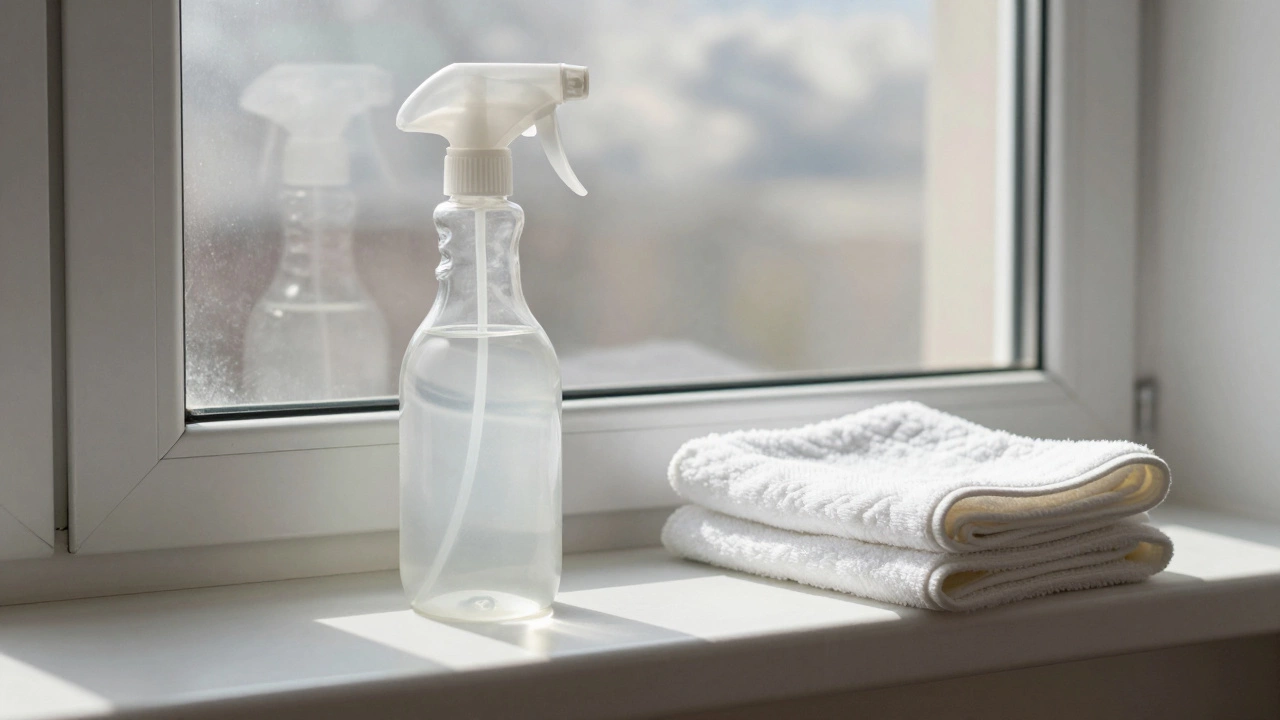
What Is the Best Trick for Cleaning Windows?
The best trick for cleaning windows is a simple vinegar and water solution used with two microfiber cloths. It removes streaks, avoids chemicals, and costs less than store-bought cleaners. Works on all glass types and lasts longer with regular use.
Read More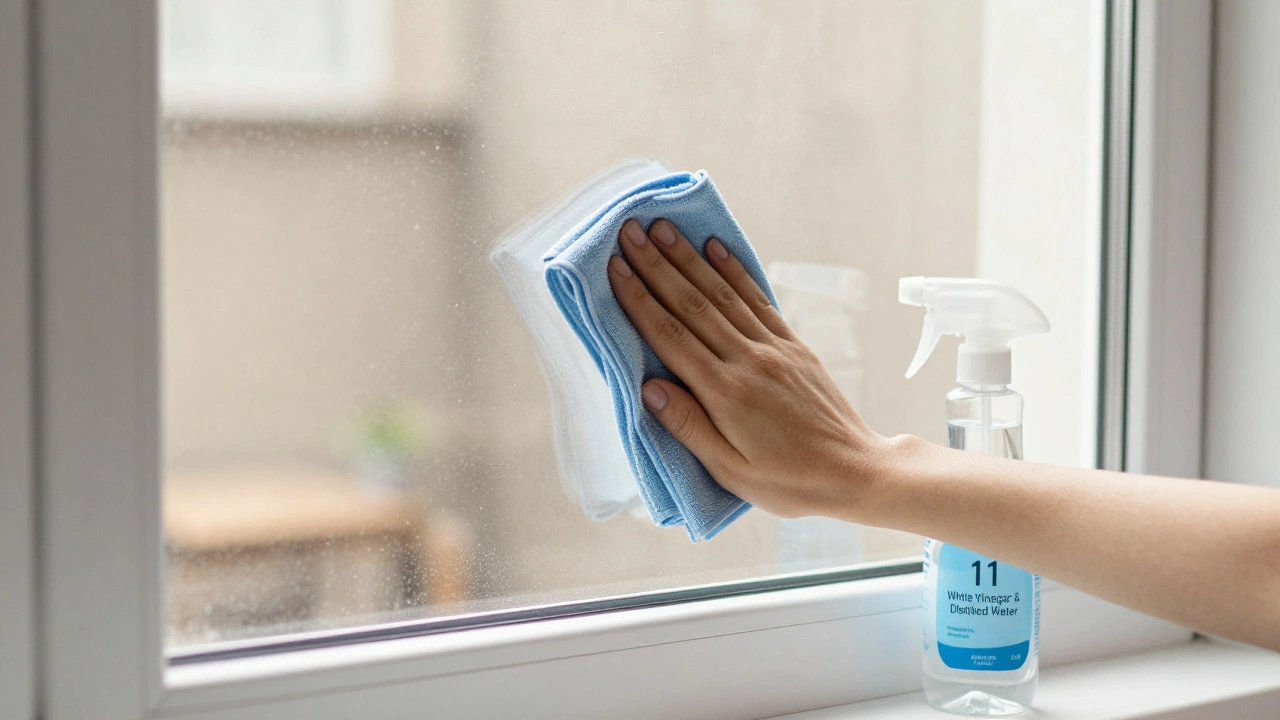
What Is the Best Thing to Clean Windows With? Top Methods That Actually Work
The best thing to clean windows with isn't a fancy spray-it's vinegar and distilled water with a microfiber cloth. Learn why store-bought cleaners fail and how to get streak-free windows every time.
Read More