When to Clean House: Best Times, Signs, and Practical Tips
When to clean house isn’t just about calendars or seasons—it’s about house cleaning schedule, a personalized rhythm that keeps your home healthy, stress-free, and manageable. Also known as home maintenance routine, it’s not about perfection, but about catching messes before they become problems. Most people wait until their house looks like a disaster zone before they act. But that’s too late. The best cleaning habits are built on early signals: sticky counters, musty smells, clutter piling up in corners, or just feeling exhausted every time you walk in. These aren’t just annoyances—they’re your body telling you it’s time to reset.
Spring cleaning, a traditional seasonal deep clean often tied to warmer weather, is still useful, but it shouldn’t be your only clean. Many UK homes benefit from a lighter refresh every 6–8 weeks and a full deep clean twice a year. If you have pets, kids, or allergies, you might need to clean more often. A deep cleaning, a thorough, room-by-room reset that tackles hidden dirt, grime, and allergens isn’t just for moving out—it’s for reclaiming your space. Think of it like changing your bed sheets: you don’t wait until they’re stained to do it. You do it before it gets bad.
There’s no one-size-fits-all answer, but there are clear triggers. If you’ve skipped vacuuming for over two weeks, if your kitchen counters feel sticky even after wiping, if your bathroom smells like mildew no matter how much you spray—it’s time. If you’re renting, your landlord might expect a deep clean at the end of your tenancy, but waiting until then means you’re playing catch-up. And if you hire a cleaner, knowing when to schedule them makes a huge difference. A regular weekly or biweekly visit keeps things manageable. Waiting until everything’s overwhelming means you’re paying more for harder work.
Don’t ignore the invisible signs either. Dust buildup on shelves, yellowing grout, lingering odors in the mattress or couch—these aren’t just "dirty." They’re health risks. Studies show that indoor air quality can be worse than outdoors, especially in homes with poor cleaning habits. That’s why eco-friendly cleaning, using non-toxic, biodegradable products that protect your family and the environment matters. You don’t need harsh chemicals to kill germs or remove grease. Vinegar, baking soda, and proper ventilation work better—and they’re safer for kids, pets, and your lungs.
So when should you clean house? The answer isn’t on a calendar. It’s in your gut. If you’re dreading walking into your kitchen, if you can’t find your keys because everything’s buried, if you’re tired of explaining why your home looks the way it does—it’s time. You don’t need to clean everything at once. Start with one room. One day. One surface. Small wins build momentum. And the more you do it regularly, the less it feels like a chore and the more it feels like self-care.
Below, you’ll find real guides from people who’ve been there: how to tackle a neglected house in one day, what actually kills urine smell in mattresses, why professionals skip Windex, and how to clean oven trays without chemicals. No fluff. No guilt. Just what works.
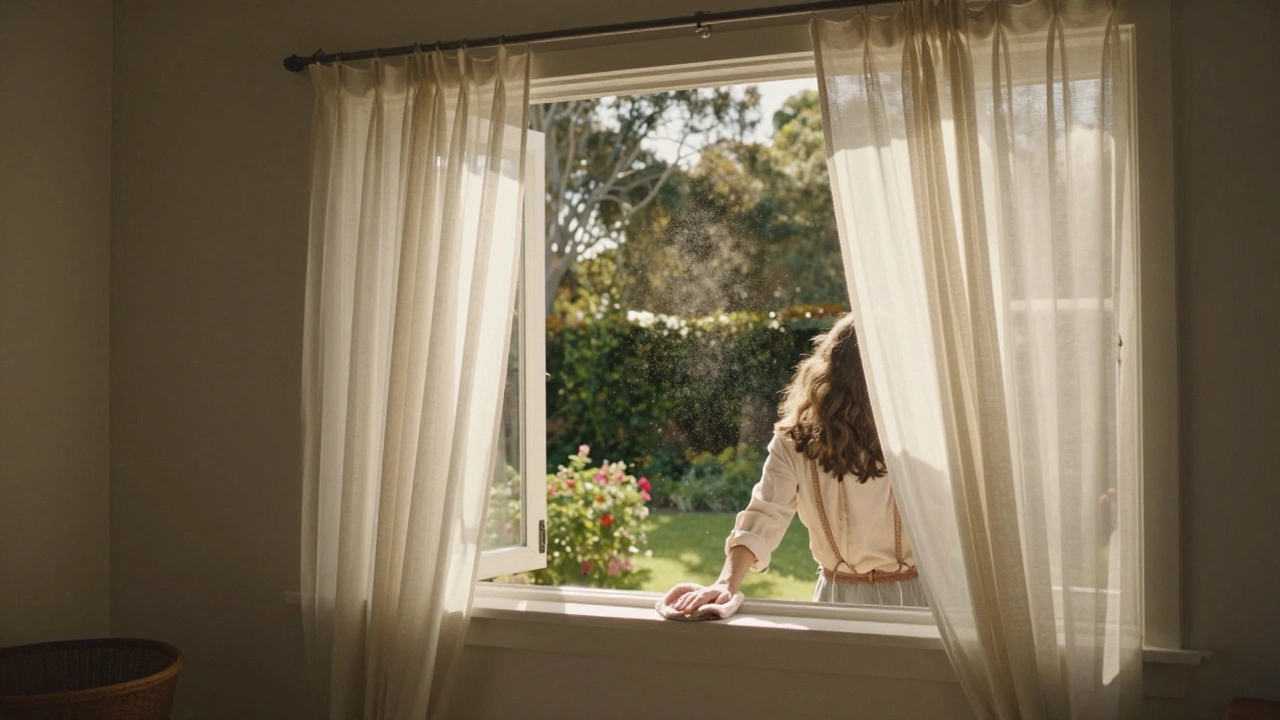
What Months Are Spring Cleaning? Real Timing for Australia
In Australia, spring cleaning isn't in September-it's in August. Learn the best time to deep clean your home based on local weather, pollen, and real-life experience in Brisbane.
Read More