Vinegar and Water: The Simple Cleaning Hack That Actually Works
When you mix vinegar and water, a basic household solution made from white distilled vinegar and plain water, commonly used as a non-toxic cleaner. Also known as white vinegar cleaner, it’s one of the few DIY solutions that actually cuts grease, kills mold, and removes hard water stains without chemicals. You don’t need fancy sprays or expensive brands—just a 1:1 mix in a spray bottle and a cloth. It’s not magic, but it’s science: the acetic acid in vinegar breaks down mineral deposits and lifts grime, while water dilutes it to a safe, non-damaging strength.
This combo isn’t just for windows. You’ll find it working behind the scenes in oven trays, bathroom tiles, and even laundry. It’s the go-to for people who want to avoid harsh fumes, protect kids and pets, or stick to eco-friendly cleaning. But it’s not a cure-all. It won’t disinfect like bleach, and it doesn’t work well on oil-based stains or sealed wood. That’s why professional cleaners use it smartly—often paired with baking soda for scrubbing power, or followed by distilled water for streak-free glass, like the ones you see in professional window cleaning guides. The key is knowing where it shines and where it falls short.
What makes vinegar and water so popular isn’t just its price tag—it’s reliability. Unlike store-bought cleaners that vary by brand, vinegar is consistent. A 5% acetic acid solution works the same whether you buy it in a gallon jug or a local supermarket. It’s the same stuff used in baking soda and vinegar, a classic cleaning duo that reacts to lift baked-on grease and loosen grime in ovens. It’s also the base for many eco-friendly disinfecting, methods that rely on natural ingredients to kill germs without toxins routines. You’ll see it referenced in posts about cleaning oven trays, removing odors, and even tackling urine smells—because sometimes, the simplest thing is the most effective.
But here’s the thing: people overuse it. Leaving vinegar on stone countertops? Bad idea. Using it on hardwood floors without rinsing? Can dull the finish. Mixing it with bleach? Dangerous. The real skill isn’t just using vinegar and water—it’s knowing when to stop, when to rinse, and when to switch tools. That’s why the posts below aren’t just ‘how to clean with vinegar.’ They’re about avoiding mistakes, understanding limits, and pairing it right—with baking soda, with alcohol, with proper rinsing—so you get results without damage.
Below, you’ll find real examples from people who’ve used this mix to fix stubborn messes—like baked-on grease on oven trays, streaky windows, and smelly mattresses. Some used it alone. Others combined it with other natural tools. None used it blindly. And that’s the difference between a quick spray and a real clean.
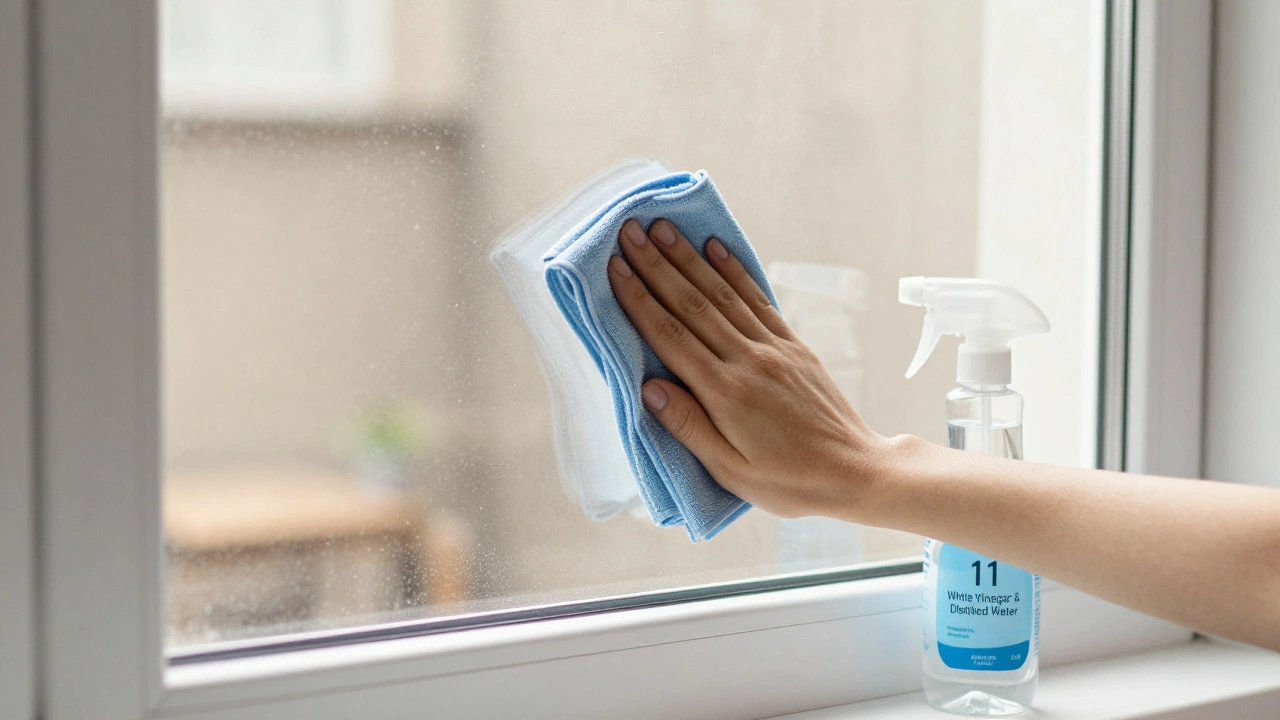
What Is the Best Thing to Clean Windows With? Top Methods That Actually Work
The best thing to clean windows with isn't a fancy spray-it's vinegar and distilled water with a microfiber cloth. Learn why store-bought cleaners fail and how to get streak-free windows every time.
Read More