Tenant Deposit: What You Need to Know About Deductions and Fair Wear and Tear
When you move out of a rented property, your tenant deposit, a security payment held by your landlord or agent to cover potential damages or unpaid rent. Also known as security deposit, it’s your money—until something goes wrong. In the UK, landlords must protect it in a government-approved scheme and return it within 10 days after you leave—unless they have a valid reason to keep part of it.
Most disputes happen over end of tenancy cleaning, the level of cleanliness expected when you hand back the property. Landlords can’t charge you for normal mess—they can only deduct for cleaning that brings the property back to the condition it was in at the start. A few crumbs on the floor? Not a problem. Grease caked in the oven? That’s different. The same goes for wear and tear, the natural decline in a property’s condition from regular, reasonable use over time. A faded carpet from years of foot traffic? Normal. A hole in the wall from hanging shelves without permission? That’s damage.
Many tenants don’t realize that tenant deposit deductions must be backed by evidence. If your landlord says your carpet is ruined, they need photos from move-in, receipts for replacement, or a professional cleaning report. No proof? No deduction. Same goes for cleaning—unless the property was left in a state that goes beyond normal use, you shouldn’t pay for deep cleaning. And if they try to charge you for replacing something that’s just old, like a 10-year-old fridge, that’s not allowed.
It’s not just about dirt or damage. It’s about fairness. Tenants often get hit with unexpected bills because landlords don’t understand the law—or worse, they take advantage. That’s why knowing the difference between deposit deduction, the amount a landlord can legally withhold from your security deposit and actual damage matters. It’s why guides on landlord tenant rules, the legal framework governing how deposits are handled, cleaned, and disputed in UK rentals exist. You’re not just protecting your money—you’re standing up for your rights.
Below, you’ll find real-world advice from people who’ve been there: how to clean properly before leaving, how to document your condition, what scratches on wood floors really mean, and whether you can claim cleaning costs on your taxes. No fluff. No guesswork. Just clear, practical steps to get your full deposit back.
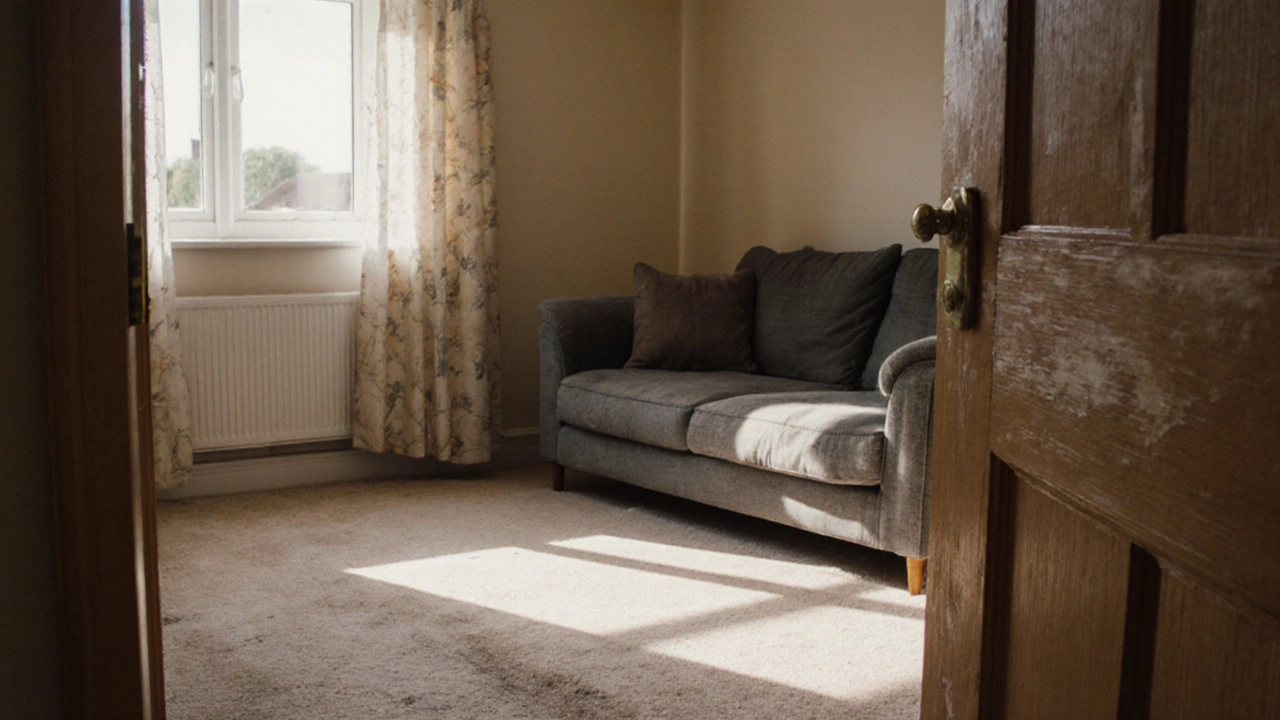
What Is Acceptable Wear and Tear at the End of a Tenancy?
Understand what counts as normal wear and tear versus damage at the end of a tenancy in the UK. Learn how to protect your deposit with proof, legal rights, and real examples from Leeds rentals.
Read More