Property Damage: What Counts, How to Fix It, and What You Can Claim
When you move out of a rented home, property damage, physical harm to a property that goes beyond normal use and affects value or function. Also known as tenant damage, it’s what landlords use to decide if they can keep your deposit. But not every mark, stain, or scuff is damage. A faded curtain or a few scuffs on the floor? That’s usually just wear and tear, the natural deterioration that happens over time from regular living. The difference matters—big time. In the UK, tenants have legal rights, and landlords can’t charge you for everyday use. If you’ve had pets, kids, or just lived in the place for years, you need to know where to draw the line.
Common property damage, physical harm to a property that goes beyond normal use and affects value or function. Also known as tenant damage, it’s what landlords use to decide if they can keep your deposit. includes large carpet stains from spilled wine or pet accidents, deep scratches in hardwood floors, broken windows, holes in walls from nails or pictures, and burn marks on countertops. These aren’t just messy—they reduce the property’s value. On the flip side, faded paint, minor scuffs on baseboards, or light wear on high-traffic carpet areas? That’s normal. You’re not responsible for that. A 2023 study by the UK Tenants’ Union found that over 60% of deposit disputes were settled in the tenant’s favor because landlords confused wear and tear with damage. Knowing this can save you hundreds.
Fixing property damage doesn’t always mean calling a pro. A deep mattress stain? Enzyme cleaners can break down urine and sweat without harsh chemicals. Scratched wood floors? A simple wood filler and touch-up pen often do the trick. Dirty carpets? Professional hot water extraction removes embedded dirt and odors better than any store-bought spray. Even window streaks can be avoided with purified water and proper tools—no Windex needed. The key is acting fast. The longer a stain sits, the harder it is to remove. And if you’re unsure? Take photos before you move out. Document everything. It’s your best defense.
What you’ll find below are real, tested solutions for the most common issues renters and homeowners face. From how to tell if a scratch is repairable or requires replacement, to what cleaners actually work on baked-on grease or pet urine, we’ve pulled together the most practical guides from professionals who’ve seen it all. No fluff. No guesswork. Just clear steps to fix what needs fixing—and prove you didn’t cause what you didn’t.
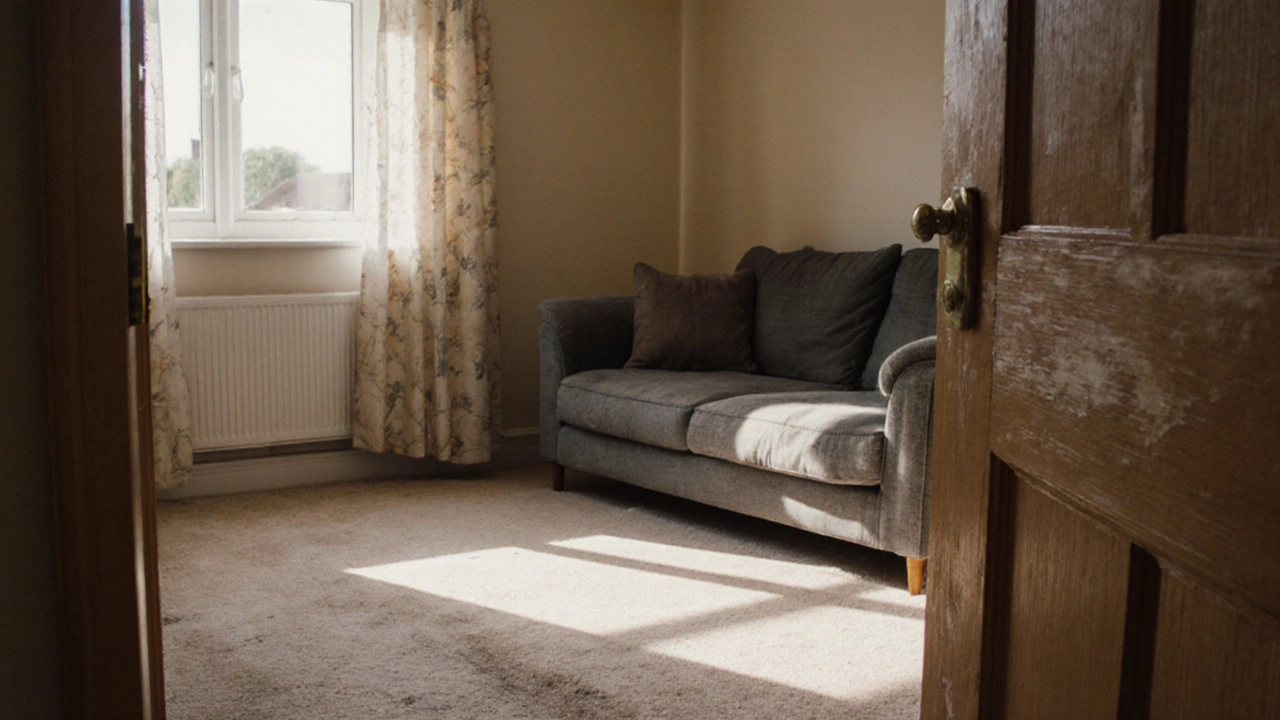
What Is Acceptable Wear and Tear at the End of a Tenancy?
Understand what counts as normal wear and tear versus damage at the end of a tenancy in the UK. Learn how to protect your deposit with proof, legal rights, and real examples from Leeds rentals.
Read More