Pressure Washing Risks: What You Need to Know Before You Start
When you use a pressure washer, a high-powered water tool used to clean exterior surfaces like driveways, siding, and decks. Also known as a power washer, it can remove dirt, mold, and grime fast—but it’s not a magic wand. Used carelessly, it can strip paint, crack brick, shatter glass, and even injure you or your pets. Many people think more pressure equals better cleaning, but that’s where things go wrong.
The real danger isn’t just the water—it’s the surface damage, the unintended harm caused when too much force hits fragile materials like wood, vinyl, or old mortar. A 3,000 PSI machine might clean a concrete driveway perfectly, but it’ll tear apart your fence or peel paint off your garage door in seconds. Then there’s the chemical pre-wash sprays, cleaning solutions applied before pressure washing to break down grime. Some contain harsh chemicals that can kill plants, poison soil, or run into storm drains. Even "eco-friendly" labels don’t always mean safe—check the ingredients. And let’s not forget the personal safety risks, the chance of slips, eye injuries, or high-pressure water injections that can cause serious tissue damage. You don’t need to be a pro to get hurt.
What most guides don’t tell you? The best pressure washing job often starts with not using the pressure washer at all. Sometimes a soft wash with a garden hose and gentle cleaner does the job without risk. If you do use one, match the pressure to the surface. Use the right nozzle. Wear goggles. Keep kids and pets away. And never point it at windows, electrical outlets, or siding you can’t see behind. The posts below cover exactly how to avoid these mistakes—from choosing the right machine to knowing when to call a pro. You’ll find real advice on what sprays to use before washing, how to clean without wrecking your home, and why some people should never rent a pressure washer in the first place. Skip the guesswork. Learn what actually works—and what could cost you thousands.
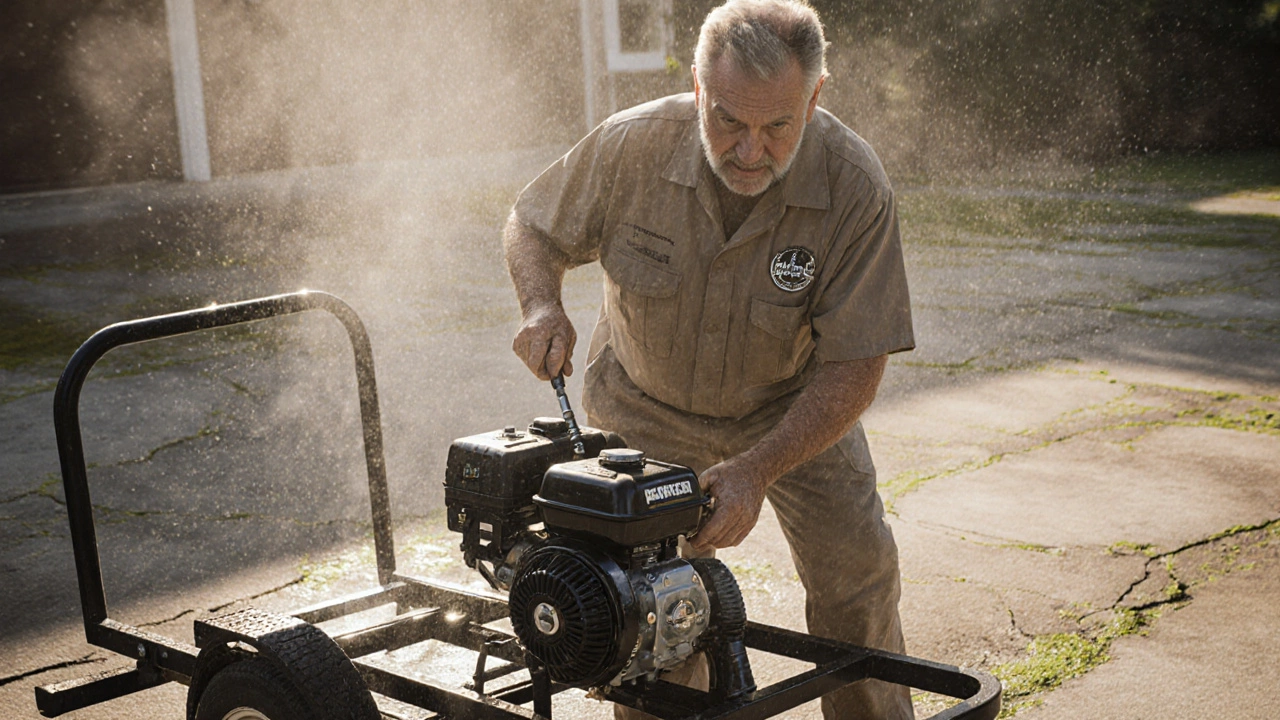
What Are the Cons of Starting a Pressure Washing Business?
Starting a pressure washing business seems easy, but the physical strain, equipment costs, weather delays, and fierce competition make it far harder than it looks. Here's what no one tells you before you buy that machine.
Read More