Pressure Washing Downsides: Risks, Damage, and What You Need to Know
When you think of pressure washing, a high-powered water cleaning method used on driveways, siding, and decks. Also known as power washing, it's a fast way to remove dirt, mold, and grime—but it’s not harmless. Many people assume more pressure means better results, but that’s where things go wrong. Too much force can strip paint, crack siding, gouge wood, or even break windows. It’s not just about cleaning—it’s about knowing what you’re cleaning with and how.
One of the biggest pressure washing downsides, the risk of surface damage from improper use or wrong equipment settings is how easily it harms softer materials. Think vinyl siding, old brick, or even sealed concrete. A 3000 PSI machine meant for driveways can turn your house exterior into a mess in seconds. And it’s not just surfaces—water forced under siding or into window seals can lead to hidden mold, rot, or structural damage you won’t see until it’s too late. Even plants and landscaping nearby can suffer. One misdirected spray and your flowers, shrubs, or garden beds get battered by high-pressure water. You don’t need a professional machine to cause damage—rental units sold at hardware stores are often too strong for homes.
Then there’s the safety risk, the danger of injury from high-pressure water streams or improper handling. Pressure washers can cause serious cuts, bruises, or even eye injuries if the nozzle slips. People forget: water at 2000+ PSI can pierce skin. And if you’re using chemical pre-wash sprays—like those designed to break down algae or grease—you’re mixing strong cleaners with high-pressure water. That’s a recipe for toxic runoff or harmful fumes if used near windows, doors, or air intakes. Even eco-friendly cleaners aren’t safe when blasted into the air or washed into storm drains. The eco-friendly cleaning, cleaning methods that reduce environmental impact using non-toxic or biodegradable products you love for inside your home don’t always translate safely outdoors under pressure.
What’s worse? A lot of people try pressure washing because they saw a viral video or a neighbor did it. But every house is different. Older homes with wood siding, historic brick, or painted surfaces need gentler methods. Pressure washing isn’t a one-size-fits-all fix. You can’t just crank up the PSI and walk away. That’s why so many end up calling pros after making things worse. And if you’re renting or managing a property, you could be on the hook for repair costs if you damage something during cleaning.
So what’s the alternative? Sometimes, a soft wash with low pressure and the right detergent works better. Sometimes, scrubbing by hand with vinegar or baking soda is safer and just as effective. You don’t always need power—you need knowledge. The posts below show you exactly where pressure washing goes wrong, what surfaces it ruins, how to pick the right tools if you must use one, and what safer methods actually work. No fluff. Just real examples from real homes.
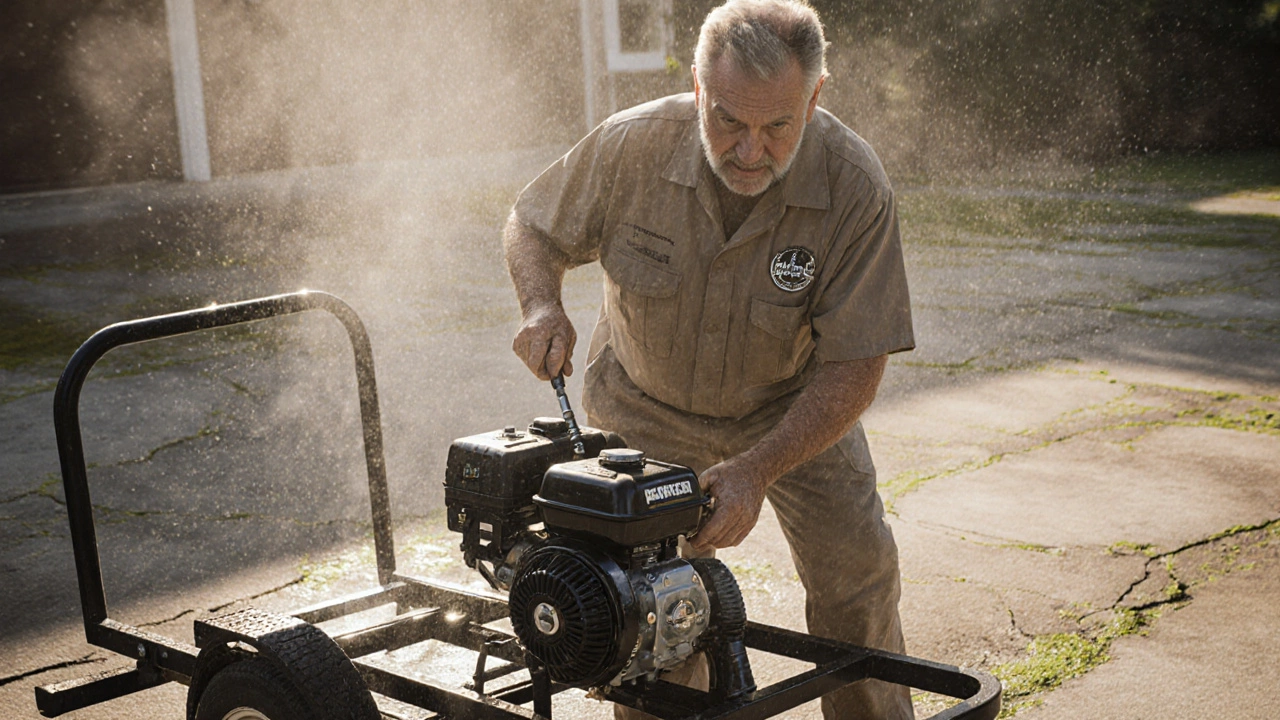
What Are the Cons of Starting a Pressure Washing Business?
Starting a pressure washing business seems easy, but the physical strain, equipment costs, weather delays, and fierce competition make it far harder than it looks. Here's what no one tells you before you buy that machine.
Read More