Pressure Washing Challenges: Common Issues and How to Fix Them
When you use a pressure washer, a high-powered water cleaning tool used to remove dirt, mold, and grime from outdoor surfaces. Also known as a power washer, it’s one of the fastest ways to refresh driveways, siding, and patios. But if you don’t know what you’re doing, it can do more harm than good. Many people think more pressure equals better results—until they strip paint, gouge wood, or crack brick. That’s the first big pressure washing challenge: mistaking power for precision.
Another issue? Skipping the pre-wash spray, a cleaning solution applied before pressure washing to loosen dirt and reduce the need for high pressure. People jump straight to the nozzle, blasting away without softening the grime first. That forces you to use higher PSI, which increases the risk of damage. The right pre-wash isn’t just helpful—it’s essential. Whether you’re cleaning algae off a fence or oil stains from a driveway, letting a biodegradable detergent sit for 5–10 minutes makes the whole job easier, safer, and more effective. And if you’re worried about the environment, you don’t need harsh chemicals. Many eco-friendly options work just as well, without poisoning plants or runoff into gutters.
Then there’s the surface itself. Not all materials handle pressure the same. Wood can splinter. Vinyl siding can warp. Concrete might look fine, but if it’s old or cracked, high-pressure water can force its way in and cause hidden damage over time. Even brick, which seems tough, can lose its mortar if you hold the nozzle too close or use the wrong tip. That’s why knowing your surface matters more than the machine’s PSI rating. A 1,500 PSI electric washer might be perfect for your deck, while a 3,000 PSI gas model could be overkill—or dangerous—on your garage door.
And let’s not forget the mess you create after cleaning. Water doesn’t just disappear. It pools, it runs, it seeps. If you’re washing near windows, doors, or electrical outlets, you risk water intrusion. If you’re on a slope, you’re sending dirt and chemicals straight into your garden. Proper drainage and protection are part of the job too. Most people don’t think about it until they’ve got a flooded basement or dead bushes.
The good news? Most pressure washing challenges aren’t about the equipment—they’re about technique. It’s not about owning the most powerful washer. It’s about knowing when to back off, when to spray low, when to walk away. The posts below cover exactly that: how to pick the right machine, what sprays to use before you start, how to avoid damaging your home, and how to clean safely without wasting time or money. You’ll find real advice from people who’ve been there—no fluff, no hype, just what works.
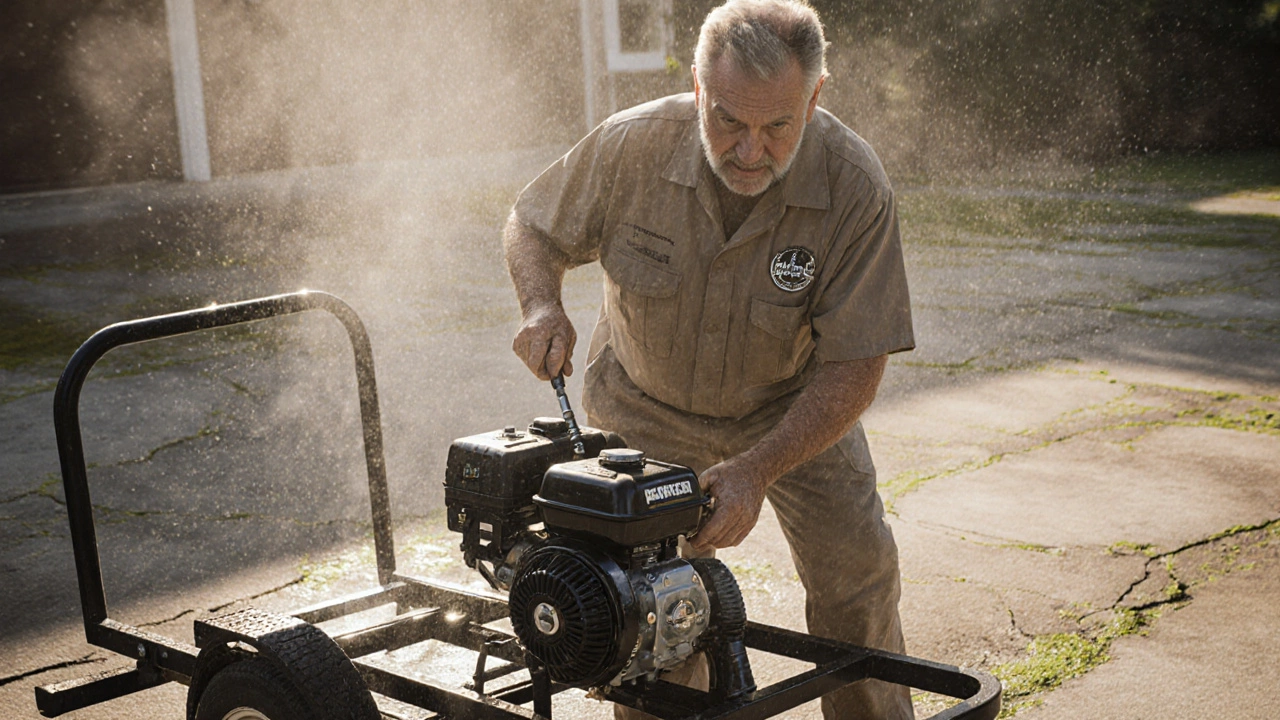
What Are the Cons of Starting a Pressure Washing Business?
Starting a pressure washing business seems easy, but the physical strain, equipment costs, weather delays, and fierce competition make it far harder than it looks. Here's what no one tells you before you buy that machine.
Read More