Oven Cleaning Time: How Long It Really Takes and What to Expect
When you think about oven cleaning time, the duration it takes to remove baked-on grease and food residue from an oven. Also known as oven deep clean duration, it’s not just about scrubbing—it’s about the type of buildup, the tools you use, and whether you’re doing it yourself or hiring a pro. Most people assume it’s a two-hour chore, but the truth? It can be done in under 30 minutes if you know the right method—or drag on for hours if you’re using the wrong approach.
Baked-on grease, the thick, sticky residue that hardens over time from cooking splatters and spills is the real time-sucker. It’s not just dirty—it’s chemically bonded to the metal. That’s why vinegar and baking soda work better than most commercial sprays: they break down the grease slowly and safely. Professionals use steam and specialized degreasers, but even at home, you can cut cleaning time by letting a paste sit overnight. Don’t rush it. The longer you let the solution work, the less scrubbing you’ll need later.
Oven trays, the removable racks and pans inside your oven that collect the most grime are where most of the effort goes. Cleaning the oven walls is one thing, but those trays? They’re covered in carbonized food, cheese, and oil that has baked into the surface. That’s why the best guides focus on tray cleaning first. Soaking them in hot water with baking soda for a few hours makes scrubbing almost unnecessary. And if you’re short on time? Pop them in the dishwasher if they’re dishwasher-safe.
Professional oven cleaning, a service offered by companies like Fortis Cleaning Solutions to deep clean ovens without damaging surfaces usually takes 1 to 2 hours. That includes removing trays, cleaning the door glass, wiping down seals, and vacuuming out crumbs. They don’t use bleach or lye—just eco-friendly solutions that won’t leave toxic fumes. If you’re preparing for an end-of-tenancy clean, landlords don’t expect a showroom finish, but they do notice grease stains on the door or burnt-on food in the corners.
There’s no magic number for oven cleaning time because it depends on how often you cook, what you cook, and whether you clean after every use. A weekly wipe-down cuts your deep clean time by 70%. But if you haven’t cleaned in a year? Prepare for a full afternoon. The good news? You don’t need to do it all at once. Break it into steps: soak trays one day, clean the door the next. It’s less overwhelming, and you’ll get better results.
And here’s something no one tells you: the worst thing you can do is spray chemical cleaner and walk away. Those fumes don’t dissolve grease—they just sit there, making your oven smell like a lab. Natural methods work slower but safer. And if you’re short on time, a steam cleaner can cut hours off the job. Just make sure the oven is cool first.
Below, you’ll find real methods people have used to tackle stubborn oven grime—some with baking soda, others with vinegar, and a few with tools you didn’t know existed. Whether you’re a DIYer or thinking about hiring help, these posts give you the facts, not the fluff. No hype. Just what actually works.
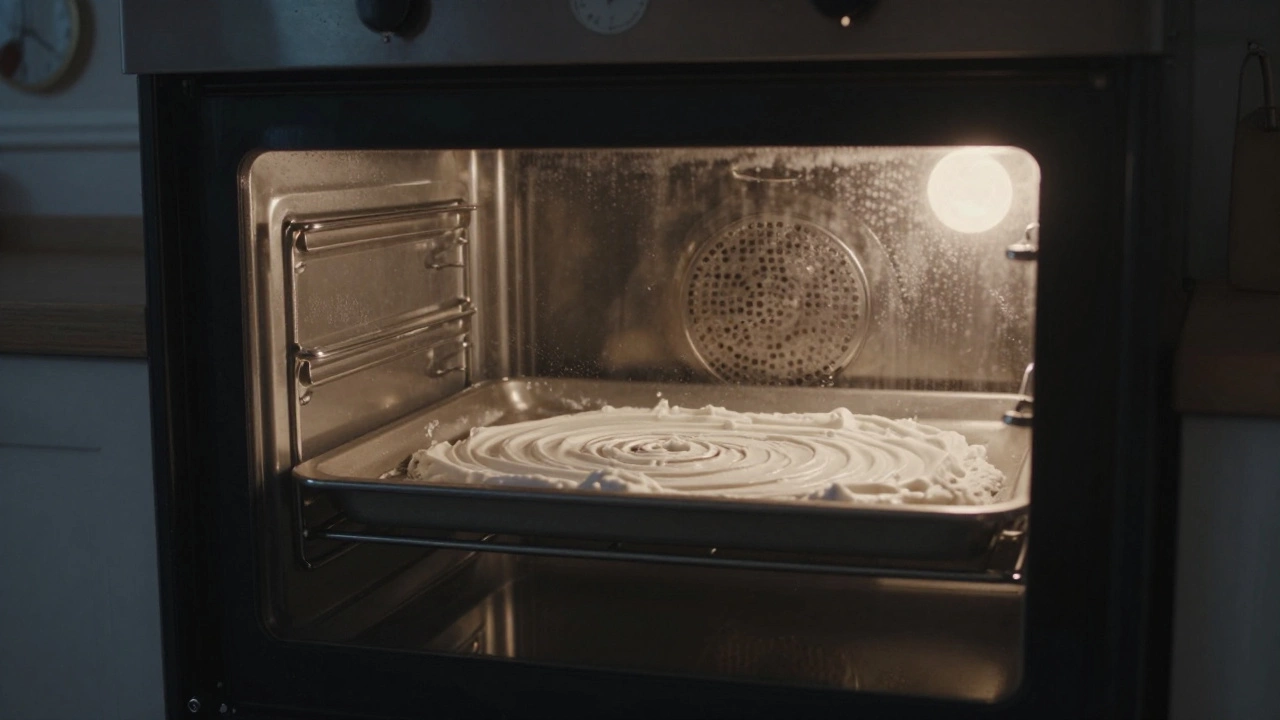
How Long to Leave Baking Soda and Vinegar in the Oven for Best Results
Learn how long to leave baking soda and vinegar in the oven for effective cleaning without damage. Get step-by-step timing tips for light and heavy grime, plus what to avoid.
Read More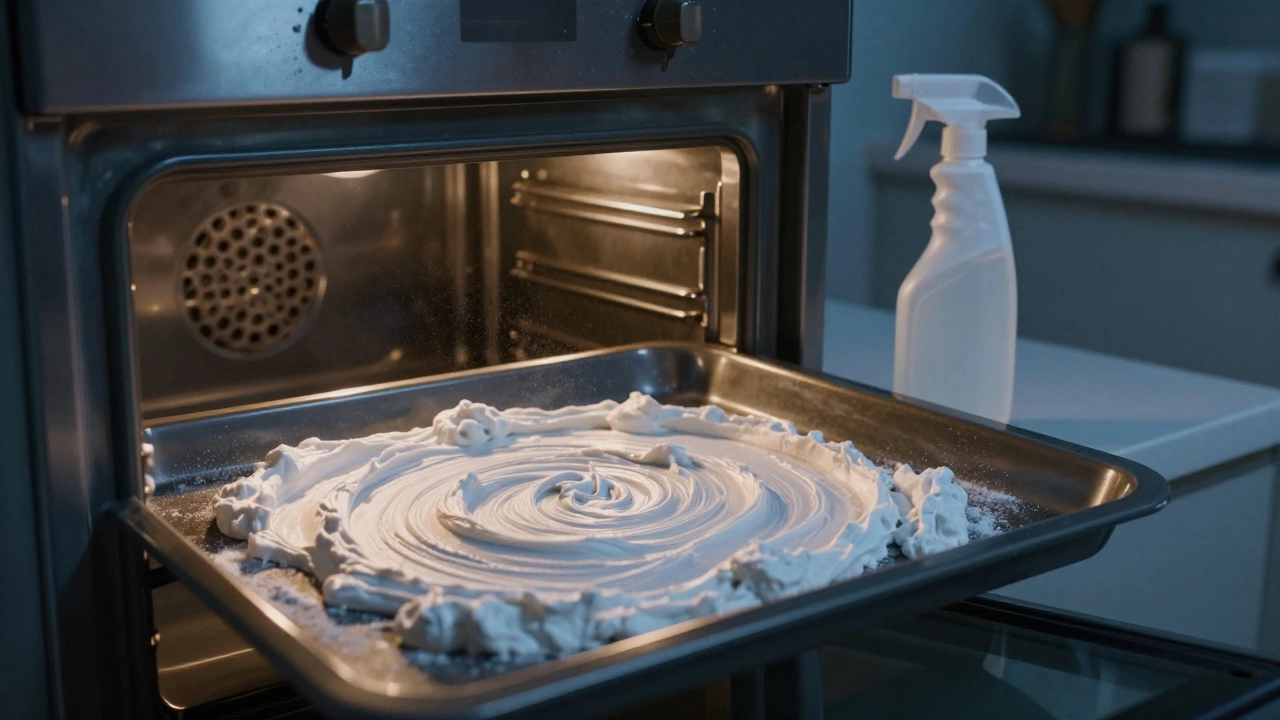
How Long to Let Baking Soda and Vinegar Sit in the Oven for Best Results
Let baking soda and vinegar sit in your oven overnight for the best results. This natural method safely breaks down grease without harsh chemicals-just patience and the right timing.
Read More