Landlord Rules: What You Need to Know About UK Tenancy Responsibilities
When you rent out a property in the UK, landlord rules, the legal obligations and rights that govern how property owners manage rentals under UK housing law. Also known as tenancy regulations, these rules protect both you as the owner and your tenants from misunderstandings, disputes, and financial loss. It’s not just about collecting rent—it’s about knowing what you can and can’t do when it comes to deposits, repairs, inspections, and cleaning at the end of a tenancy.
One of the biggest pain points for landlords is the end of tenancy cleaning, the state a property must be left in when a tenant moves out, as defined by UK tenancy law. Also known as move-out cleaning, it’s not about making the place spotless for show—it’s about returning it to the condition it was in at the start, minus fair wear and tear. If you deduct money from the deposit for cleaning, you need proof it was needed. A dirty oven or dusty windows won’t cut it if the tenant left the place reasonably clean. But if there’s grime baked into the oven, mold in the bathroom, or urine stains on the mattress, that’s a different story. The same goes for wear and tear, the natural deterioration of a property over time due to normal use, not neglect or abuse. Also known as fair deterioration, it includes faded paint, slightly worn carpet, or minor scuffs on wood floors. You can’t charge tenants for these. But deep scratches, broken tiles, or holes in the walls? That’s damage—and you can claim for it.
Landlord rules also cover how you handle deposits. By law, you must protect it in a government-approved scheme within 30 days of receiving it. You must give your tenant the prescribed information, including how to get their money back. If you don’t, you could lose the right to serve a Section 21 notice—and worse, you could be fined up to three times the deposit amount. It’s not just paperwork. It’s legal protection.
And let’s talk about cleaning products. If you hire a professional cleaner for the end of tenancy, make sure they use methods that don’t damage surfaces. For example, using the wrong cleaner on hardwood floors can strip the finish. Steam cleaning a couch might seem like a good idea, but it can ruin some fabrics. You need to know what’s safe. That’s why many landlords rely on guides that explain what actually works—like using vinegar for windows or enzyme cleaners for urine stains—instead of guessing.
These rules aren’t meant to trap you. They’re there to keep things fair. Whether you’re a new landlord or you’ve been renting for years, misunderstandings cost time, money, and stress. The posts below give you real, practical answers: how to tell the difference between damage and normal wear, what cleaning tasks are reasonable to ask for, how to prove a tenant caused damage, and how to avoid losing your deposit claims. No fluff. No jargon. Just what you need to know to protect your property and your income.
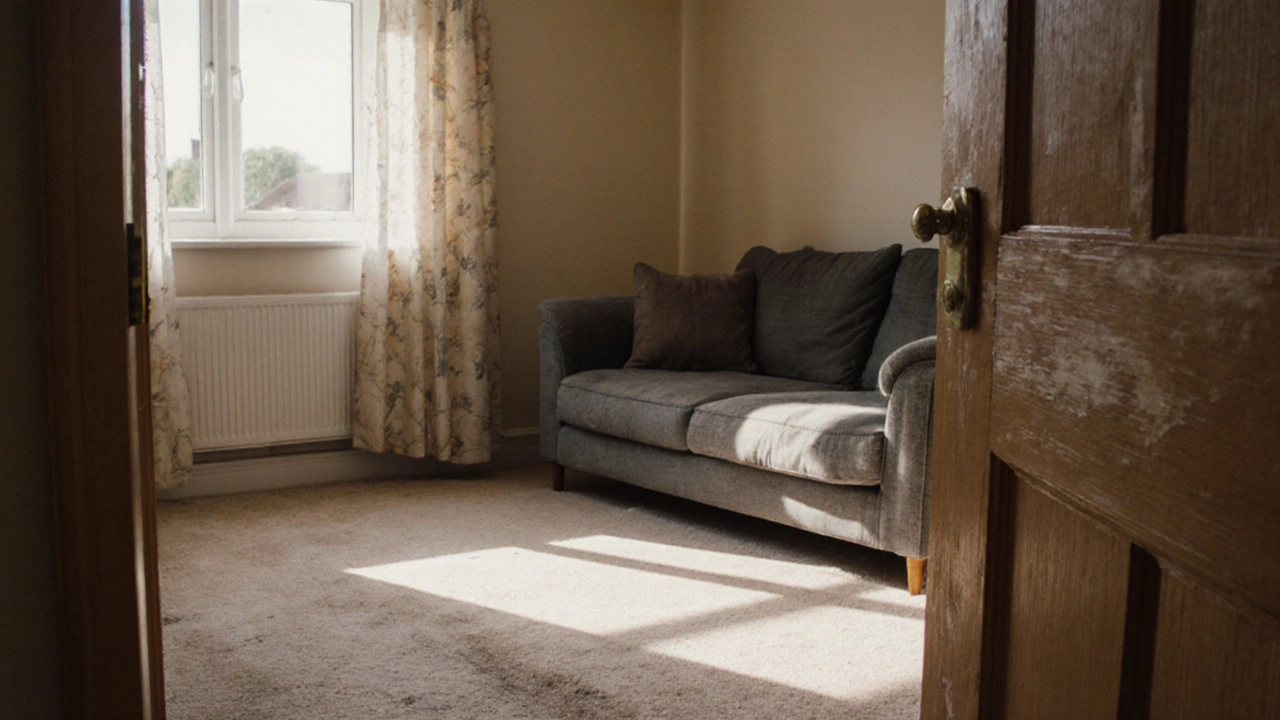
What Is Acceptable Wear and Tear at the End of a Tenancy?
Understand what counts as normal wear and tear versus damage at the end of a tenancy in the UK. Learn how to protect your deposit with proof, legal rights, and real examples from Leeds rentals.
Read More